What is scrap copper?
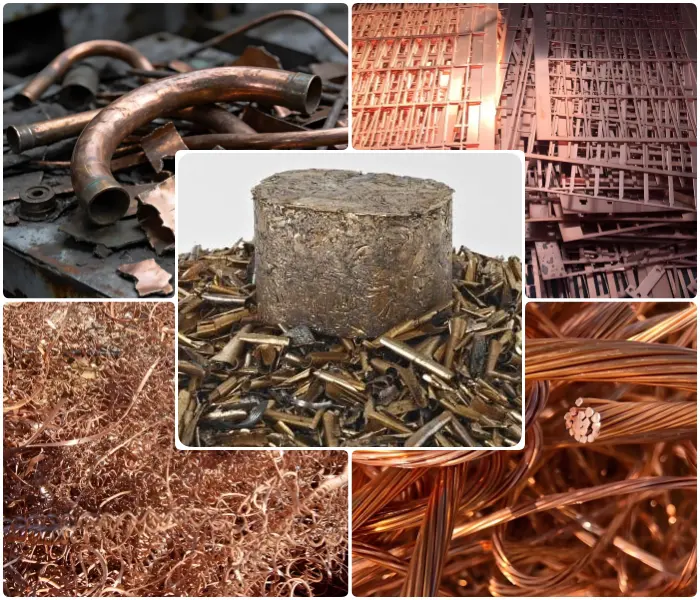
Scrap copper refers to copper-containing materials generated as waste during industrial production, or structural components contained in products discarded after use. It is generally divided into two categories: new scrap and old scrap.
New scrap — also known as industrial scrap or pre-consumer scrap — consists of offcuts, turnings, chips, and other residues produced during industrial manufacturing and processing. This type of scrap has the highest purity, offers high recovery value, and is relatively easy to recycle.
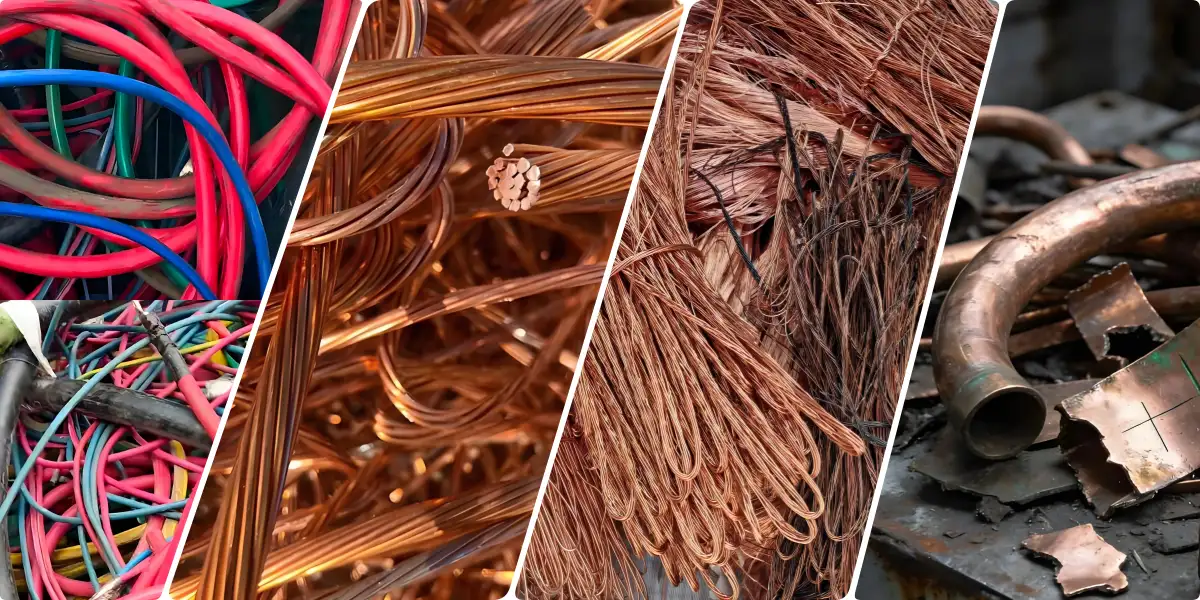
Old scrap — also known as post-consumer scrap — refers to copper recovered from end-of-life products and discarded consumer goods. Because this type of scrap is typically mixed with other materials or components, it requires a series of processing and refining steps to extract copper of sufficiently high purity for reuse.
Why recycle scrap copper?
Copper is a metal with relatively high value. By processing scrap copper through specialized techniques, it is possible to obtain copper of high purity, which can then be sold at prices comparable to those of virgin copper — offering considerable profit potential.
From an environmental perspective, copper recycling helps reduce industrial demand for primary copper raw materials. This in turn lowers the need for copper mining, contributing to energy savings, reduced air and land pollution, and better environmental protection.
TITAN's Scrap Copper Recycling Solutions
TITAN's scrap copper recycling solutions consist of the following steps:
Sorting and Pre-treatment
Scrap copper is collected from a wide range of sources, including end-of-life household appliances, offcuts and residues from industrial production processes, and waste copper wires and cables dismantled from buildings and construction sites.
Upon receiving various types of scrap copper, recycling facilities must first carry out sorting to separate copper-bearing materials from other waste. The copper scrap is then further classified according to the ease of remelting and refining.
High-purity scrap copper, such as clean offcuts and turnings, is grouped into one category. This type of scrap is relatively straightforward to remelt.
Complex scrap copper, such as wires and cables with insulation, paint, oil, or other contaminants, is grouped into another category. For these materials, the surface coatings and insulation layers must be removed — typically through mechanical stripping or controlled high-temperature incineration. The incineration process requires careful temperature control to prevent the generation of harmful gases.
After pre-treatment, the scrap copper is largely free of plastic components, but may still contain other metallic impurities such as iron, rust, and stainless steel, which need to be further separated in downstream processes.
Cutting and Shredding
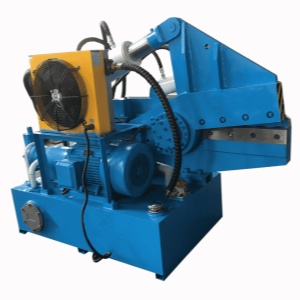
Copper pieces that are long in length or large in volume must first be cut down to a size that can be smoothly fed into the hopper of a shredder. Since copper is relatively soft compared to many other metals, the metal shear selected for this cutting stage can be a machine with a lower shearing force, such as the Q43-1200 model.
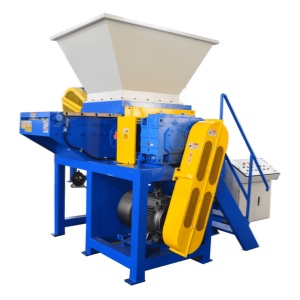
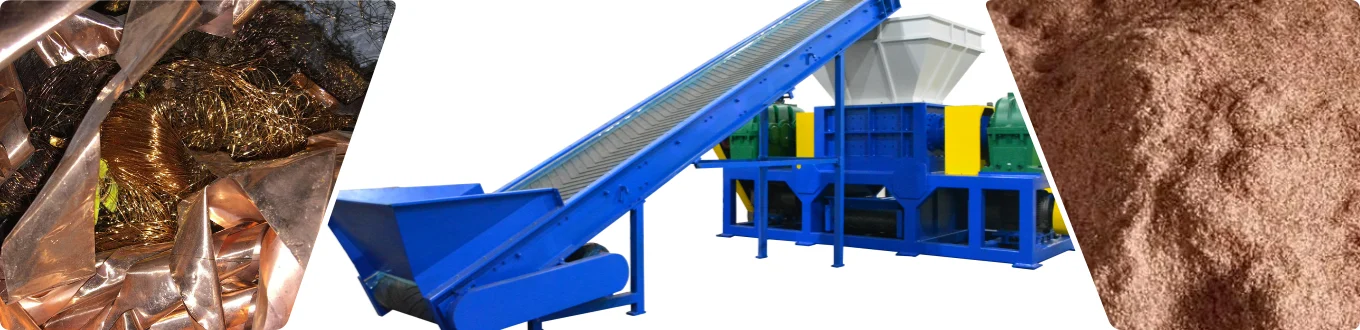
Once cut into appropriately sized pieces, the metal segments can be fed into the shredder hopper together with other mixed metal materials, entering the next shredding stage. This shredding process uses mechanical crushing to break down the copper-bearing scrap into small particles of different materials. Main equipment involved in this process:Scrap Metal Shredder A separation process must be incorporated at the same time to sort and recover the various metals by material type.
Although a certain degree of copper loss is inevitable during the shredding and separation process, using equipment such as metal shears, metal shredders, and separators to process this scrap metal is extremely efficient. Large volumes of scrap copper can be handled in a short time. In the long run, this approach actually offers lower overall costs.
Briquetting
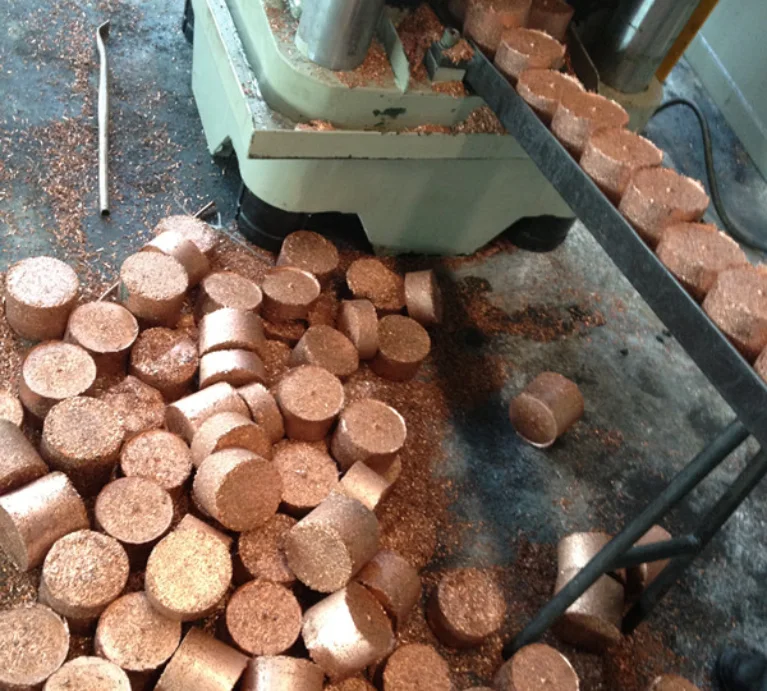
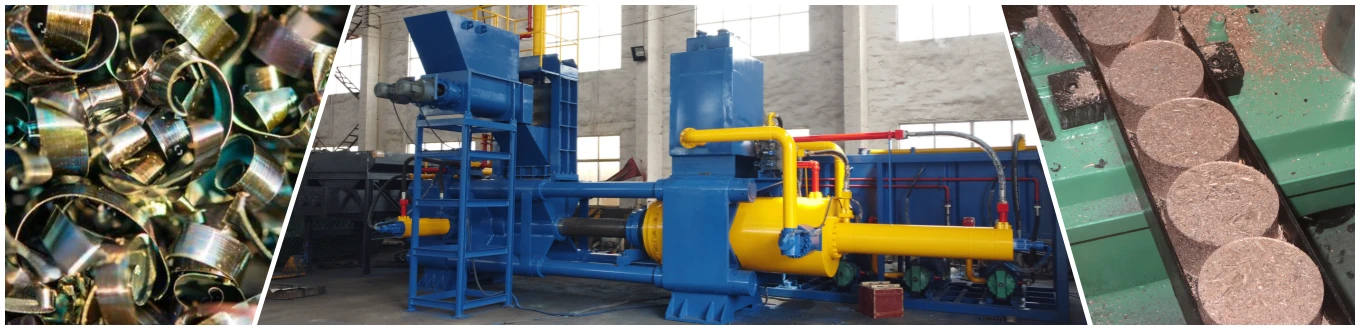
After separation, the recovered scrap copper is of relatively high purity. However, it remains in the form of loose chips and fines, which take up considerable volume and are inconvenient to handle and transport.
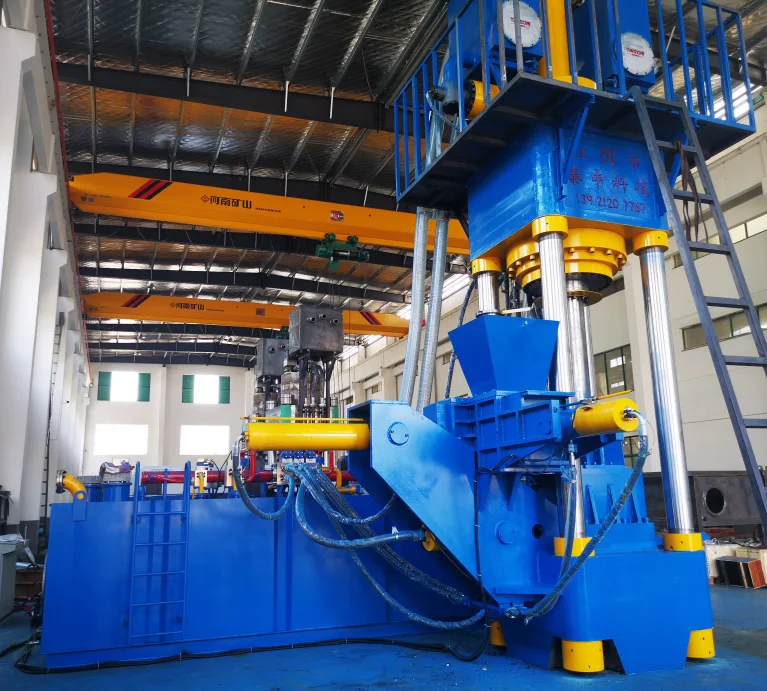
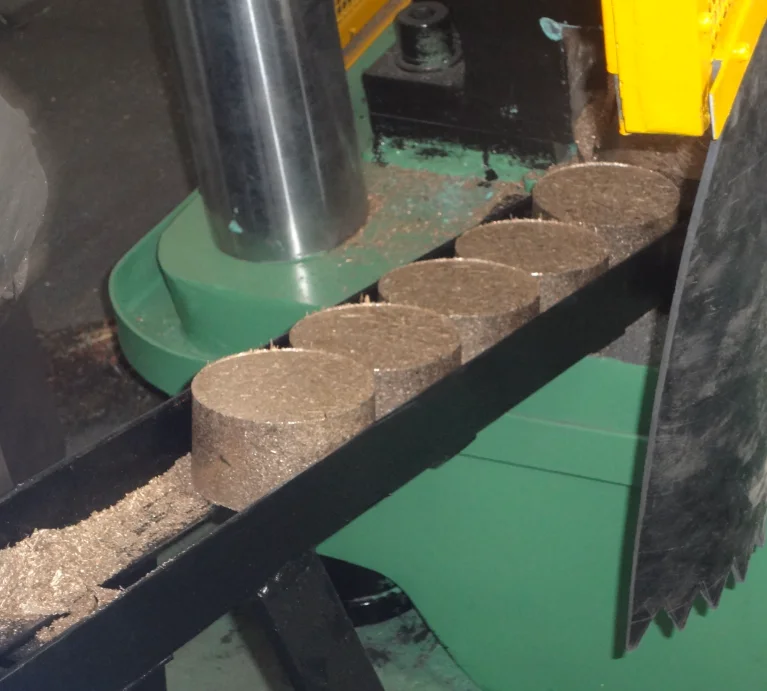
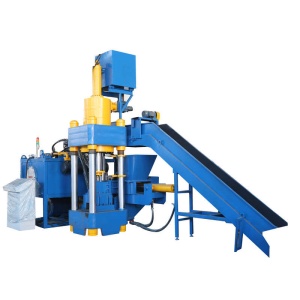
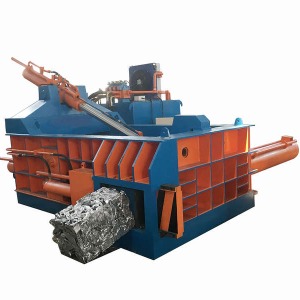
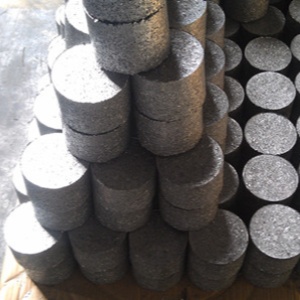
At this stage, a scrap metal briquetting machine can be used. The copper chips are fed into the hopper of the briquetting press — either via a conveyor system or manually. Through the briquetting process, the loose copper chips are compacted into high-density copper briquettes, making them much easier to transport and ready for subsequent melting and refining.Main equipment involved in this process:Metal Briquetting Machine
Remelting and Refining
Once briquetted, the scrap copper blocks are extremely convenient to transport and store. During the melting process, the dense and compact structure of the briquettes effectively isolates the material from air exposure. As a result, the burn loss rate of scrap copper can be reduced to within 5%, directly increasing the yield of the finished product.
Casting and Forming
After melting and refining, the molten copper is tapped from the furnace and can be cast into copper ingots, or directly rolled into semi-finished products such as plates, sheets, rods, and bars. Through these processing steps, scrap copper is transformed into high-purity copper raw material that can be directly used in downstream manufacturing. At this stage, the material's intrinsic value has been multiplied, completing the journey from waste to a valuable industrial resource.
Advantages and Limitations of TITAN's Solution
Advantages:
Large volumes of scrap metal can be processed in a short time, from which high-purity copper raw material can be extracted. From an industrial production perspective, this greatly improves operational efficiency and reduces labor costs.
The entire workflow — from cutting, shredding, separation, and briquetting of scrap copper, through to melting and casting into semi-finished products — ensures a high recovery rate and minimizes material loss. This indirectly enhances the overall value of the recycling and remelting process.
The briquetting stage compresses loose chips and fines into dense briquettes, directly lowering storage and transportation costs while improving furnace charging efficiency. These cost savings are often hidden and frequently overlooked by recycling yards and scrap processing companies.
Limitations:
The initial investment in equipment — including metal shears, metal shredders, separation systems, and metal briquetting presses — is relatively high. For companies with limited budgets, this can represent a significant burden. However, in the long term, the returns generated by this investment far exceed expectations and the upfront cost.
Project Cases