What is Metal Stamping Scrap?
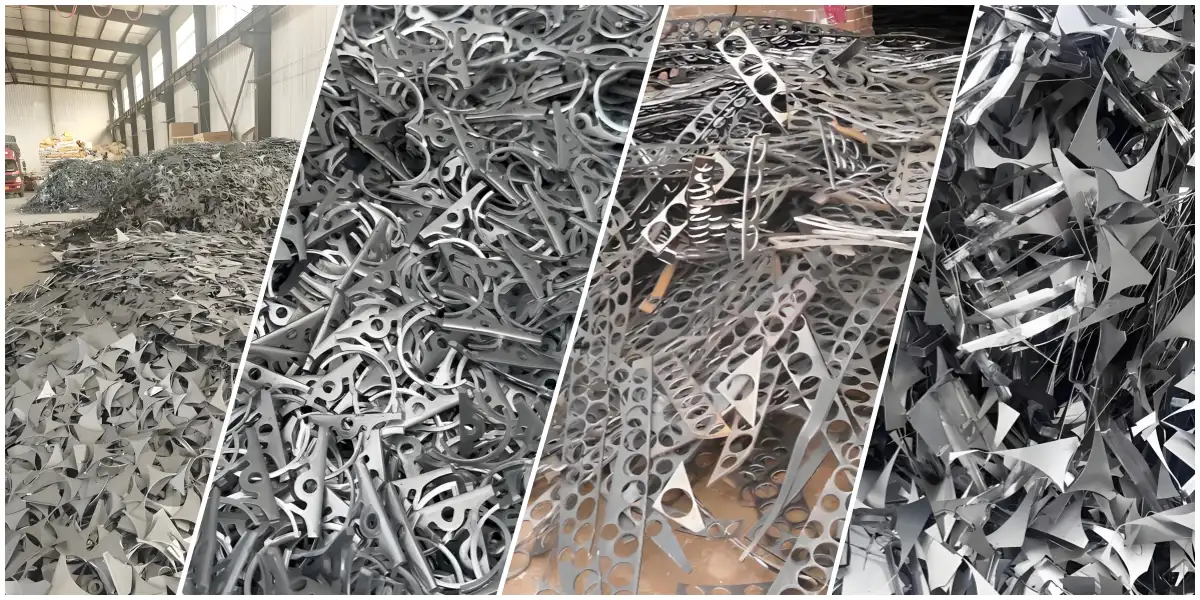
Metal stamping scrap refers to solid waste generated during sheet metal processing—including edge trimmings, punching slugs, blanking remnants, and other byproducts resulting from shearing, punching, drawing, and bending operations. The scrap appears in various forms such as blocks, sheets, and strips.
Why Recycle Metal Stamping Scrap?
Metal stamping scrap is characterized by its high purity and low impurity content, enabling a metal recovery rate of over 98.5% and delivering substantial economic value. From an environmental perspective, recycling stamping scrap significantly reduces the demand for virgin ore extraction, thereby decreasing environmental pollution and lowering energy consumption.
TITAN's Recycling Solution for Metal Stamping Scrap
Metal stamping scrap is relatively pure in composition, which appropriately reduces the difficulty of recycling and remanufacturing. As a result, its economic value is more pronounced compared to other types of metal scrap. TITAN's recycling solution for metal stamping scrap primarily consists of two stages: first, sorting, and second, compaction and baling. After such processing, the efficiency of furnace remelting becomes significantly more evident.
Sorting
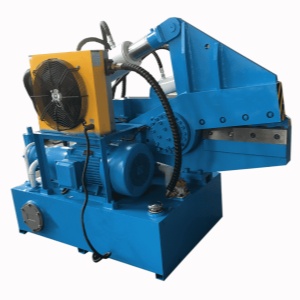
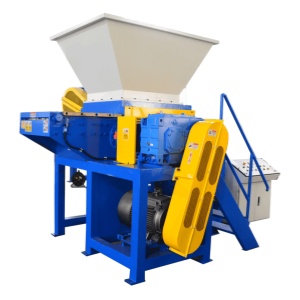
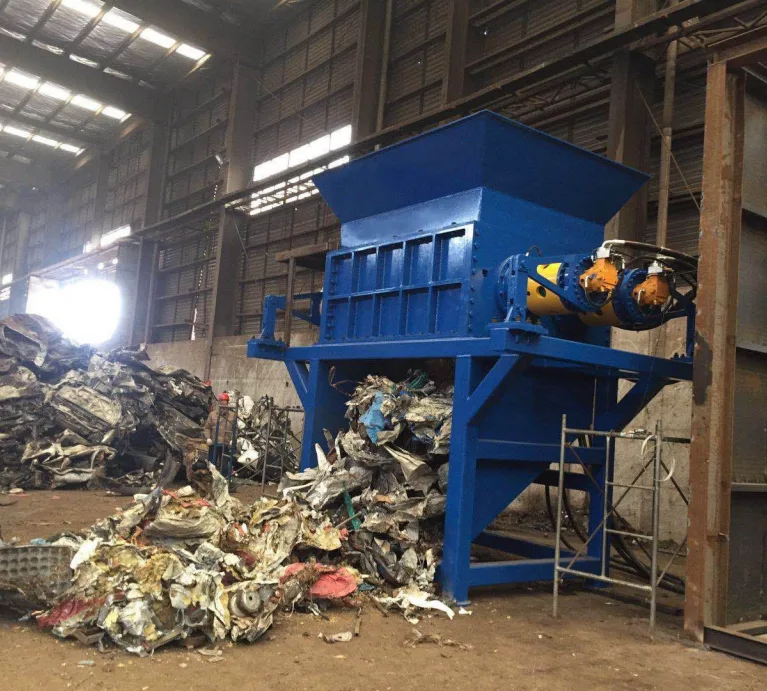
If companies consciously collect different metal raw materials separately during the stamping process, the workload at this stage will be greatly reduced. Under normal circumstances, however, processing involves a mix of different raw materials, resulting in commingled scrap. Manually sorting mixed scrap consumes enormous human resources; therefore, automatic sorting equipment such as magnetic separators is typically employed. In this process, TITAN achieves separation progressively by leveraging differences in particle size, density, electromagnetic properties, and surface chemistry. Preliminary separation of different metal stamping scraps has already been achieved, although more complex scenarios remain under development.
Baling
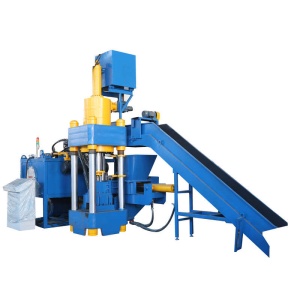
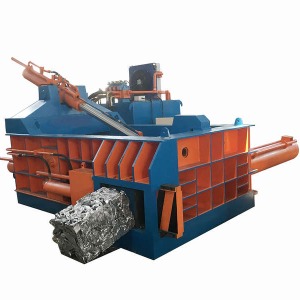
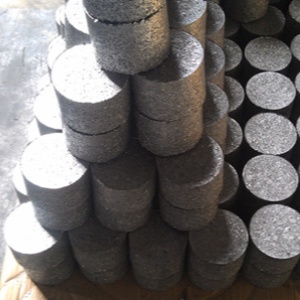
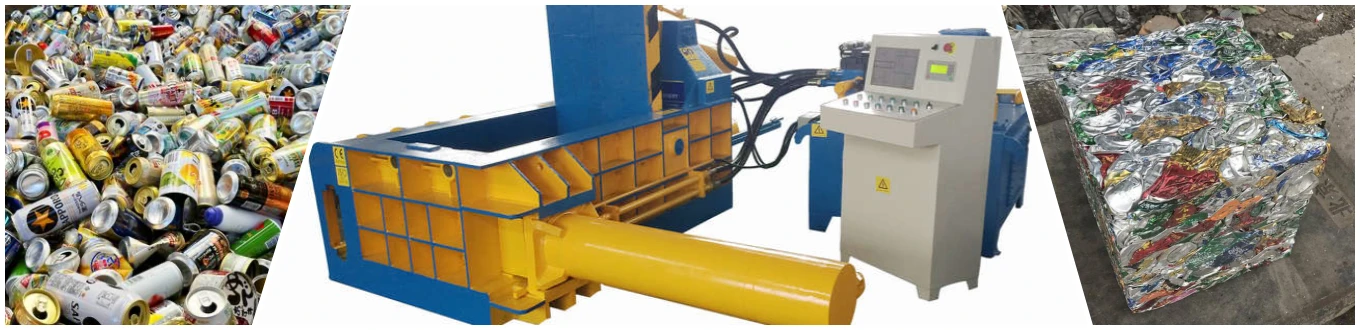
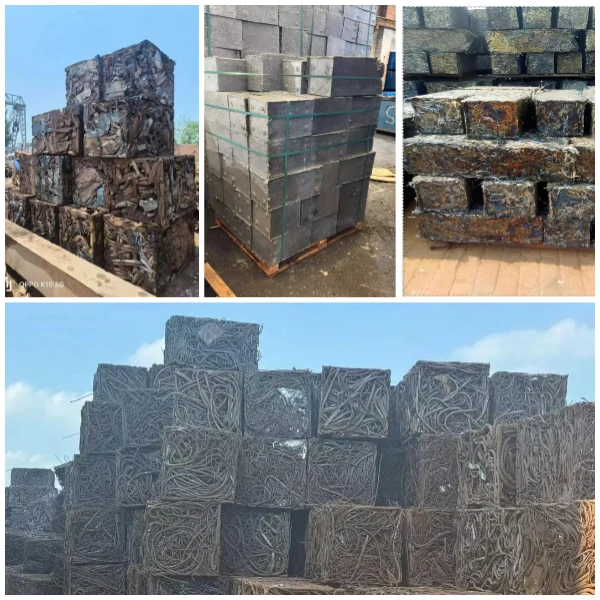
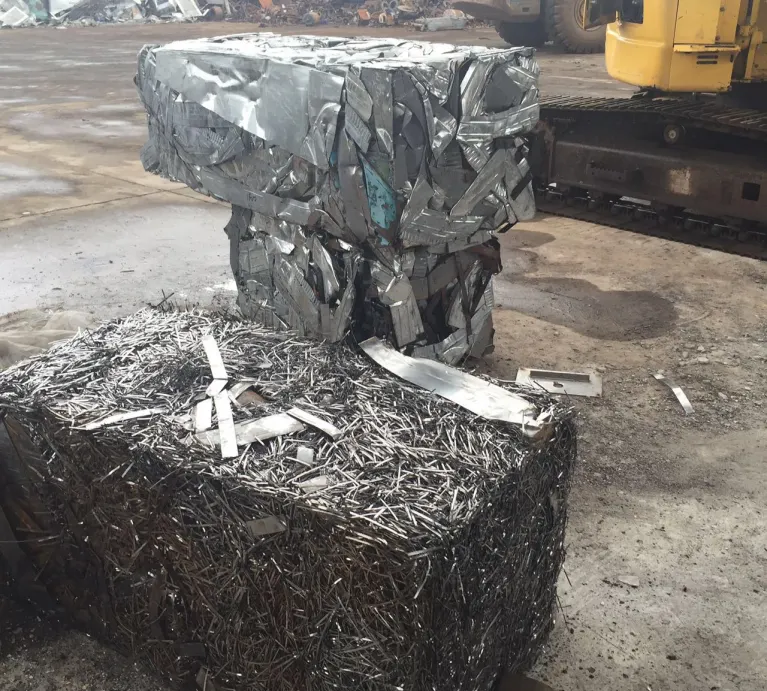
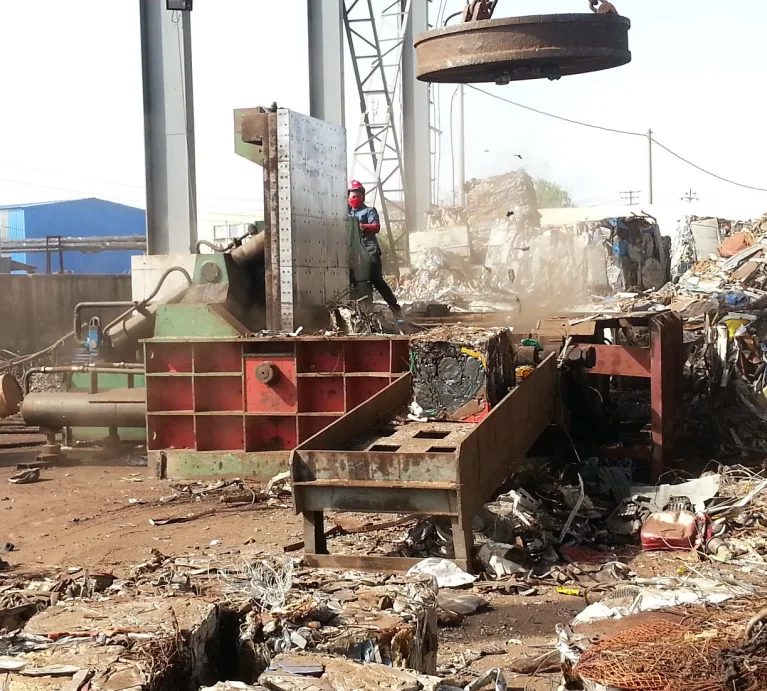
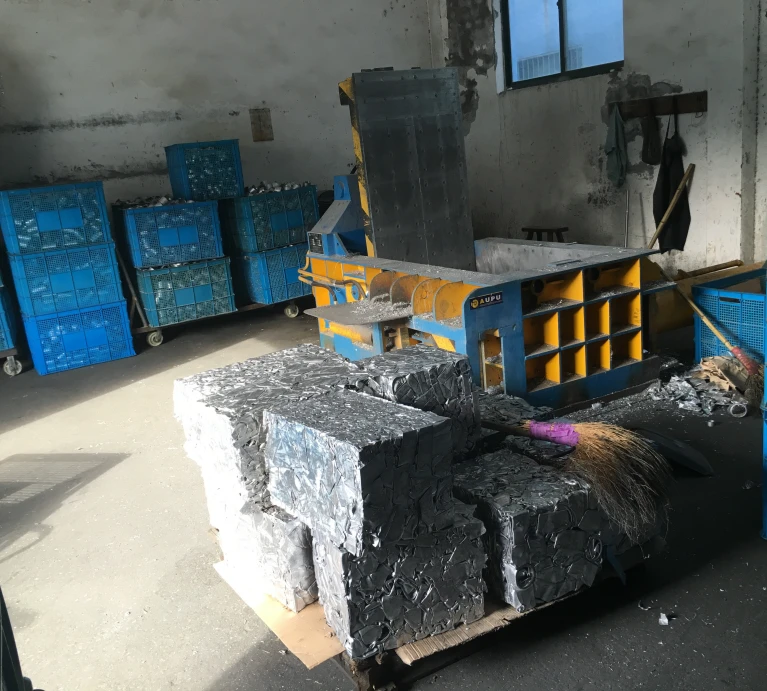
After the preceding steps, TITAN uses a metal baler to compress the different types of metal stamping scrap into compact, high-density bales. These bales can be formed into various shapes—such as cylindrical or rectangular—according to technical requirements, facilitating subsequent storage, stacking, and transportation.
Smelting and Remanufacturing
The size and density of the bales produced by the metal baler directly affect the furnace remelting of the stamping scrap. Due to furnace chamber size limitations, the dimensions of the stamping scrap bales must meet specific requirements; otherwise, they cannot be charged into the furnace. Furthermore, attention must be paid to bulk density (bulk density refers to the density value obtained by dividing the total mass of a batch of scrap steel by the total volume it occupies). Bulk density impacts logistics turnover costs, the frequency of ferrous charge material feeding during the smelting process, heat transfer efficiency, and the wear on heating electrodes. Therefore, the technical requirements of the baling stage exert a significant influence on the smelting stage and cannot be overlooked.
Advantages of the TITAN Solution
High Compression Ratio — Reduced Transportation and Storage Costs
The metal baler within the TITAN solution meets the vast majority of technical requirement scenarios. The volume of the bales produced can be reduced by over 90% compared to the raw material volume, thereby drastically minimizing storage space and lowering warehousing costs. Simultaneously, during transportation, a single vehicle can load more metal bales per trip, thus reducing overall freight expenses.
Improved Processing Efficiency and Reduced Labor Costs
Some small recycling yards handle stamping scrap through manual sorting and baling. On the surface, this approach avoids the expense of budgeting for recycling equipment, but the ongoing investment in human labor often proves more costly over time. Although the one-time capital outlay for equipment is substantial, the service life of the machinery is long. Overall, this reduces long-term labor costs and improves production efficiency.
Enhanced Recycling Value
Sorted and baled metal stamping scrap will invariably command a higher price than untreated material. Therefore, investing the appropriate capital to achieve higher returns is a wise choice for many recycling companies.
Customizable Design
Upstream steel mills may have varying technical requirements for bale specifications. The baling equipment provided by TITAN can be custom-designed according to actual requirements, satisfying a wide range of application scenarios.
Project Cases
FAQ
This solution is suitable for steel and stainless steel stamping scrap, aluminum stamping scrap, copper and brass stamping offcuts, iron and alloy stamping residues, and more.
Generally speaking, any industry that requires metal scrap to be compacted and baled is suitable. For industries that generate large volumes of stamping scrap, these include automotive stamping and body component manufacturing, household appliance metal parts production, CNC and sheet metal processing plants, scrap metal recycling centers, as well as the aerospace and heavy machinery industries.