What is Heavy Scrap?
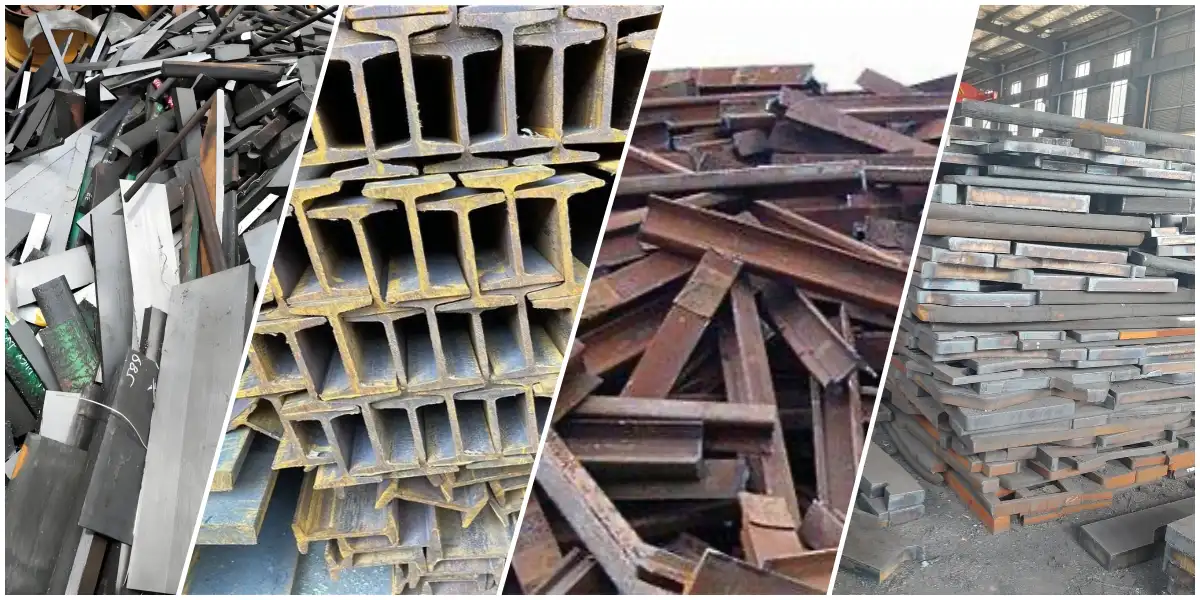
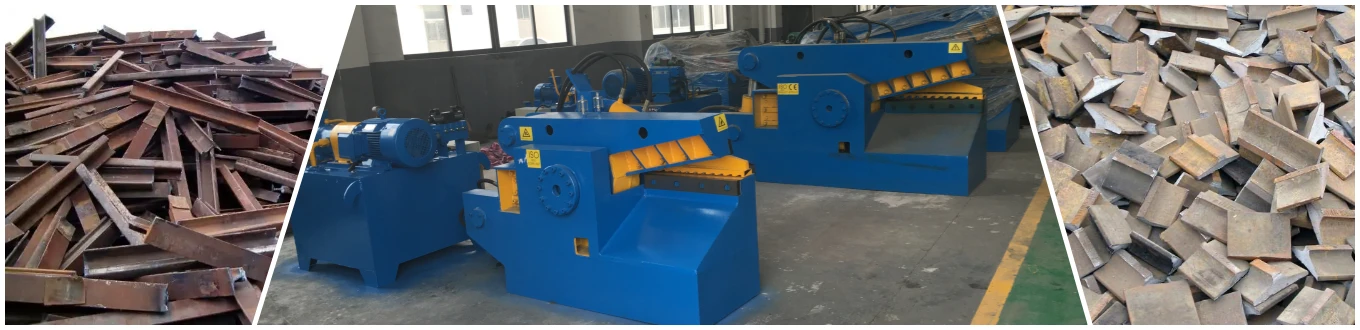
Heavy scrap, also known as "heavy melting scrap," refers to thick, heavy, and dense scrap steel generated during industrial and construction processes. Examples include I-beams, channel steel, H-beams, steel rails, and steel billets.
Why Recycle Heavy Scrap?
The recycling of heavy scrap holds significant economic, environmental, and resource-related importance.
From a global resource conservation perspective, recycling heavy scrap reduces the need for virgin ore extraction, thereby lowering energy consumption and resource waste. The mining of primary ores not only requires substantial energy but also causes severe damage to the ecological environment.
From an economic standpoint, heavy scrap contains relatively few impurities and offers high smelting efficiency, commanding a higher recycling price. It is one of the most sought-after feedstocks for steel mills.
TITAN's Recycling Solution for Heavy Scrap
Heavy scrap is typically recovered by steel mills for remelting and recasting. Through high-temperature smelting, heavy scrap steel is melted into liquid form, and after impurities are removed through chemical methods, it is recast into new steel products.
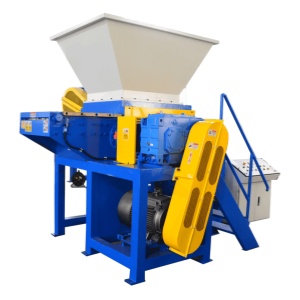
However, some scrap steel, due to its large size or excessive length, cannot be efficiently transported or charged into furnaces. The solution TITAN provides involves cutting bulky and oversized metal waste into uniformly sized, easy-to-handle pieces through shearing, shredding, and other methods, making it highly suitable for downstream processing, baling, or smelting.
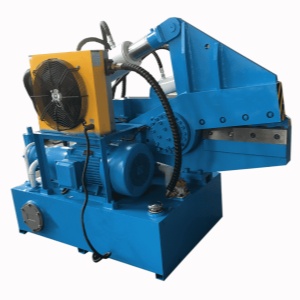
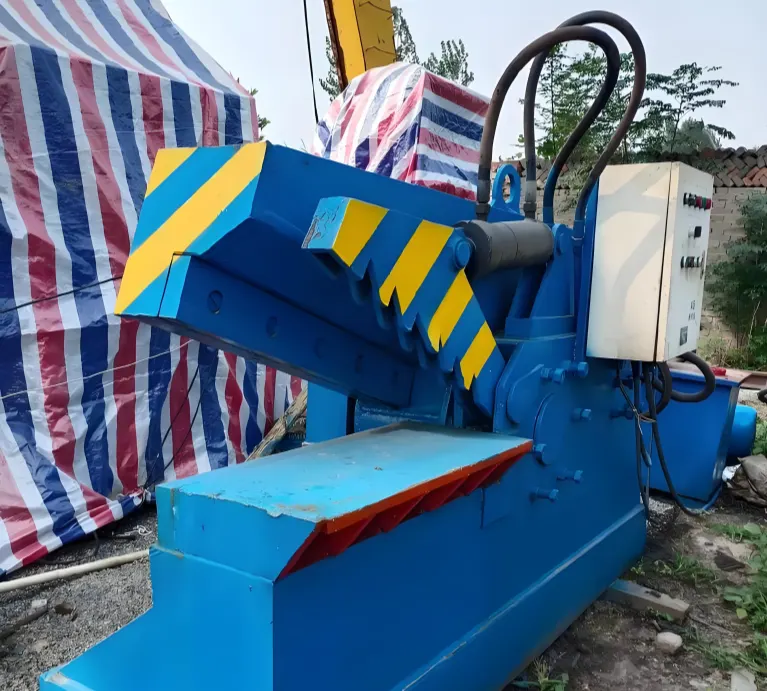
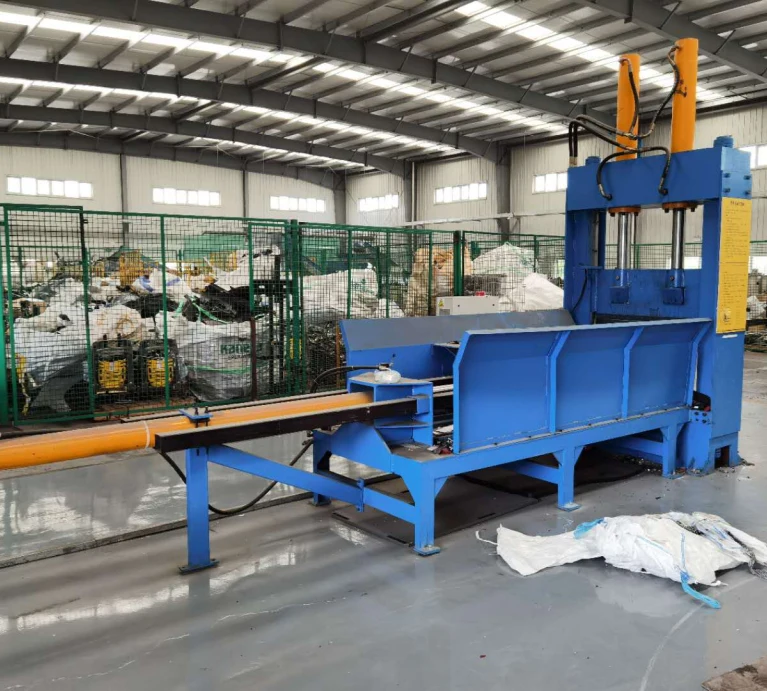
Take I-beams as an example. Since I-beams are generally long, an alligator shear or guillotine shear is first used for pre-cutting, sectioning the I-beams into fragments of consistent length.
The pre-processed I-beams can then be subjected to powerful crushing using a hammer shredder, where surface impurities are knocked off and stripped away by high-speed rotating hammers.
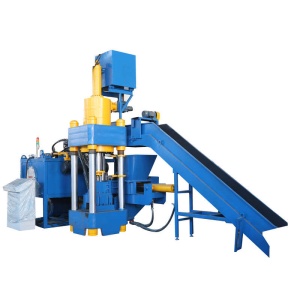
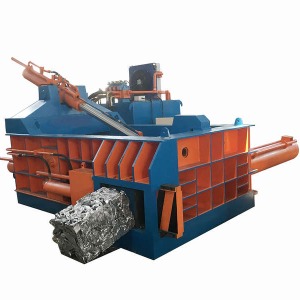
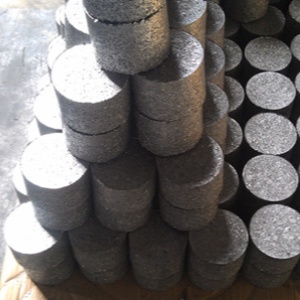
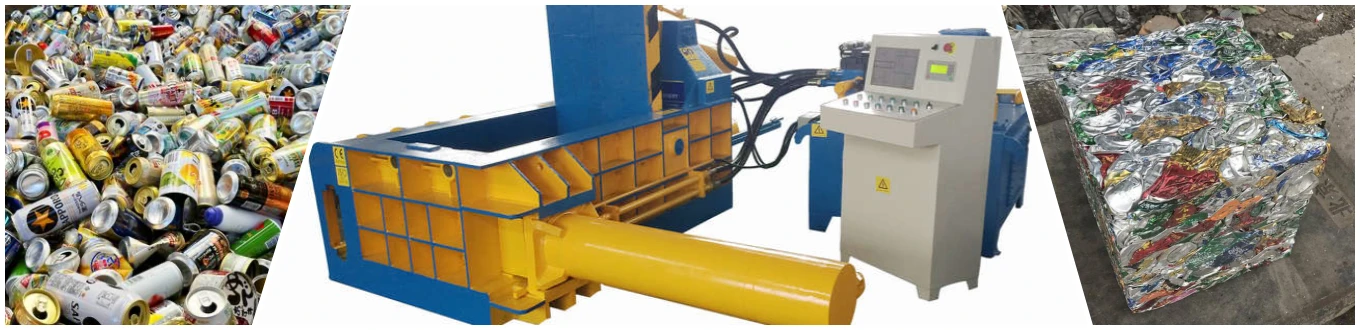
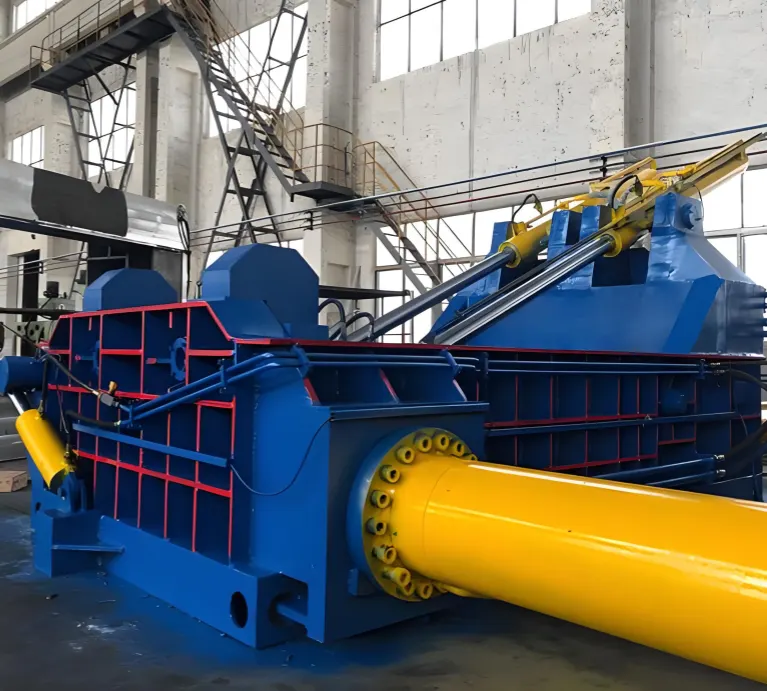
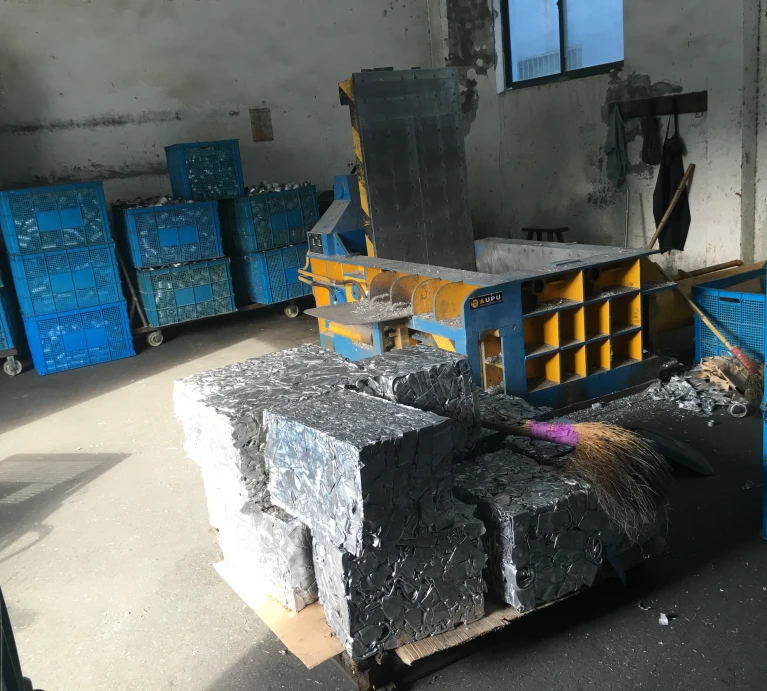
In cases where the scrap contains mixed materials, further separation is required. Equipment such as magnetic separators can be used to separate ferrous metals from non-ferrous metals and non-metallic materials. The separated scrap steel can be further purified and refined, enhancing the quality of the raw material. Once all these steps are completed, a metal baler can be used to compact the sheared scrap steel into cylindrical or rectangular bales, which helps reduce oxidation loss during smelting and improves steelmaking efficiency.
Advantages of the TITAN Solution
Powerful Shearing Force — Handles Even the Thickest Materials
TITAN's alligator shears and guillotine shears deliver immense shearing force, effortlessly cutting irregular heavy scrap into uniformly sized pieces.
Improved Worker Productivity
The shearing equipment features fully hydraulic control, ensuring simple and safe operation.
Reduced Transportation and Smelting Costs
Processed scrap pieces are compacted and baled, reducing volume, improving transport efficiency, and lowering smelting costs.
Consistent Quality and Long Service Life
Whether shears or balers, TITAN equipment is built with a robust mechanical structure designed for long-term industrial use.
Project Cases
FAQ
This solution is suitable for steel beams and rebar, cast iron, I-beams, channel steel, heavy melting steel (HMS 1 & HMS 2), and mixed heavy metal scrap.
Metal recycling centers, steel mills and foundries, shipbreaking yards, heavy industrial workshops, and scrap processing and export operations.