What is Light Scrap?
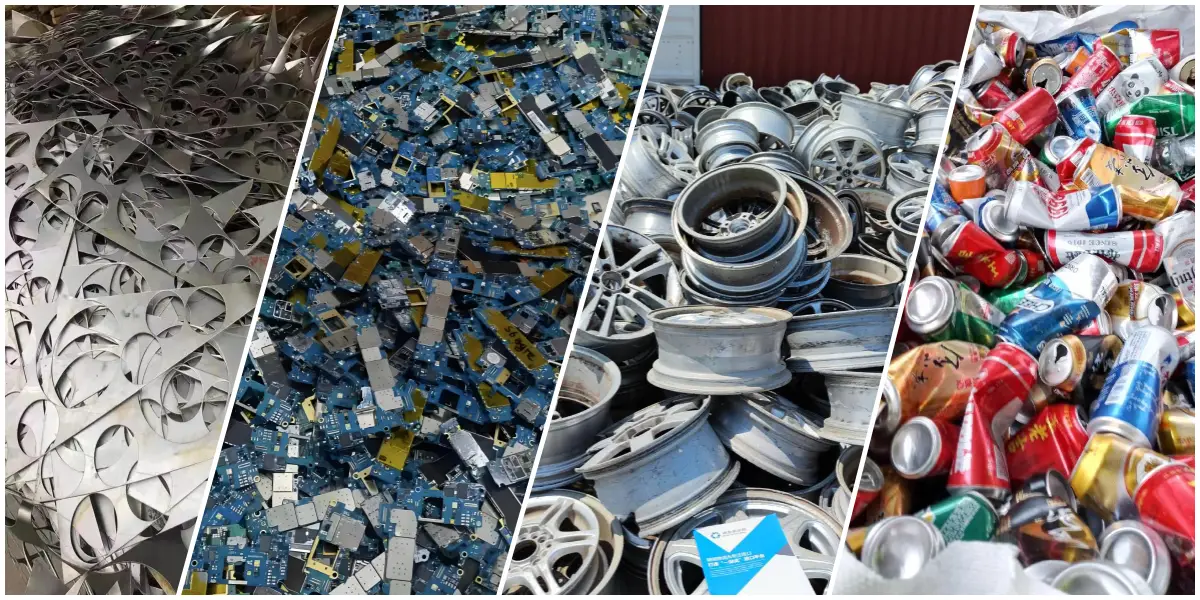
“Light Scrap” is the abbreviation for lightweight recyclable materials. It generally refers to low-density, high-volume recyclable waste such as waste paper, waste plastics, waste textiles, and scrap metal. This article focuses primarily on light scrap in the scrap metal sector, including materials such as aluminum foil, used beverage cans (UBCs), and thin aluminum sheets.
Common Challenges in Light Scrap Recycling
Space Constraints
Due to their large volume, light scrap materials from various recycling channels occupy significant storage space once they arrive at recycling company. Expanding the facility area would lead to a substantial increase in rental costs. Therefore, maximizing the storage capacity for light scrap within a limited space is a major challenge for recycling companies.
Outdated Technology
While preliminary sorting and processing of light scrap at recycling sites can be done manually, doing so often requires a large workforce, resulting in persistently high labor costs. Some companies lack advanced recycling technologies and equipment, leading to low efficiency and increased risk of secondary pollution in processes such as waste sorting, precious metal extraction, and hazardous material treatment.
High Transportation Costs
When transporting processed light scrap to the next stage of the supply chain, recycling companies aim to maximize the weight transported with minimal vehicle capacity. However, since the volume of light scrap cannot be fully compressed, it tends to occupy considerable space, thereby driving up transportation costs.
Why Recycle Light Scrap?
Recycling light scrap is of great significance.
From an environmental perspective, the recycling and remanufacturing of light scrap can reduce energy consumption and pollutant emissions generated during metal mining and smelting, while also minimizing ecological damage. Take iron ore as an example: the global annual mining volume is approximately 2.6 billion tons (according to the World Steel Statistics 2025). Recycling one ton of scrap steel saves about 1.6 tons of iron ore, 0.6 tons of coal, and 0.2 tons of limestone, while reducing carbon dioxide emissions by approximately 80%. Based on an annual mining volume of 2.6 billion tons, large-scale scrap recycling would significantly reduce the ecological impact of mining activities.
From an economic perspective, scrap metal processed with advanced technologies can generate considerable economic benefits. Take aluminum as an example: recycling companies collect aluminum-containing waste from the market, crush and sort it, and then process it through specific techniques to remelt the scrap aluminum into aluminum ingots. The quality of these ingots can approach that of primary aluminum, while the cost of recycling and remanufacturing is much lower than that of mining and smelting. According to industry data, the return on investment (ROI) from recycling scrap aluminum into aluminum ingots typically ranges from 10% to 30%, which is significantly higher than that of ordinary industries.

TITAN's Recycling Solutions for Light Scrap
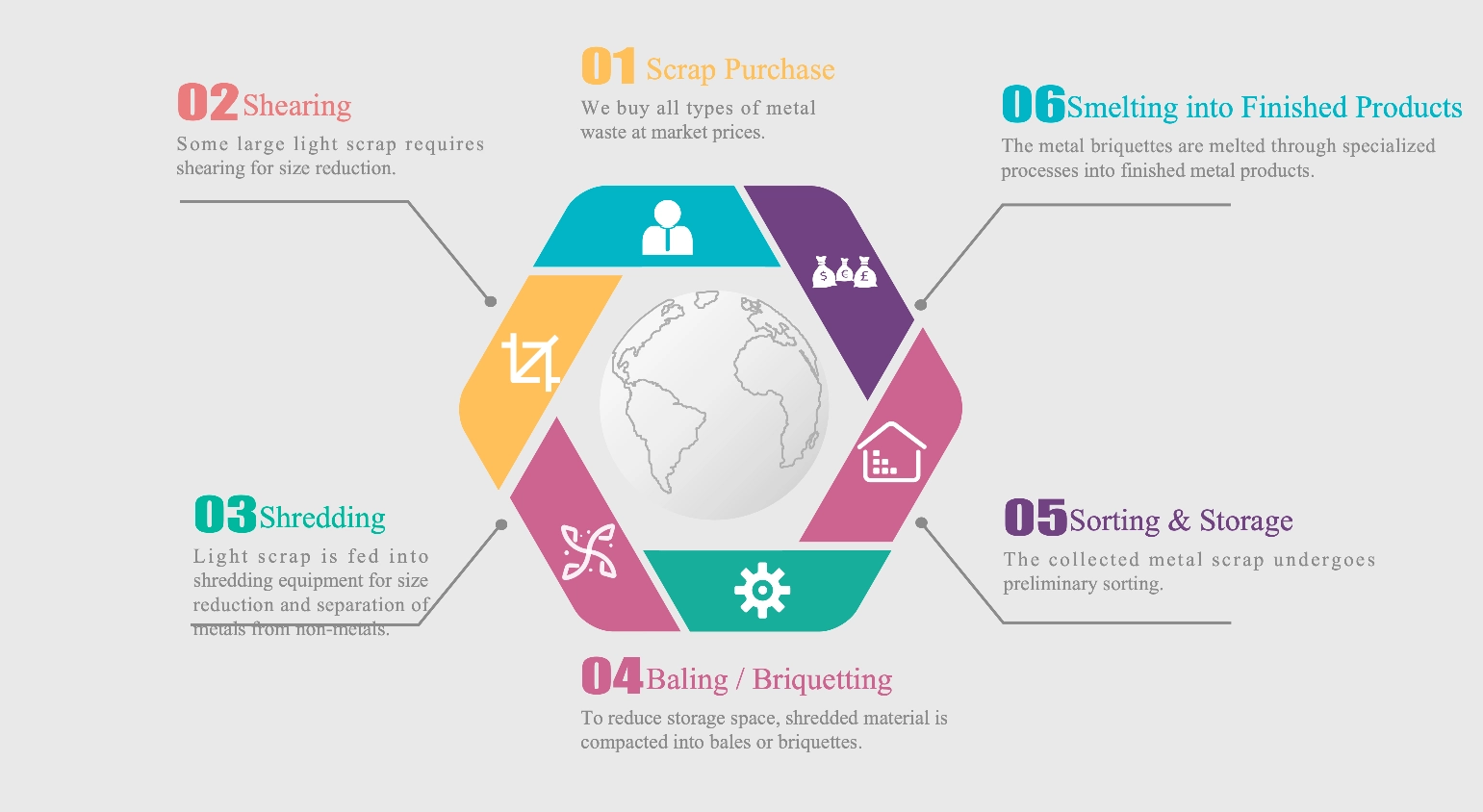
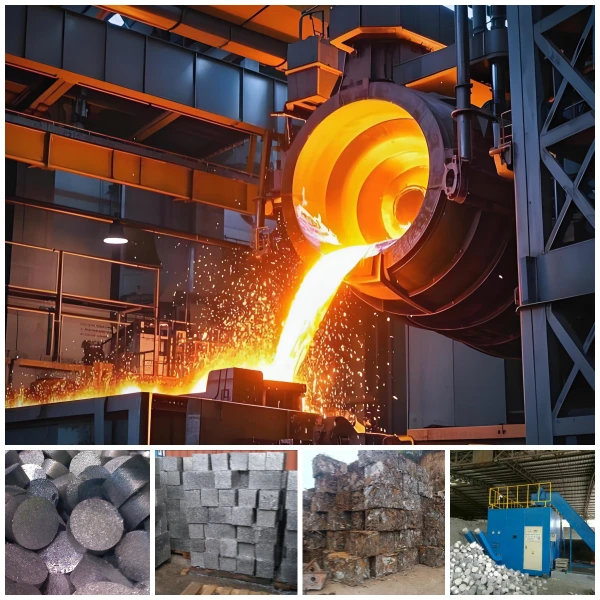
The vast majority of light scrap materials—such as thin steel sheets, aluminum profiles, and automobile shells—are characterized by low thickness and light weight, which generally result in large volume and low density. These properties directly lead to reduced efficiency in both transportation and smelting. For recycling companies, it is typically necessary to perform preliminary processing on collected light scrap, using large or medium-sized recycling equipment for shearing, shredding, baling, or briquetting. This significantly reduces the storage space required for light scrap, thereby lowering site rental costs. At the same time, it improves processing efficiency in subsequent smelting stages.
Scrap Collection
There are many ways to collect scrap materials. Recycling companies typically gather materials through community recycling stations, door-to-door collection, merchant partnerships, or specialized recycling points. After collection, preliminary sorting by material type is required—grouping the same metals together to facilitate subsequent storage and processing. The accuracy of sorting directly affects the efficiency of scrap metal processing and the quality of the recycled metal.
Shearing
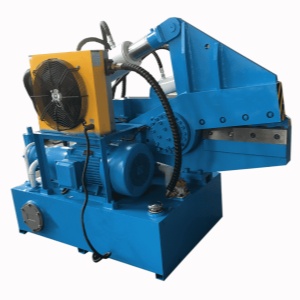
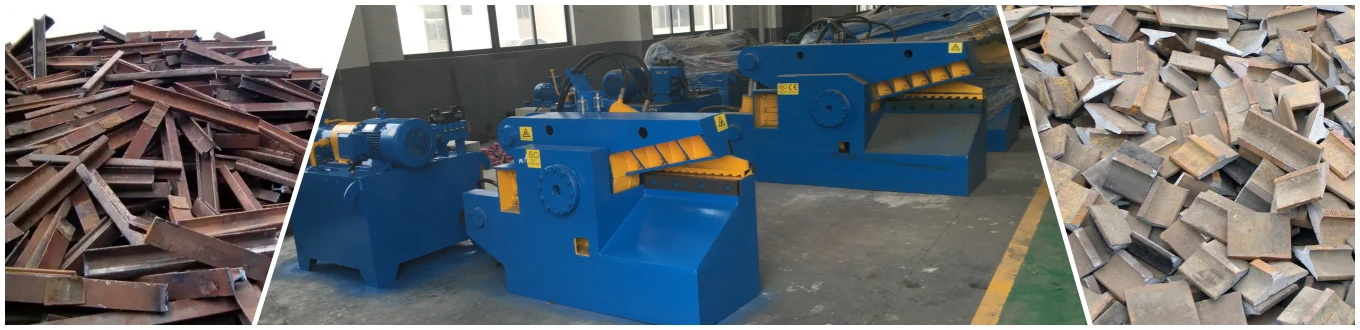
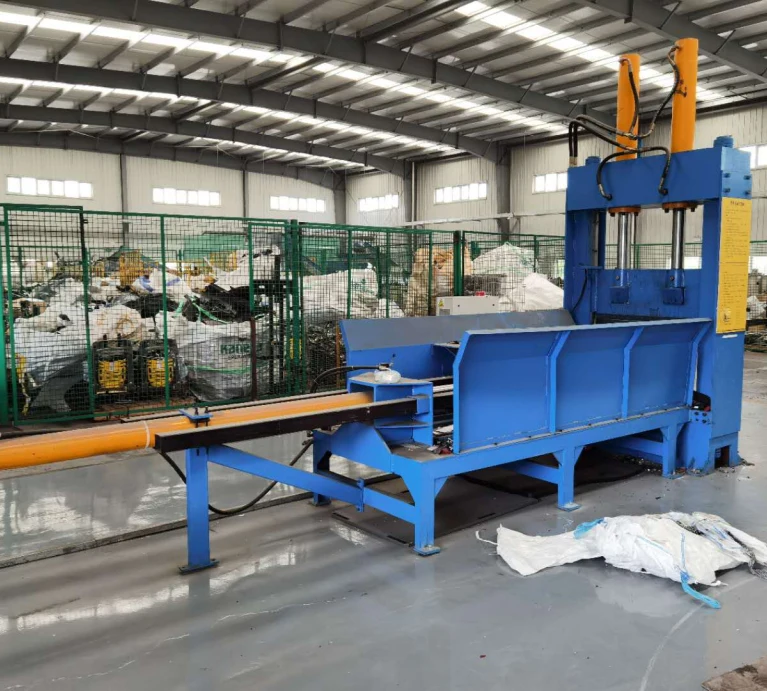
Large waste items such as automobile shells, construction scrap metal, and oil drums can be sheared first to reduce their volume for the next processing step. For shearing light scrap metal, an alligator shear can be operated manually. Refer to the following for the operation process:
Shredding
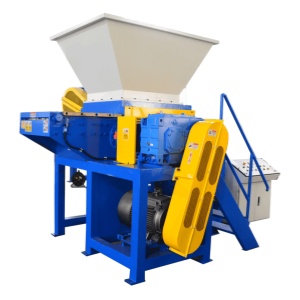
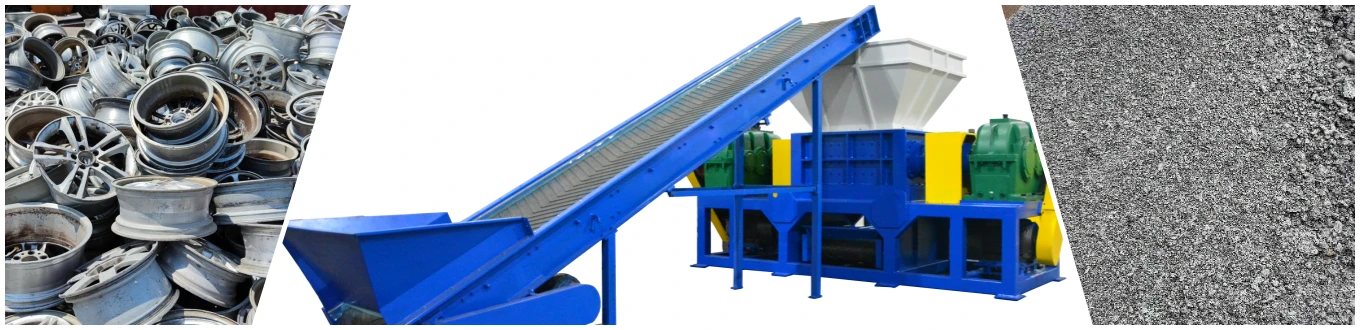
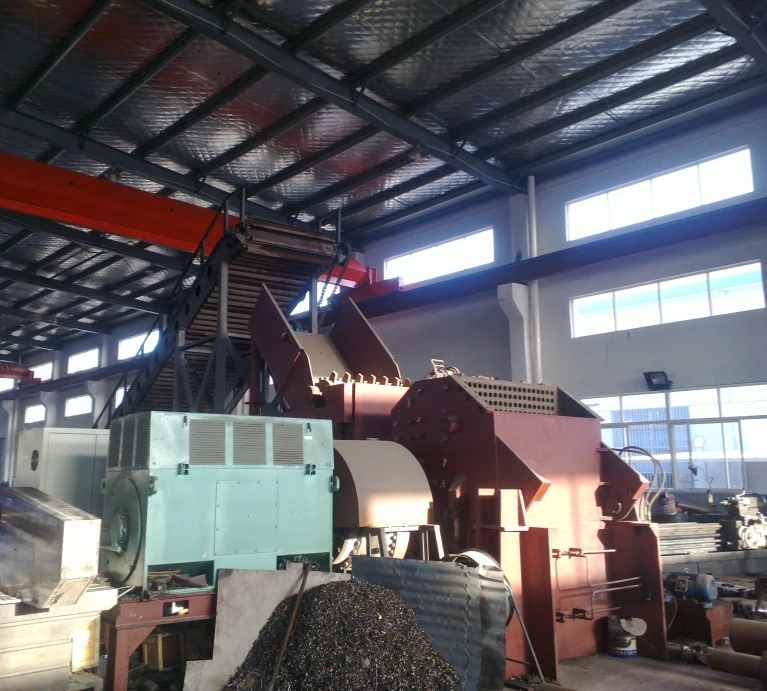
Some scrap metal pieces, due to their relatively small size, can be directly fed into a shredder. For larger items, shredding is carried out after the previous shearing step. With technological advancements, some shredders can simultaneously sort materials based on different compositions, separating various materials and directing them into different hoppers after shredding. For a demonstration of how a shredder processes and sorts scrap metal, please refer to the following:
Baling or Briquetting
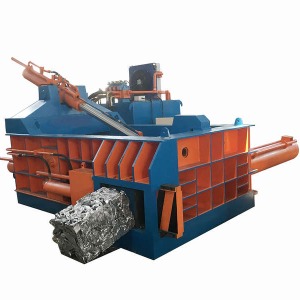
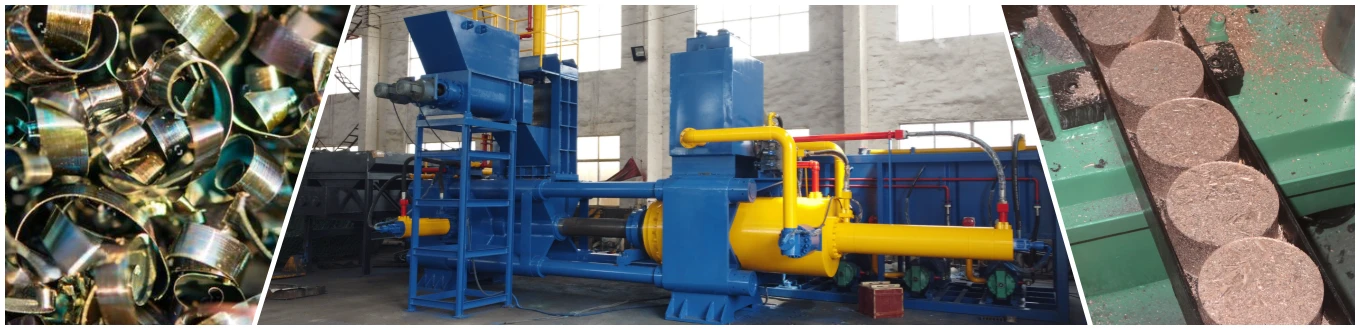
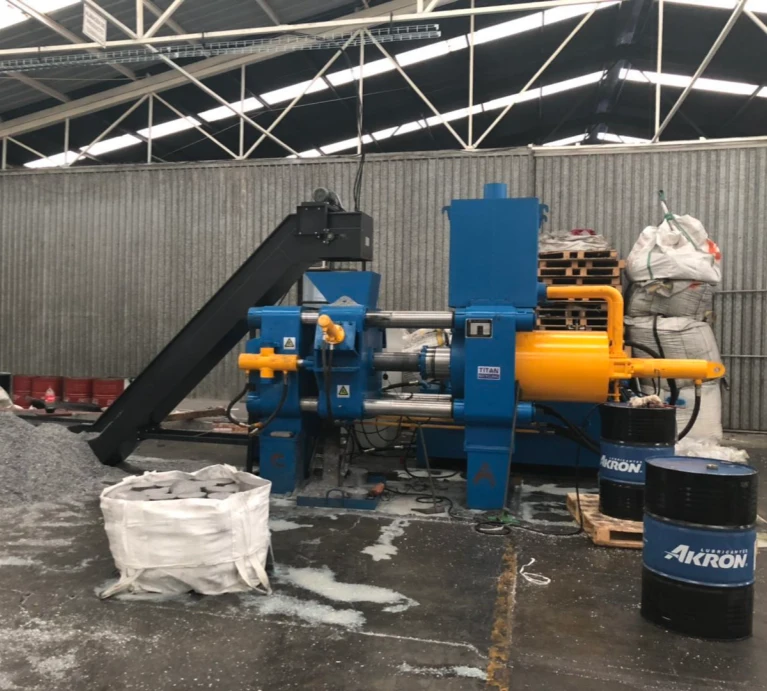
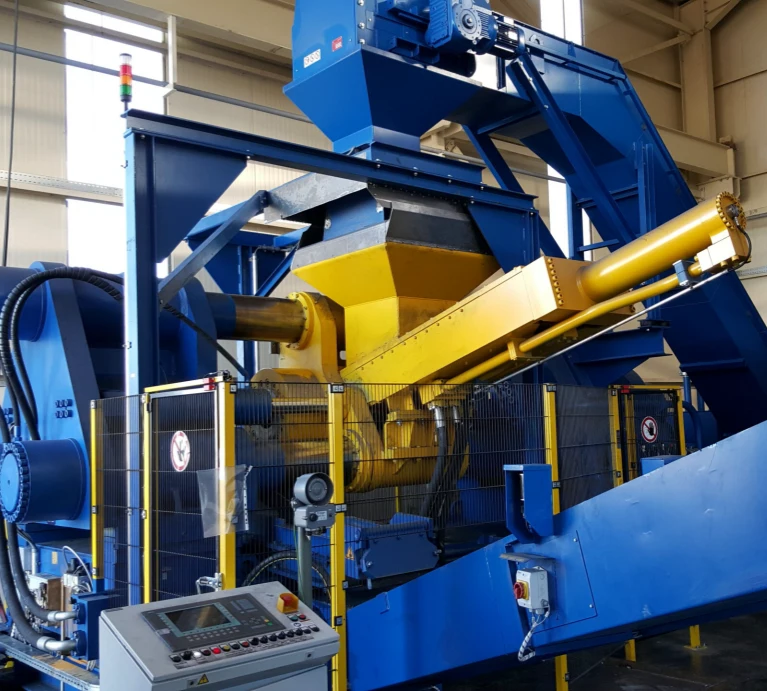
After shredding, scrap metal is transformed from irregular shapes into fragments of a few centimeters in size. These fragments can then be baled into rectangular blocks, cylindrical bales, or other shapes using a baler. For a demonstration of the baling process, please refer to the following:
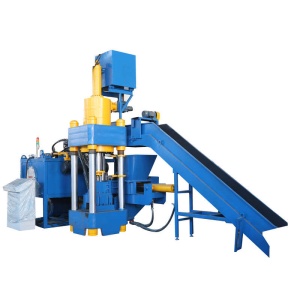
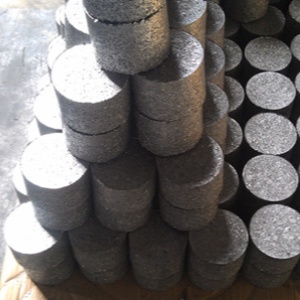
If the metal is shredded into small granules, a metal briquetting press can be used to compress them into briquettes, further reducing storage space and facilitating storage and transportation. For a demonstration of the briquetting process, please refer to the following:
Sorted Storage
After being compressed into bales or briquettes, scrap metal is significantly reduced in volume and has a much higher density. The compressed scrap can then be stored in an orderly manner in a dry warehouse. This allows the warehouse to hold more scrap metal per unit area, effectively utilizing storage space and reducing overall storage costs. At the same time, due to the reduced volume, transportation efficiency is maximized in subsequent logistics, further saving on freight costs.
Smelting into Finished Products
Some medium to large recycling companies operate their own smelting businesses, where scrap metal is remelted and recast through specific production processes. Briquetted scrap metal offers several advantages in the smelting process: due to its high density and small volume, it reduces the frequency of furnace charging, shortens melting time, and improves furnace utilization. Briquettes have a smaller surface area exposed to air, effectively reducing oxidation rates—particularly for reactive metals such as magnesium and aluminum—significantly improving metal recovery yields. In addition, briquettes provide a more stable chemical composition, resulting in better melt bath stability during remelting, which helps enhance the purity of the recycled metal.
Advantages of TITAN Solutions
Optimized Physical Form for Significantly Lower Storage and Transportation Costs
Through shearing, shredding, and baling/briquetting processes, loose and irregular scrap is transformed into high-density bales or briquettes. More material can be stored in the same warehouse area, substantially reducing unit storage costs. The reduced volume increases load capacity per shipment, saving overall freight expenses and improving transport turnaround efficiency.
High-Precision Pretreatment for Improved Recycled Metal Quality and Efficiency
Preliminary material sorting at the recycling source ensures consistent feedstock composition, directly enhancing downstream processing efficiency and recycled metal purity. The shredding stage can incorporate simultaneous material separation, achieving precise segregation of different metals and minimizing impurity contamination.
Superior Smelting Performance for High Metal Yield
High-density briquettes reduce charging frequency and the risk of bridge formation, shortening melting time and improving furnace utilization. The small contact area between briquettes and air effectively suppresses oxidation, especially for reactive metals such as magnesium and aluminum, significantly enhancing metal recovery rates. With stable composition and shape, briquetted material reacts smoothly in the furnace, contributing to higher final purity of recycled metal.
Project Cases
FAQ
It is primarily suitable for thin steel sheets and tinplate, aluminum scrap and profiles, automobile bodies and metal shells, household appliance housings, and mixed light metal scrap (both non-ferrous and ferrous metals).