What is Aluminum Scrap?
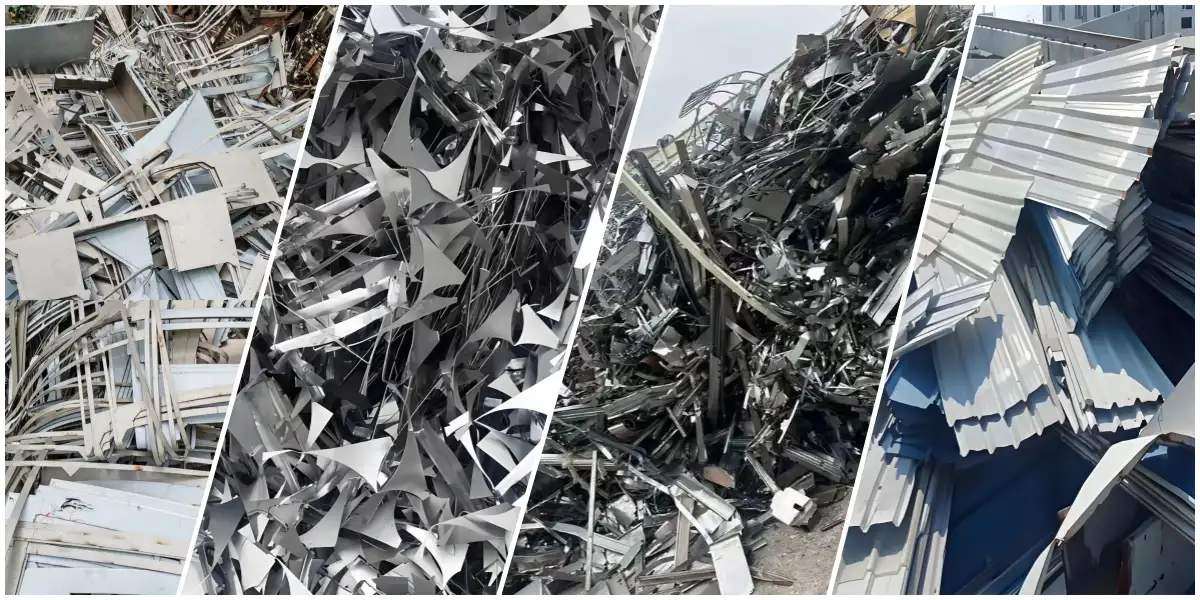
“Aluminum scrap” refers to discarded aluminum products generated during processes such as household consumption, industrial production, and building demolition. Examples include used aluminum products, packaging materials, automobile shells, and offcuts.
Why Recycle Aluminum Scrap?
Recycling aluminum scrap holds significant importance for the conservation of bauxite resources. Bauxite is a non-renewable resource, and the circular utilization of recycled aluminum can effectively postpone the mining and smelting of bauxite. According to relevant statistics, the energy consumption of secondary aluminum smelting is only 5% of that required for primary aluminum production, while also reducing greenhouse gas emissions by 95%. Furthermore, secondary aluminum offers a distinct cost advantage, with raw material costs amounting to only 30%–40% of those for primary aluminum, thereby providing a better profit margin.
TITAN's Recycling Solution for Aluminum Scrap
TITAN provides a comprehensive and well-developed recycling solution, detailed as follows:
Sorting
Aluminum scrap collected through various recycling channels varies considerably in quality and requires pretreatment first. Initially, the aluminum scrap must be sorted—either manually or using automated sorting equipment—to separate out impurities such as iron, plastic, and rubber, thereby facilitating subsequent processing operations.
Shredding
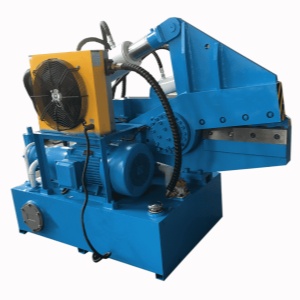
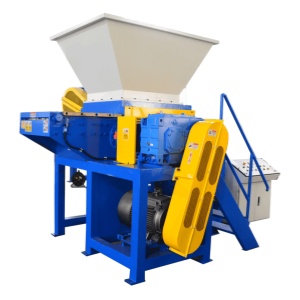
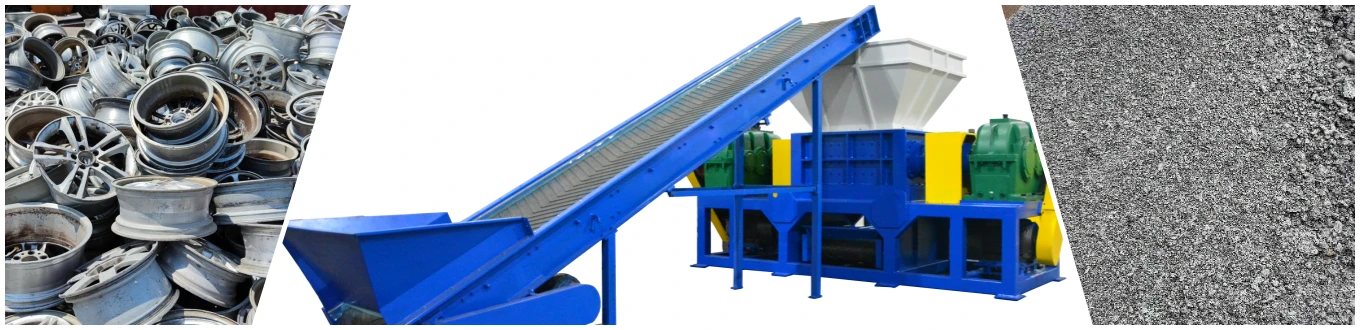
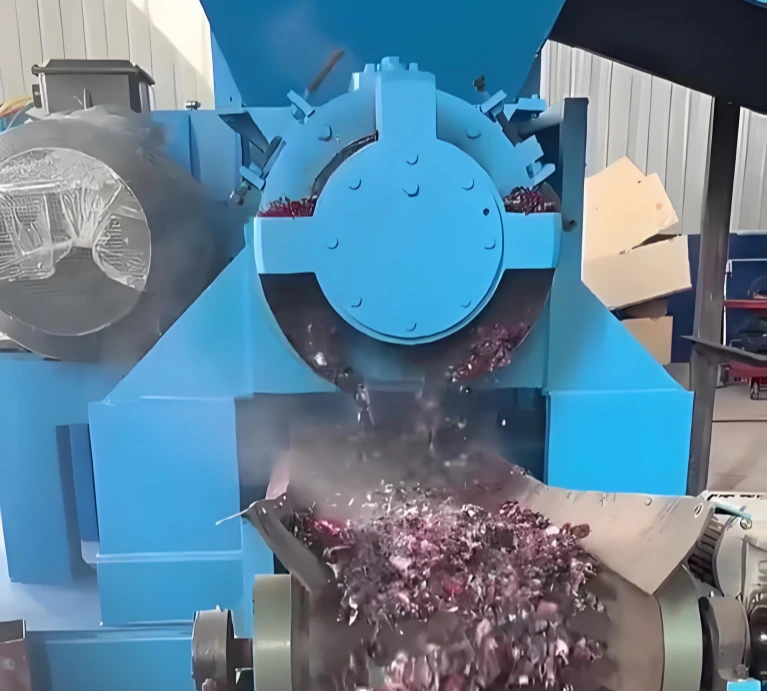
The aluminum scrap obtained after sorting needs to be further shredded. This process helps to further screen out impurities contained within the aluminum scrap. Subsequently, automated sorting equipment such as eddy current separators can be employed for additional purification. After this step, the resulting aluminum scrap achieves a relatively higher quality.
Baling or Briquetting
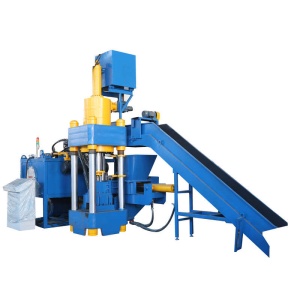
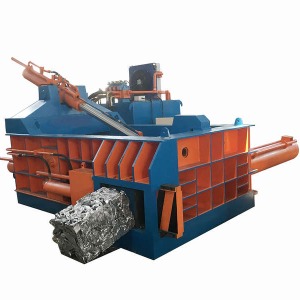
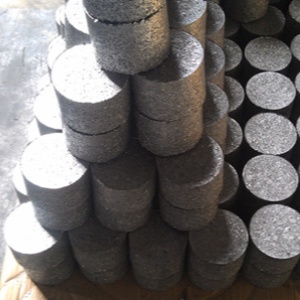
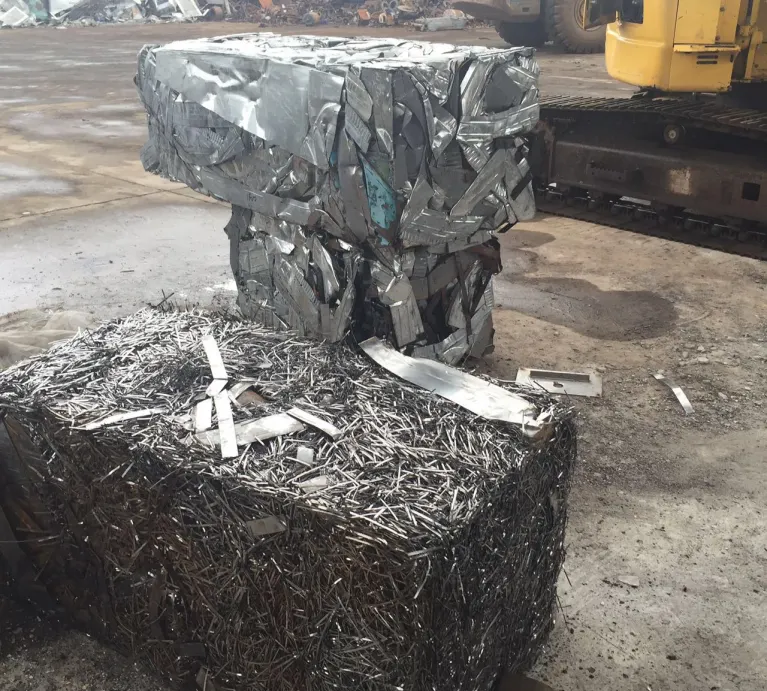
The aluminum scrap obtained after the above steps is generally in the form of chunks or even fine metal particles. At this stage, baling or briquetting can be employed to compress the aluminum scrap into regular shapes, facilitating storage, transportation, and furnace charging for smelting.
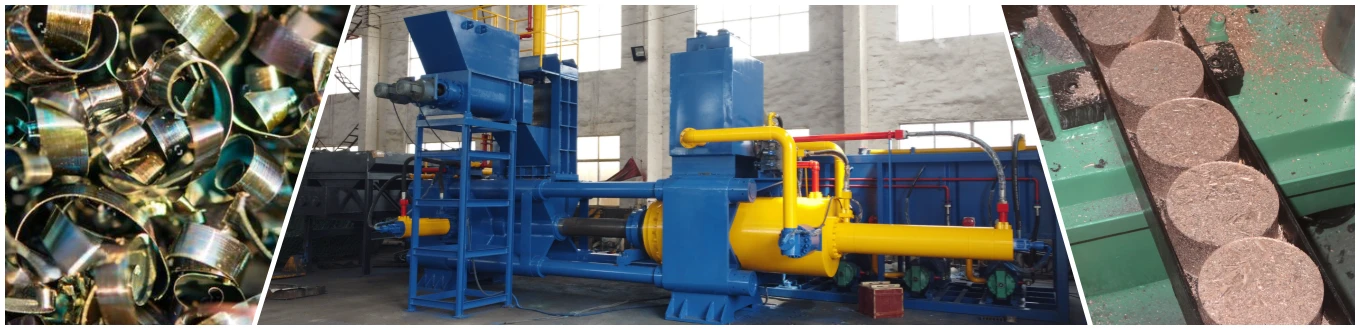
Smelting and Remanufacturing
Recycling plants can collaborate with processing facilities to establish a long-term supply of processed aluminum bales to those facilities. The processing plants can then recover and remanufacture the aluminum scrap through specialized techniques. This step represents the core of the entire recycling process. Once forged into aluminum ingots, the material can serve as raw stock for various aluminum products, thereby fulfilling the objective of resource recovery and utilization.
Advantages of the TITAN Solution
High Efficiency in Aluminum Scrap Processing
The entire treatment process, when aided by recycling equipment, significantly enhances the efficiency of aluminum scrap purification.
Reduced Labor Costs
In the sorting and shredding stages, the use of sorting equipment and metal shredders reduces labor costs to a certain extent. Particularly in the shredding stage, even if more manual labor were invested, the processing results would often fall short of those achieved by machinery.
Increased Profitability and Savings on Storage Space and Logistics Costs
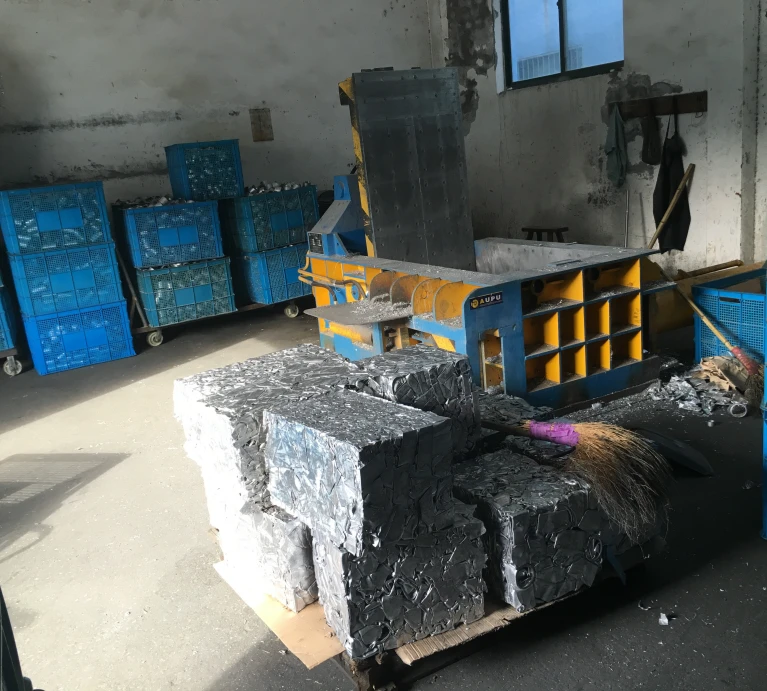
The finished products from the baling or briquetting stage substantially reduce the volume of the raw material, thereby saving storage space and lowering logistics transportation costs, ultimately improving overall profitability.
Enhanced Quality of Recycled and Remanufactured Aluminum
The quality of the final aluminum ingots is inseparable from the quality of the secondary aluminum. A rigorous and efficient aluminum scrap processing flow largely ensures that the quality requirements for secondary aluminum are met, making aluminum a metal with exceptionally high recycling value.
Project Cases
FAQ
Aluminum scrap can primarily be classified into new aluminum scrap, old aluminum scrap, raw aluminum, wrought aluminum, and mixed aluminum. Different types of aluminum scrap vary in form, and their recycling and processing solutions differ slightly.
The application areas of secondary aluminum are extensive and diverse. It can be used in new energy vehicle battery housings and wheel hubs; building materials such as door and window frames and curtain walls; and industrial components such as electrical enclosures and mechanical parts.