What Are Metal Chips?
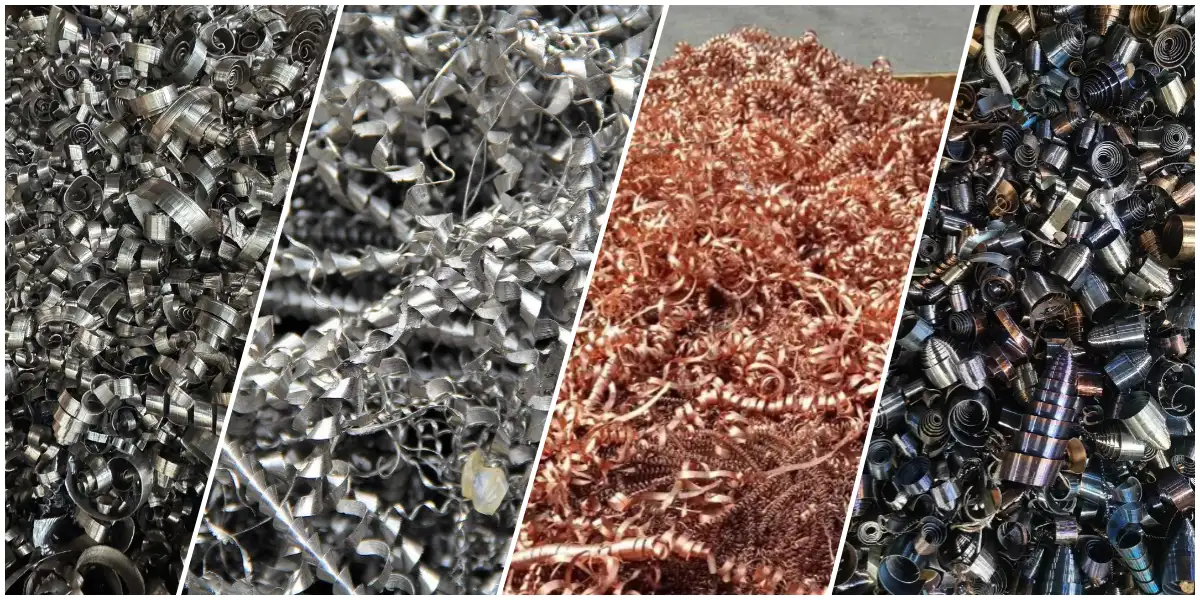
Metal chips are common byproducts generated during machining, milling, and turning processes. They appear in various forms—such as granular, block-like, stringy, or powdery—and exhibit a metallic luster. If left scattered, they not only occupy significant storage space but also create handling difficulties and reduce the efficiency of recycling and reclamation.
Why Recycle Metal Chips?
The recycling of metal chips holds significant value. On the one hand, it conserves primary mineral resources while reducing energy consumption and pollutant emissions. For businesses that generate metal chips, effective handling improves workplace safety, reduces storage space requirements, and increases the unit selling price of scrap metal. For recycling companies, metal chips can be transformed into reclaimed metal through specialized processing techniques, greatly enhancing the value of the raw material itself.
TITAN's Recycling Solution for Metal Chips
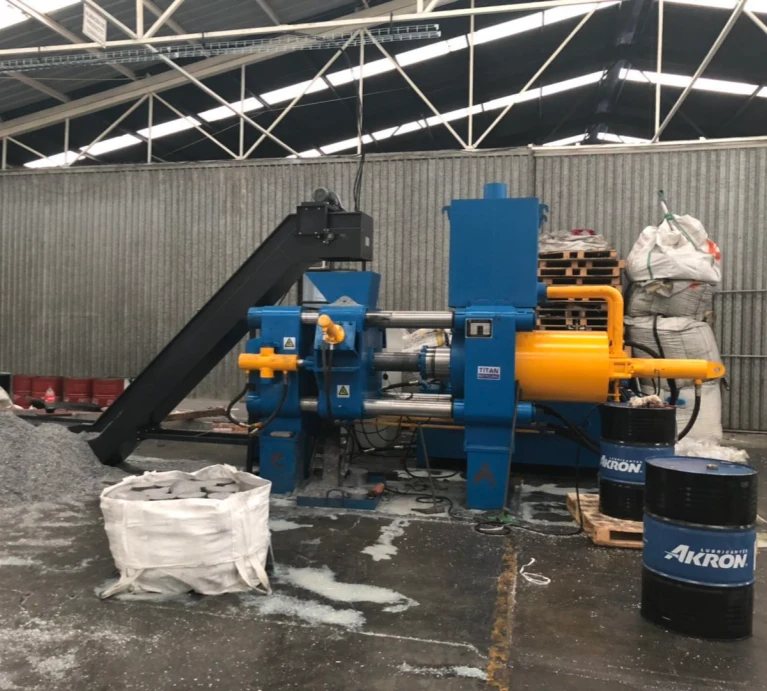
TITAN offers an advanced metal chip processing solution that compresses loose metal turnings into high-density briquettes.
Shredding
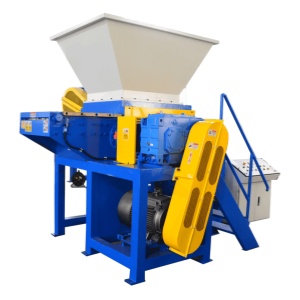
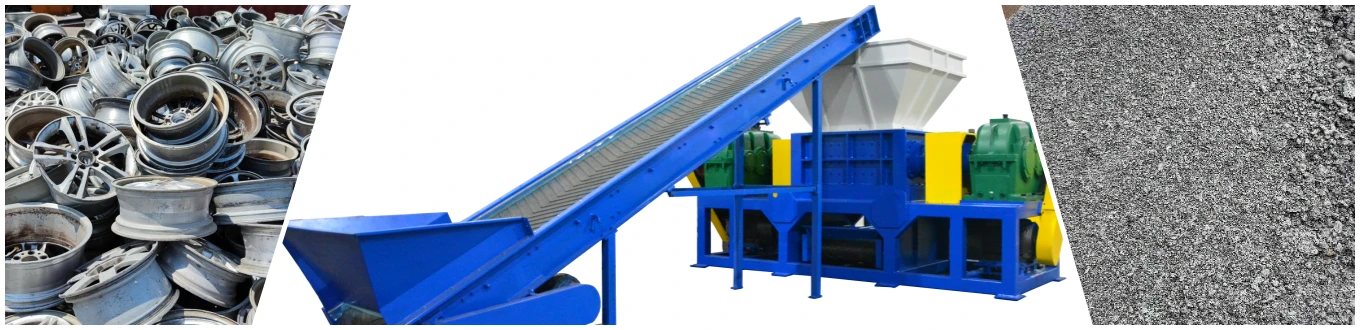
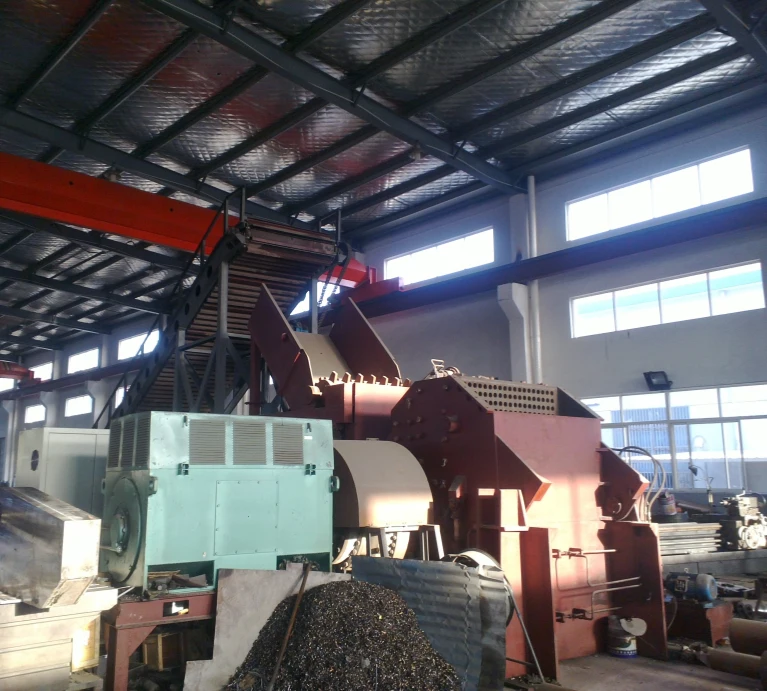
Due to the irregular shapes of metal chips, shredding is required before briquetting. After shredding, the irregular forms are reduced to small metal particles, facilitating subsequent processing. The shredding process can be carried out using a chip shredder. Workers feed the metal chips into the shredder's hopper, and after the machine operates, smaller metal particles are collected. For detailed operating procedures, please refer to:
Separating Cutting Fluids
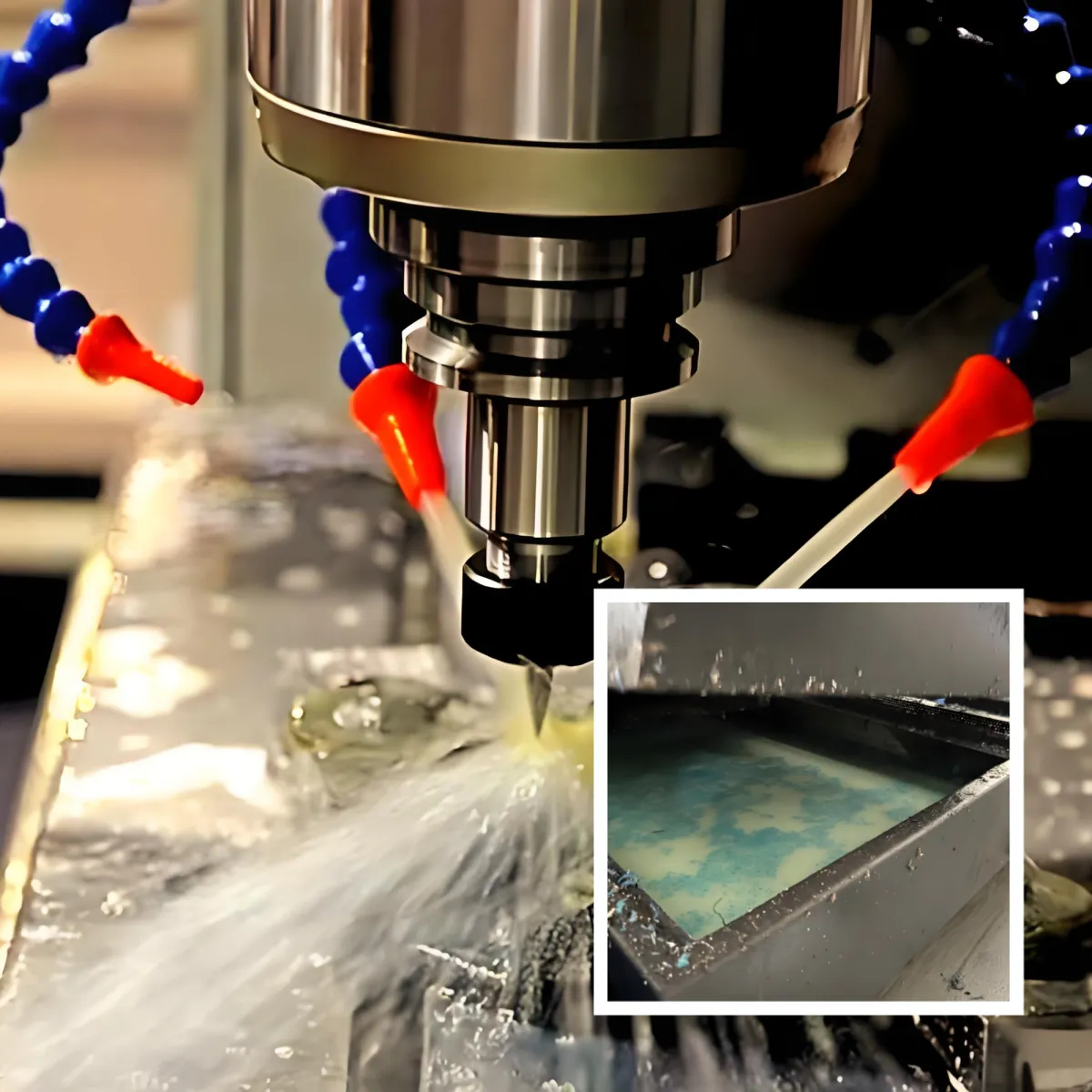
Large quantities of cutting fluids are typically used during metal cutting processes. These fluids accumulate along with the metal chips. Considering both economic and environmental requirements, TITAN provides a device to separate the fluids from the metal chips. During metal chip processing, the cutting fluids can be collected and, after further treatment, partially reused.
Separating Mixed Metals
Companies should develop the practice of separating metal scrap during machining processes—collecting copper, aluminum, stainless steel, etc., separately. For businesses that exercise such source separation, the complex step of mixed metal separation becomes unnecessary.
However, in some cases, different types of scrap metals become mixed at the source, making it necessary to separate them. In this process, TITAN achieves separation progressively by leveraging differences in particle size, density, magnetic properties, and surface chemistry. Preliminary separation of different metal chips has been achieved, although more complex scenarios remain under development.
Briquetting
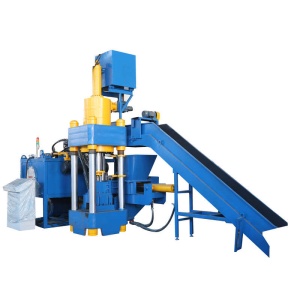
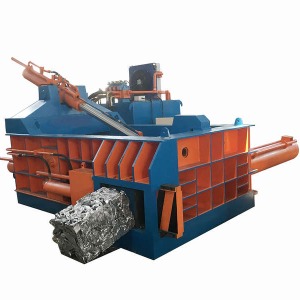
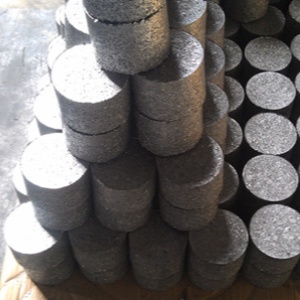
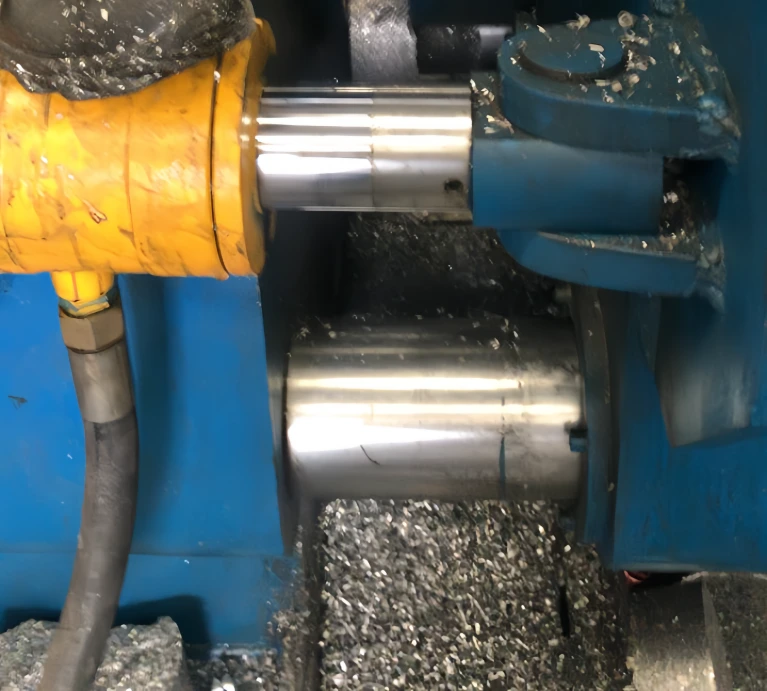
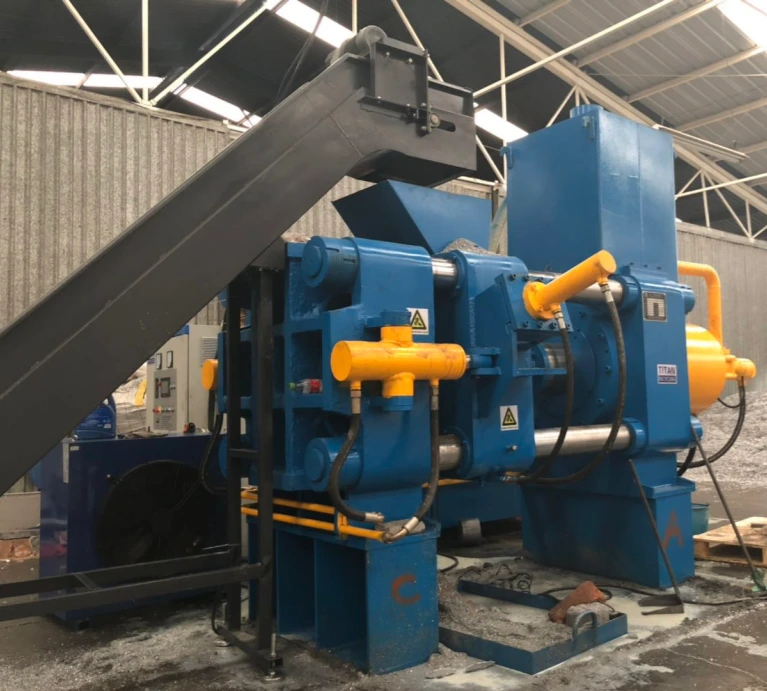
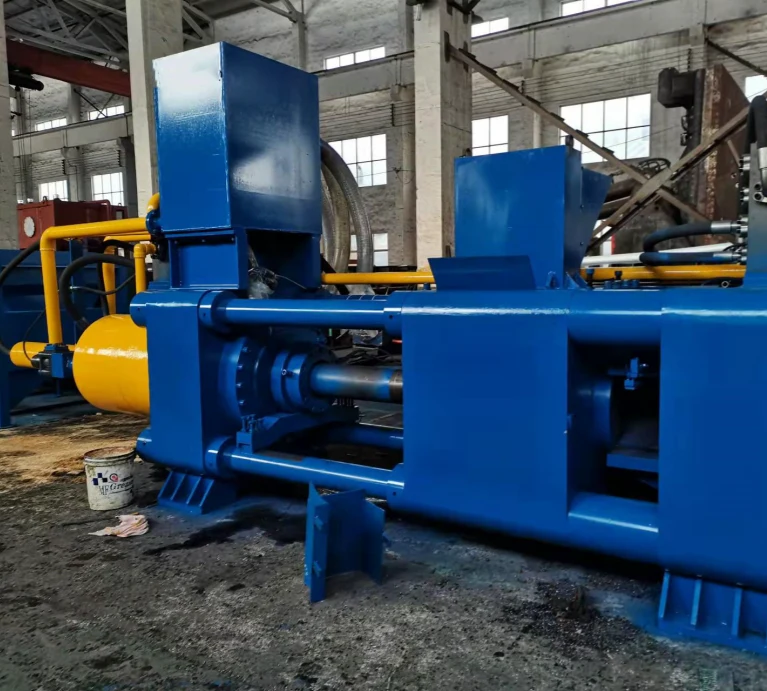
After the above steps, TITAN uses a metal briquetting press to compress different types of metal chips into high-density blocks, without the need for any binders. For the pressing process, please refer to: Briquetting Press
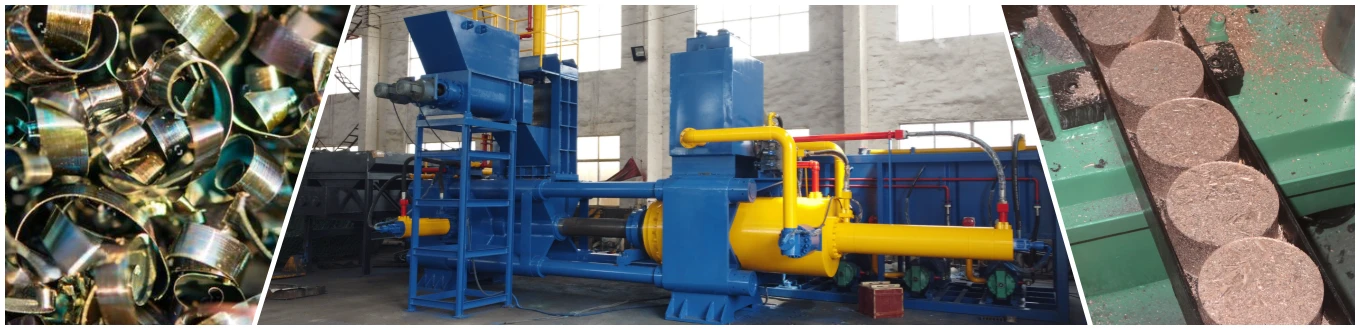
The above process not only simplifies storage and transportation but also increases the recycling value of scrap metal. By converting metal chips into reusable briquettes, manufacturers can save space, reduce waste, and recover valuable materials for secondary use.
Advantages of the TITAN Solution
Maintains a Clean and Safe Production Environment
Scattered metal chips can be collected systematically, preventing injuries such as cuts or abrasions caused by loose chips.
Saves Storage Space
By briquetting, the volume of chips is significantly reduced. A warehouse of the same area can store substantially more metal chips, thereby lowering overall scrap storage costs.
Recovers Cutting Fluids and Reduces Production Costs
The procurement of cutting fluids is an essential cost factor in production. Recovered cutting fluids, after appropriate treatment, can be reused to a certain extent, thereby reducing the cost of purchasing new cutting fluids.
Increases the Recycling Value of Scrap Metal
Loose scrap metal containing impurities and occupying large volumes typically commands a low recycling price. In contrast, briquetted metal blocks significantly enhance the value of the metal, achieving a higher selling price in the recycling market.
Project Cases
FAQ
This solution is suitable for aluminum chips, iron chips, copper chips, stainless steel chips, cast iron chips, as well as brass and bronze chips.
After compression using TITAN's metal briquetting press, the volume can typically be reduced by approximately 90%, while the density is significantly increased.