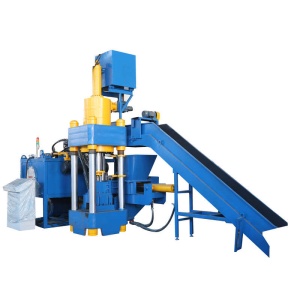
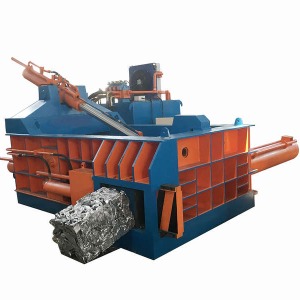
Scrap Metal Baling Machine
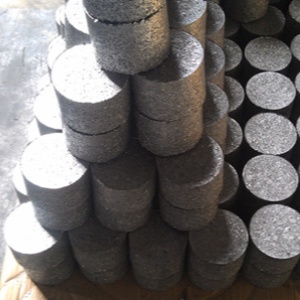
TITAN Scrap Metal Baling Machine is engineered for steel mills, recycling facilities, and ferrous and non-ferrous smelting operations. It efficiently compresses various metal scraps — including steel, copper, aluminum, stainless steel, and end-of-life vehicles — into dense rectangular, cylindrical, octagonal, or custom-shaped bales. This process optimizes transportation costs, minimizes storage footprint, and reduces smelting loss, delivering higher operational and material value.
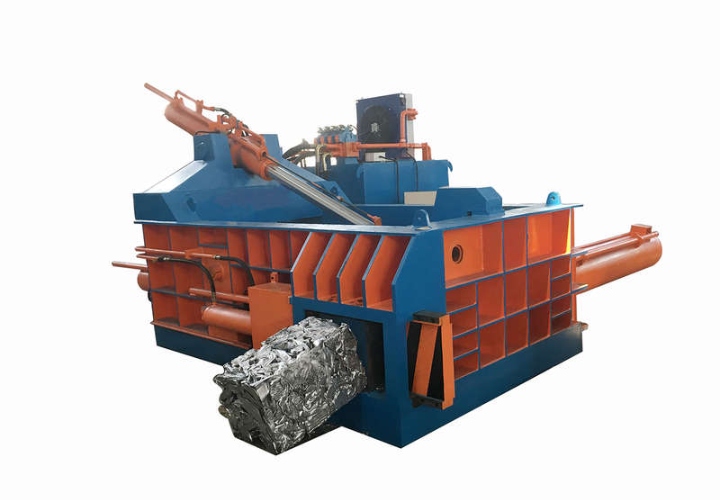
Product Features(Y81 Series)
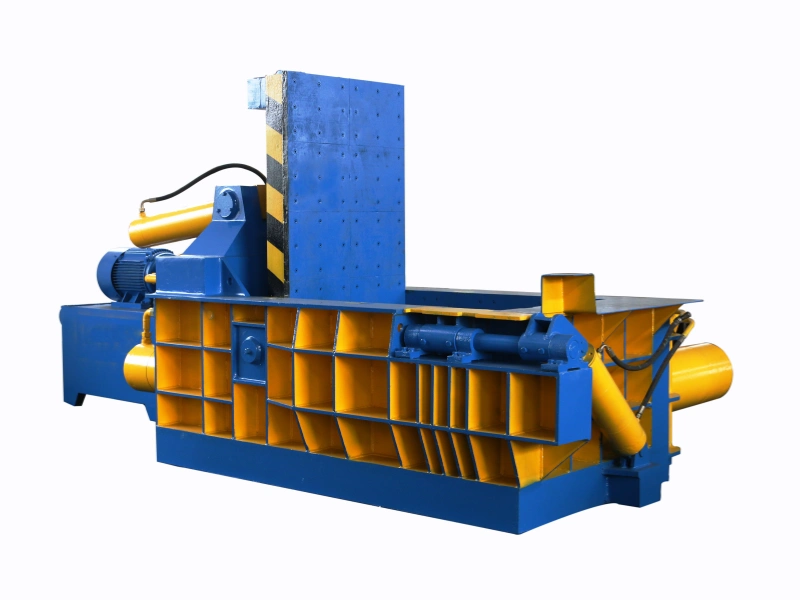
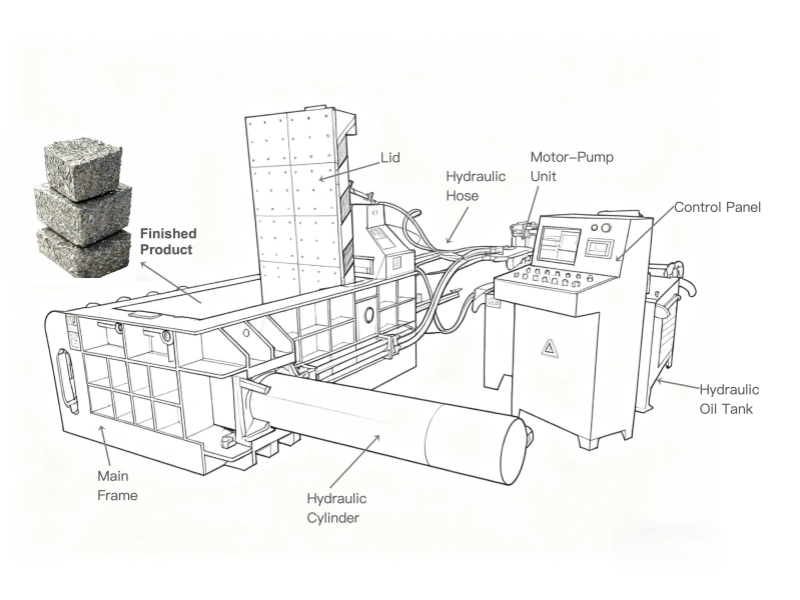
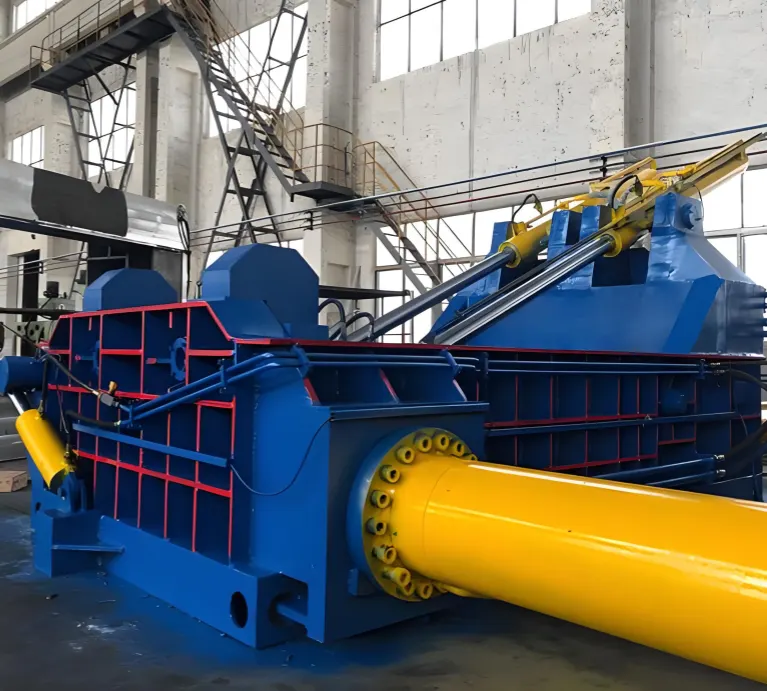
TITAN Y81 series hydraulic baler is available in nine standard models, with customized designs also offered to meet specific client requirements. All components in contact with raw scrap are lined with high-strength wear-resistant plates (Hardox), and dual-side knives integrated into the compression chamber cut oversized scrap during baling. Built with a solid welded construction, the machine ensures reliable continuous operation across a wide range of scrap types, from light to heavy materials.
Flexible Discharge
Hydraulically driven with multiple discharge methods (tilting, pushing, or manual) for various working conditions.
Easy-Feed Hopper
Rotating lid with large hopper opening facilitates feeding of bulky, lightweight materials.
High-Density Baling
High pressure produces dense, uniform bales for smooth and efficient operation.
Simple & Safe Control
Manual steering valve ensures convenient and safe operation.
Easy Installation & Drive
No anchor bolts required; optional diesel drive for off-grid use.
Wide Performance Range
Available in 60–1000 tons and 0.5–30 t/h to meet diverse needs.
Customizable Sizes
Hopper and bale sizes can be customized as required.
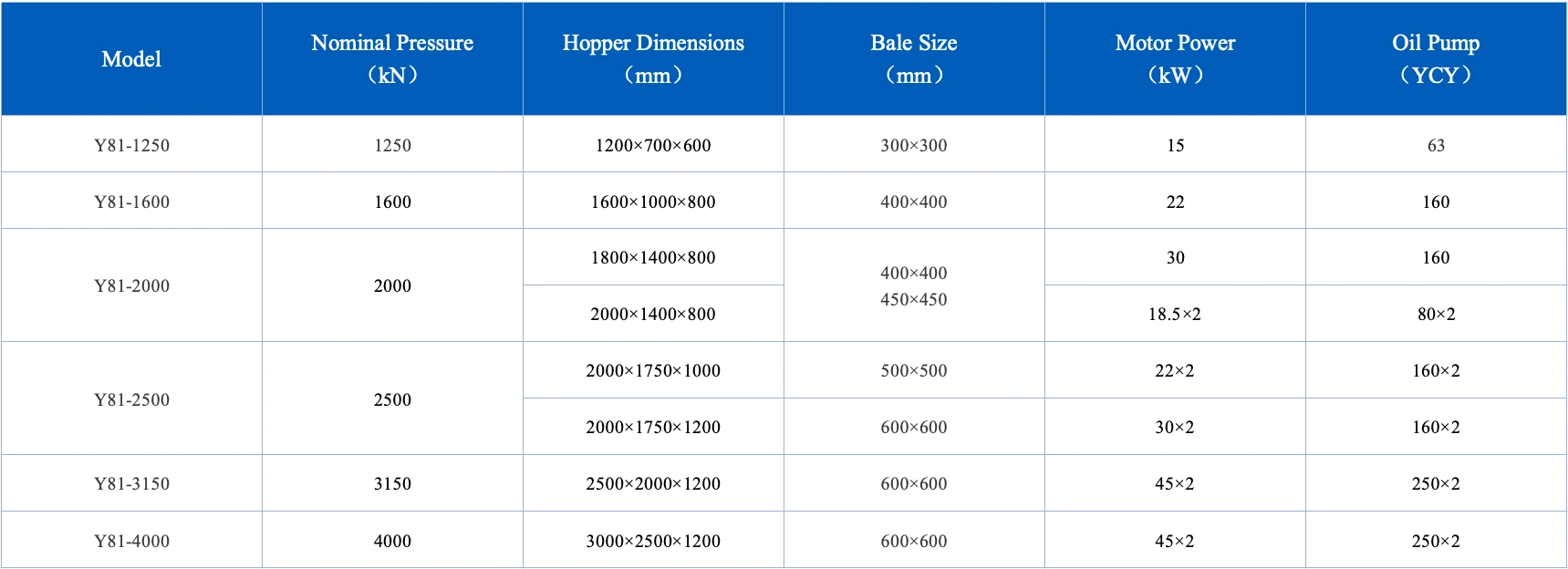
Technical Parameters
Applicable Materials & Scrap Types
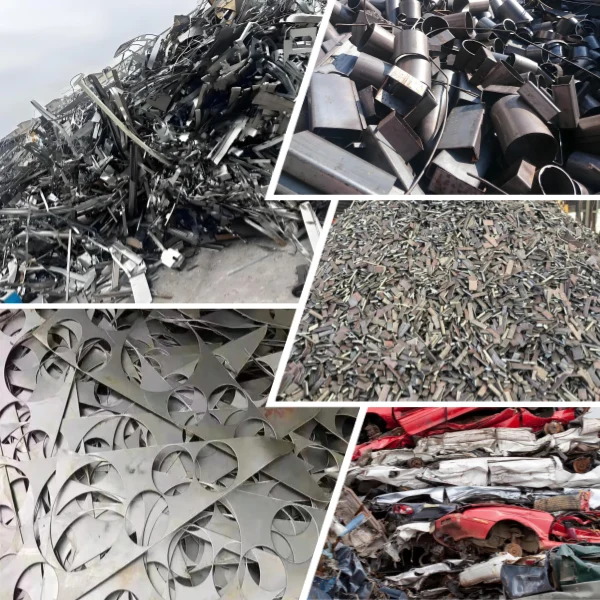
Light-Gauge Scrap
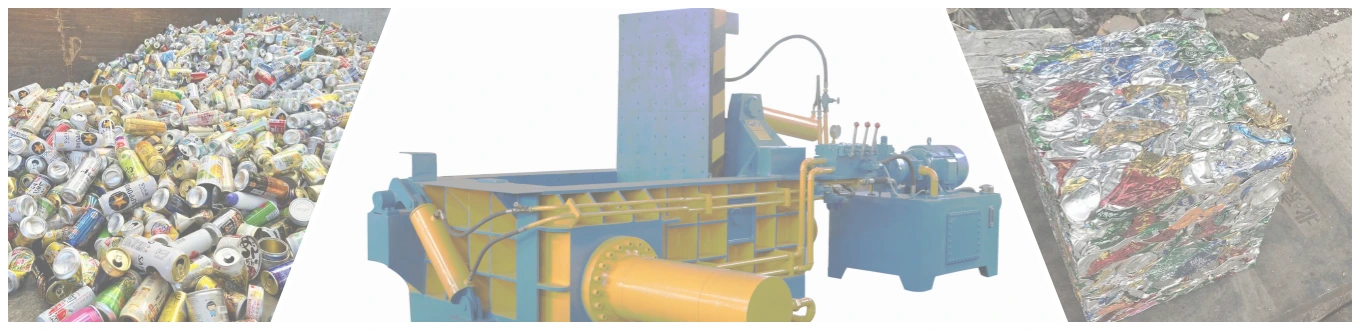
Thin and lightweight metal scrap generated from manufacturing, fabrication, and packaging industries. These materials typically have low density and large volume, making them ideal for compaction and bundling with a baling machine to reduce storage space and improve transport efficiency.
e.g., sheet metal offcuts, aluminum cans, tin cans, color steel tiles, thin metal panels.
Medium Structural Scrap
Medium-sized structural metal scrap commonly produced during construction, dismantling, and industrial fabrication processes. Baling helps consolidate irregular shapes into dense bundles, improving handling, stacking, and logistics efficiency.
e.g., used steel profiles, metal frames, light structural beams, dismantled steel structures.
Heavy Scrap Metal
Dense and thick metal scrap typically generated from heavy manufacturing, demolition, and metal processing industries. These materials often require high compression force to form compact bundles for easier storage and transportation.
e.g., reinforcement bars (rebar), thick steel plates, large metal stampings, heavy machine components.
Other Metal Solid Waste
Various types of mixed or irregular metal waste generated from workshops, recycling centers, and industrial facilities. Baling machines help organize these scattered materials into compact bundles, improving site cleanliness, material handling efficiency, and recycling value.
e.g., mixed metal scrap, small metal parts, machining leftovers, dismantled metal components.
Economic Benefits of Scrap Metal Baling
Increased Density, Reduced Metal Loss
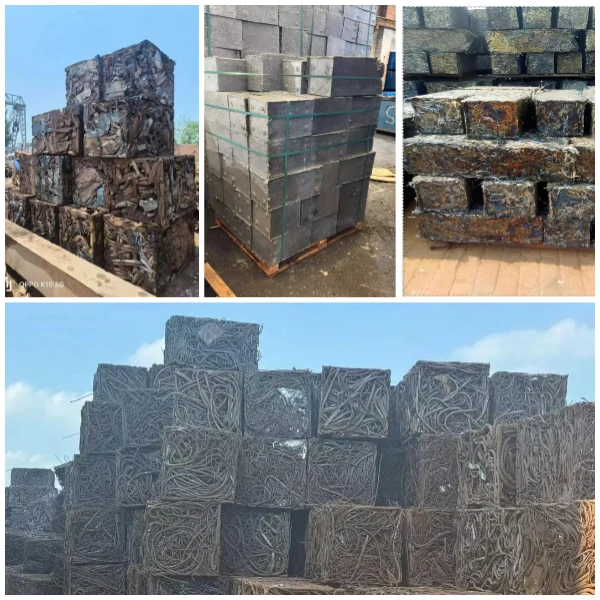
Compressing loose scrap into high-density bales reduces oxidation and material loss during melting. More metal is retained throughout the smelting process, resulting in higher yield and improved overall recovery rates, especially for light and thin scrap materials.
Reduced Volume, Lower Logistics Costs
Baling significantly decreases the volume of scrap, making it easier to store, stack, and transport. Higher loading efficiency per shipment reduces transportation frequency and costs, while also minimizing on-site storage requirements and improving yard management.
Optimized Smelting, Improved Efficiency
Uniform and compact bales enable more stable furnace feeding and better heat distribution. This helps shorten melting cycles, lower energy consumption, and increase processing efficiency, contributing to more consistent and cost-effective smelting operations.
How the Scrap Metal Baling Machine Works
The metal baling machine applies hydraulic pressure to compress loose metal stamping scrap into dense bales without any binders.
Main steps include:
Feeding
Stamping scrap and offcuts are loaded into the baler chamber.
Compression
The hydraulic system applies strong pressure to compact the scrap.
Bale Ejection
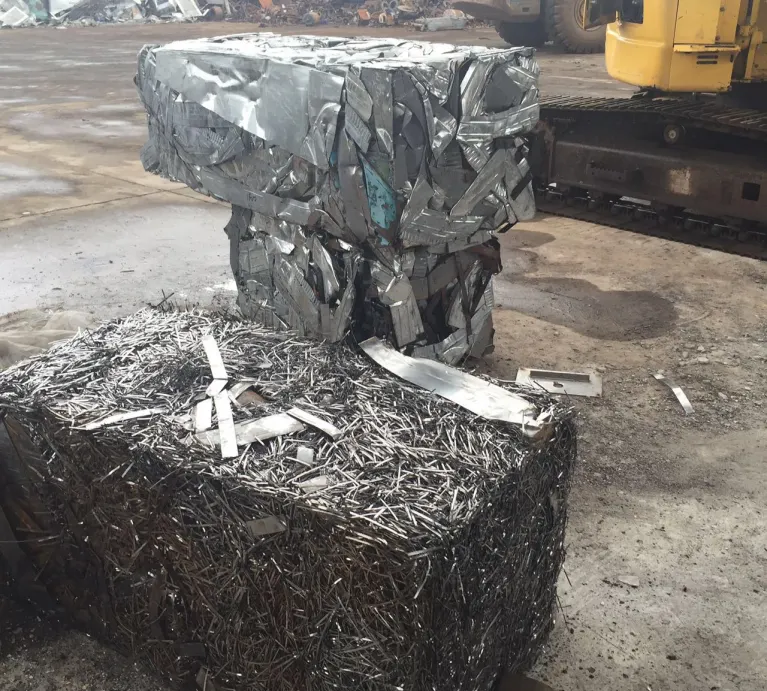
Finished metal bales are automatically discharged and ready for transport or smelting.
This process reduces the scrap volume by up to 80–90%, greatly improving handling and recycling efficiency.
Working video
The scrap metal baling machine is widely used in scrap yards, recycling centers and metal processing plants. It can be integrated into existing recycling lines for continuous scrap handling.
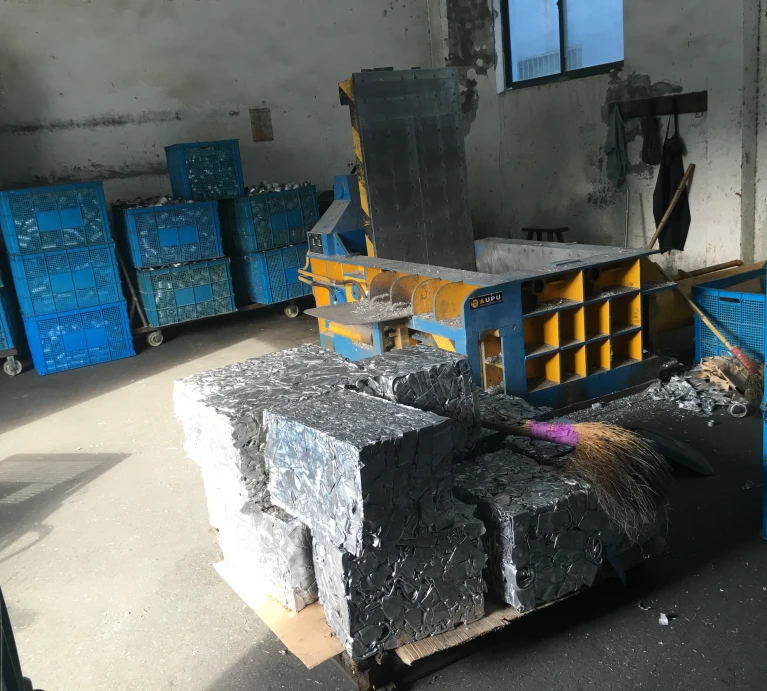
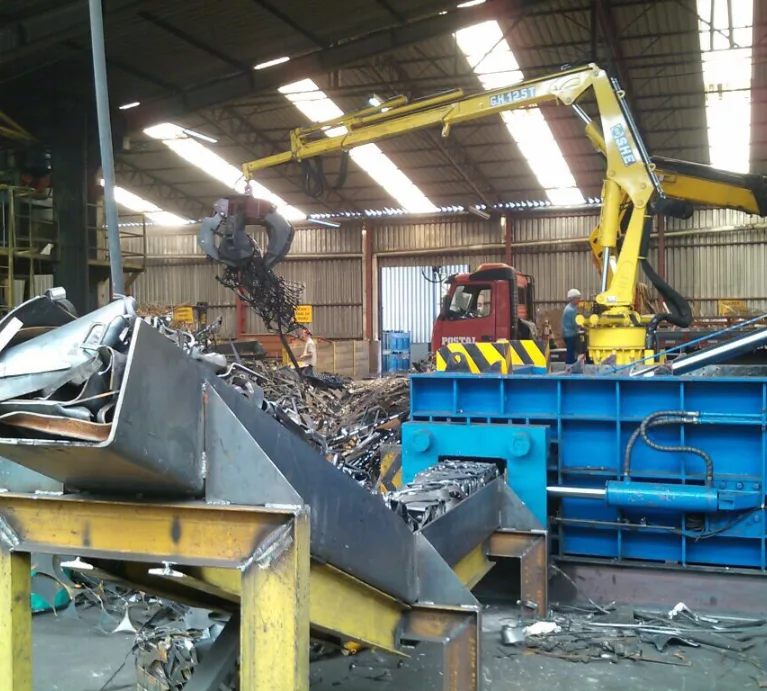
Working Scenes & Project Cases
FAQs About Scrap Metal Baling Machine
Light scrap, HMS steel scrap, stamping scrap and mixed metal scrap.
Bale size can be customized according to your handling and transportation requirements.