Scrap Metal Shearing Machine
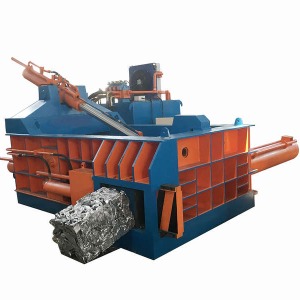
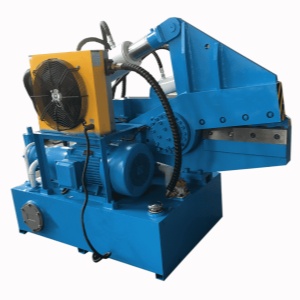
TITAN Scrap Metal Shearing Machine is designed for recycling companies, scrap steel plants, automobile dismantling facilities, and smelting and casting industries. It cleanly cuts section steel and metallic structural parts, delivering uniform, furnace-ready scrap that optimizes smelting efficiency and material yield.
Product Features(Q Series)
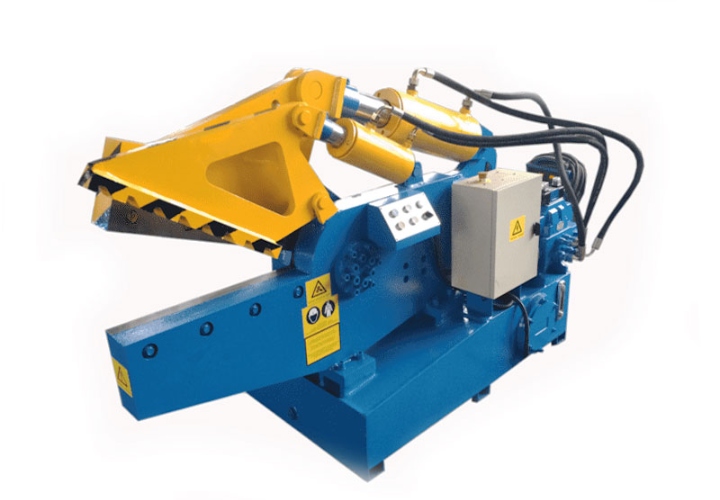
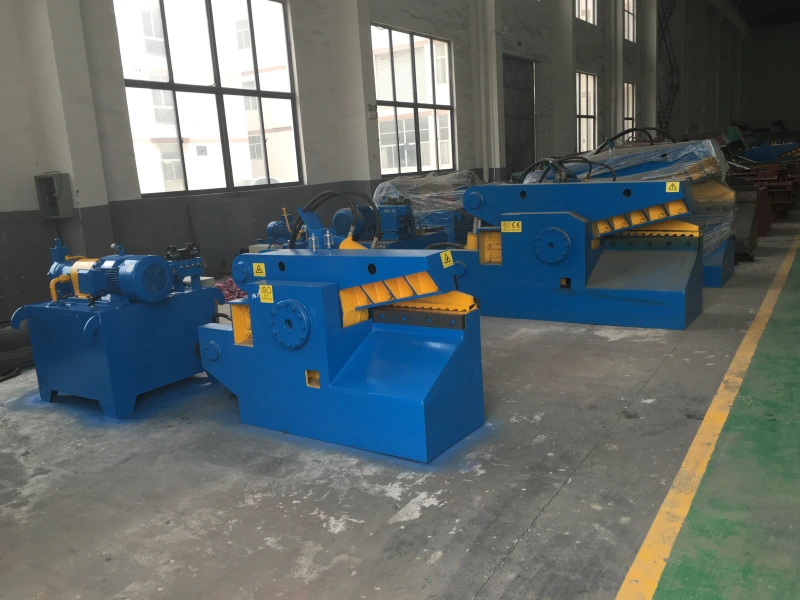
Q series scrap metal shearing machines comprise three primary models: the Q43 Alligator Shear, Q15 Guillotine Shear, and Q91 Heavy-Duty Guillotine Shear. Equipped with various auxiliary components, this series is engineered to process a wide range of materials—from light scrap to heavy structural sections such as beams and steel rails.
Superior Hydraulic Performance
Compact and quiet hydraulic system ensures smooth operation with overload protection. Features a large cutting surface and easy blade adjustment.
Flexible Control
Manual and automatic modes enable operation start/stop at any position with adjustable cutting size for optimal efficiency.
Energy-Efficient Design
Optimized parameters minimize energy consumption, ideal for furnace charge preparation in metal recycling and mini-mills.
Wide Model Range
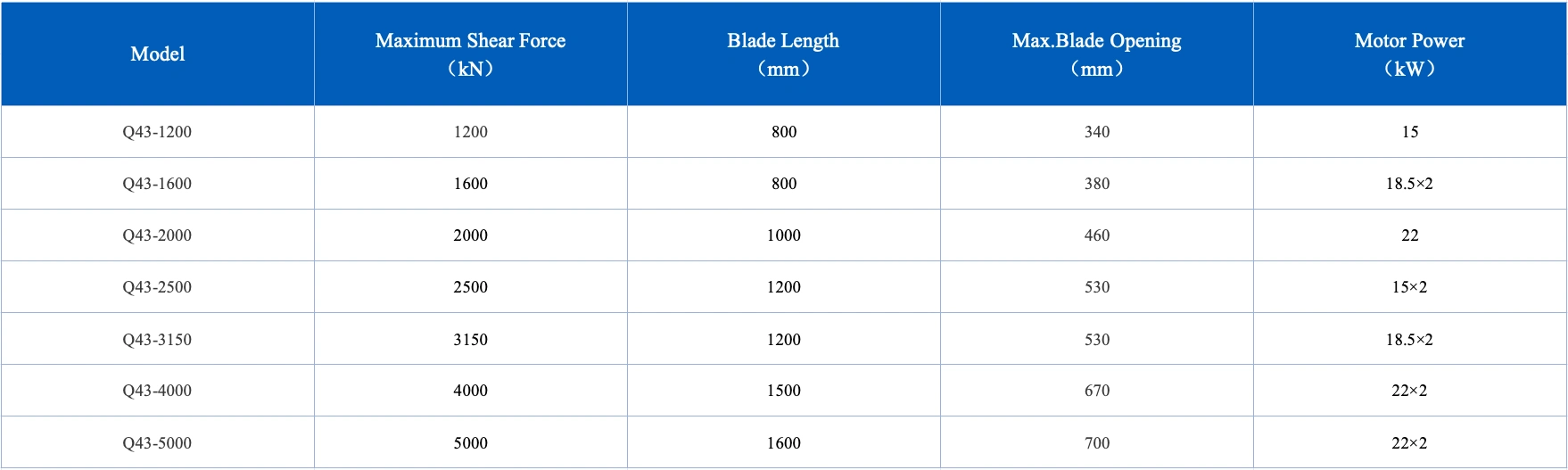
9 shear force levels (60–500 tons) and blade lengths from 400mm to 1600mm to meet diverse requirements.
Rapid Cutting Mode
Special rapid models automatically switch speeds for larger materials without extra power, doubling efficiency while maintaining full force.
Technical Parameters
Applicable Materials & Scrap Types
Metal Structures
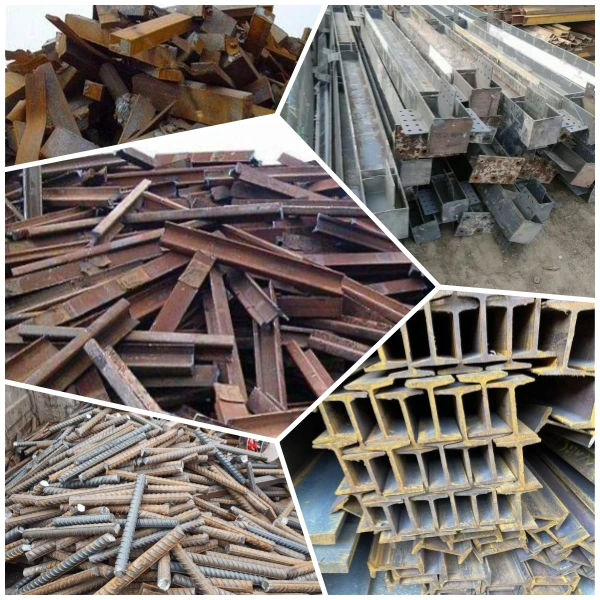
Large and rigid metal scrap generated from construction, demolition, and industrial dismantling projects. These materials are typically long, bulky, and difficult to handle, making them ideal for processing with a scrap shearing machine to reduce size, improve handling efficiency, and prepare for downstream recycling or melting.
e.g., steel structures, metal profiles, reinforcement bars (rebar), steel beams, vehicle frames.
Vehicle Components
End-of-life vehicle (ELV) parts and automotive scrap that contain a mix of light and heavy metal components. A scrap shearing machine can effectively cut these irregular and complex structures into smaller, manageable pieces, facilitating transportation and improving furnace charging efficiency.
e.g., car bodies, chassis parts, rims, bicycles, dismantled vehicle components.
Rubber & Metal Composite Waste
Composite waste materials that combine metal and non-metal elements, commonly found in recycling operations. Shearing helps separate or reduce the size of these materials, making them easier to process in subsequent recycling stages.
e.g., waste tires with steel wire, rubber-metal assemblies, reinforced industrial components.
Other Metal Solid Waste
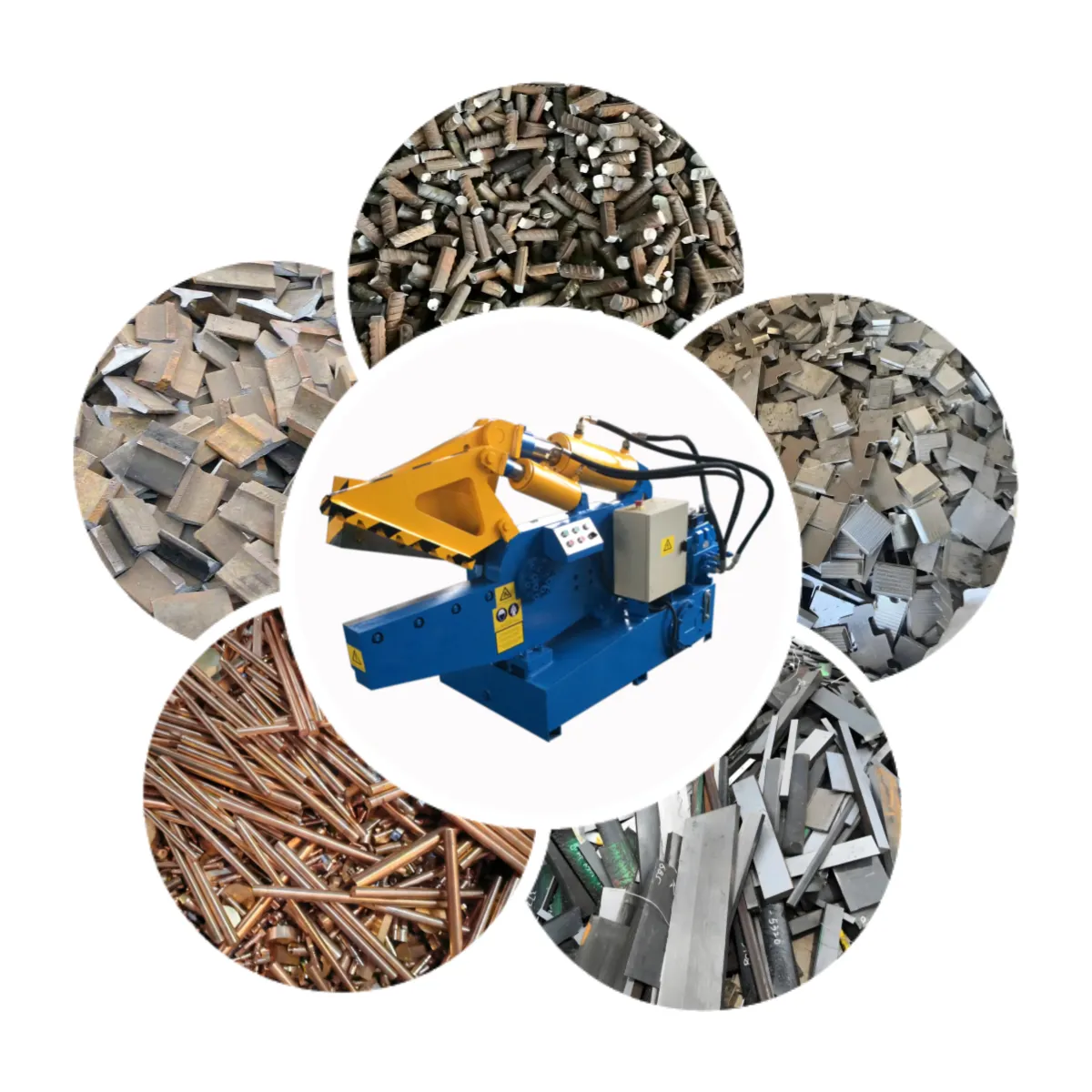
Various types of irregular or mixed metal scrap generated from workshops, recycling centers, and manufacturing facilities. Scrap shearing machines help standardize material size, improve handling efficiency, and optimize loading density for transport and furnace use.
e.g., mixed scrap metal, small metal parts, offcuts, dismantled machinery components.
Economic Benefits of Scrap Metal Shearing
Value-Added Material Processing
Scrap metal shearing transforms oversized and irregular scrap into uniform, furnace-ready material that meets smelting requirements. This improves material consistency and cleanliness, allowing recyclers to sell directly as qualified furnace charge, reducing intermediate processing steps and increasing overall material value.
Optimized Smelting Efficiency
Precisely sheared scrap ensures better furnace loading and more stable melting conditions. The controlled size and shape enable more efficient heat penetration, shorten melting cycles, and reduce energy consumption. This leads to lower operating costs and improved productivity in downstream smelting processes.
Reduced Storage & Transport Costs
By cutting bulky scrap into compact and manageable sizes, shearing significantly reduces material volume and improves stacking efficiency. This allows for higher loading capacity per shipment, lowers transportation frequency, and minimizes storage space requirements, resulting in substantial logistics savings.
How the Scrap Metal Shearing Machine Works
TITAN heavy metal scrap shears use powerful hydraulic force to cut metal scrap quickly and precisely.
The operation involves three stages:
Feeding
Heavy metal scrap is placed onto the shear’s working table.
Cutting
The hydraulic blades slice through thick metal with high pressure.
Discharging
Cut materials are automatically released for easy handling or further processing.
Our shear machines can handle up to 800–1200 tons of cutting force, depending on model and material type.
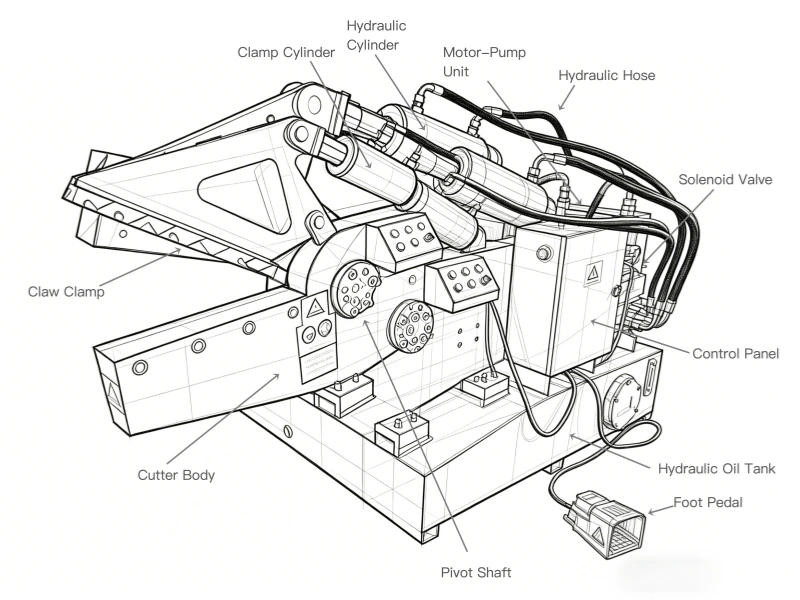
Working video
The scrap metal shearing machine is widely used in scrap yards, demolition sites and metal recycling plants. It is commonly applied as a pre-processing step before baling, shredding or furnace charging.
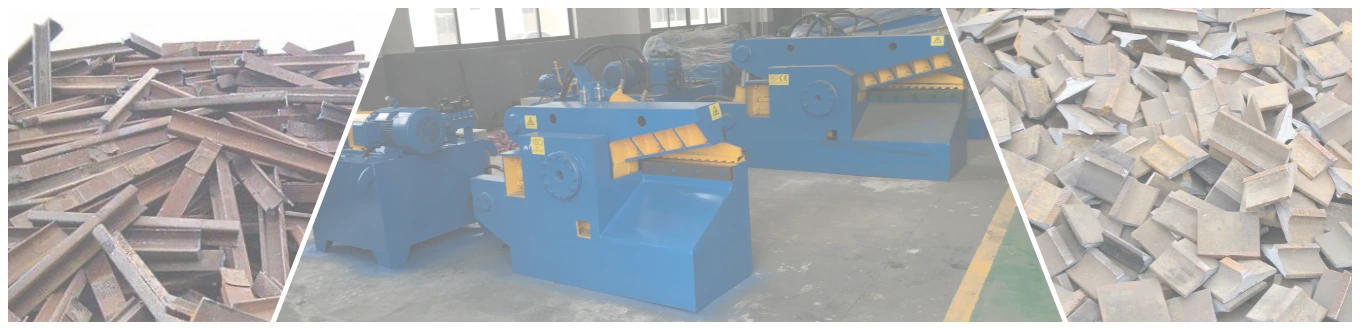
Working Scenes & Project Cases
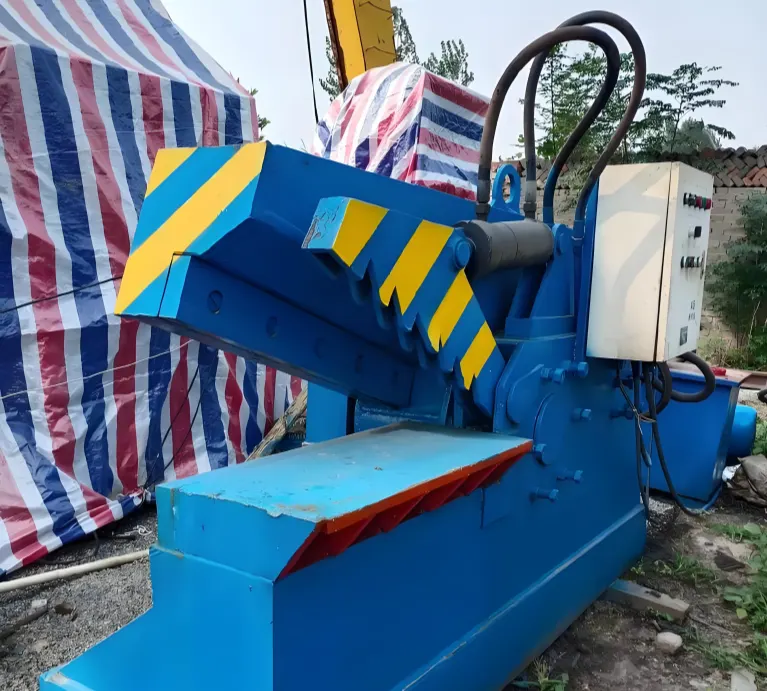
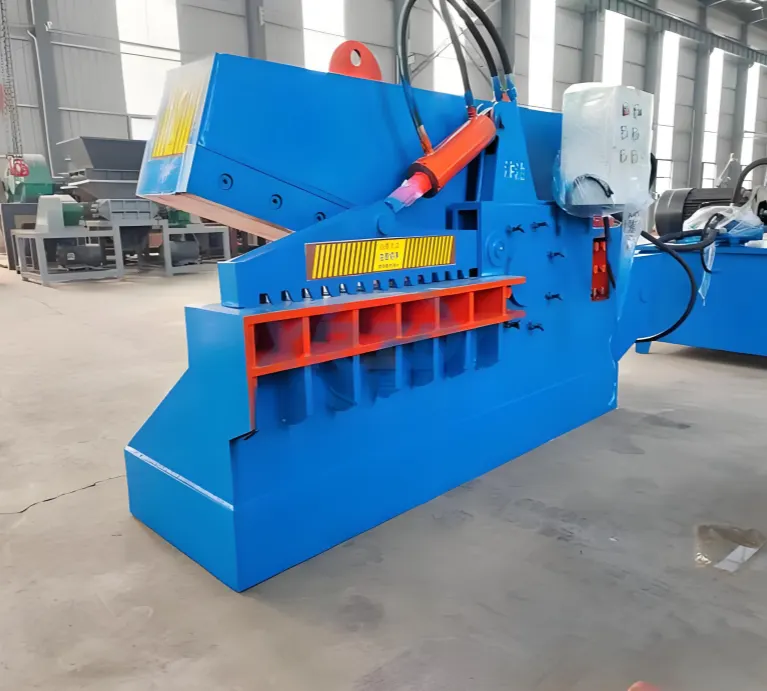
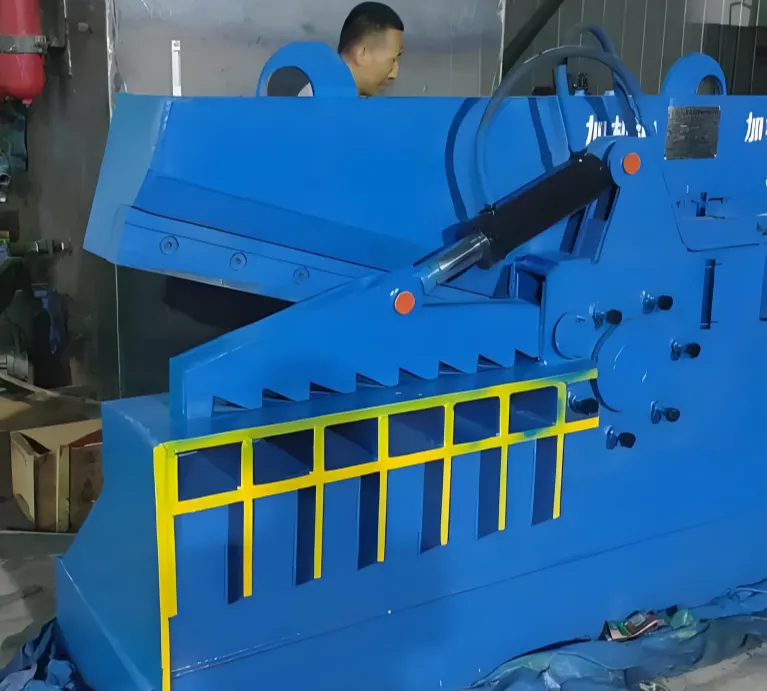
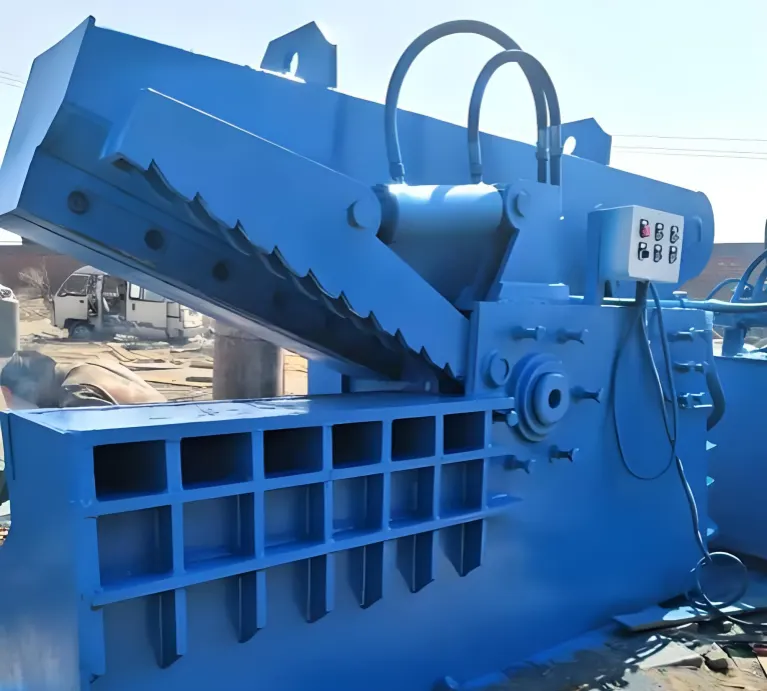
FAQs About Scrap Metal Shearing Machine
Steel bars, pipes, profiles, light and medium scrap metal, and non-ferrous scrap within capacity limits.
Yes, blade size, cutting force and feeding configuration can be customized according to your processing needs.