
Copper Scrap Recycling Solutions
Explore how copper scrap type, form, contamination and downstream requirements determine the appropriate recycling and preparation route.
View DetailsScrap metal varies significantly in form, metal type, size, density, liquid content, and downstream processing requirements. Based on the actual scrap conditions, processing capacity, and target output, TITAN designs an appropriate processing route that may involve scrap shearing, shredding, scrap metal baling, or briquetting.
You do not need to select equipment first. Start with your scrap characteristics, metal type, or the industry where the scrap is generated to find a processing solution that matches your requirements.
Find solutions based on the form, size, and actual condition of your scrap.
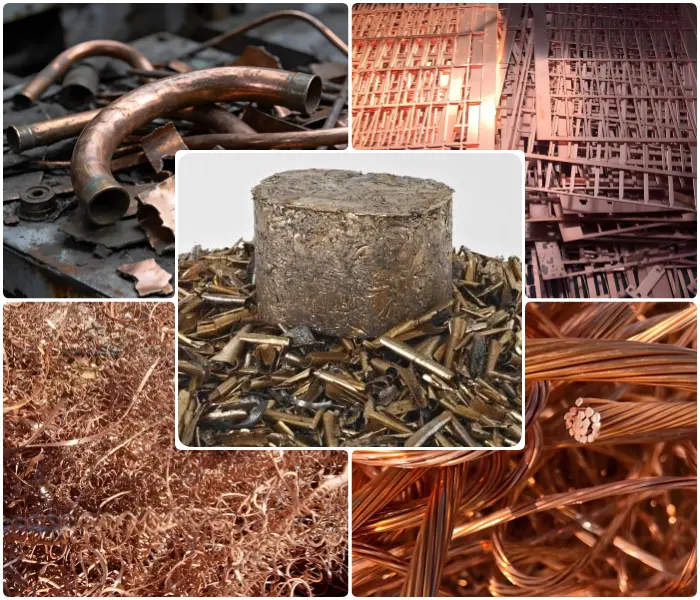
Explore how copper scrap type, form, contamination and downstream requirements determine the appropriate recycling and preparation route.
View Details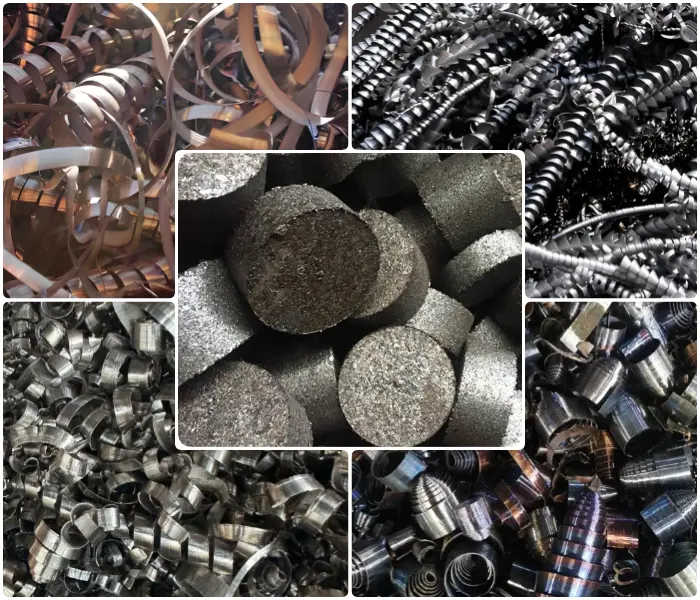
Evaluate metal type, chip form, liquid content, contamination, and safety before selecting direct briquetting or the necessary pretreatment route.
View Details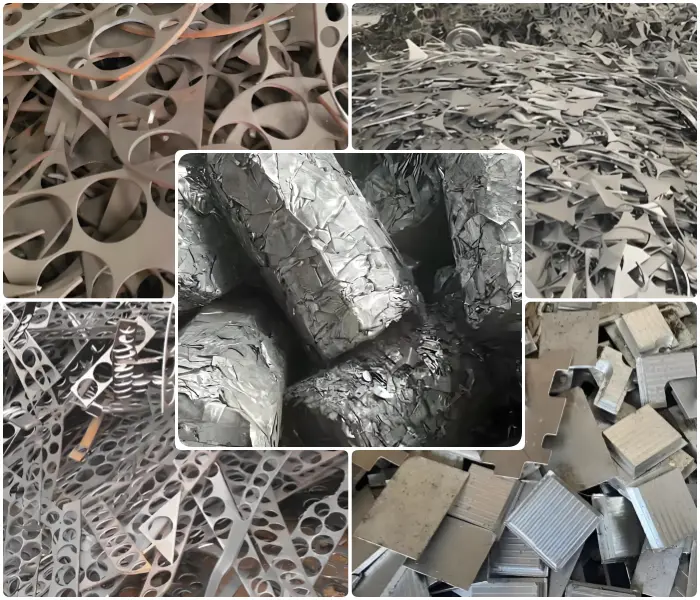
Plan how stamping scrap moves from the production point through collection and conveying to central handling and downstream recycling.
View Details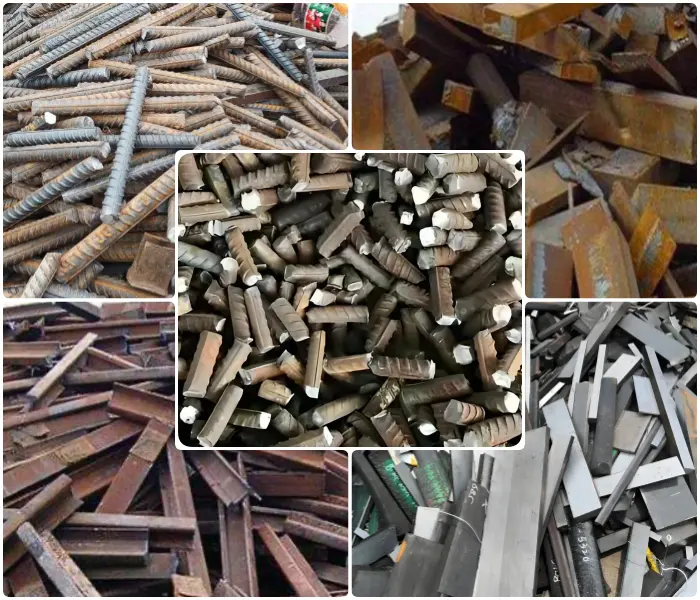
Evaluate length, cross-section, overall form, and downstream target size to determine whether heavy scrap needs direct shearing, pretreatment, or no further size reduction.
View Details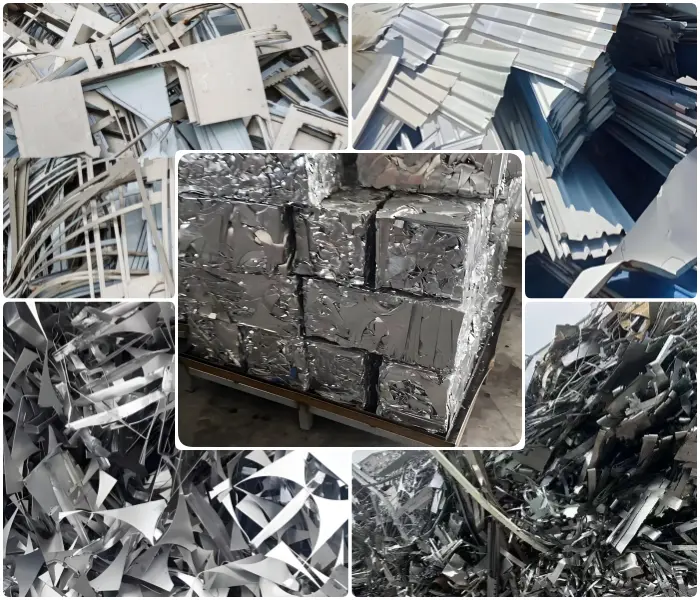
Explore how alloy type, scrap form, dimensions, liquid content and downstream needs determine the right aluminium scrap processing route.
View Details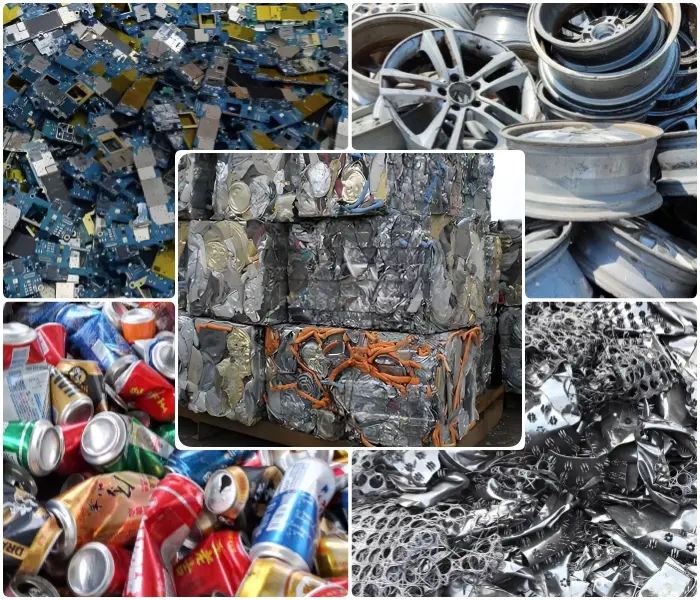
Determine whether the main issue is excessive bulk volume or unsuitable piece size, then choose baling, shredding, or the required sorting route.
View DetailsScrap processing conditions are often determined by multiple factors. If there is currently no corresponding solution under the selected category, provide your scrap material, form, size, required throughput, and target output. We will assess the appropriate processing method based on your actual operating conditions.
A recycling solution is not a fixed combination of equipment. We first confirm the actual scrap conditions and processing objectives, then determine the appropriate processing method, equipment specifications, and supporting configuration.
We assess the scrap material, size, and form, including whether it is loosely packed, as well as the presence of oil, liquid, or other conditions that may affect processing.
We confirm the processing objective—whether it is scrap shearing, shredding, volume reduction, compaction, briquetting, or other material preparation—and the required final output form.
Based on the expected throughput, feeding method, operating cycle, site conditions, and upstream and downstream integration requirements, we determine the processing capacity required for the solution.
Based on the conditions above, we select the appropriate equipment type, specifications, and necessary supporting configuration so that the equipment matches the actual scrap and production process.