Chip Geometry
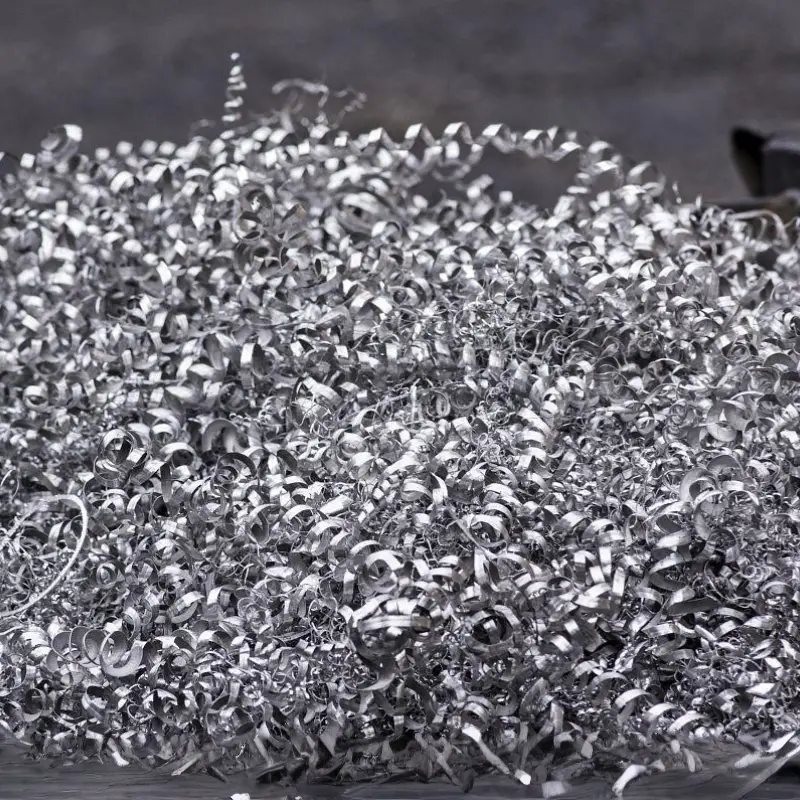
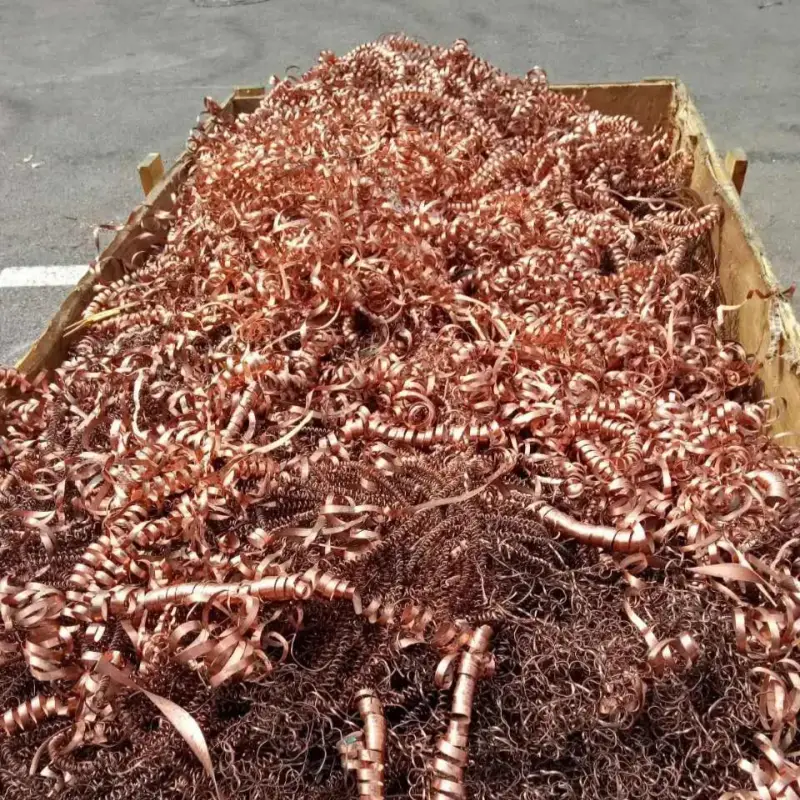
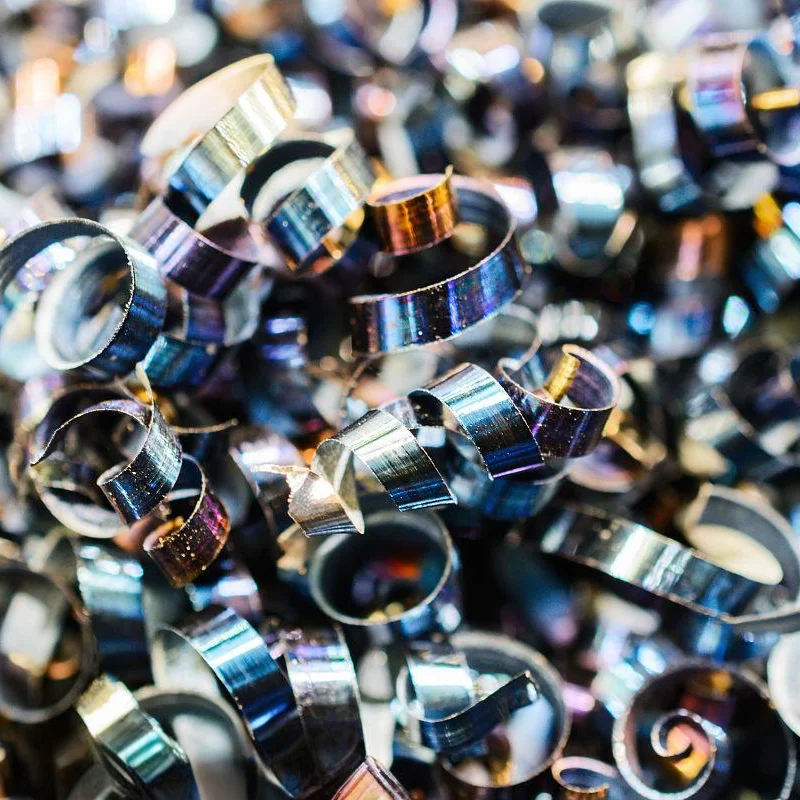
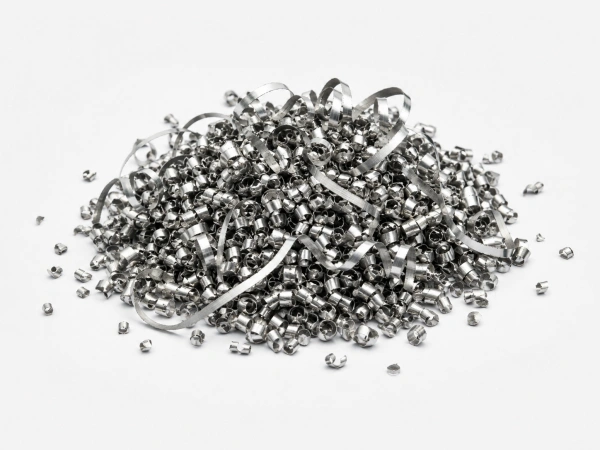
Short, free-flowing chips are generally easier to feed consistently. Long stringy turnings and tangled chips require closer assessment of their feeding behavior and may need pre-treatment.
TITAN metal chip briquetting machines compact loose metal chips, metal turnings, and other fine metal scrap into dense, uniform briquettes. The compacted material takes up less space and maintains a more stable shape, making it easier to store, transport, and remelt. During briquetting, some of the cutting fluid or oil can also be separated from the material, improving scrap handling efficiency and increasing the value of the recovered metal. To suit different metal types, chip geometry, fluid content, and throughput requirements, TITAN can configure the appropriate pressing force, feeding method, and level of automation to match actual operating conditions and production requirements.
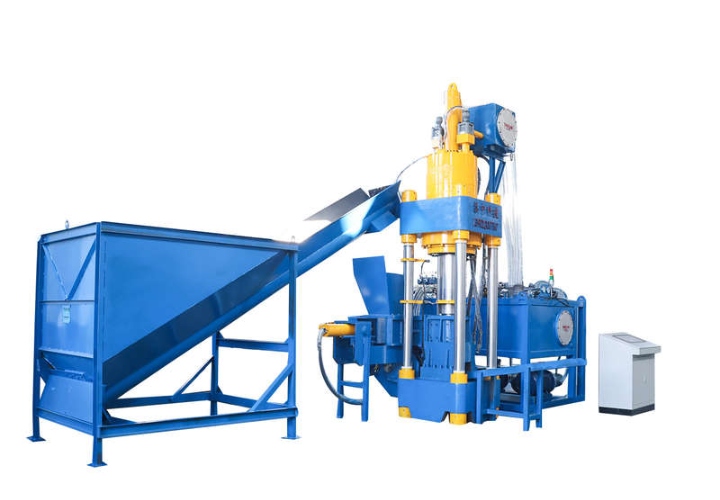
Metal type, chip geometry, and fluid content all affect feeding and briquette formation. TITAN matches the pressing capability, feeding method, and any necessary pre-treatment to the actual material conditions.
TITAN metal briquetters are suitable for a wide range of metal chips, metal turnings, and other fine metal scrap.
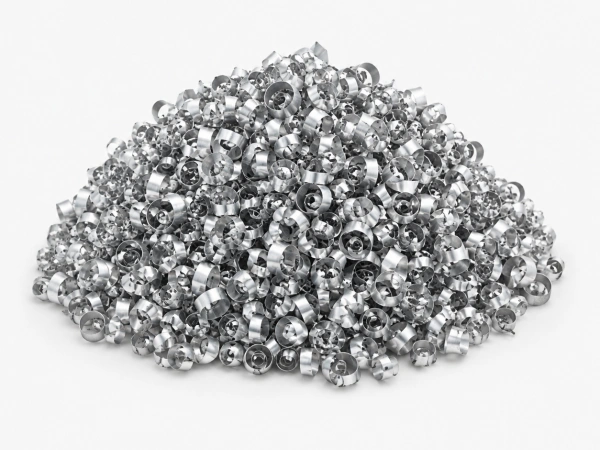
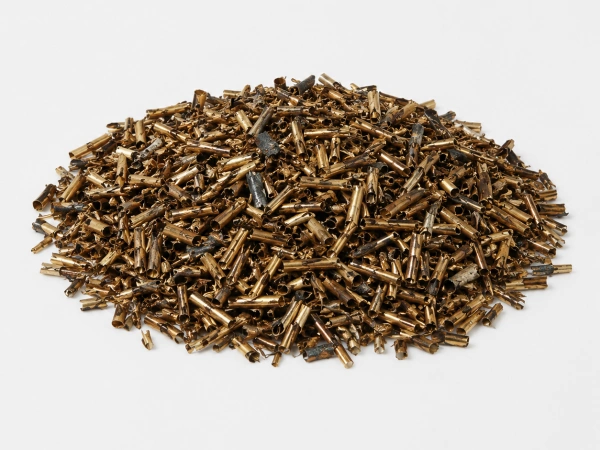
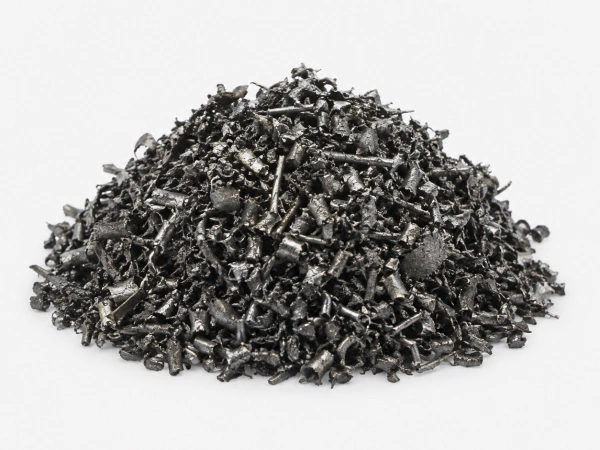
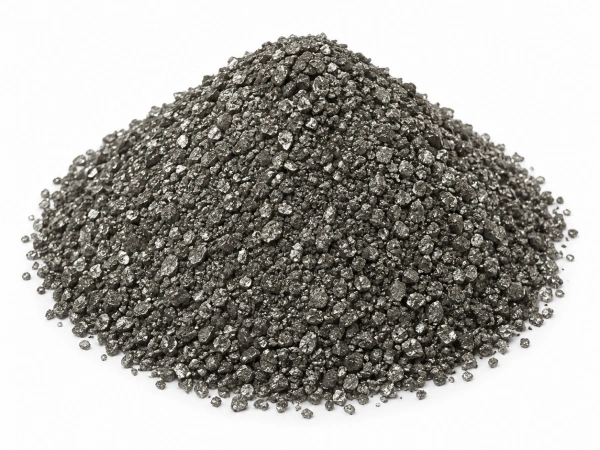
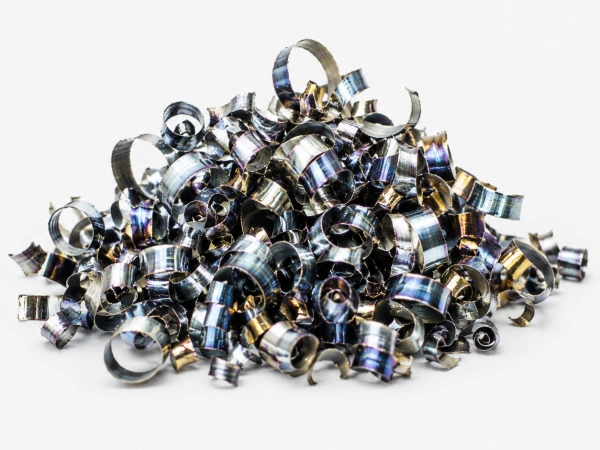
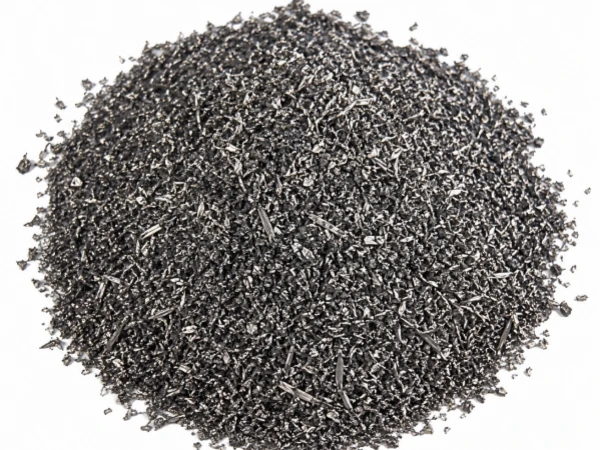
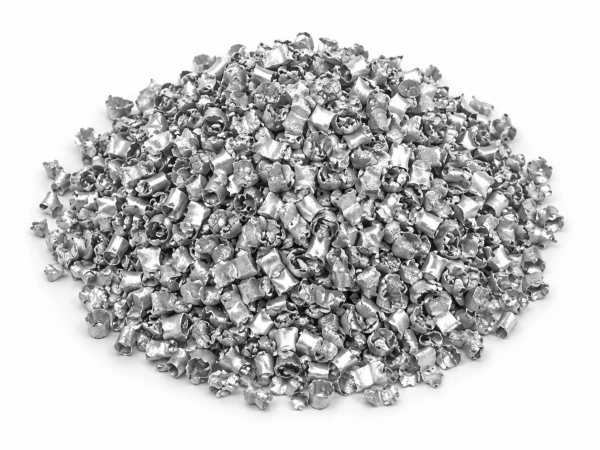
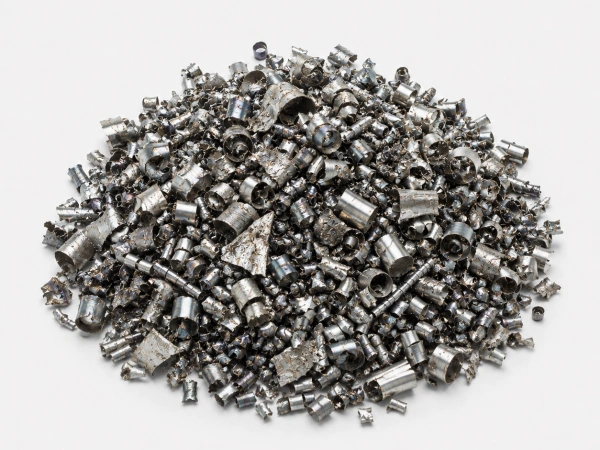
Material type is only the first step in machine selection. Chip geometry, fluid content, and the presence of contaminants also affect the feeding method, machine configuration, and final briquetting results.
Short, free-flowing chips are generally easier to feed consistently. Long stringy turnings and tangled chips require closer assessment of their feeding behavior and may need pre-treatment.
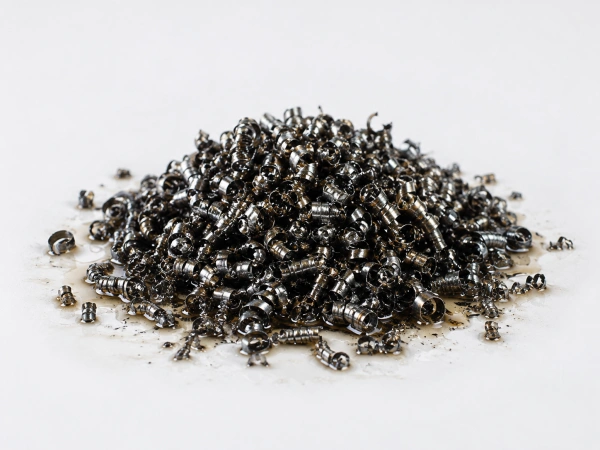
Metal chips containing cutting fluid or oil can be briquetted, and some of the liquid can be separated during pressing. If the fluid content is high, fluid separation may be required before briquetting.
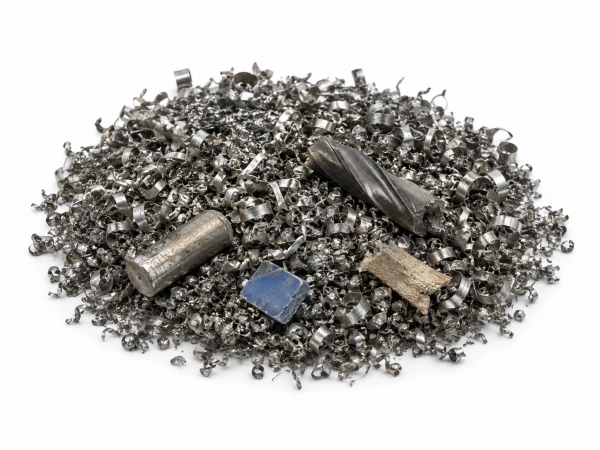
Non-metallic contaminants such as plastics, wood fragments, cloth, sand, and stones, along with larger solid foreign objects such as broken tools, bar ends, and scrap parts, should be separated as far as possible before briquetting.
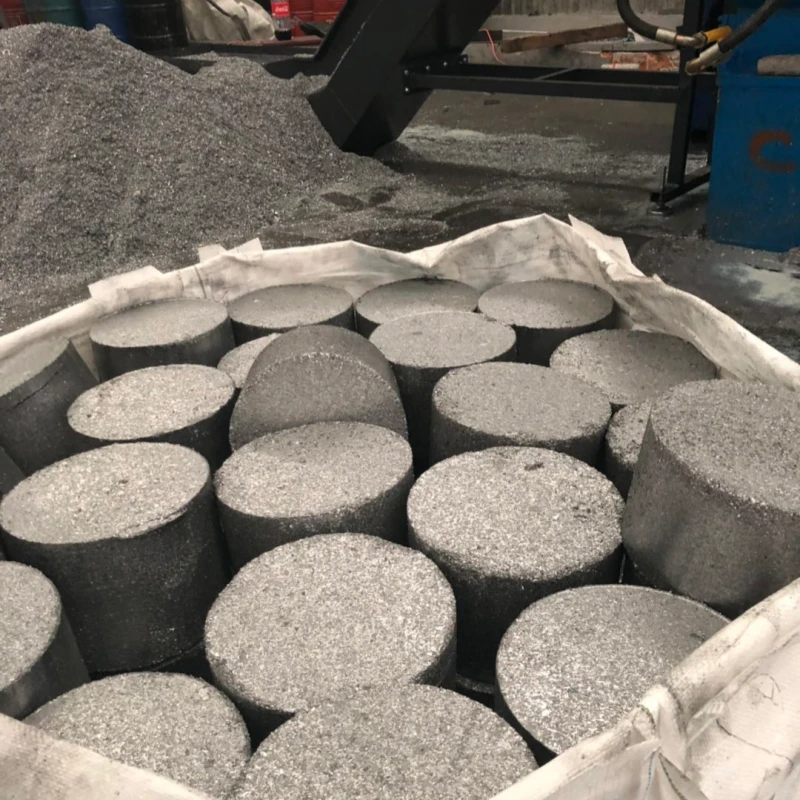
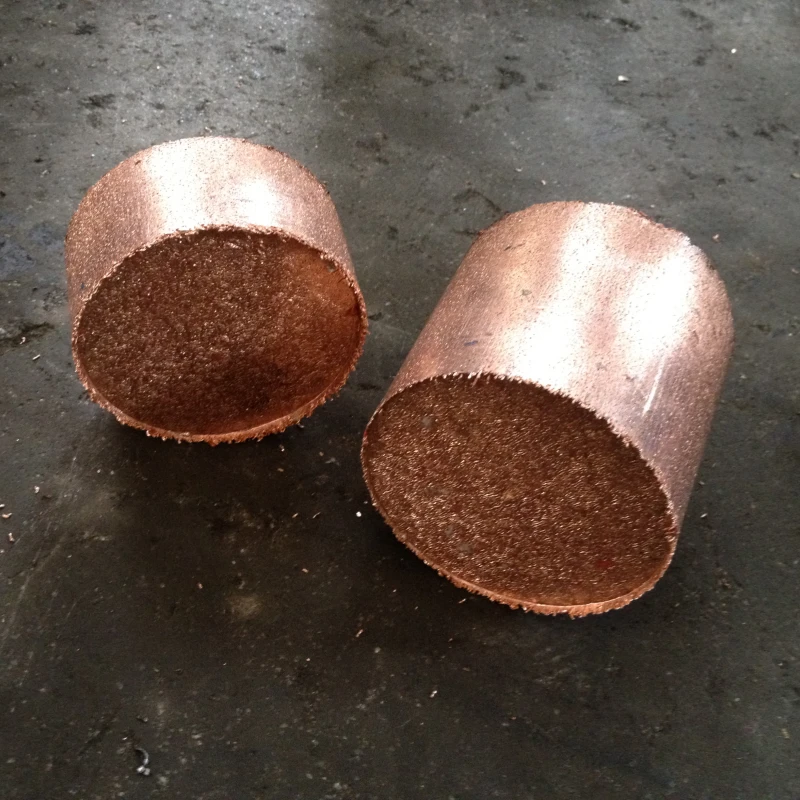
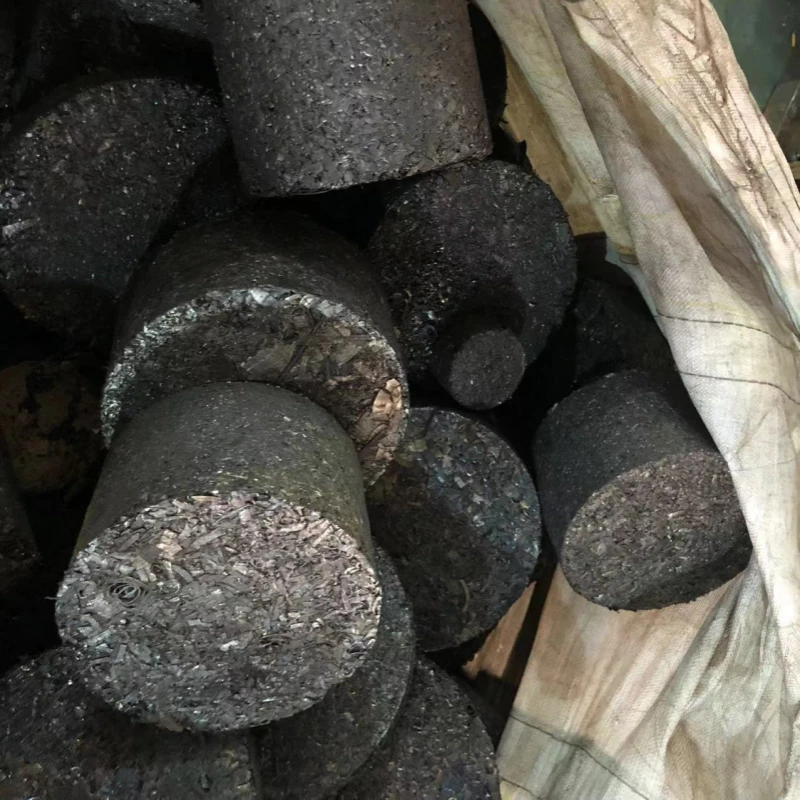
Briquetting tests with real materials show the condition of the material before and after pressing. Together with the machine model and measured test data, they provide a direct view of the briquetting results.
Actual briquetting results depend on metal type, chip geometry, fluid content, and machine configuration. Specific results should be confirmed through a briquetting test with the actual material under the project's operating conditions.
TITAN selects the machine model based on metal type, throughput, feed condition, briquette requirements, and site conditions. Storage, conveying, and any necessary pre-treatment equipment can also be integrated to configure a metal chip briquetting system.
Seven Y83L models cover different maximum main cylinder forces, briquette diameters, maximum briquette densities, and maximum hourly throughput values, allowing the equipment to be matched to material and production requirements.
| Model | Maximum Main Cylinder Force (kN) | Briquette Diameter (mm) | Installed Power (kW) | Maximum Density (g/cm³) | Maximum Throughput (t/h) | ||||
|---|---|---|---|---|---|---|---|---|---|
| Aluminum Chips | Steel Chips | Copper Chips | Aluminum Chips | Steel Chips | Copper Chips | ||||
| Y83L-250 | 2500 | 80–120 | 22 | < 2.4 | < 5.5 | < 7.0 | < 0.3 | < 0.5 | < 0.5 |
| Y83L-360 | 3600 | 120–160 | 30 | < 2.4 | < 5.5 | < 7.0 | < 0.5 | < 1.0 | < 1.3 |
| Y83L-500 | 5000 | 160–180 | 73 | < 2.4 | < 5.5 | < 7.0 | < 1.0 | < 1.6 | < 1.8 |
| Y83L-630 | 6300 | 180–250 | 109 | < 2.4 | < 5.5 | < 7.0 | < 2.0 | < 3.0 | < 3.6 |
| Y83L-800 | 8000 | 230–280 | 165 | < 2.4 | < 5.5 | < 7.0 | < 3.0 | < 7.0 | < 7.5 |
| Y83L-1000S | 11600 | 260–330 | 287 | < 2.4 | < 5.5 | < 7.0 | < 5.0 | < 9.0 | < 11.0 |
| Y83L-1250 | 13690 | 260–360 | 395 | < 2.4 | < 5.5 | < 7.0 | < 7.0 | < 13.0 | < 15.5 |
The “<” symbol indicates that the maximum value does not exceed the figure shown. Actual throughput and briquette density depend on metal type, chip geometry, fluid content, feeding stability, and machine configuration. Final model selection should be based on actual material conditions.
Machine selection should not be based on pressing force alone. The right configuration should be determined from actual material characteristics and production requirements.
Confirm the metal type and its compaction characteristics. Different materials have different requirements for pressing force, briquette formation, and machine configuration.
Determine the required throughput from hourly or daily chip generation and the production schedule.
Assess chip geometry, fluid content, contaminants, and feeding stability to determine whether the feeding method needs to be adjusted or pre-treatment is required.
Determine the pressing configuration based on the required briquette size, handling method, and downstream recycling or remelting requirements.
Consider installation space, feeding method, labor input, and production-line integration requirements when determining machine layout and supporting equipment.
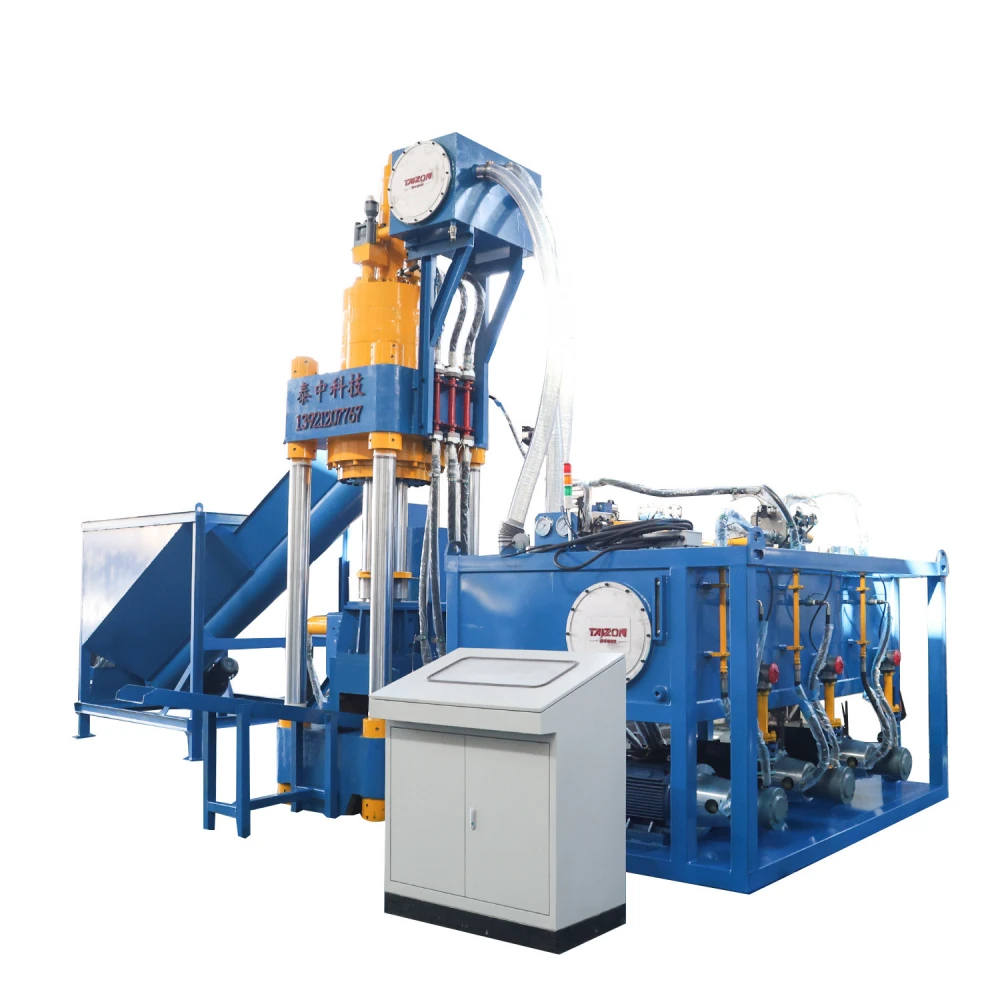
Vertical and horizontal metal chip briquetting machines differ in feeding method, machine layout, suitability for different chip geometries, and automation integration. The appropriate configuration should be selected according to actual operating conditions.
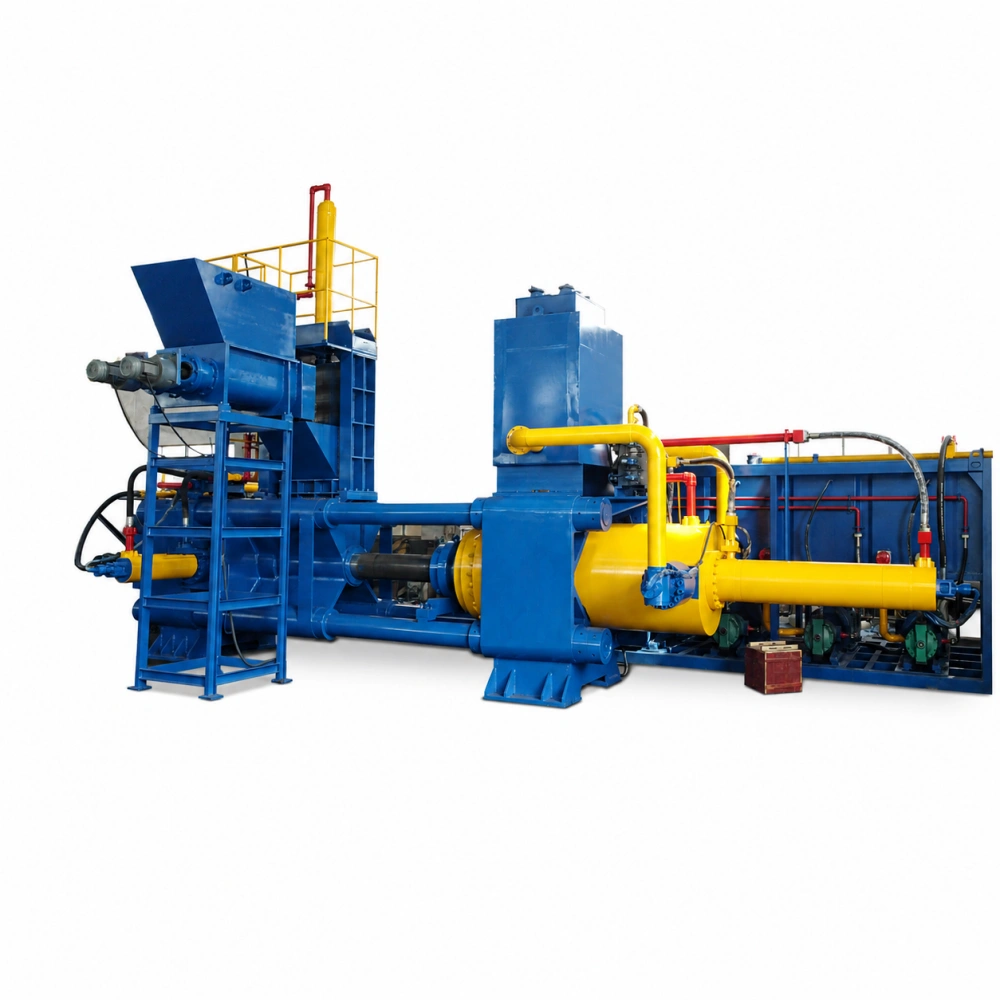
Long stringy turnings and tangled chips should be evaluated according to their actual feeding behavior. If they cannot be fed directly and consistently, appropriate chip pre-treatment is required.
Depending on the condition of the incoming metal chips, the metal briquetter can operate as a standalone unit or be integrated with storage, feeding, pre-treatment, and liquid collection equipment to form a continuous metal chip processing line.
Based on Feed Condition
Manual or Automatic Feeding
Core Compression Stage
For Storage, Transport, or Downstream Recycling
Metal chip briquetting is more than a single pressing action. Stable briquette formation depends on coordinated feeding, compression and forming, solid-liquid separation, controlled decompression, briquette ejection, and reset. The hydraulic system, briquetting die, liquid collection system, and control system together determine the stability of the entire briquetting cycle.
Feeding and briquette ejection structures differ between machine configurations, but the core briquetting process follows the same forming logic.
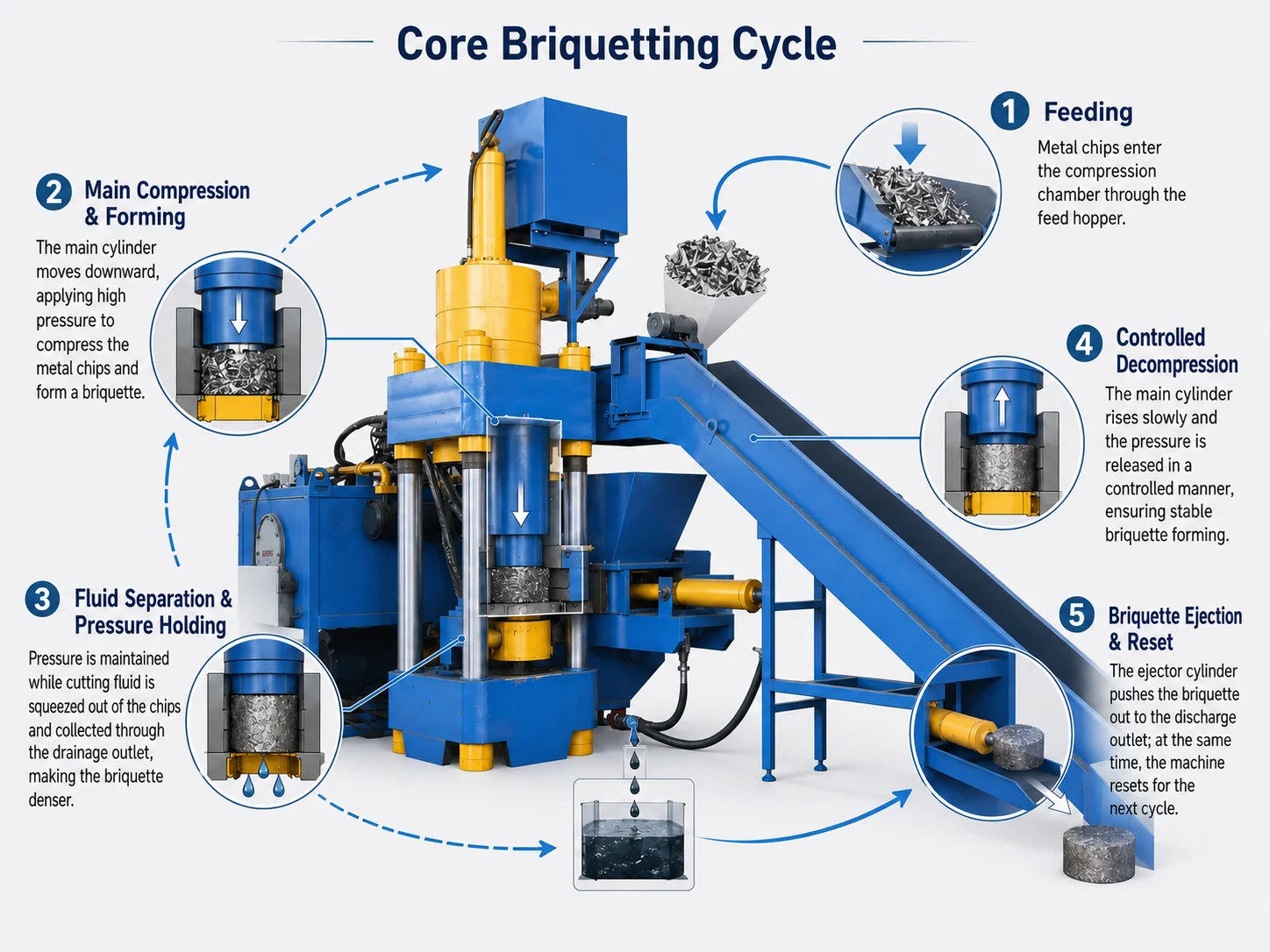
Metal chips enter the compression area through the hopper. On horizontal machines, a pre-compression mechanism can first push loose or easily tangled chips into the main compression chamber, providing stable feed conditions for subsequent pressing.
The main hydraulic cylinder drives the main ram to apply continuous pressure within the die cavity. As the voids between the chips are progressively reduced, the material undergoes plastic deformation until a dense, uniform briquette is formed.
For metal chips containing cutting fluid or oil, a portion of the liquid separated during pressing is directed to the liquid collection system. Once the preset pressure is reached, the system holds pressure to complete stable briquette formation.
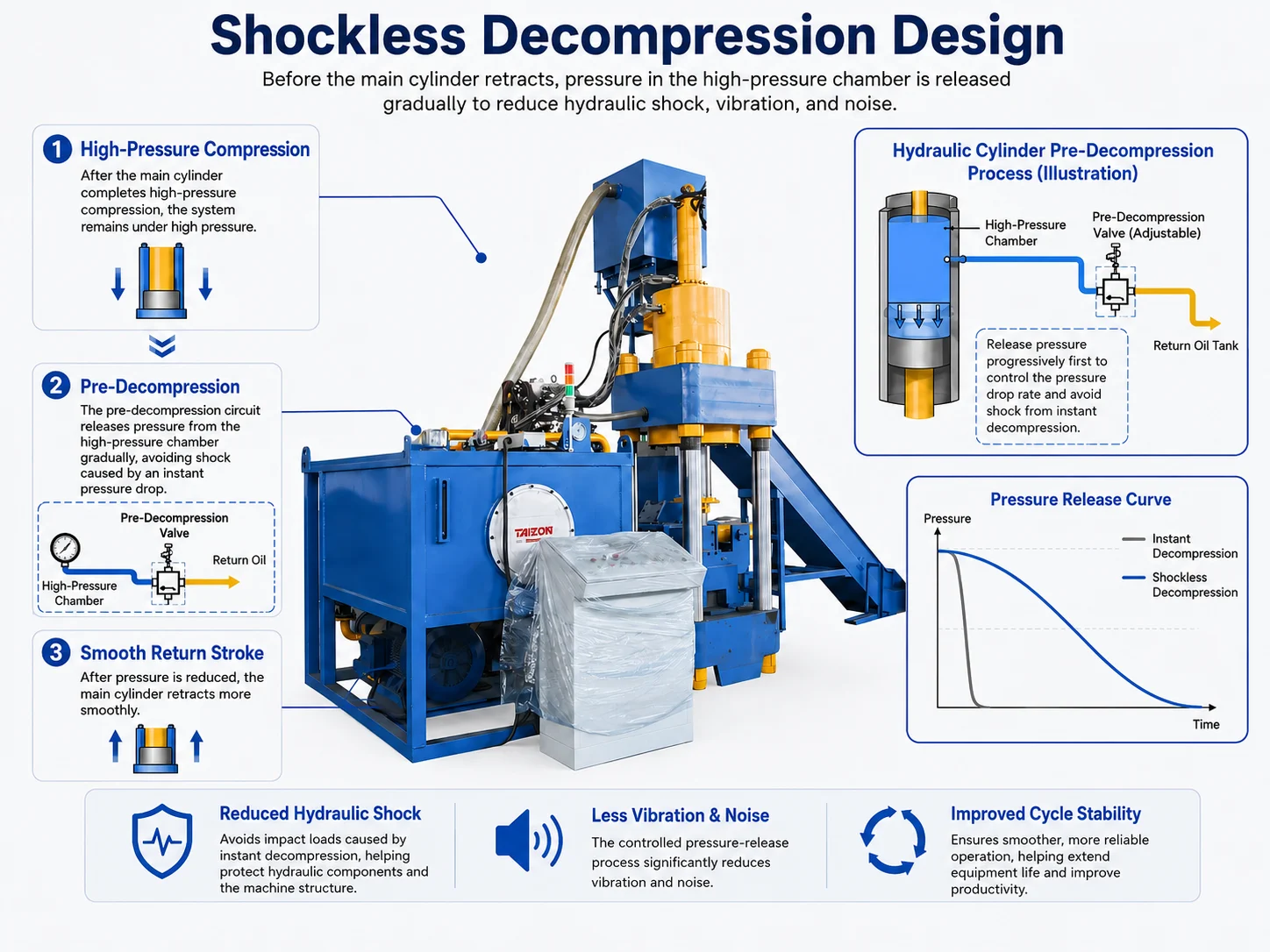
After high-pressure compression, pressure in the high-pressure chamber is gradually reduced before the main hydraulic cylinder reverses direction or the briquette is ejected. This helps reduce hydraulic shock, vibration, and noise caused by sudden decompression.
After the formed briquette is ejected, the actuators return to their initial positions. The control system completes the reset sequence and begins the next operating cycle.
Vertical and horizontal machines differ in their feeding, pre-compression, and briquette ejection structures, but both use high-pressure cold pressing to compact loose metal chips into dense briquettes.
All TITAN Y83L models are equipped as standard with a surge-free decompression design. After high-pressure compression, the system gradually reduces pressure in the high-pressure chamber through controlled decompression before the main hydraulic cylinder reverses direction or the next action begins. This reduces hydraulic shock, vibration, and noise caused by sudden decompression and provides a smoother transition between pressing and the following operation.
This design specifically manages the decompression process at the end of a high-pressure cycle and is not the same as the pressure-limiting protection provided by safety or pressure relief valves.
Beyond decompression design, stable briquetting also depends on coordination among hydraulic compression, liquid handling, and automatic cycle control.
The hydraulic system provides the pressure required for briquetting, while the main hydraulic cylinder drives the main ram to densify and form the material inside the die cavity. Actual pressing pressure and cycle settings are determined according to metal type, feed condition, and briquette requirements.
For metal chips containing liquid, a portion of the cutting fluid or oil separated during pressing is directed through the drainage structure to the liquid collection system, allowing compression and liquid collection to take place within the same processing cycle.
The PLC control system coordinates compression, pressure holding, decompression, briquette ejection, and reset in the programmed sequence. It also processes machine interlocks and sensor signals so that each actuator completes the automatic cycle according to the defined control logic.
TITAN metal briquetters are used in real projects across different countries, materials, and production conditions. From oil-contaminated cast iron chips and aluminum chips to multiple types of machining scrap, TITAN matches the machine and auxiliary configuration to the material characteristics and site requirements, with actual operating results used to validate the processing solution.
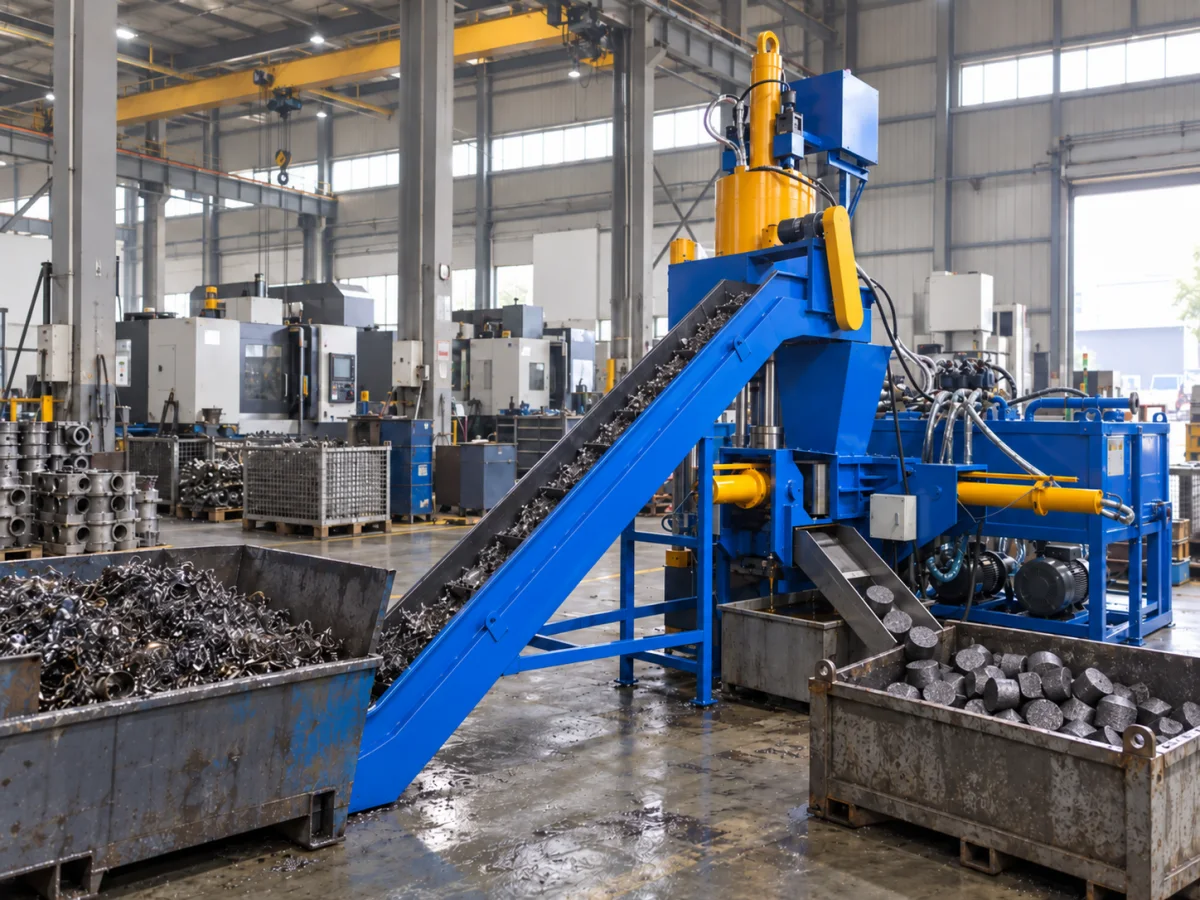
The customer’s machining workshop continuously generates grey cast iron chips and ductile iron chips contaminated with oil. The loose, oily chips contaminated the work area and, when delivered directly to the steel mill, could not meet its requirements for furnace charging.
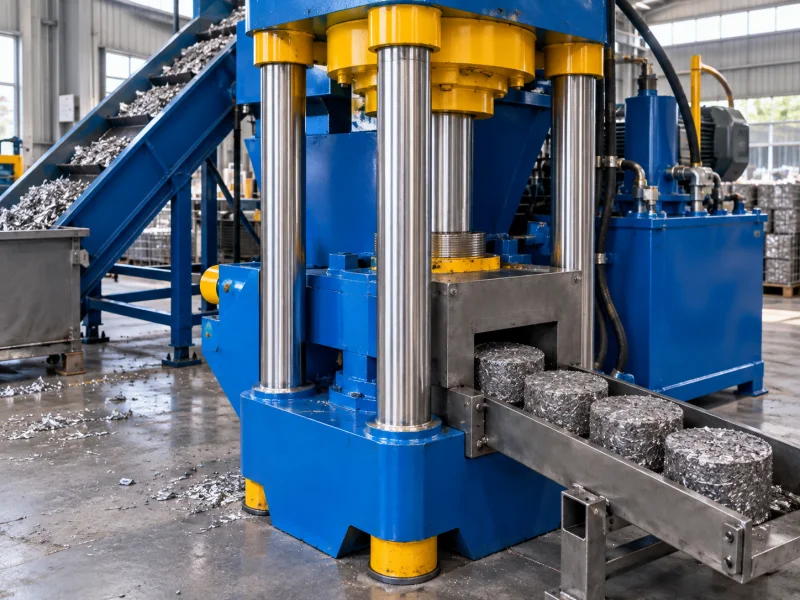
The customer operates a precision casting plant processing approximately 80 tonnes of aluminum chips per month. Cutting oil carried by the chips contaminated the work area and also caused continuous oil loss.
ConfigurationY83L-360 vertical metal chip briquetting machine + oil collection unit. Cutting oil is separated and collected during aluminum-chip briquetting to reduce workplace contamination and oil loss.
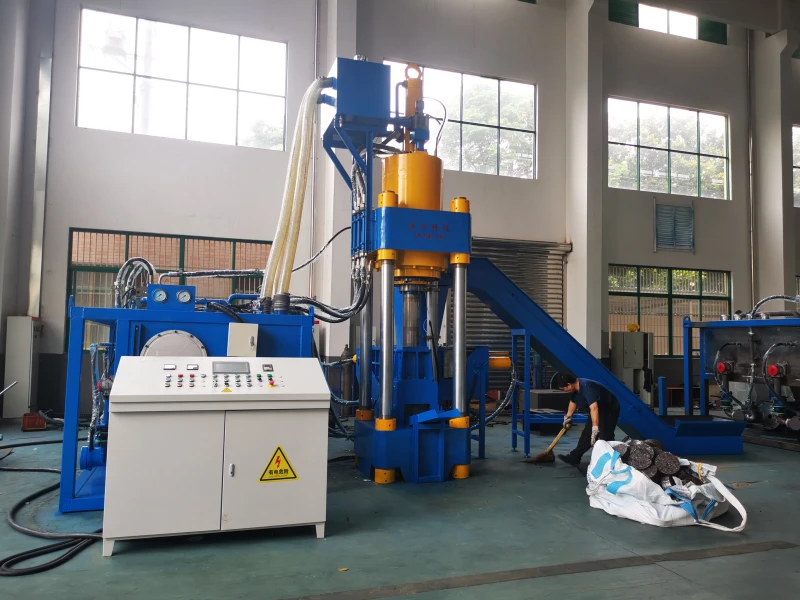
The customer is a machining company in Foshan, Guangdong, generating more than 50 tonnes of iron chips each month. Before the project, the chips were collected continuously in the workshop and stored loose until the storage area was nearly full, at which point they were shipped out in bulk.
ConfigurationTITAN therefore configured a Y83L-630 Vertical Metal Chip Briquetting Machine together with a cutting fluid recovery tank. The machine presses the loose iron chips into compact briquettes under high pressure, while cutting fluid separated during pressing is collected in the recovery tank.
The results above are based on records from specific customer projects. Actual briquetting performance and economic returns may vary depending on material, feed condition, machine configuration, operating conditions, and local cost levels.
Feedback from a customer using this TITAN machine in a real scrap processing project.
TITAN understood the challenges of recycling our aluminum chips and provided a reliable solution that improved storage efficiency, reduced transportation costs, and helped us recover more value from scrap.
TITAN’s service goes beyond equipment delivery. Depending on project requirements, we can provide equipment installation and commissioning, operator training, and, after start-up, technical support through remote diagnostics, field service, and spare parts supply to help keep the equipment running.
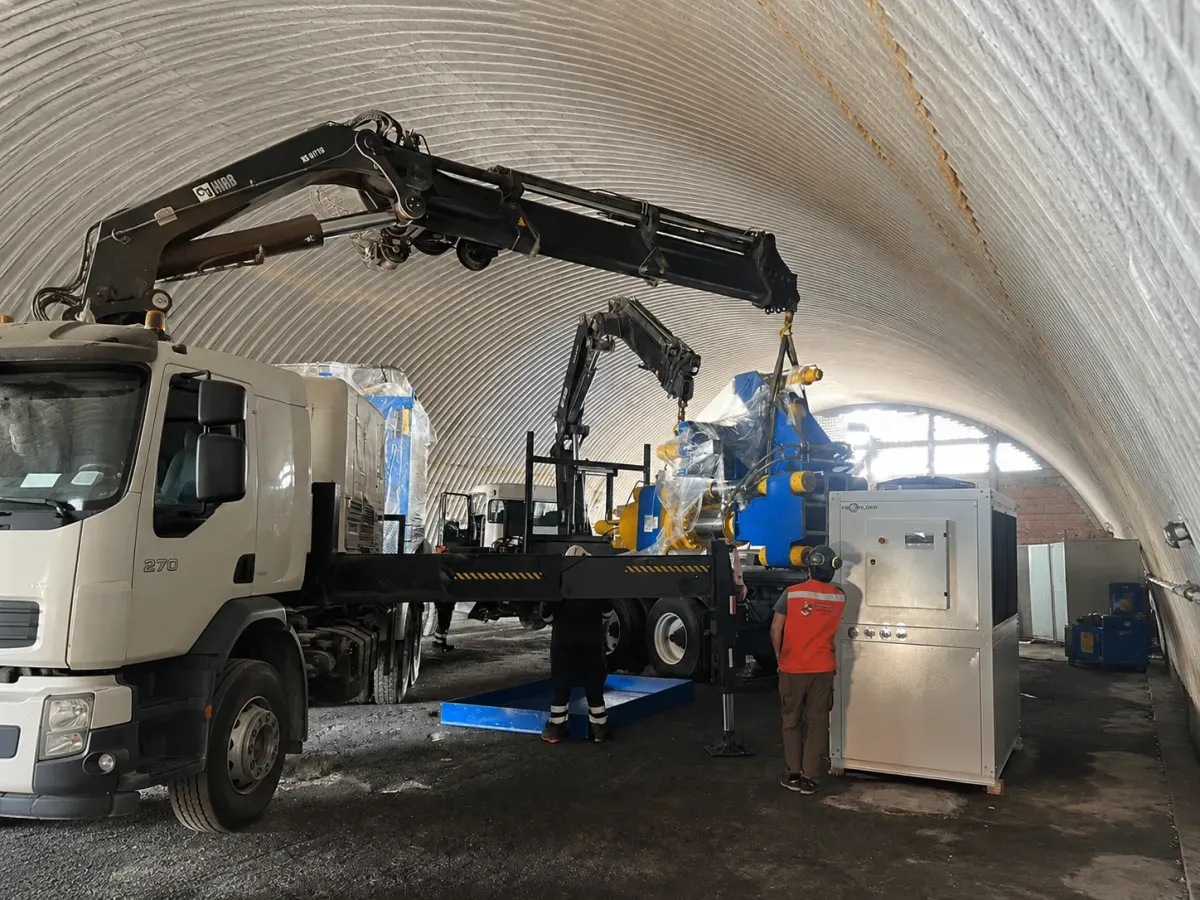
Complete machine positioning, piping connections, and electrical connections according to the equipment and project configuration, preparing the machine for commissioning.
Commission the hydraulic, electrical, and control systems together, check the machine sequence and operating status, and verify that each actuator completes the briquetting cycle according to the programmed logic.
Training is based on actual machine operation and covers starting and stopping the machine, parameter setting, fault response, safe operation, and basic routine maintenance, helping site personnel master the basic operating and handling procedures.
After start-up, TITAN can assist with remote diagnostics based on fault symptoms, alarm information, and operating status. If further action is required, field service and the corresponding spare parts support can be provided.
Specific installation, field service, and warranty coverage are determined by the project configuration, delivery region, and contractual terms.
The closer the material information is to actual operating conditions, the more accurately we can determine the machine model, feeding method, and necessary auxiliary configuration.
What metal are your chips made of? For example, aluminum, steel, iron, cast iron, copper, stainless steel, titanium, or magnesium. If you have multiple types of chips, please list the main materials separately.
Are the chips short, particles, powder, or long stringy turnings? Chip length, degree of curl, particle size, and severity of tangling can all affect storage, conveying, and feeding methods. Some materials may require pre-treatment.
Do the chips contain cutting fluid, oil, or other contaminants? We need an approximate indication of fluid content and whether the material contains plastic, wood debris, sand or stones, broken tools, bar ends, or other large foreign objects, to determine whether fluid separation, foreign-object removal, or other pre-treatment is required.
How much metal chip material needs to be processed per hour or per day? Please provide the amount of scrap chips generated under normal production conditions. If you have specific requirements for briquette size, density, or downstream melting use, include them so the appropriate machine model and pressing configuration can be matched.
How much space is available on site? How do you plan to feed the material? Please provide the approximate installation space and indicate whether feeding will be manual, via an elevating conveyor, or integrated with your existing chip-handling process. This helps determine whether a vertical or horizontal configuration is more suitable, along with the corresponding storage and conveying setup.