Scrap Metal Shear

Alligator Shear for Sizing Metal Bars, Profiles and Scrap Metal

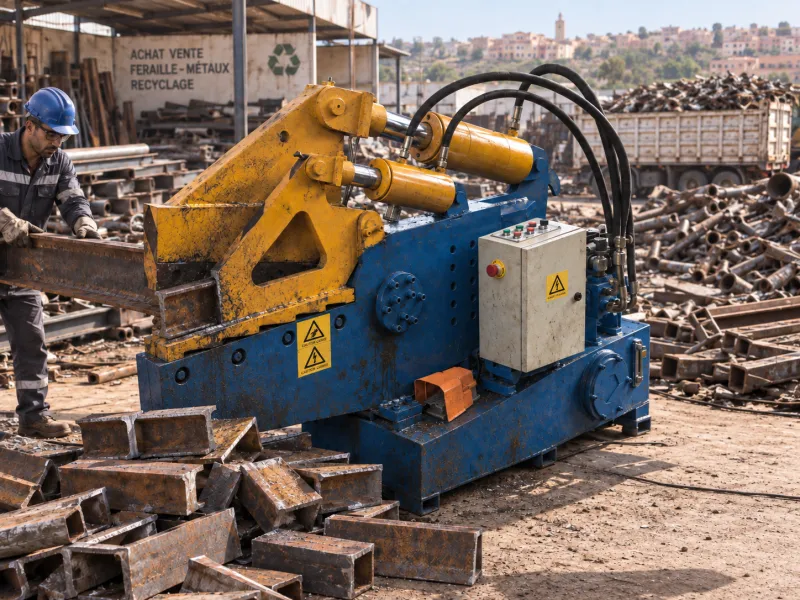
TITAN alligator shears are designed for cold shearing metal bars, metal profiles, pipes and tubes, as well as small- to medium-sized scrap metal. They cut long or awkwardly sized scrap into shorter pieces that are better suited to subsequent handling, transport, sorting, or furnace charging. For the TITAN Q43 Series, shearing force, blade opening, and cutting rate are matched to the type of metal, its cross-sectional shape and dimensions, required throughput, and target cut specifications. The feeding method is selected based on project requirements, and an automatic feeding system can be added when required.

Alligator Shear for Sizing Metal Bars, Profiles and Scrap Metal

Suitable Materials and Cutting Results

The cross-sectional shape and dimensions of scrap metal, together with the target cutting length, determine the actual shearing requirements. The TITAN Q43 Series is mainly used for cold shearing metal bars, metal profiles, pipes and tubes, and small- to medium-sized scrap metal. Shearing capacity and machine configuration are selected to match the actual material conditions.

Common Materials

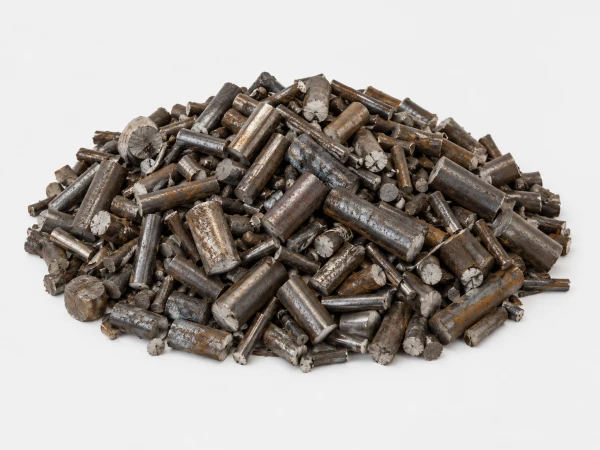
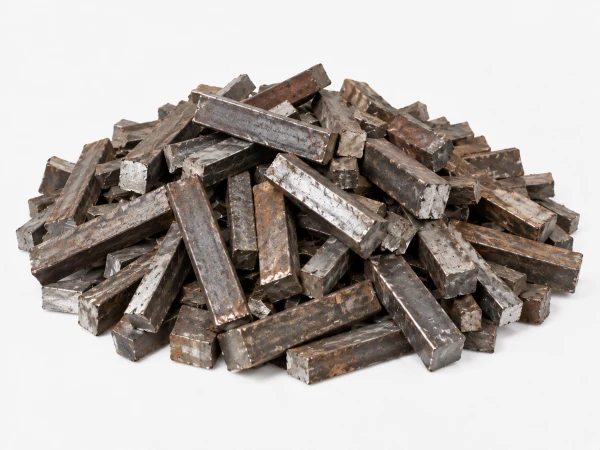
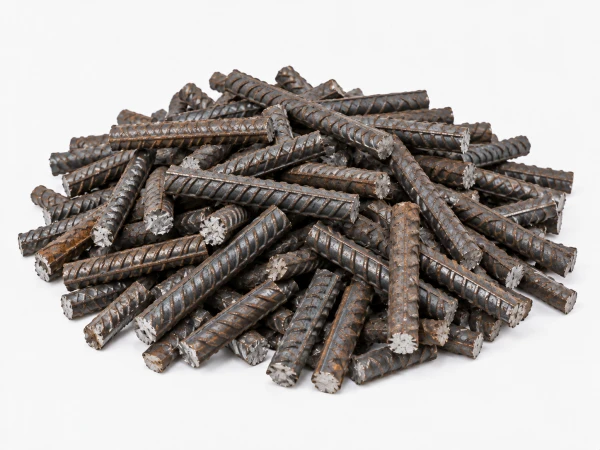
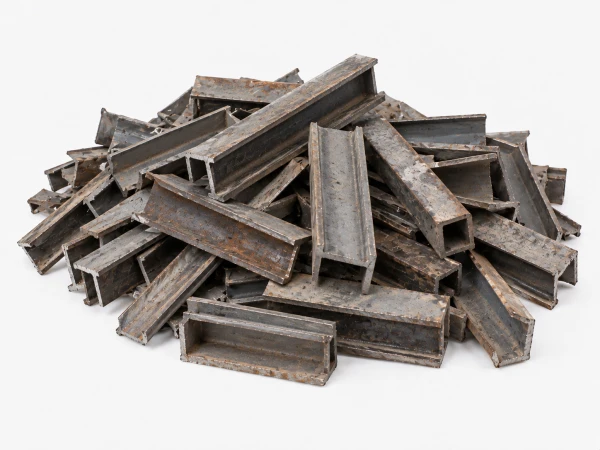
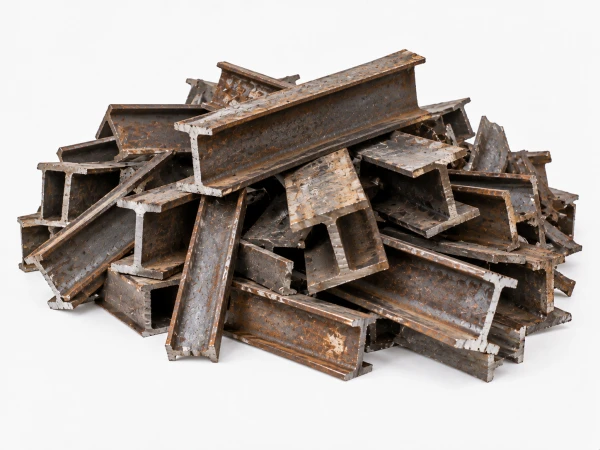
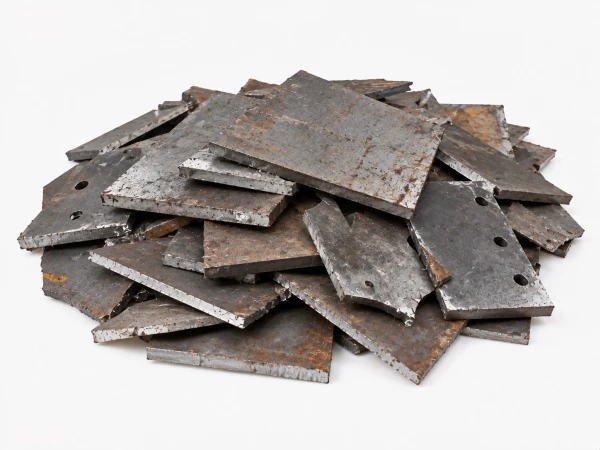
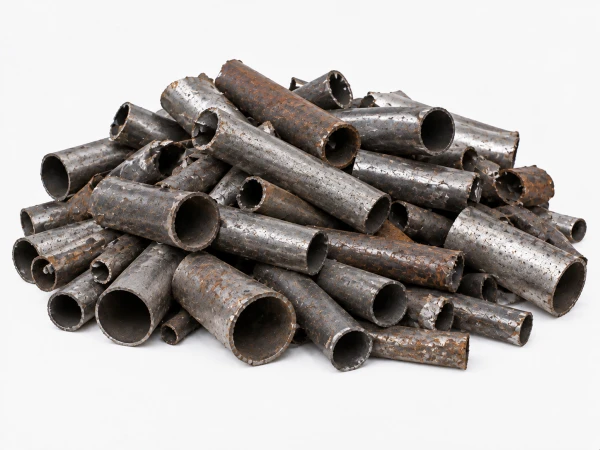
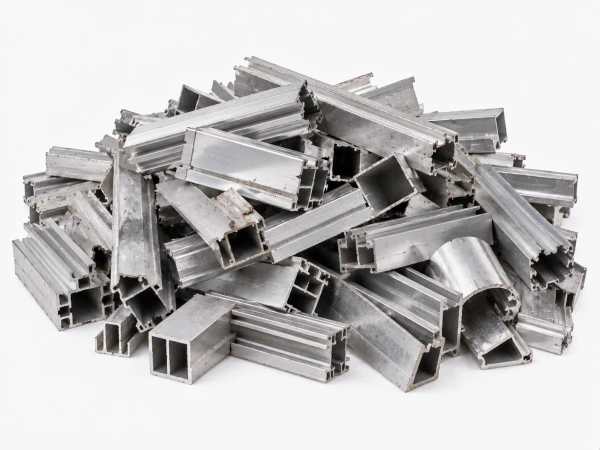
Q43 Series alligator shears can process a range of metal bars, profiles, pipes and tubes, as well as other small- to medium-sized metal scrap suitable for shearing.

Material name alone provides only a preliminary indication of suitability. Whether a material can be sheared effectively also depends on its cross-sectional shape and dimensions and the target cutting specification. The appropriate machine model should ultimately be selected based on the actual material.

Material Conditions That Affect Shearing

Cross-sectional shape

Cross-sectional shape

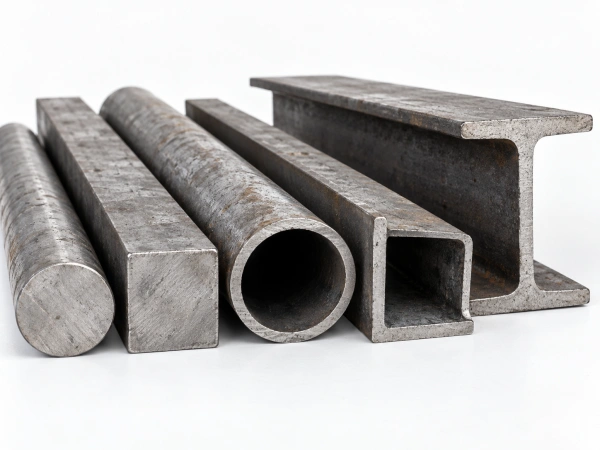
Round bar, square bar, steel pipe, and profiles such as steel channel and I-beam have different cross-sectional shapes. During model selection, the material's cross-sectional shape should be considered when determining the required blade opening and shearing capacity.

Cross-sectional dimensions

Cross-sectional dimensions

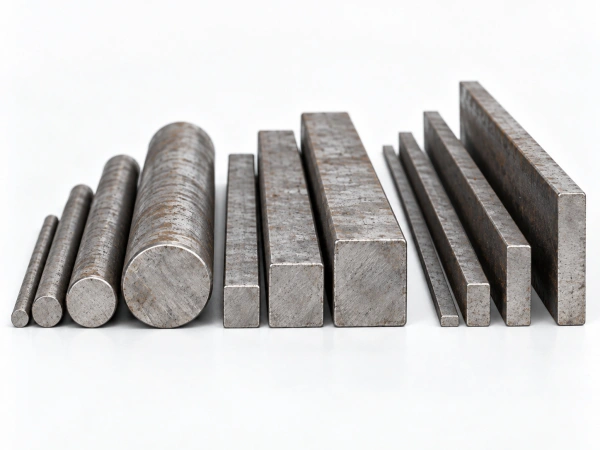
Even within the same material type, differences in diameter, width, thickness, or overall section size change the shearing capacity required from the machine. Actual scrap dimensions should be provided before model selection; material name alone is not sufficient.

Target cutting length

Target cutting length

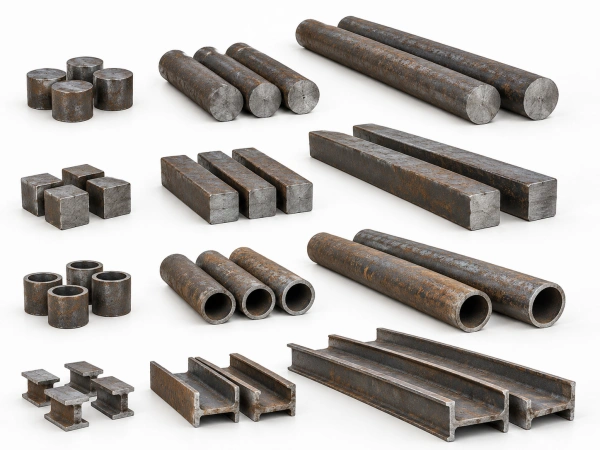
The required length of each cut piece depends on subsequent handling, transport, or furnace charging requirements. Defining the target cutting length helps determine the actual feeding and shearing method.

Actual Cutting Test Results

The following data were recorded during actual material tests on TITAN Q43 Series alligator shears. They show cutting performance for specific materials, section sizes, and machine models. Results may vary with material condition, machine configuration, and operating conditions.

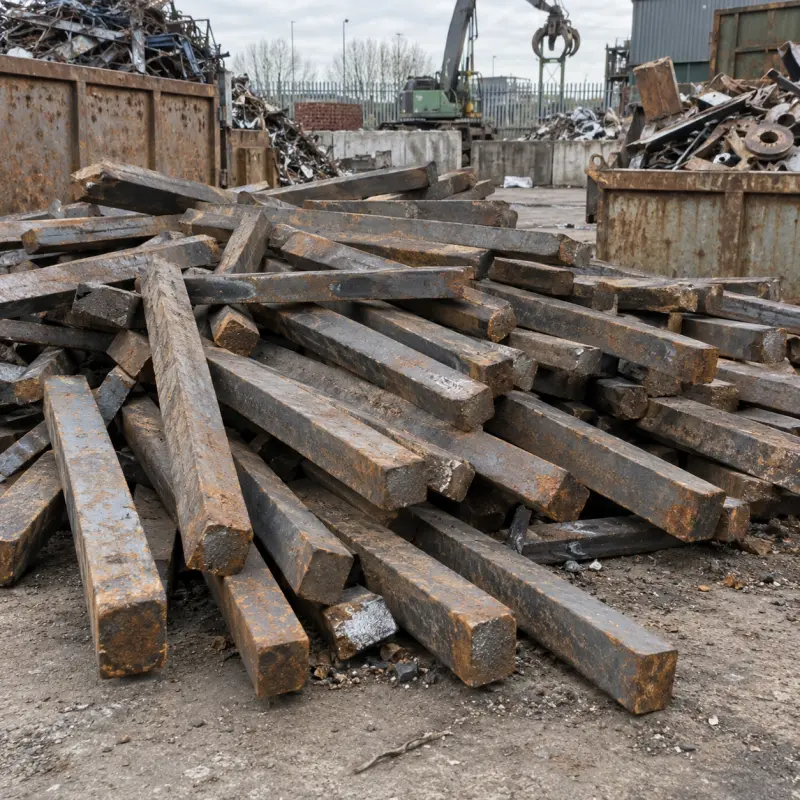
Input Material
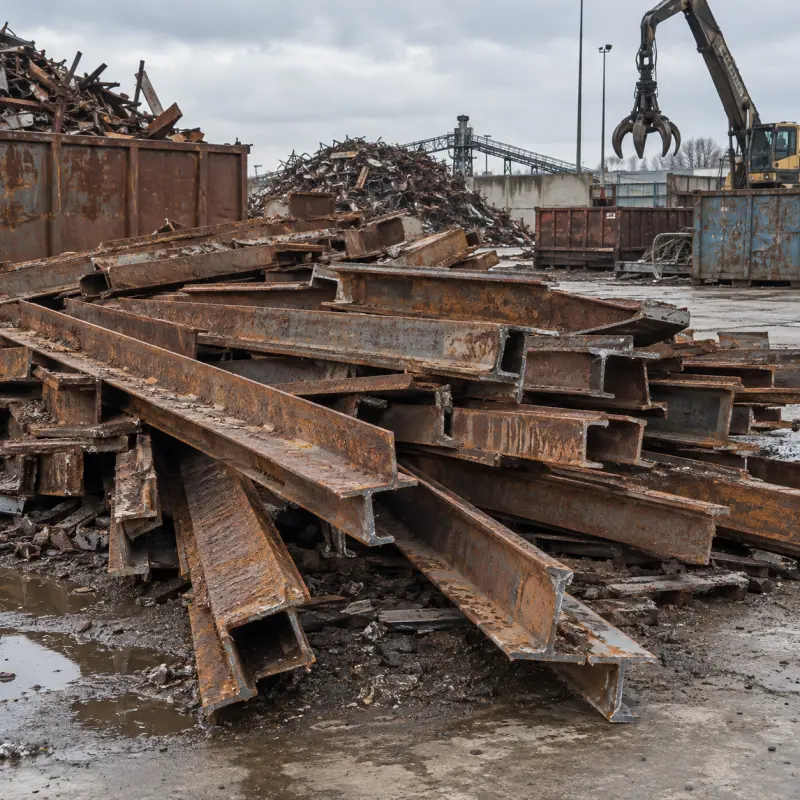
Square bar
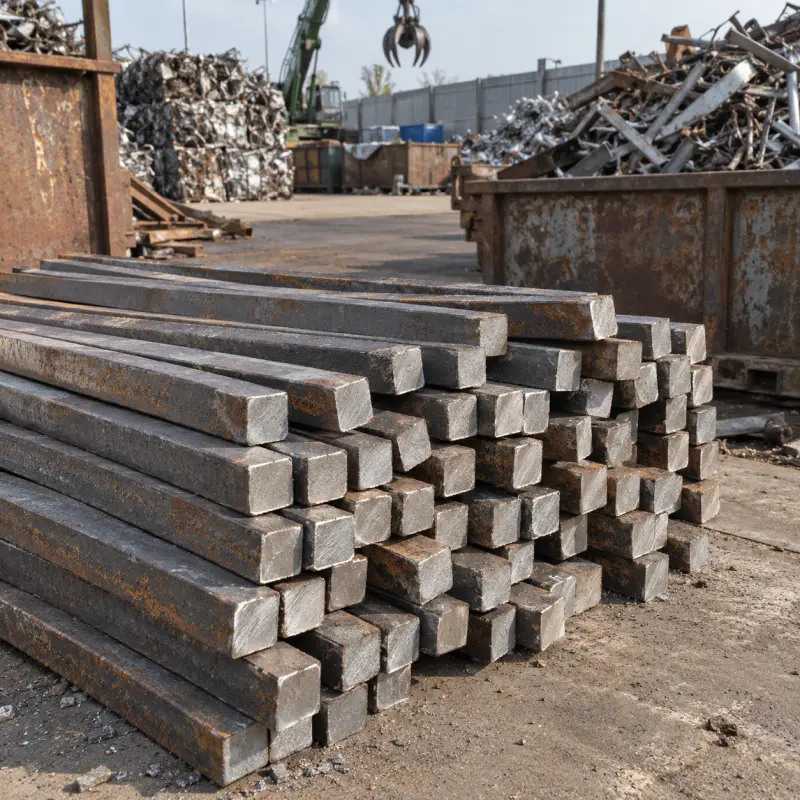
Output Briquette
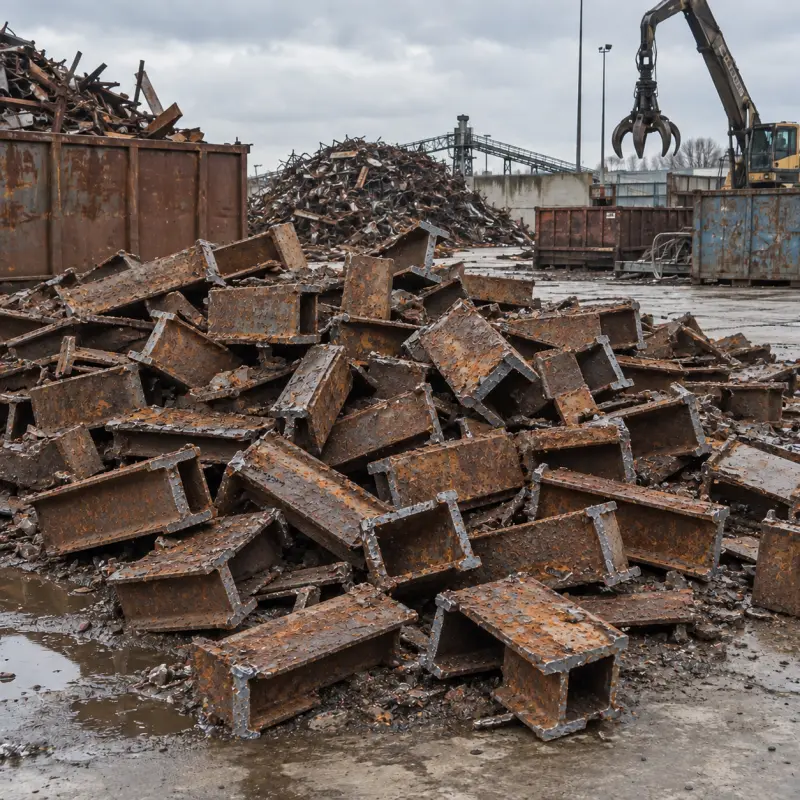
Square bar
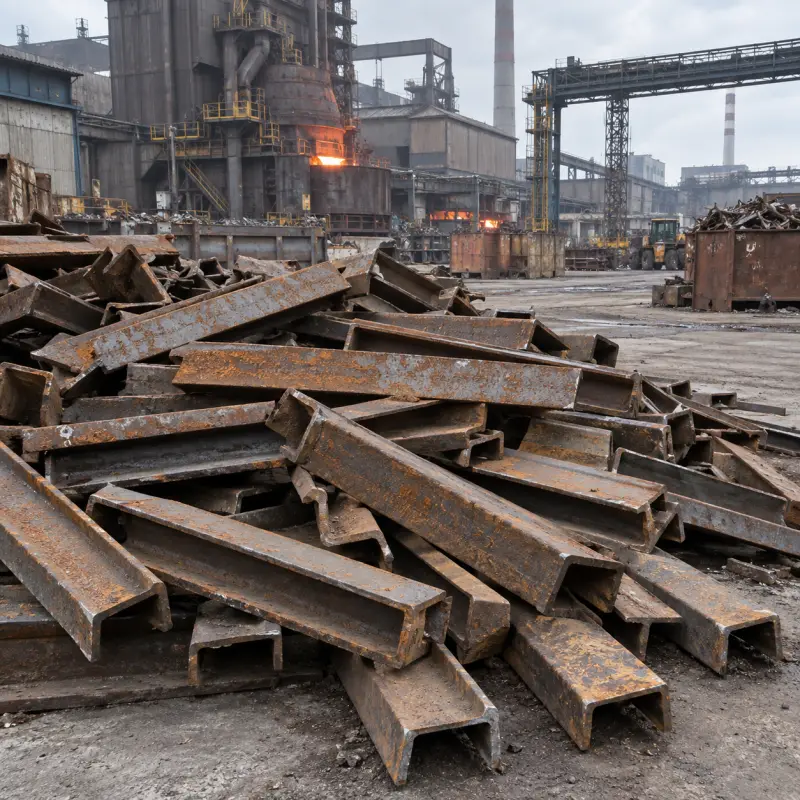
Input Material
Steel channel
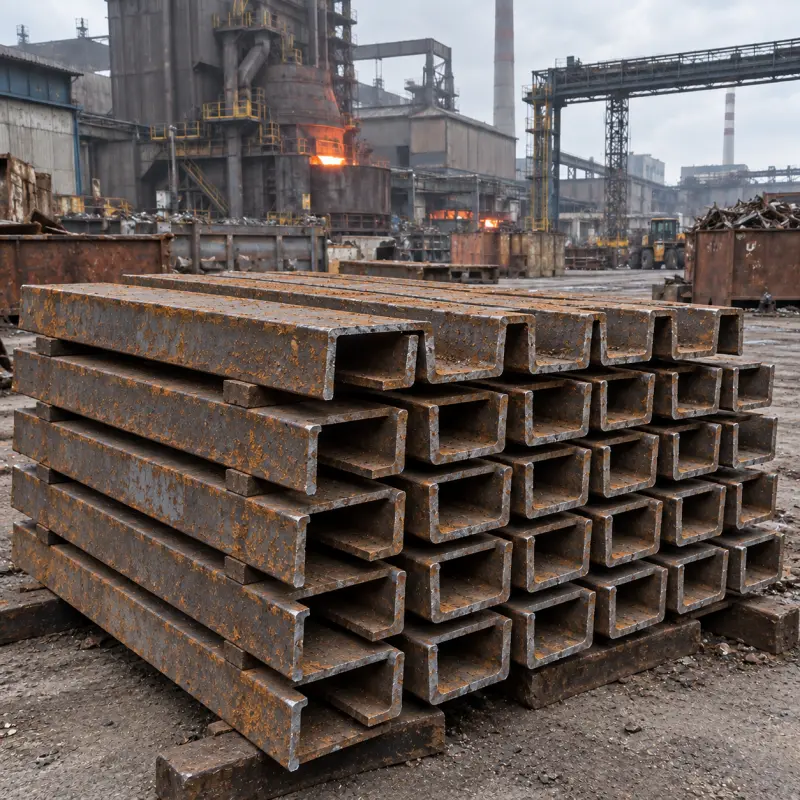
Output Briquette
Steel channel
Input Material
I-beam
Output Briquette
I-beam

The figures above are actual test records for specific materials, section sizes, and machine configurations. They should not be interpreted as fixed performance values for all operating conditions. Actual shearing capacity, cuts per minute, and energy consumption depend on the material cross-section and dimensions, machine model, and operating conditions.

Model Selection and Machine Configuration

TITAN Q43 Series alligator shears are available with different shearing forces, blade lengths and openings, and drive configurations. The appropriate model should be selected by considering the metal type, cross-sectional shape and dimensions, target cutting length, required throughput, and feeding conditions together, rather than by shearing force alone.

Q43 Series Models and Specifications

The Q43 Series includes seven standard models ranging from 1200 kN to 5000 kN. Across the range, maximum shearing force, blade length, and maximum blade opening define different capability ranges for matching metal bars, profiles, pipes and tubes, and small- to medium-sized scrap metal of different dimensions.

ModelMaximum Shearing ForceBlade LengthMaximum Blade OpeningMotor Power
Q43-12001200 kN800 mm340 mm15 kW
Q43-16001600 kN800 mm380 mm2 × 18.5 kW
Q43-20002000 kN1000 mm460 mm22 kW
Q43-25002500 kN1200 mm530 mm2 × 15 kW
Q43-31503150 kN1200 mm530 mm2 × 18.5 kW
Q43-40004000 kN1500 mm670 mm2 × 22 kW
Q43-50005000 kN1600 mm700 mm2 × 22 kW

These are the standard specifications for TITAN Q43 Series machines. They define the basic capability range of each model and should not be interpreted as fixed cutting specifications that a given material can achieve under all operating conditions. The appropriate model must be confirmed based on the material properties and its cross-sectional shape and dimensions.

How to Select the Right Q43 Model

Selecting an alligator shear means matching the material specifications to the machine's shearing capacity, blade length and opening, and on-site operating requirements. Knowing only that the material is "steel scrap" or a "metal profile" is usually not enough to determine the correct model.

  1. 01

    Material and cross-sectional shape

    First identify whether the material is round bar, square bar, steel pipe, steel channel, I-beam, steel plate, aluminum profiles, or another type of metal scrap. Even when overall dimensions are similar, different metals and cross-sectional shapes can impose different shearing requirements.

  2. 02

    Cross-sectional dimensions

    Provide the actual round-bar diameter, square-bar side dimension, and the width, thickness, or other relevant dimensions of profiles. Cross-sectional dimensions are an important basis for determining the required shearing force and blade opening, and are one of the key factors when choosing between Q43 models.

  3. 03

    Blade length and opening

    Blade length and maximum blade opening vary by model. For materials with larger cross sections or those requiring more working clearance in the cutting area, shearing force and blade length/opening must be considered together rather than comparing machine “tonnage” alone.

  4. 04

    Target cutting length

    The required length of the cut pieces should be determined by downstream handling, transport, sorting, or furnace-charging requirements, and the actual cutting process should be arranged together with the incoming material length and feeding method.

  5. 05

    Throughput and feeding method

    Determine the operating pace and feeding method based on the amount of material to be processed per day or shift, incoming material length, individual piece weight, and staffing. For projects requiring continuous feeding, an automatic feeding system can be provided if required for the project.

Do Not Select Equipment by Shearing Force AloneFor example, the Q43-2500 and Q43-3150 both have a standard blade length of 1200 mm and a maximum blade opening of 530 mm, but they differ in maximum shearing force and motor configuration. Moving to a higher model therefore does not simply mean getting a "larger opening"; it can provide different shearing capacity while retaining the same blade length and opening. Material specifications, shearing force, and blade length/opening should be compared together during selection.

Configure the Shearing Station Around On-Site Material Flow

An alligator shear is usually not selected in isolation. How the incoming material is fed into the machine, how the cut pieces are moved downstream, and the site's staffing and operating pace all affect the final configuration.

  1. 01

    Confirm incoming material conditions

    Determine the metal type, cross-sectional shape and dimensions, incoming material length, and target cutting length to establish the basic conditions for model selection.

  2. 02

    Match the Q43 model

    Based on the shearing capacity, blade length, and blade opening required for the actual material, identify the appropriate equipment range from Q43-1200 to Q43-5000.

  3. 03

    Determine the feeding method

    Arrange feeding according to incoming material length, weight, throughput, and staffing. An automatic feeding system can be provided if required for the project to support continuous shearing operations.

  4. 04

    Plan downstream material flow

    According to the project process, direct the shorter cut pieces to subsequent handling, transport, sorting, storage, or furnace charging.

Q43 Alligator Shearing Process and Core Engineering Design

The TITAN Q43 Series uses a hydraulic system to close the hinged cutting jaw and cold-shear metal bars, profiles, pipes and tubes, and small- to medium-sized scrap metal entering the cutting area. The actual shearing process depends on the combination of the cutting-jaw structure, shearing force, blade dimensions, and the cross-sectional characteristics of the material.

How an Alligator Shear Cuts Metal

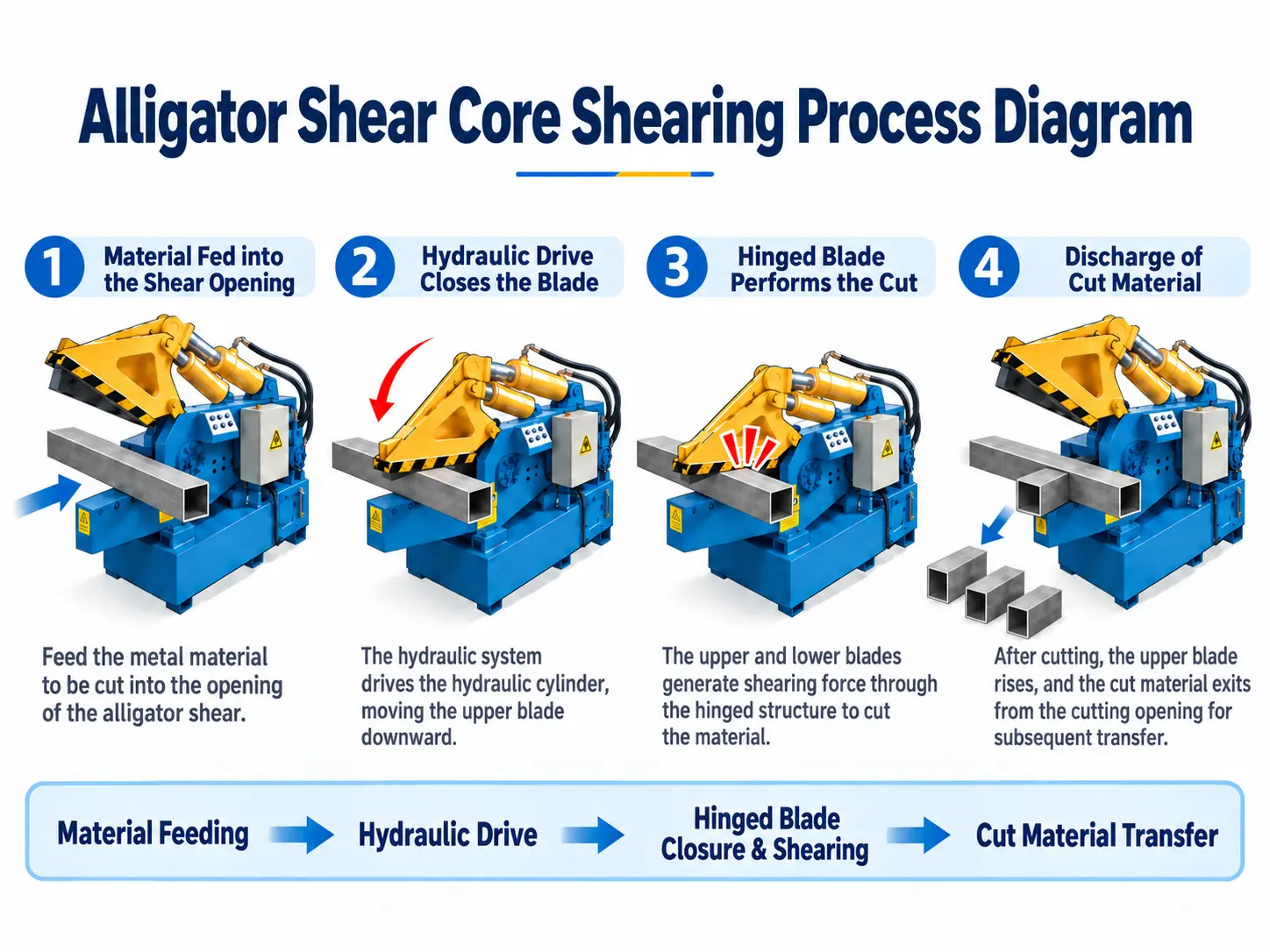
Q43 Alligator Shearing Process
Material feeding → Hydraulic drive → Hinged cutting jaw closes and shears → Cut material transfer
  1. 01

    Feed Material into the Cutting Jaw

    Metal bars, profiles, pipes and tubes, or other suitable scrap metal are fed into the open cutting jaw. The material is positioned according to the target cutting length.

  2. 02

    Hydraulic Drive Provides the Cutting Force

    The motor drives the hydraulic pump, which pressurizes the hydraulic oil. The hydraulic system then transmits this pressure to the hydraulic cylinder, providing the driving force required to close the cutting jaw.

  3. 03

    Hinged Cutting Jaw Completes the Cut

    The hydraulic cylinder drives the cutting jaw closed. The upper and lower cutting members close in an alligator-like motion and act on the metal cross-section to complete the cut under cold conditions.

  4. 04

    Cut Material Moves to the Next Stage

    After shearing, the shorter pieces leave the cutting area and the incoming material can continue feeding for the next cut. The cut material then moves on to handling, storage, transport, sorting, or furnace charging.

Key Engineering Features for Stable Shearing

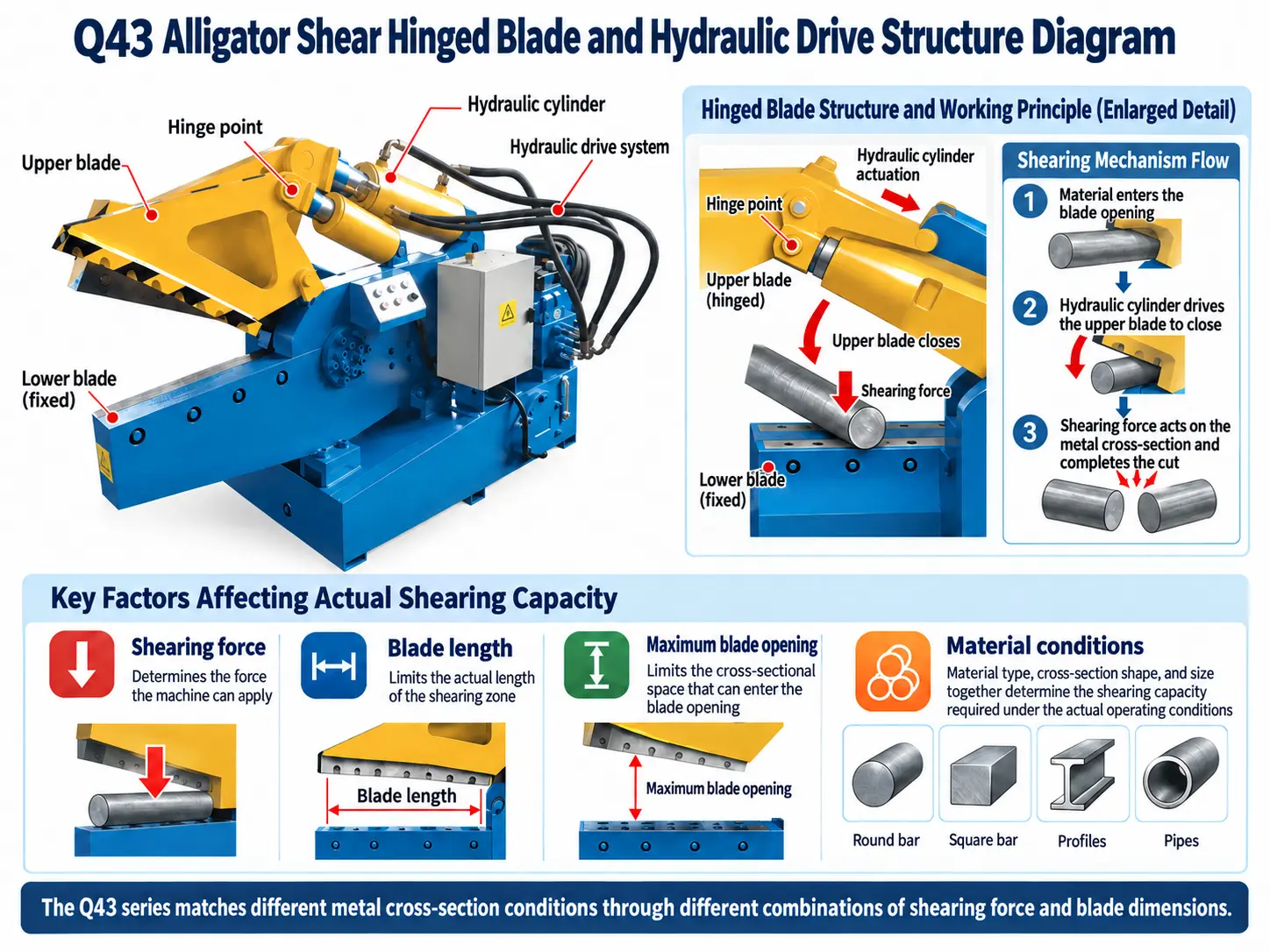
The Q43 alligator shear completes each shearing cycle through the combined operation of the frame, shear blades, hydraulic system, and electrical control system. Together, these elements form a complete cutting station for material entry, power transmission, shearing action, and operating control.

  • Hinged Cutting Jaw

    The hinged cutting-jaw structure opens and closes to shear the metal. Different Q43 models use different blade lengths and maximum blade openings to accommodate bars, profiles, pipes and tubes, and other suitable scrap metal with different cross-sectional dimensions.

  • Hydraulic Drive System

    The hydraulic system consists of the hydraulic pump, oil tank, hydraulic lines, hydraulic cylinder, and related components. Driven by the motor, the hydraulic pump generates hydraulic pressure, which is transmitted through the hydraulic system to the cylinder to drive the shearing motion. Different Q43 models provide corresponding shearing-force levels for different material cross-section requirements.

  • High-Strength Alloy Shear Blades

    The shear blades act directly on the metal cross-section during cutting. TITAN Q43 Series machines use high-strength alloy blades, with blade length and cutting-jaw dimensions configured according to the model to meet different material and cross-section requirements.

  • Electrical Control and Protective Systems

    The electrical control system includes electrical components, sensors, and a PLC. Together with pressure monitoring, limit switches, and machine guards, it controls the shearing action and provides protection during machine operation.

Real Q43 Alligator Shear Projects

TITAN Q43 Series alligator shears have been used in actual projects involving different countries, materials, and scrap-processing conditions. From various forms of steel scrap and aluminum profiles to mixed steel scrap, the machine model and configuration are matched to the material cross-section, cutting requirements, and site production conditions. The following operating results come from specific customer projects.

The results above come from specific customer project records and should not be interpreted as fixed performance for all materials or operating conditions. Actual shearing capacity, throughput, operator requirements, and cut quality depend on the material type, cross-sectional shape and dimensions, machine model, feeding method, and site operating conditions.

Customer Feedback

Feedback from a customer using this TITAN machine in a real scrap processing project.

5 / 5

TITAN's engineering team understood the challenges of oversized steel scrap and delivered a reliable shearing solution that improved productivity and reduced manual processing requirements.

Nacer BouimadagheneProduction Director
Customer Project

Morocco | Steel Scrap Shearing Project

Machine ModelQ43-5000

View Project

From Installation and Start-Up to Long-Term Operating Support

TITAN's service does not end with equipment delivery. Depending on project requirements, we can provide equipment installation and commissioning as well as operator training. After the machine is put into operation, we can provide technical support for continued operation through remote diagnostics, field service, and spare-parts supply.

On-Site Commissioning and Training
TITAN engineers can provide equipment commissioning, operating guidance, and on-site technical support depending on project requirements.
  1. 01
    Equipment Installation

    Machine Positioning and System Connections

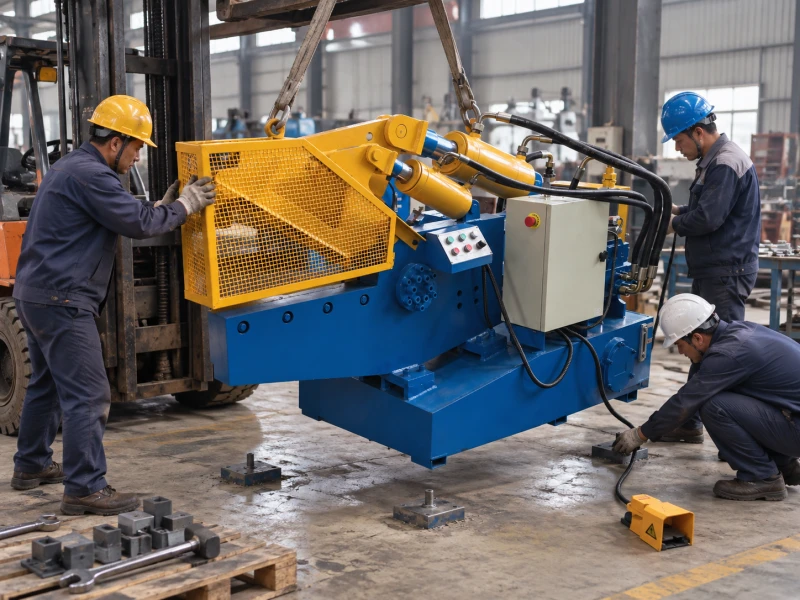
    Based on the Q43 model and project configuration, the main machine is positioned, electrical connections are made, and any necessary hydraulic or piping connections are completed to prepare the equipment for integrated commissioning.

    • Main machine positioning
    • electrical connections
    • necessary hydraulic and piping connections
  2. 02
    System Commissioning

    Integrated Commissioning and Shear-Cycle Verification

    The hydraulic, electrical, and control systems are commissioned together. Hydraulic pressure, cutting-jaw opening and closing, limit-switch operation, and control logic are checked to confirm that the machine can complete the feeding and shearing cycle according to the defined sequence.

    • Hydraulic system checks
    • cutting-jaw motion and control checks
    • shear-cycle test
  3. 03
    Operator Training

    Operation and Basic Maintenance Training

    Training is based on actual machine operation and covers start-up and shutdown, feeding and shearing operations, handling abnormal conditions, safe operation, and basic routine maintenance. This helps operators understand the basic operating and processing workflow of the Q43 alligator shear.

    • Start-up, shutdown, and shearing operations
    • abnormal-condition handling and safe operation
    • basic routine maintenance
  4. 04
    Long-Term Support

    Remote Diagnostics, Field Service and Spare-Parts Supply

    After the equipment is put into operation, TITAN can assist with remote diagnostics based on fault symptoms, alarm information, and operating status. If further action is required, field technical service and appropriate spare-parts support can be provided depending on the project circumstances.

    • Remote fault diagnostics
    • field technical service
    • OEM spare-parts supply
12 MonthsComplete Machine WarrantyWear parts and other items are subject to the warranty terms
Remote DiagnosticsTechnical SupportAssistance with troubleshooting hydraulic, electrical, and control-system faults
OEM Spare PartsLong-Term Spare-Parts SupportSupport for hydraulic and electrical components, seals, and related wear parts

The specific scope of installation, field service, and warranty is determined by the project configuration, delivery region, and contractual terms.

Alligator Shear FAQ

What types of scrap metal can an alligator shear cut?
The TITAN Q43 Series is mainly used for round bar, square bar, rebar, steel channel, I-beam, H-beam, steel plate, steel pipe, aluminum profiles, and other bars, profiles, pipes and tubes, and small- to medium-sized scrap metal suitable for cold shearing. Material names can only be used for an initial assessment. Actual suitability for shearing still needs to be confirmed based on the material type, cross-sectional shape, and specific dimensions.
How do I determine whether a material and cross-section can be sheared?
Determining whether a material and cross-section can be sheared requires more than just labels such as “steel” or “profile,” or the machine's shearing force alone. The metal type, cross-sectional shape, and actual dimensions such as diameter, side length, width, and thickness must be confirmed together. These should then be evaluated against the maximum shearing force, blade length, and maximum blade opening of the relevant Q43 model. For special materials or non-standard cross-sections, a test cut with actual material is recommended before the final model is selected.
What do the numbers in Q43-1200, Q43-2500, and Q43-5000 mean?
The number in a Q43 model corresponds to the machine's maximum shearing-force rating. For example, the Q43-1200 has a maximum shearing force of 1200 kN, while the Q43-5000 is rated at 5000 kN. Model selection should not be based on shearing force alone. Blade length and maximum blade opening also vary by model, so the final choice should be based on the actual material cross-section and production conditions.
Can the cutting length be adjusted? Does a longer blade produce longer cut pieces?
Cutting length and blade length are two different concepts. Blade length describes the cutting area that the machine's blades can cover, while the length of the cut piece is mainly determined by the position of the material in the cutting jaw or by the feed increment. With manual feeding or an automatic feeding configuration, the target cutting length can be set according to downstream handling, transport, sorting, or furnace-charging requirements.
Can the Q43 alligator shear be equipped with automatic feeding?
An automatic feeding system can be configured depending on project requirements. Whether automatic feeding is needed should be evaluated based on incoming material length, individual piece weight, required throughput, staffing, and production rhythm. For applications with lower throughput or frequently changing materials, a complex automatic feeding arrangement may not be necessary. For projects requiring continuous shearing, the appropriate feeding configuration can be evaluated further.
How is the final Q43 model selected? Do special scrap materials require a test cut?
The final model should be selected based on the metal type, cross-sectional shape and dimensions, incoming material length, target cutting length, required throughput, and feeding conditions rather than by comparing machine “tonnage” alone. For special materials, non-standard cross-sections, or materials that cannot be reliably assessed from specifications alone, representative actual scrap can be provided for a test cut. The test results can then be used to determine the machine model and configuration range.

Prepare This Information for Alligator Shear Selection

The closer the material information is to your actual operating conditions, the more accurately we can determine the required shearing force, cutting-jaw dimensions, Q43 model, and feeding configuration.

  • Material and Cross-Sectional Shape|What material do you need to cut?

    Please provide the metal type and indicate whether the material is round bar, square bar, steel pipe, steel channel, I-beam, steel plate, aluminum profiles, or another cross-sectional form. If several types of scrap are involved, please provide the main material types separately.

  • Cross-Sectional Dimensions|How large is the material?

    Please provide the diameter of round bar, the side length of square bar, or the main cross-sectional dimensions of profiles such as width and thickness. The material name alone is not enough to determine the required shearing capacity and cutting-jaw dimensions.

  • Incoming Material Length and Target Cutting Length|How long should the cut pieces be?

    Please provide the approximate incoming material length and the desired cut-piece length or downstream requirements, such as handling, transport, sorting, storage, or furnace charging.

  • Throughput|How much scrap needs to be cut per shift or per day?

    Please provide the amount of scrap metal that needs to be processed per hour, per shift, or per day under normal production conditions, together with the approximate operating time. This helps determine whether the machine capacity and production rhythm are properly matched.

  • Site and Feeding Method|How will the material be fed into the machine?

    Please provide the approximate installation space and indicate whether you plan to use manual feeding, mechanically assisted feeding, or automatic feeding. If the machine needs to be integrated into an existing steel-scrap processing flow, please also describe the upstream and downstream processes and any site-layout requirements.