
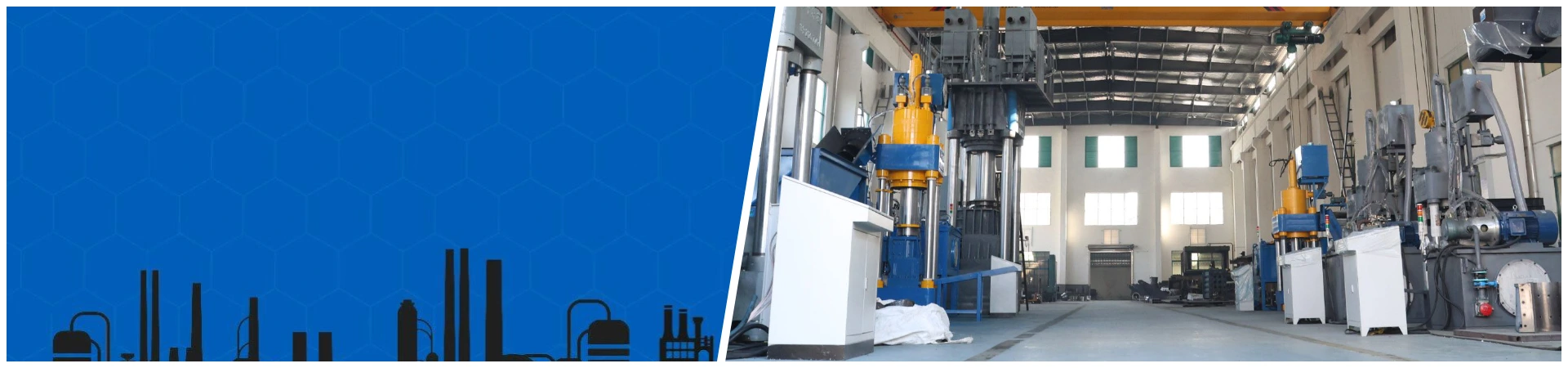
In-House Manufacturing
Core equipment is manufactured, assembled, and tested at our own production facility.
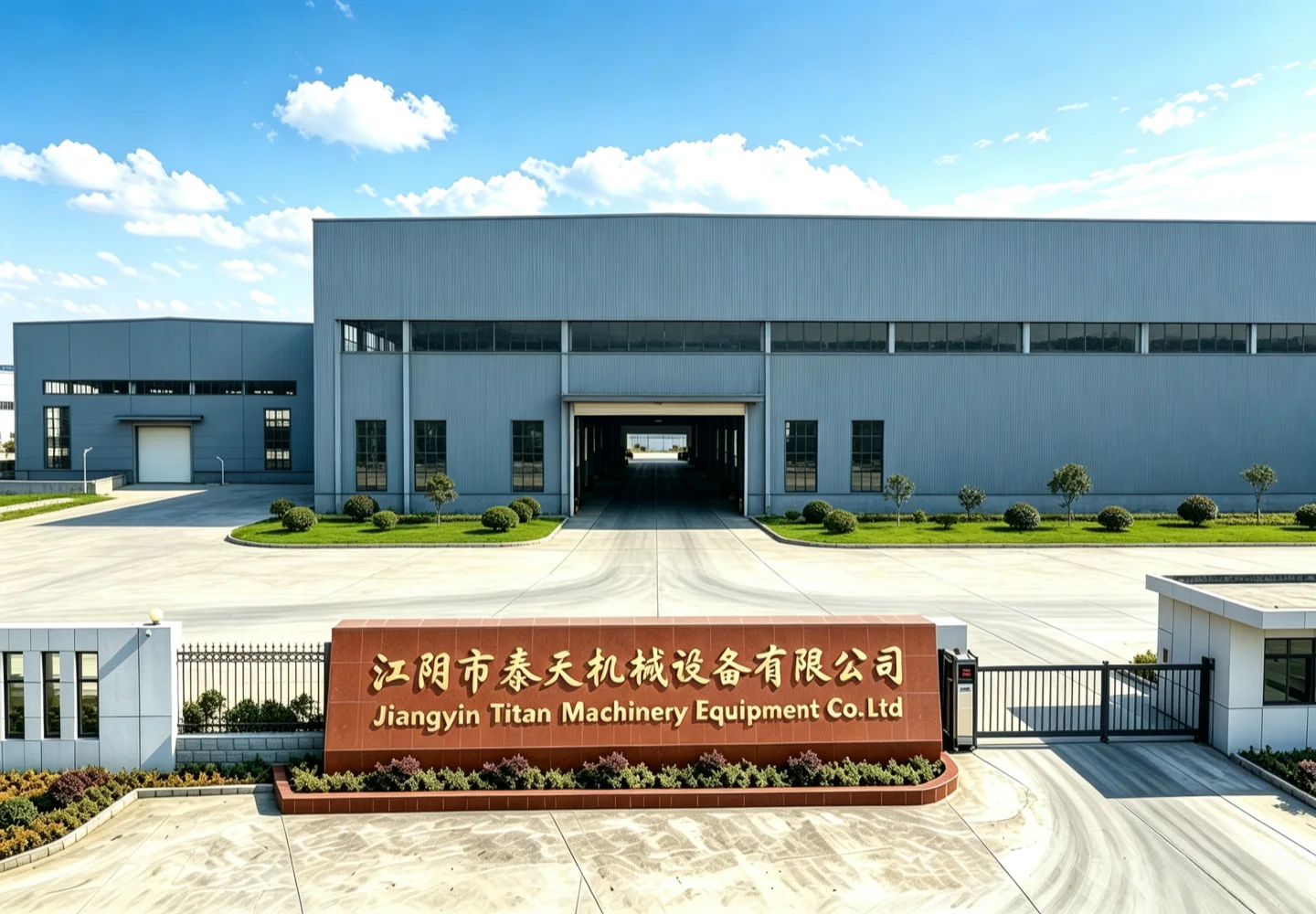
Who We Are
Drawing on years of experience in metal recycling equipment, TITAN brings together engineering, manufacturing, and project support to provide reliable equipment and recycling solutions to customers worldwide.
Founded in 2013, TITAN is a metal recycling equipment manufacturer with its own production facility. We focus on helping operations of different scales improve scrap metal processing efficiency through reliable equipment and configurations suited to actual operating conditions.
Years of project experience across different scrap conditions, processing scales, and site environments have also enabled our engineering team to continuously improve equipment design and application solutions around specific recycling challenges.
To date, TITAN has supplied more than 3,000 machines and systems to customers in over 20 countries and regions. Continuous engineering improvement, manufacturing experience, and practical project work together to form the foundation of our ability to support metal recycling projects worldwide.
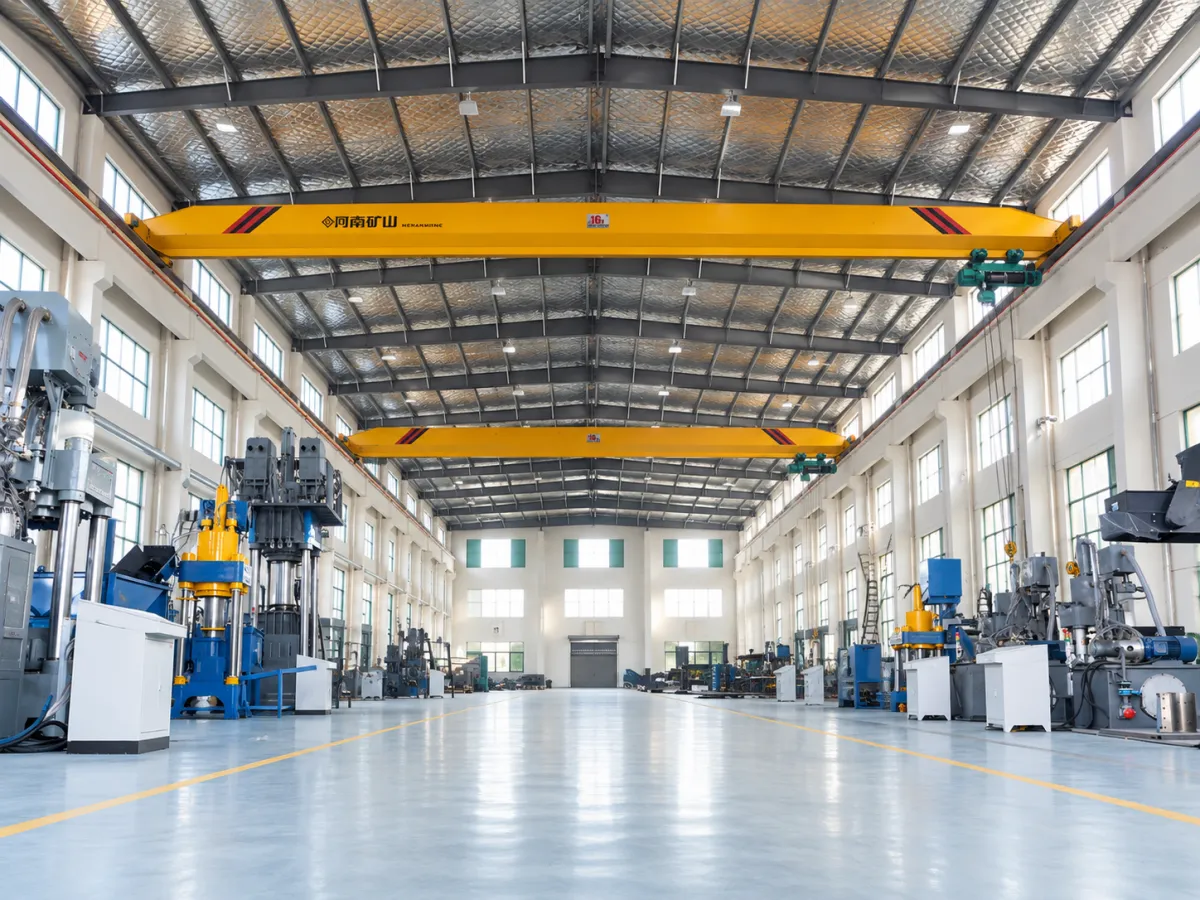
Core equipment is manufactured, assembled, and tested at our own production facility.
Standardized quality management processes support equipment manufacturing and inspection.
Download CertificateRelevant CE compliance documentation is provided according to the equipment and project requirements.
Download Declaration of ConformityTesting and application experience covering scrap metals with different material types, forms, and operating conditions.
Manufacturing & Quality Control
Reliable metal recycling equipment depends not only on design specifications, but also on consistent execution throughout manufacturing, assembly, and verification.
TITAN manufactures and assembles equipment at its own facility and carries out the relevant inspections and operational verification according to the equipment type, project configuration, and application requirements. Because machines differ in structure, hydraulic systems, drive systems, and working loads, manufacturing and verification requirements must also be defined according to the specific machine and project conditions rather than applying one fixed process to every piece of equipment.
Structural and system design is developed according to the equipment type, model, and project configuration, providing a clear engineering basis for subsequent manufacturing and assembly.
At this stage, particular attention is given to the relationship between the equipment structure, main operating mechanisms, hydraulic or drive systems, and related configurations.
For projects involving multiple machines or a complete processing system, engineering design must also consider equipment configuration, process integration, and relevant interface requirements.
Structural components and related parts are manufactured according to the engineering drawings and equipment configuration before the machine enters final assembly.
During assembly, the mechanical structure, hydraulic system, drive system, electrical components, and related parts are connected and adjusted according to the machine type so that the different mechanisms can operate together as designed.
Because different machines have different structures and load characteristics, manufacturing and assembly controls are also adapted to the specific equipment.
After assembly, the equipment undergoes the appropriate functional inspections and operational verification according to its model and configuration.
This stage focuses on checking the movement of major mechanisms, system connections, control logic, and the overall operating condition of the machine, establishing a basis for subsequent delivery or further testing.
The specific inspection and verification items are determined by the equipment structure, configuration, and project requirements rather than applying the same test procedure to every machine.
For projects where material suitability or actual processing performance needs to be further confirmed, testing can be carried out with customer-supplied or representative materials where project conditions allow.
Actual material testing makes it possible to further observe the equipment's suitability for the target scrap, operating behavior, processing capacity, and output condition, providing engineering reference for project configuration and subsequent application.
Project Engineering Process
Projects differ in material conditions, required processing capacity, site conditions, and process objectives.
At the beginning of each project, TITAN first confirms the actual requirements and then develops the equipment and project configuration based on existing application experience and any necessary engineering evaluation, rather than starting directly from a particular machine model.
The purpose of this approach is not to apply a fixed selection formula, but to ensure that project conditions, equipment capabilities, and the project scope are sufficiently defined before manufacturing begins.
At the start of a project, we first confirm the material to be processed, target processing capacity, site conditions, and the specific problem the customer wants to address.
The objective at this stage is to establish a shared understanding of the project requirements and identify any technical conditions that require further clarification, rather than immediately selecting a specific model.
When the equipment needs to integrate with an existing production line or other process stages, its position within the overall process and the basic interface requirements also need to be understood.
Once the basic project information has been established, TITAN's engineering team evaluates equipment suitability and key operating conditions based on existing equipment and project experience.
For conventional projects, existing application experience can provide a basis for further assessment. Where material conditions are unusual, processing objectives are more complex, or the available information is insufficient, photos, videos, material samples, or material testing can be used as needed to support the evaluation.
The purpose is to clarify the key project conditions and remaining uncertainties as far as possible before equipment configuration is finalized.
Once the project conditions are clear, the appropriate equipment type, model, and required configuration can be determined.
For a stand-alone machine, the focus is on confirming whether its capabilities match the actual requirements. For projects involving multiple machines, conveying, sorting, or other upstream and downstream process stages, the system configuration and relevant interface requirements are further defined according to the actual project scope.
Before manufacturing begins, the main technical requirements, equipment configuration, and project scope agreed by both parties are confirmed.
Where additional testing or engineering verification is required, the relevant validation can be completed first before the subsequent implementation scope is finalized.
This allows the engineering, manufacturing, and delivery stages to proceed on the basis of confirmed project conditions and helps reduce information gaps between the equipment configuration and its actual application.
Global Project Experience
Material sources, processing objectives, production scales, and site conditions vary from one country and customer to another.
TITAN has built practical equipment application experience through different types of projects. The following four projects represent different applications involving briquetting, baling, shredding, and shearing, showing how TITAN's engineering and manufacturing capabilities are applied in real production environments.
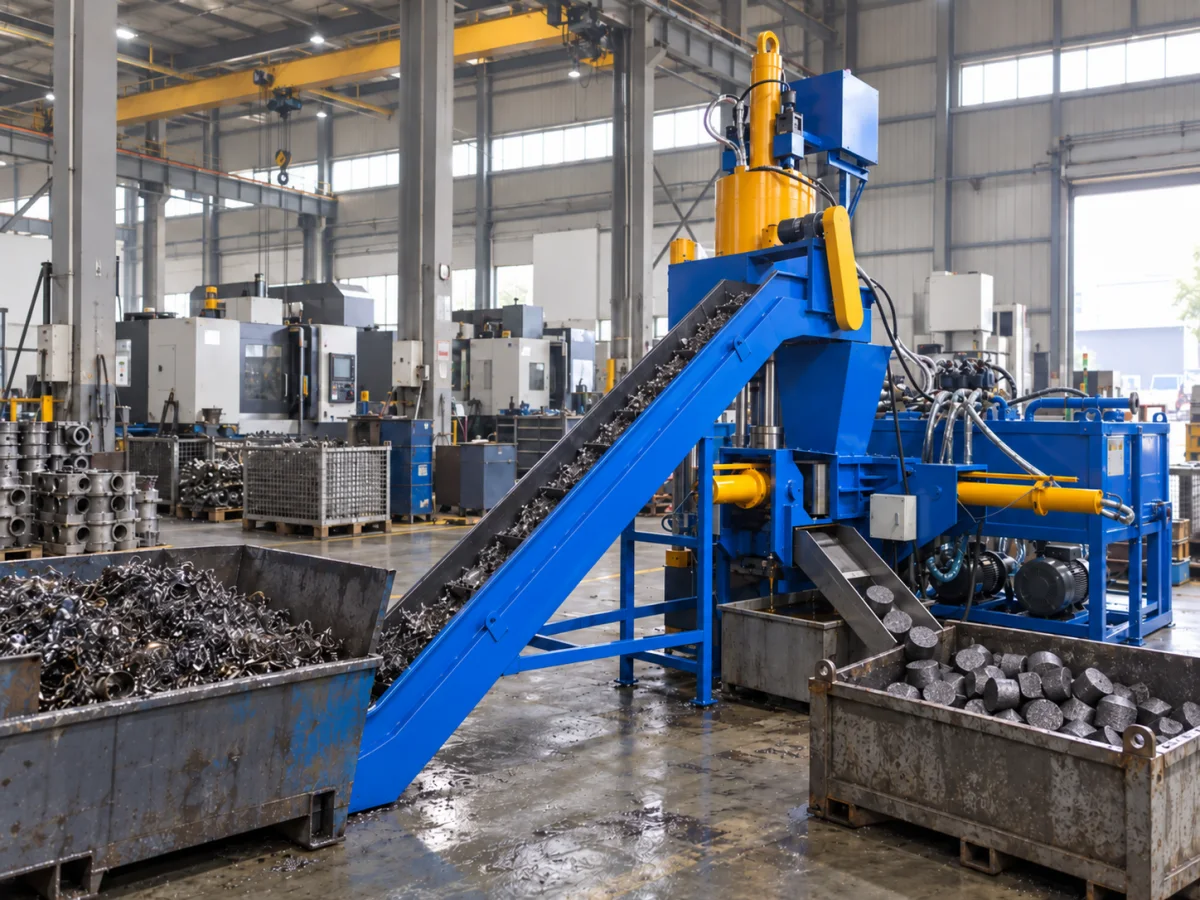
The customer's machining workshop continuously generated gray cast iron chips and ductile iron chips with residual oil. When collected directly in loose form, the material could not readily meet the steel mill's requirements for subsequent use.
The project used metal briquetting equipment to compact the chips while incorporating oil collection during the process.
The processed briquettes successfully met the steel mill's furnace-charging requirements.
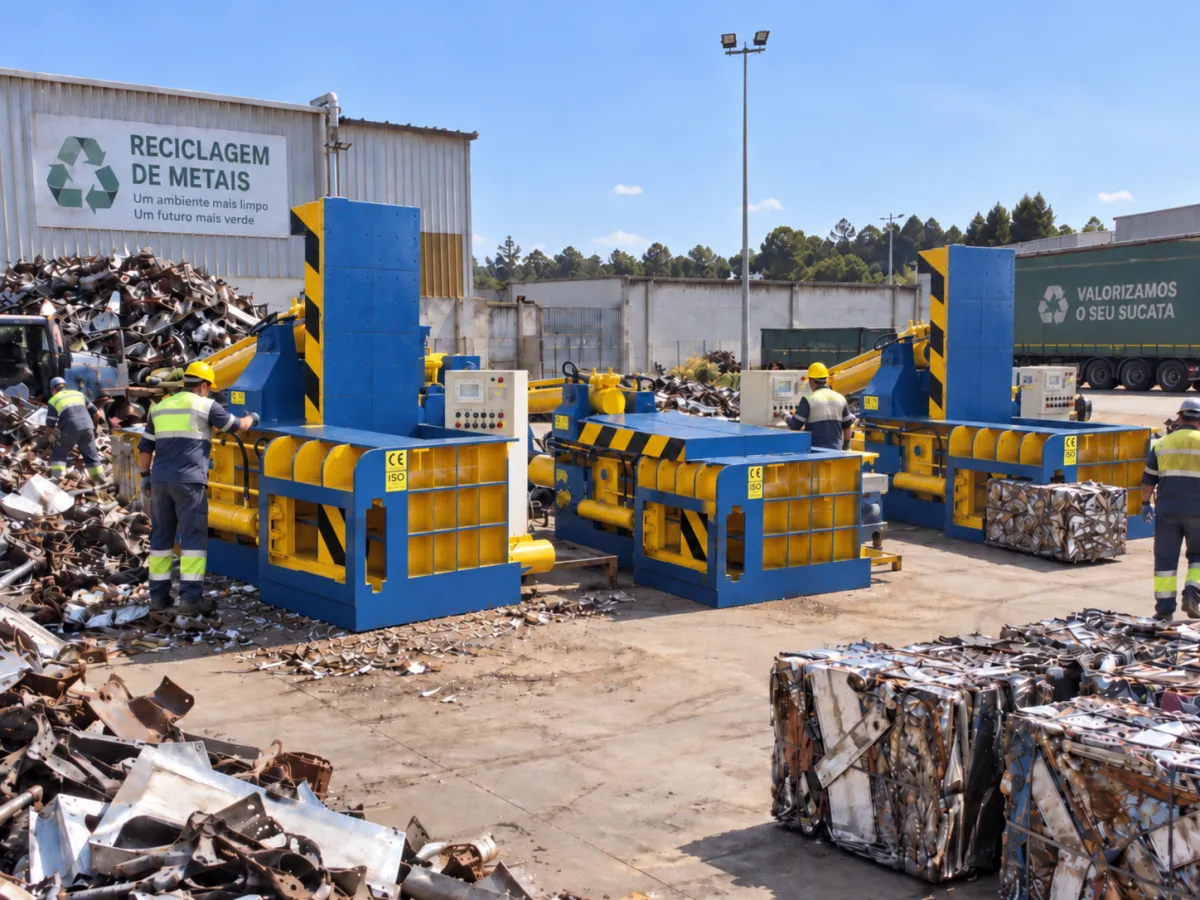
The customer operates a large steel scrap recycling yard that continuously receives bulky materials including scrap vehicle bodies, discarded appliance housings, and industrial offcuts.
When accumulated in large volumes, these materials occupied substantial yard space and increased the burden of on-site handling and processing. The main objective of the project was therefore to reduce the volume of loose scrap through baling.
The baler compressed the loose scrap into more compact metal bales, improving yard utilization as well as subsequent storage and transportation conditions.
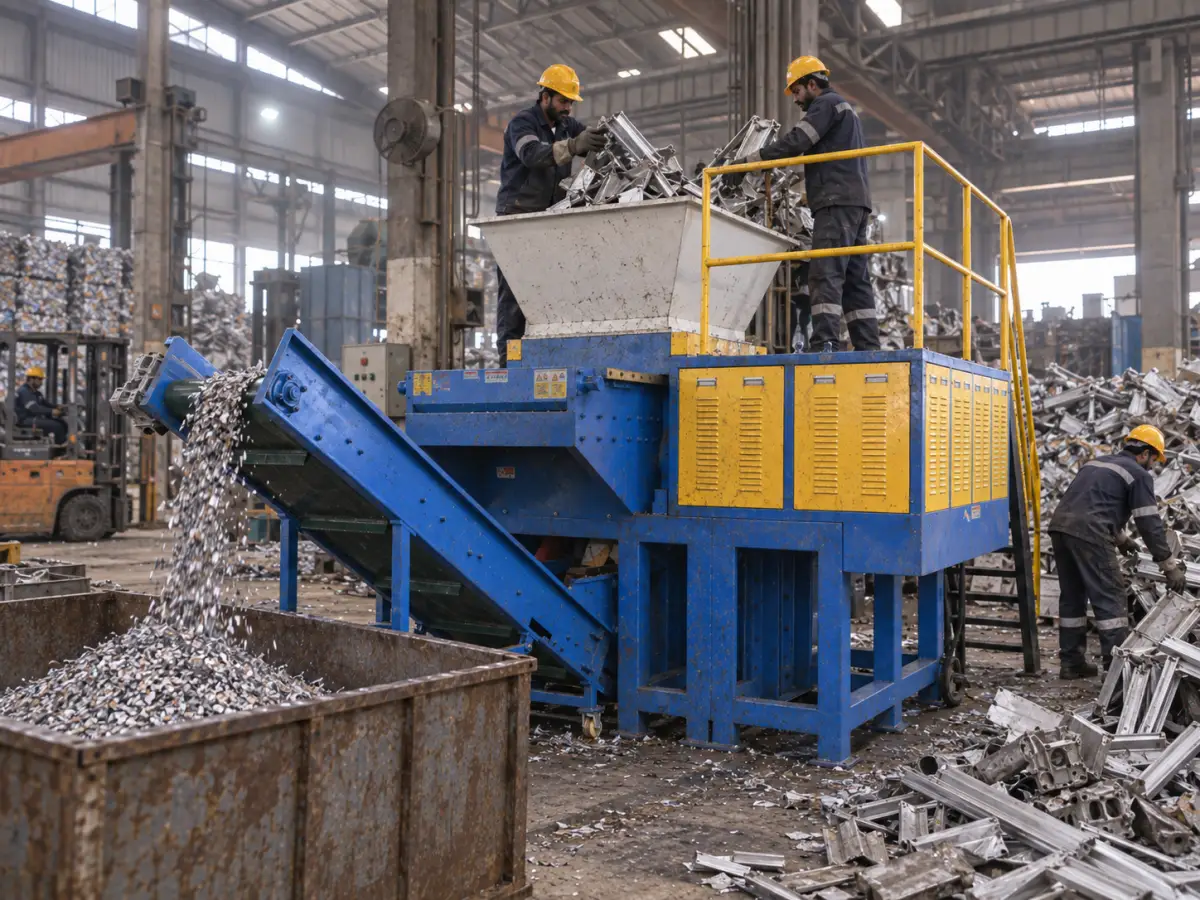
The customer is an aluminum recycling company that needed to process different forms of aluminum alloy scrap, including door and window profiles, automotive aluminum castings, scrap aluminum sheet, and light-gauge aluminum scrap.
Shredding reduced the size of large and irregular aluminum scrap, providing a material condition better suited to subsequent processing stages.
This throughput met the customer's existing production requirements.
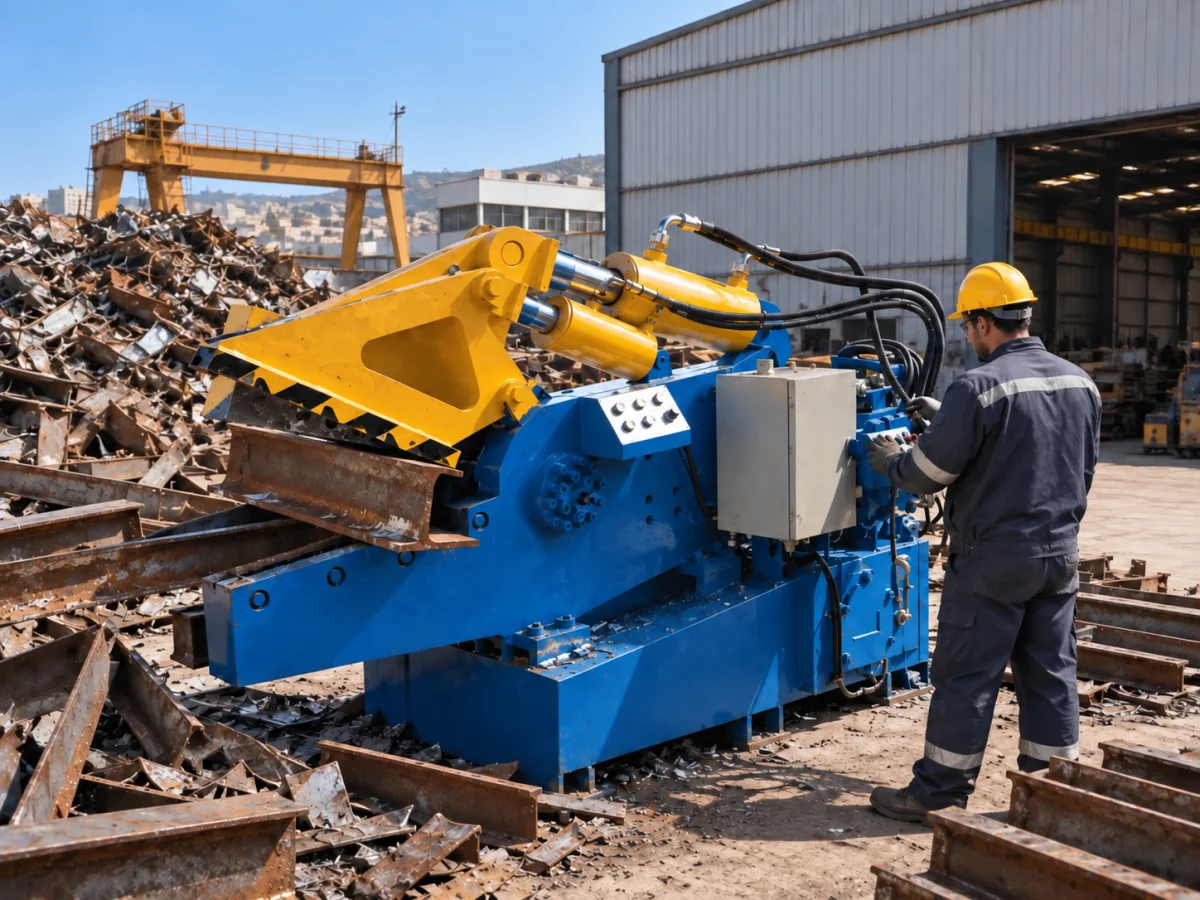
The customer is a small-to-medium-sized steel scrap processor that needed to handle different types of scrap metal profiles while maintaining a reasonable balance between equipment investment and actual processing capacity.
The project uses a Q43-5000 alligator shear for cold shearing of round bar, square bar, channel, I-beam, steel plate, and steel pipe.
After commissioning, the machine increased the customer's steel scrap shearing capacity.
Delivery & After-Sales Support
A metal recycling equipment project does not end when manufacturing is complete.
Site preparation before delivery, installation and commissioning, operator familiarity with the equipment, and subsequent maintenance and technical issue handling can all affect how smoothly the machine enters actual production.
TITAN provides the relevant delivery and technical support according to the equipment type, project complexity, project location, and contractual scope.
Before shipment, the necessary inspections and delivery preparation are completed according to the equipment and project configuration, together with the relevant technical documentation.
For projects that require the customer to prepare equipment foundations, power supply, or other site conditions in advance, TITAN can provide the relevant engineering information within the project scope to support installation preparation.
After the equipment arrives on site, technical support for installation, connection, commissioning, and operational confirmation is provided according to the project scope.
Depending on the complexity of the equipment, project location, and actual requirements, support can be provided remotely or on site.
During commissioning, the focus is on confirming the machine's main functions, system connections, and operating condition after installation so that it is ready to enter normal operation.
Once the equipment is in operation, TITAN can provide operator training, technical troubleshooting, maintenance recommendations, and spare-parts support according to the specific project and equipment.
The purpose of this support is to help customers better understand the equipment's operating and maintenance requirements and obtain appropriate technical assistance when specific equipment issues arise.
Feedback generated during long-term operation can also contribute to subsequent engineering improvements and equipment application experience.
Final CTA
Tell us about the scrap you are processing, your target processing capacity, site conditions, and project requirements.
TITAN's engineering team will review the specific operating conditions with you and further confirm the equipment and project configuration.