Aluminium Scrap Recycling Solutions: Define the Processing Route by Material Classification and Scrap Condition
Aluminium scrap can come from machining, metal manufacturing, building demolition, automotive components, scrap collection and other sources. It may enter the recycling process as chips, profiles, sheet offcuts, light-gauge scrap, large castings, or mixed and composite aluminium scrap.
Scrap from different sources can vary in alloy composition, physical form, dimensions, degree of contamination or mixing, and whether it carries cutting oil, coolant or other process fluids.
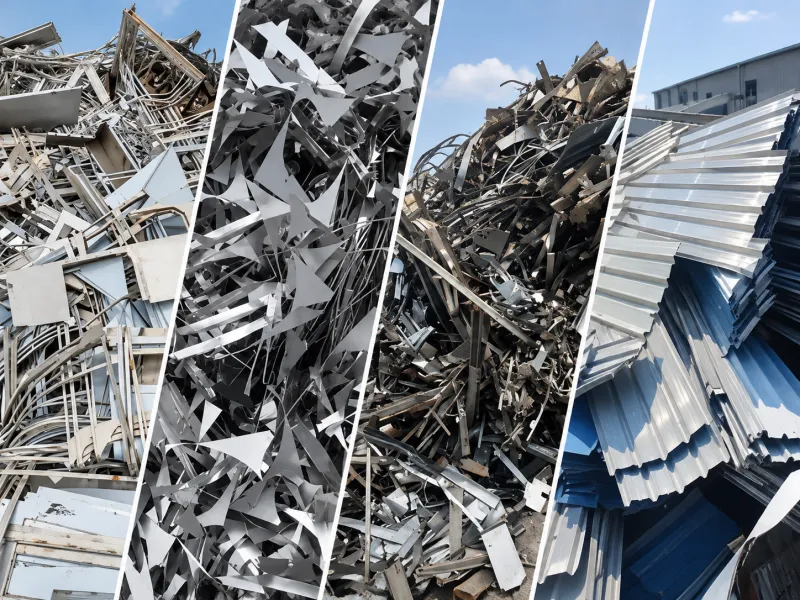
For this reason, aluminium scrap cannot be assessed simply by asking whether the material is aluminium.
Where the source and alloy category are already known, the existing classification and separate material streams should be maintained wherever practical. Different materials, or scrap that can already be identified, should not be remixed unnecessarily.
The purpose of mechanical processing is to solve the actual problem preventing the scrap from moving efficiently into the next stage, not to add a fixed sequence of equipment.
The first question when defining an aluminium scrap processing route should therefore be:
What aluminium scrap is being handled, and what needs to change before it enters the next process?
If the scrap is already properly classified, has suitable dimensions and can move directly into downstream handling, sorting, melting or another recycling stage, additional mechanical processing may not be necessary.
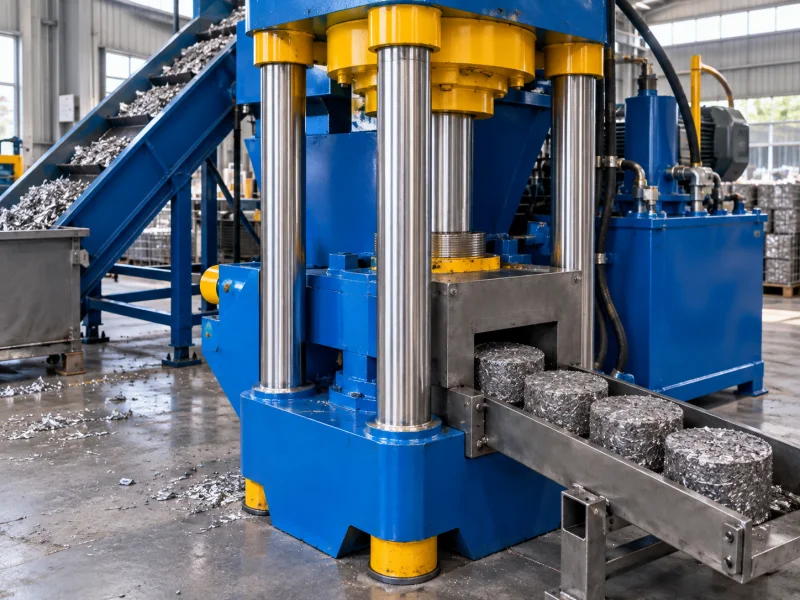
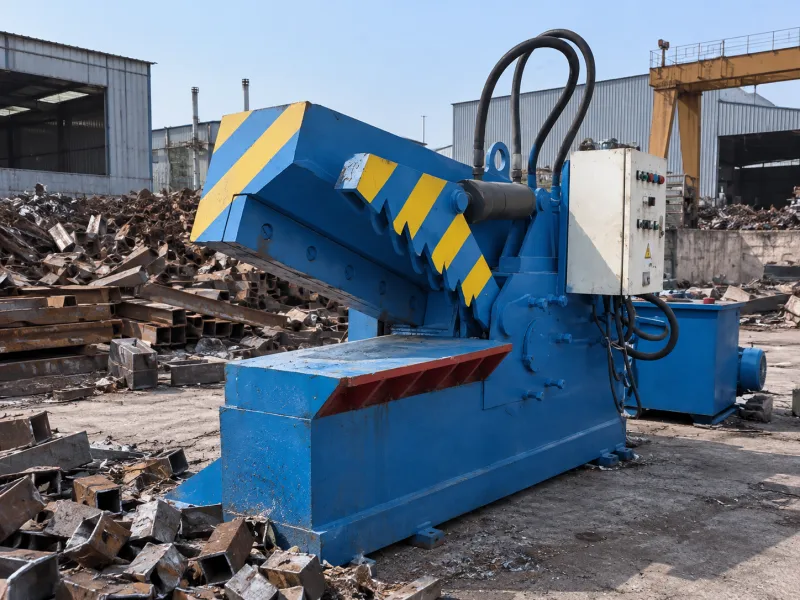
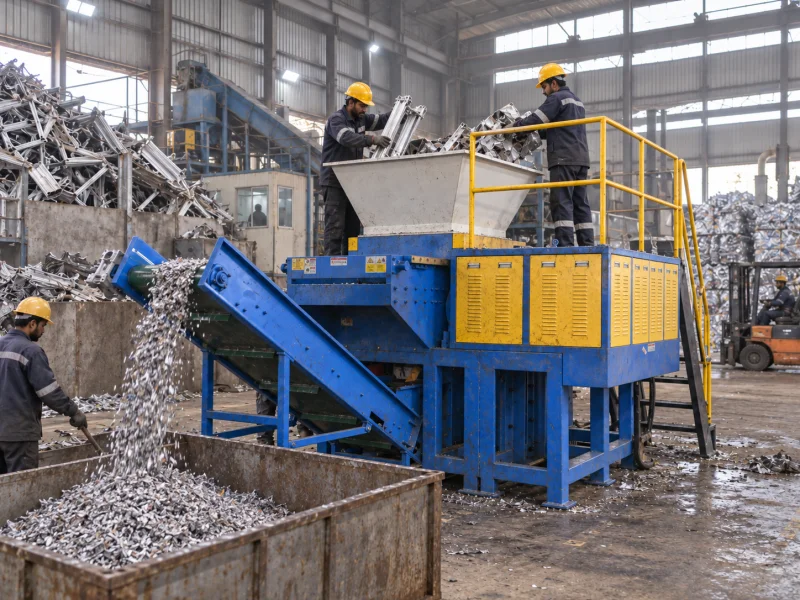
TITAN primarily configures mechanical preparation solutions such as briquetting, baling, shearing and shredding according to the material, form, dimensions, liquid content, required throughput and downstream requirements of the actual aluminium scrap. Where required, these stages can be coordinated with appropriate upstream or downstream treatment.