Different Metal Chip Conditions Require Different Processing Paths
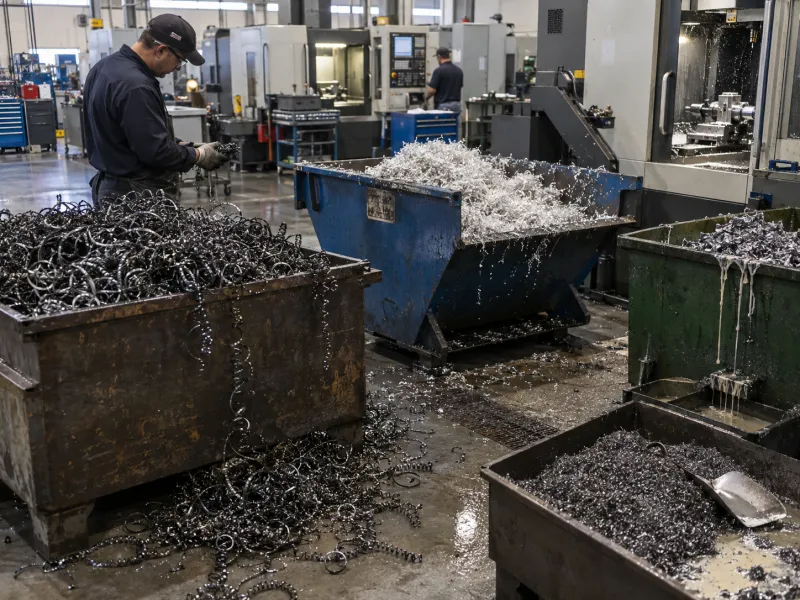
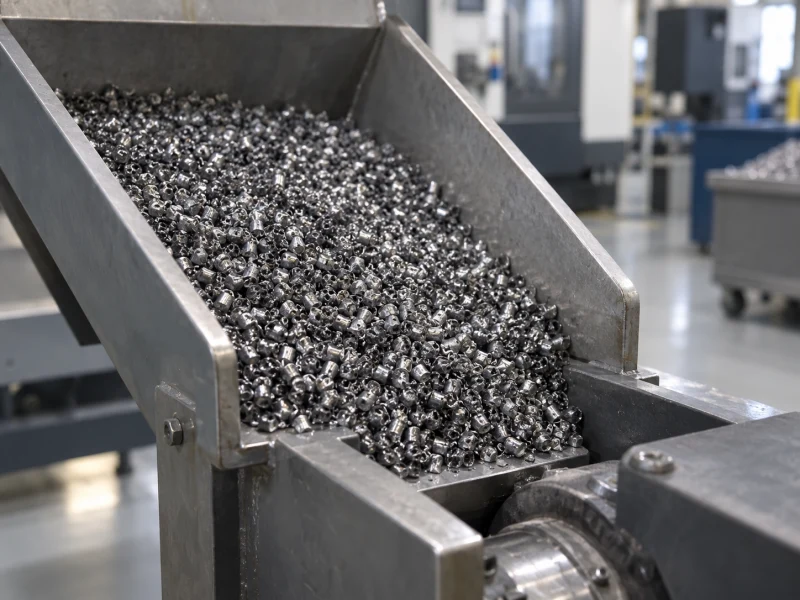
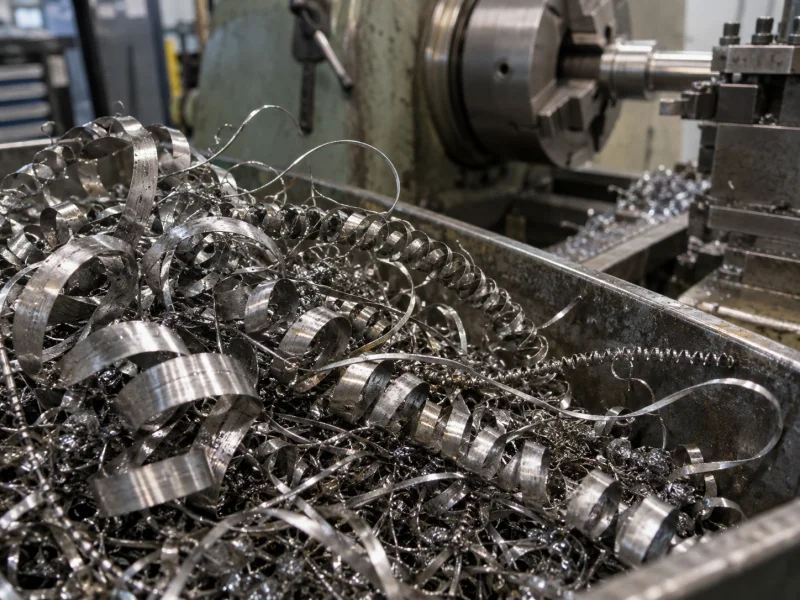
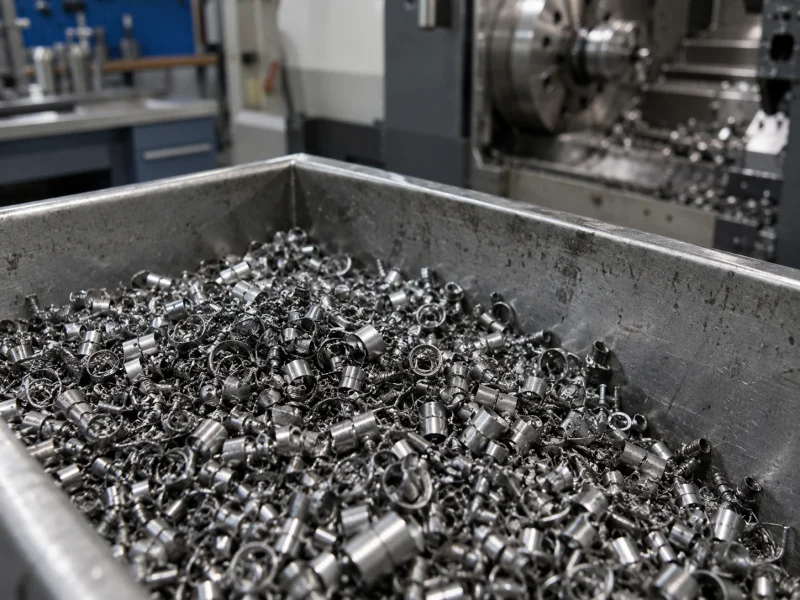
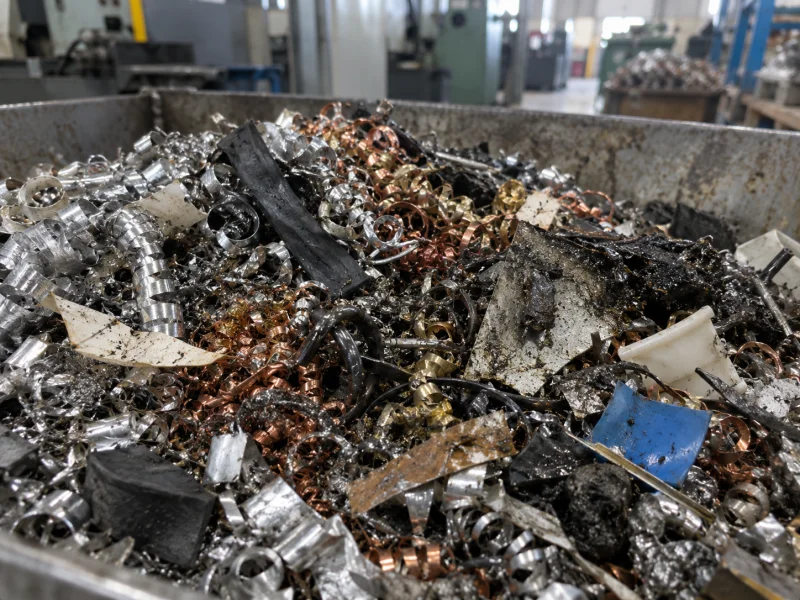
Machining processes — cutting, turning, milling, drilling, finishing, and others — generate metal chips in many different forms and conditions.
Chips may be short fragments or particles, curled turnings, long continuous chips, or fine powders. Some are relatively dry; others carry cutting oil, coolant, or moisture. The metal itself also matters: hardness, ductility, oxidation behavior, and safety risks all vary by material.
When loose chips remain in their original state for extended periods, they can make shop-floor cleanup more difficult, cause fluid leakage, increase operator contact risks, lead to material mixing, and complicate downstream recycling.
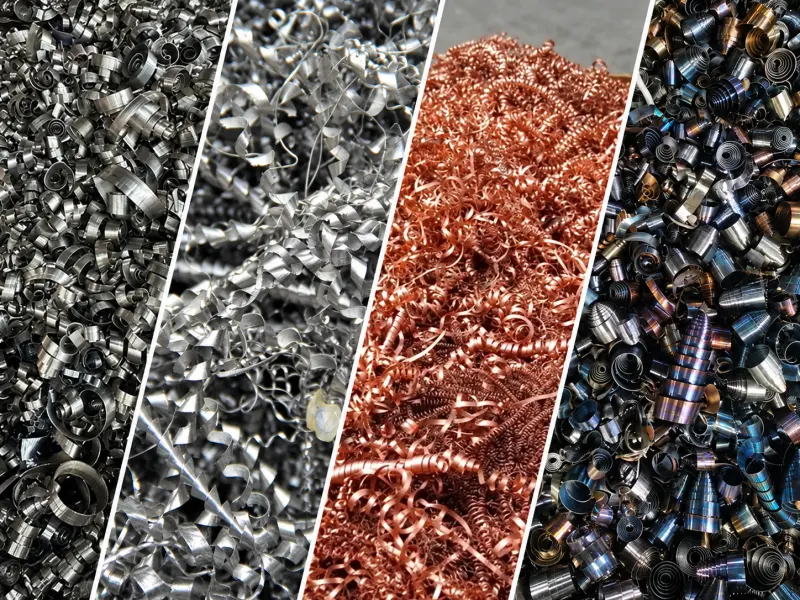
TITAN does not take a one-machine-fits-all approach to metal chip processing. Start by evaluating the material properties, chip form, liquid content, degree of mixing or contamination, and any safety risks. Then determine whether the material needs size reduction, fluid separation, sorting, or other necessary treatment.
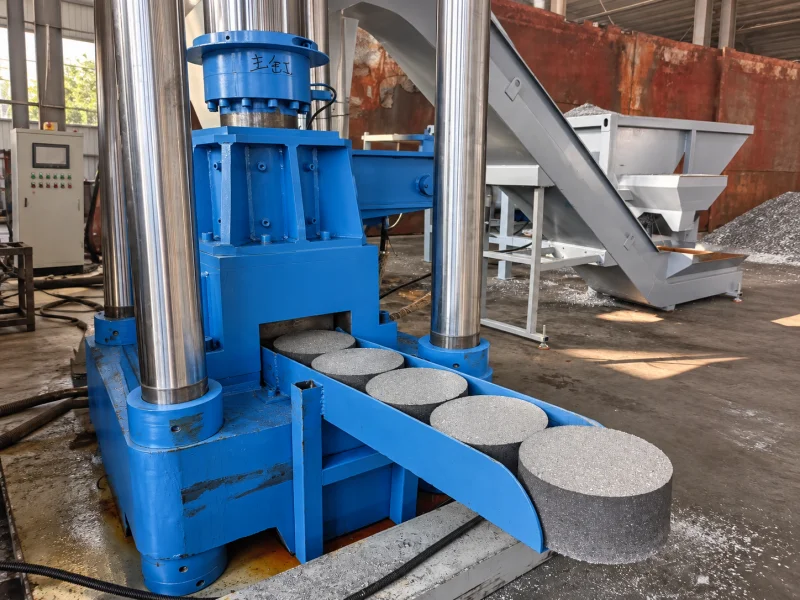
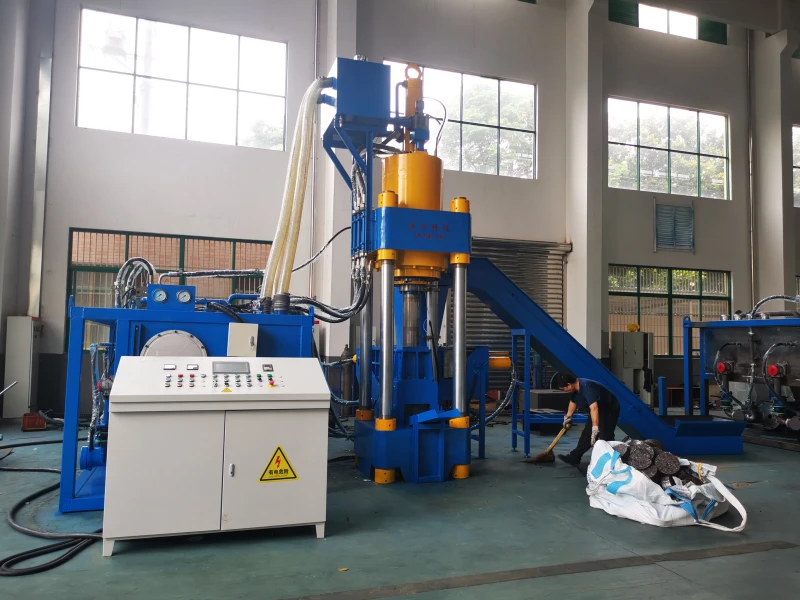
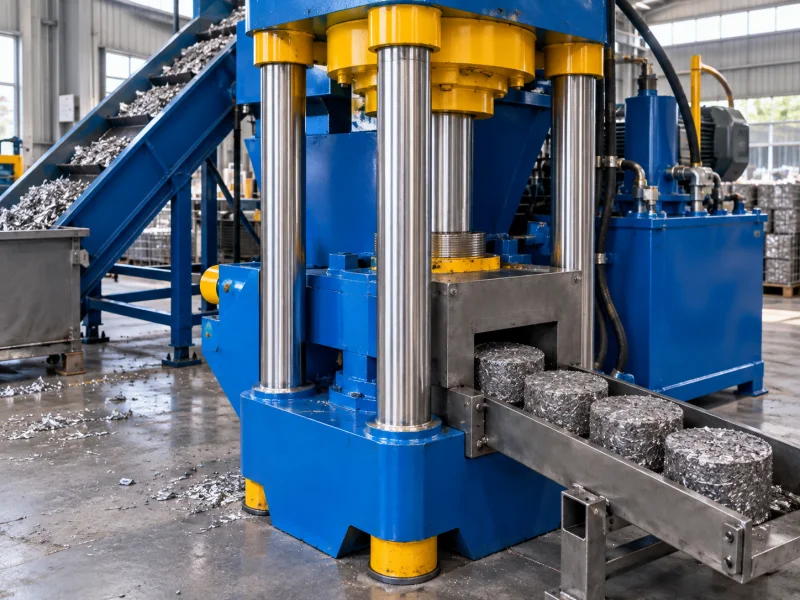
Once the chips are suitable for briquetting, high-pressure briquetting turns the loose material into denser, more uniform briquettes. These briquettes are easier to store, transport, sell, recycle, or — where conditions allow — remelt.
First understand the condition of the metal chips. Then decide how to process them.