Light Scrap Recycling Solutions: Choose the Right Processing Route Based on Scrap Condition
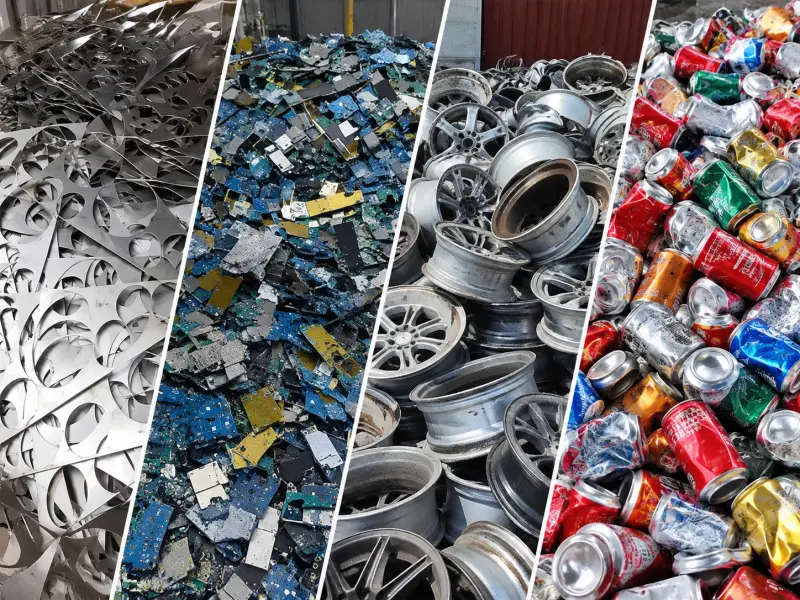
Light scrap generally refers to metal scrap that is thin, light in construction, or hollow and loosely piled, giving it low bulk density and causing it to occupy a relatively large amount of space. Typical examples include thin sheet offcuts, scrap sheet metal, profiled coated steel sheets, beverage cans, thin-walled metal containers, light-section metal profiles, and some discarded metal casings.
Here, “light” describes the physical form and bulk condition of the scrap rather than the density of the metal itself. Thin steel scrap, thin aluminium scrap, and other metal scrap with low bulk density can all fall within the scope of light scrap processing.
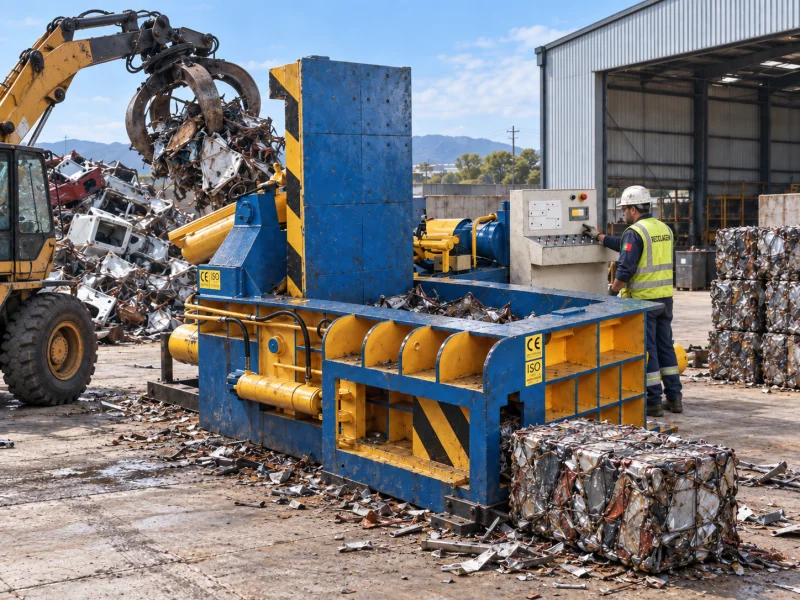
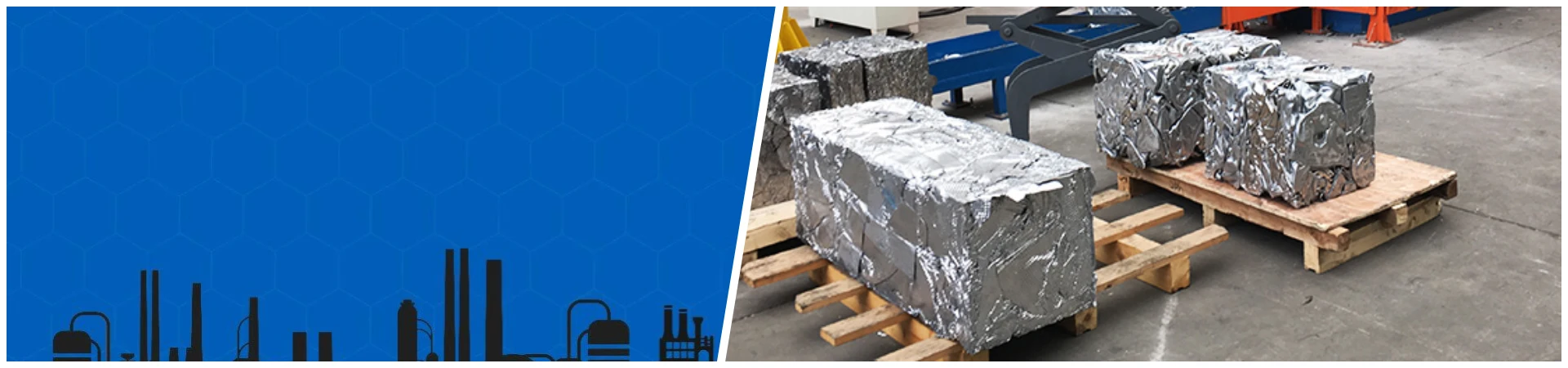
The most common issue with this type of material is the large amount of space it occupies because of its low bulk density, which can reduce yard utilisation and handling and transport efficiency. In some light-scrap transport situations, a vehicle may run out of loading space before reaching its permitted payload. Reducing the bulk volume of loose scrap can therefore become the main processing objective.
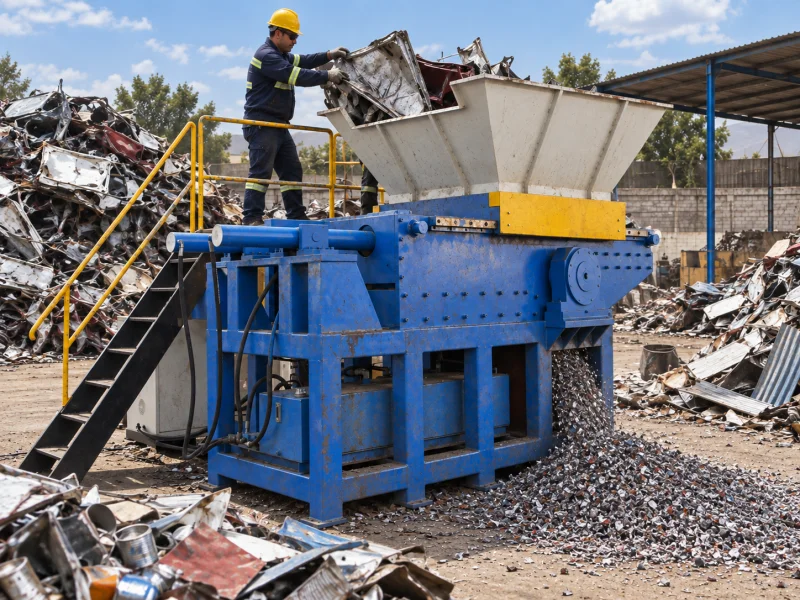
However, different light scrap streams do not necessarily have the same objective. Some only need volume reduction, while others require further changes in size and form to create more suitable conditions for downstream sorting, feeding, or recycling.
A suitable light scrap solution should therefore not start with equipment selection. The first question is whether the main problem is excessive bulk volume or whether the current size and form are unsuitable for the next process.
TITAN configures baling and shredding systems according to scrap material, form, required throughput, site conditions, and downstream requirements, integrating upstream or downstream stages where required. The aim is to prepare light scrap for more efficient storage, transport, or downstream recycling.