Scrap Metal Shredder

Scrap Metal Shredder for Volume Reduction

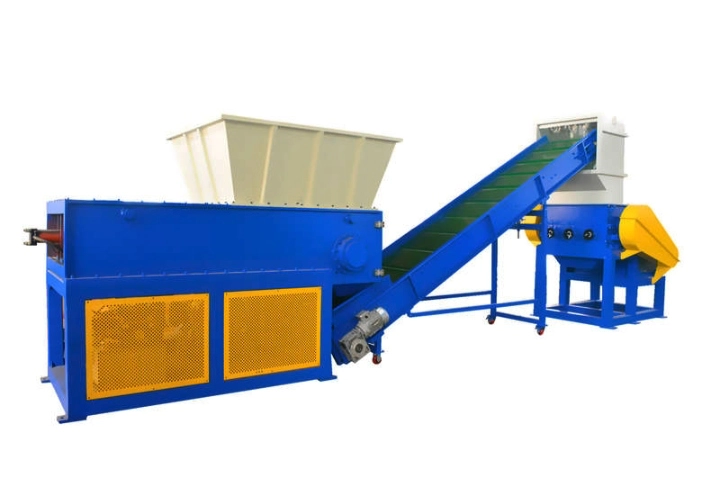
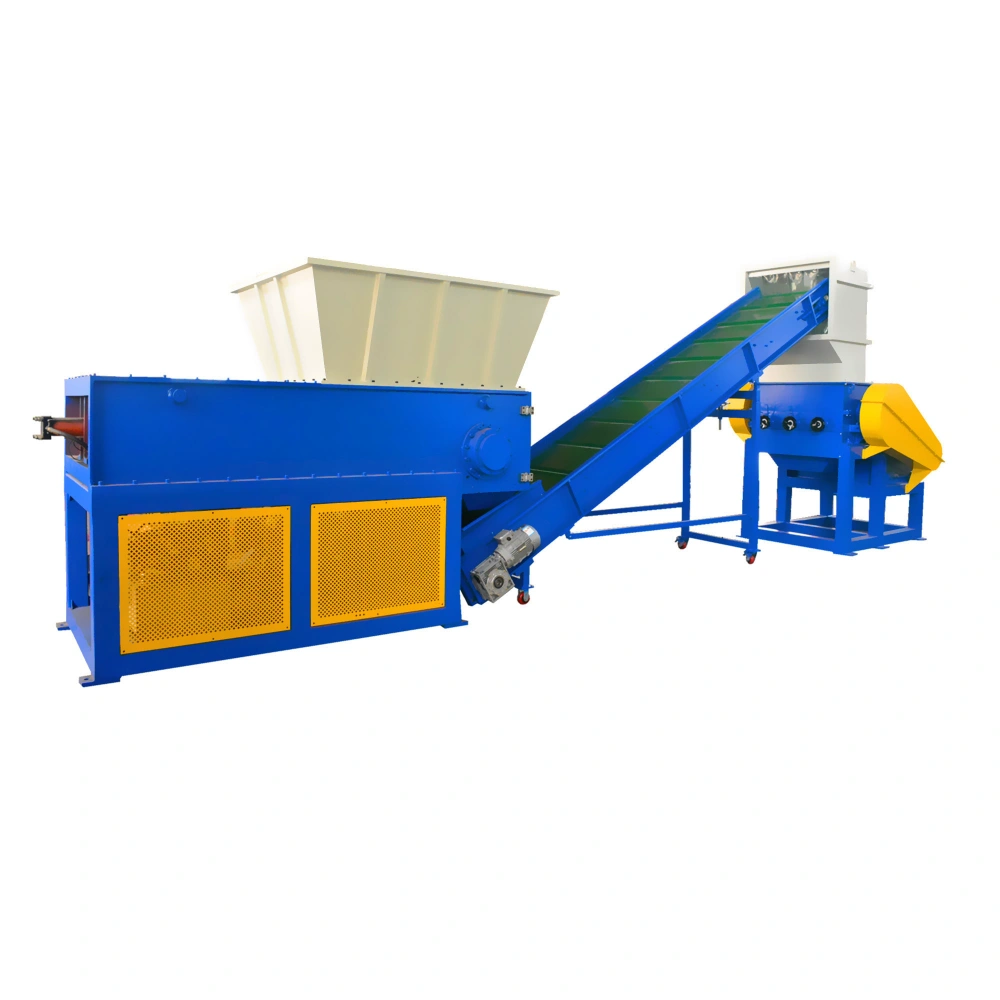
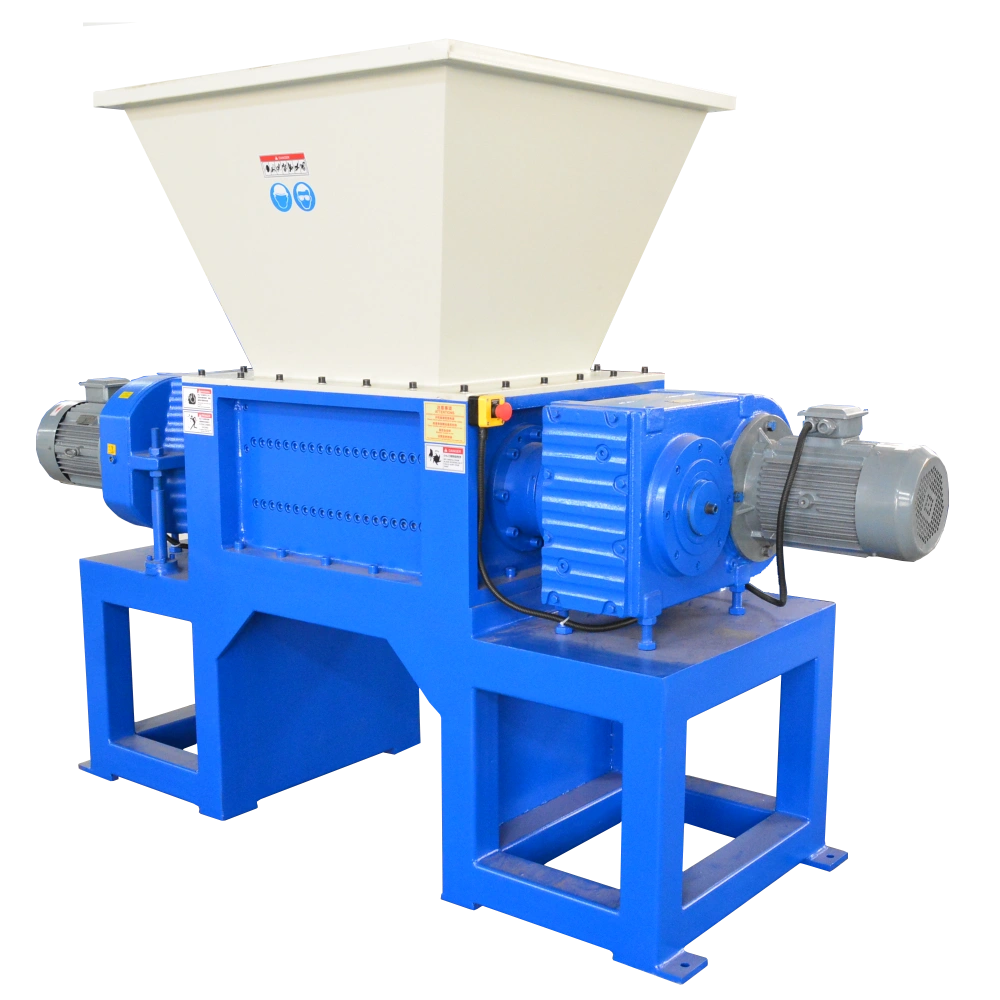
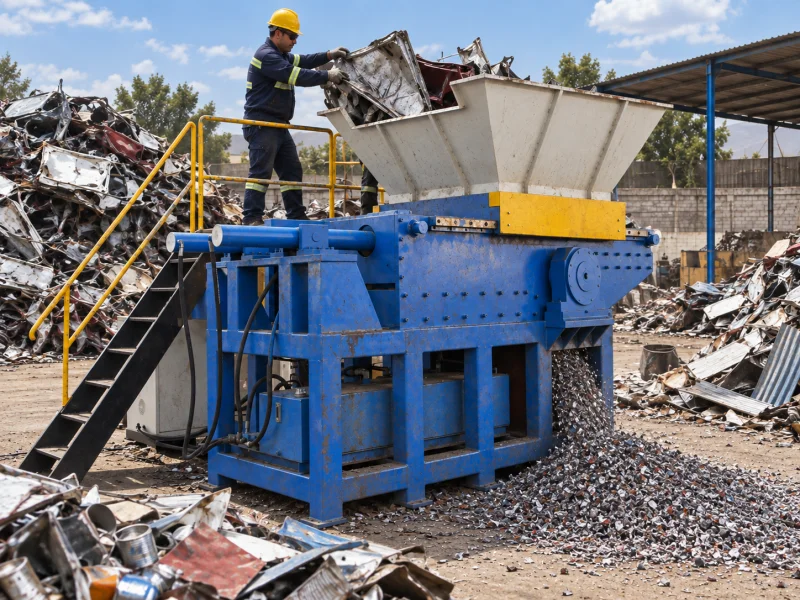
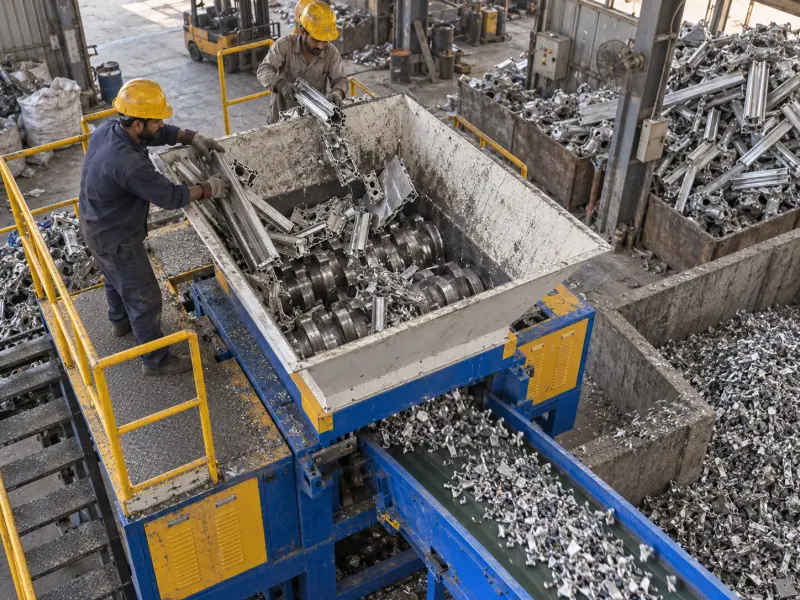
TITAN metal shredders reduce bulky, irregular, or loosely packed scrap metal into smaller, more uniform metal fragments. The processed material takes up less space and is easier to handle, making it easier to convey and sort, and better suited to downstream recycling or melting. Based on the metal type, feed size and form, required throughput, and downstream process requirements, TITAN can match the appropriate machine specifications, infeed and discharge arrangements, and supporting configurations to the actual operating conditions of each scrap metal processing project.

Scrap Metal Shredder for Volume Reduction

Applicable Materials and Shredding Results

Metal type, feed size, structural form, and the presence of non-shreddable materials all affect feeding characteristics and final shredding results. TITAN evaluates equipment suitability based on the actual material conditions and determines the appropriate shredding solution according to the required throughput and output specifications.

Common Suitable Materials

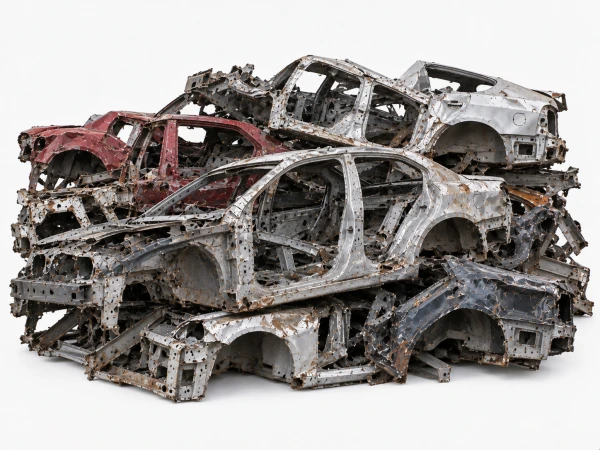
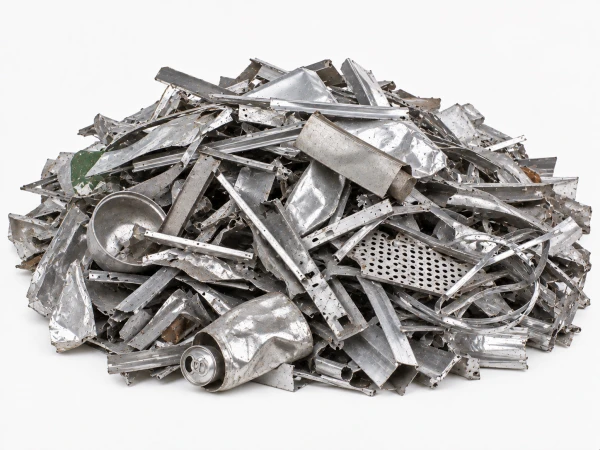
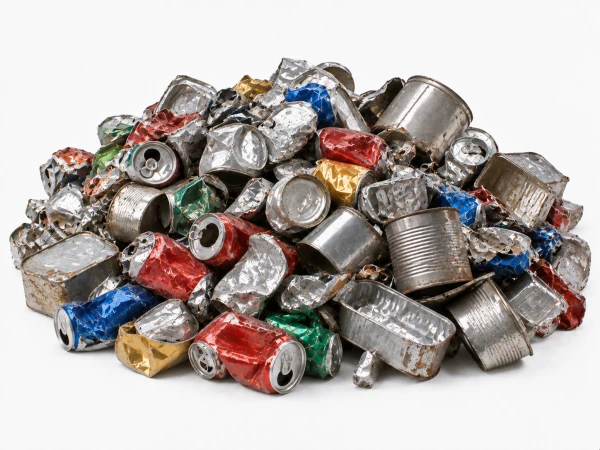
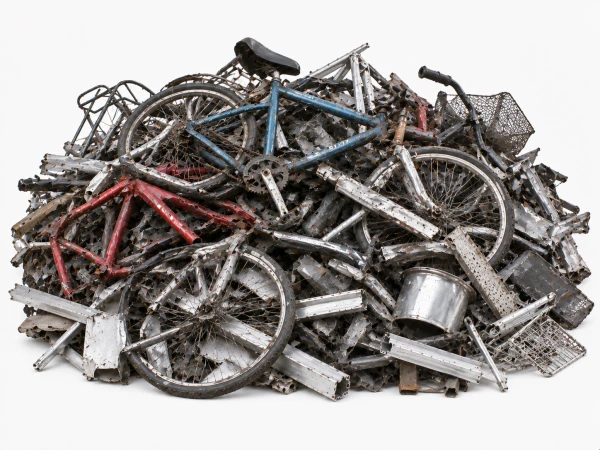
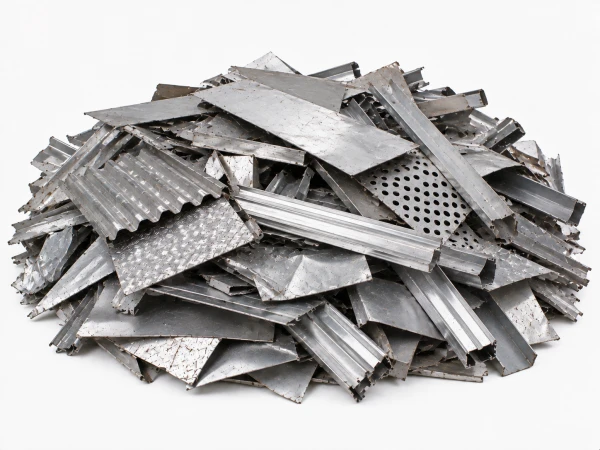
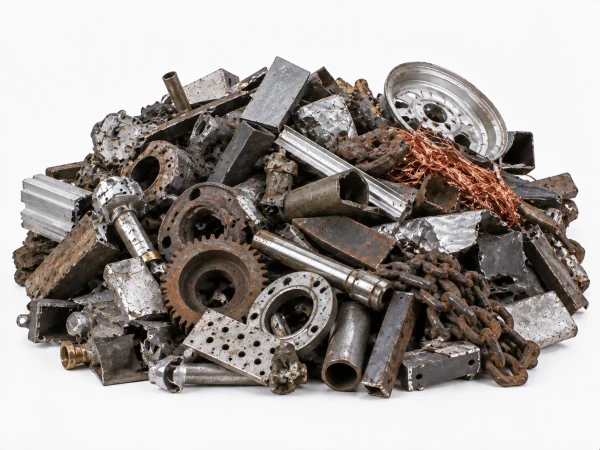
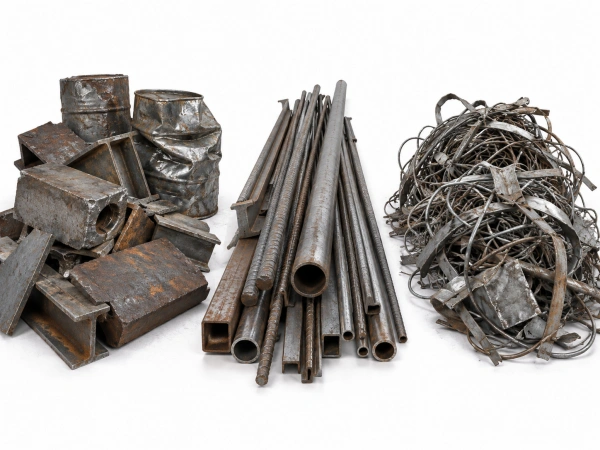
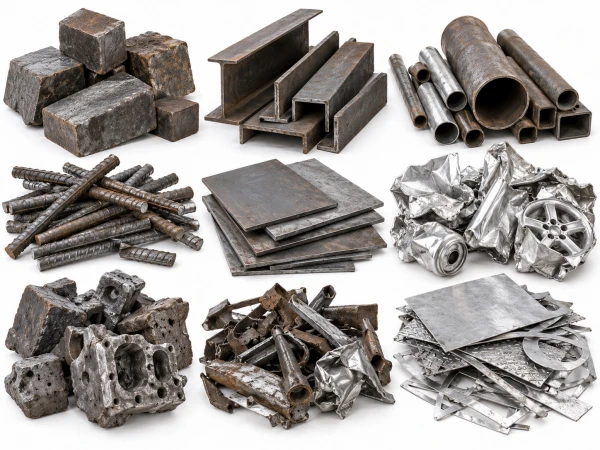
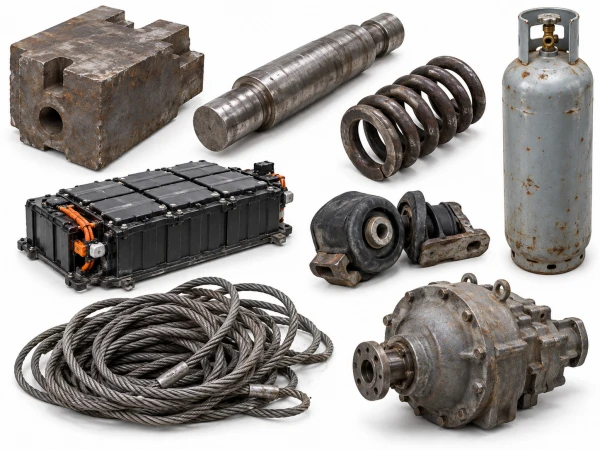
TITAN metal shredders are suitable for volume reduction and shredding of a wide range of bulky, irregular, or light-gauge scrap metal.

Material category alone can only support a preliminary suitability assessment. Even within steel scrap or aluminium scrap, differences in size, hardness, structure, and how the material is combined may require different shredding conditions. Final suitability should therefore be confirmed against the actual feed material and required output.

Feed Conditions to Confirm Before Shredding

Feed Size and Form

Feed Size and Form

Bulky items, long pieces, and tangled scrap present different feeding conditions. The maximum feed size and actual material form should be assessed together to determine whether the material can feed reliably into the shredder and to reduce the risk of blockage, entanglement, or jamming.

Material Type, Hardness, and Structure

Material Type, Hardness, and Structure

Different metal types, hardness levels, and structural forms behave differently during shredding. A material label such as “steel scrap” or “aluminium scrap” alone is not enough to determine whether the same machine configuration is suitable for every feed condition.

Non-Shreddable and Abnormal Materials

Non-Shreddable and Abnormal Materials

Materials that exceed the processing limits of the target machine, or are unsuitable for shredding because of their size, hardness, structure, hazardous characteristics, or other factors, should be identified and separated before feeding rather than processed together with normal scrap metal.

Actual Shredding Tests

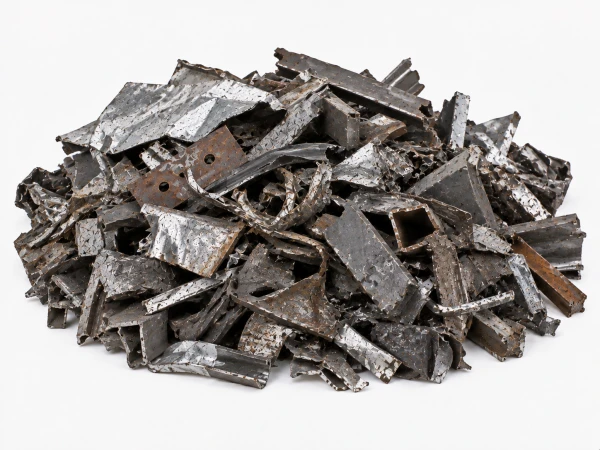
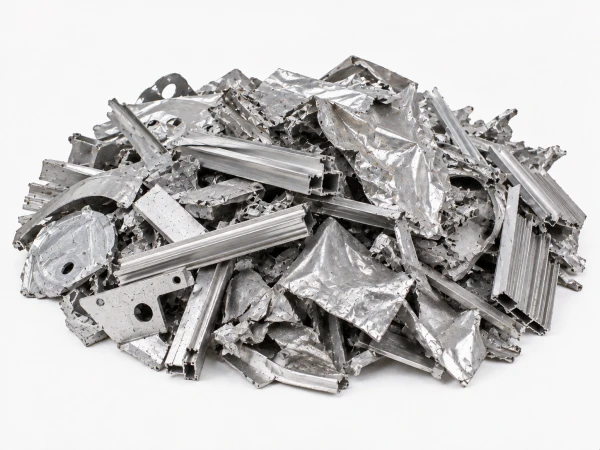
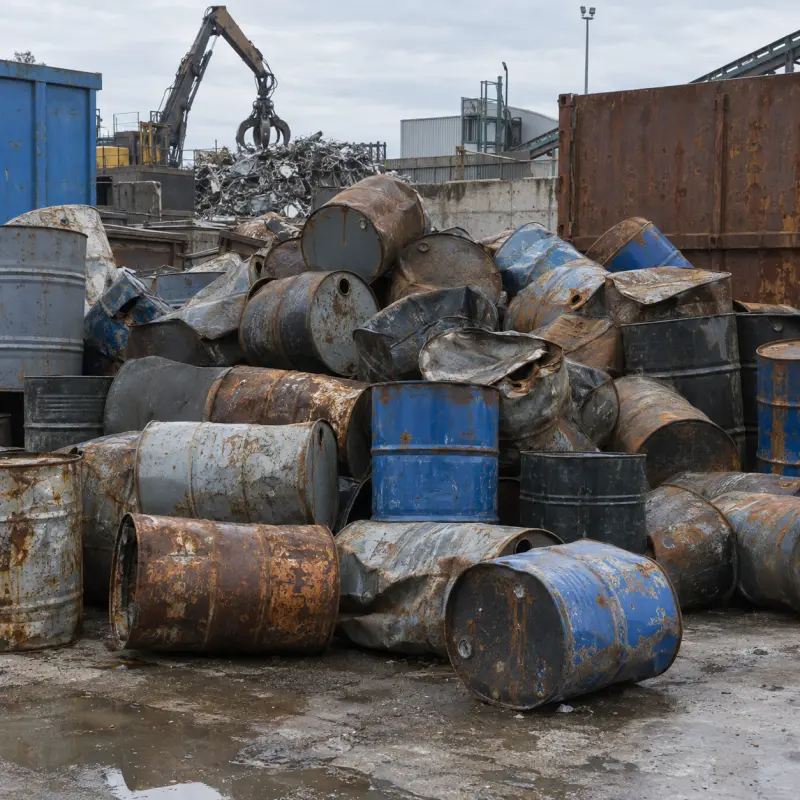
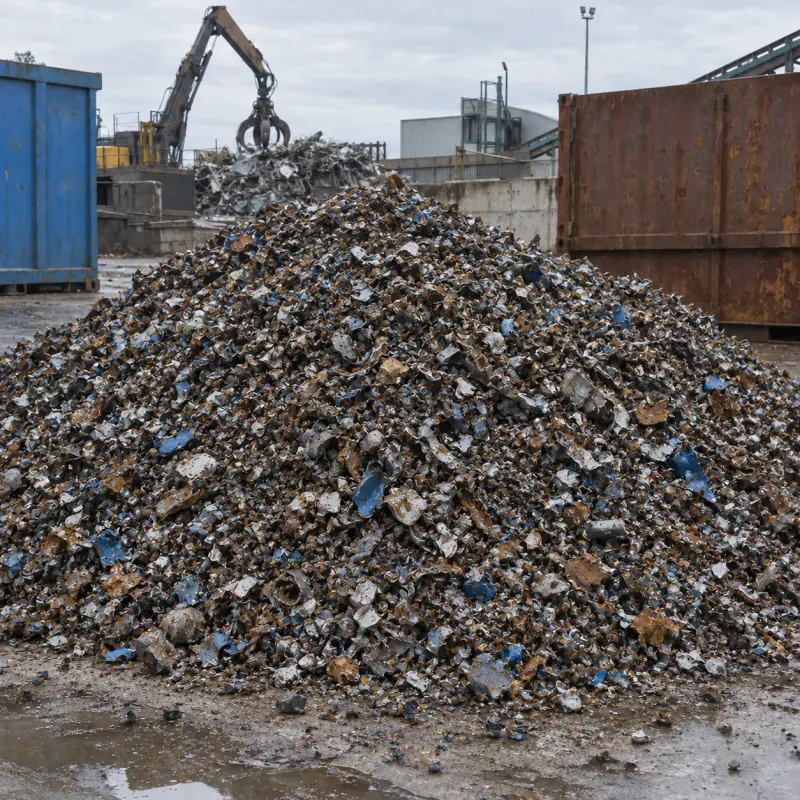
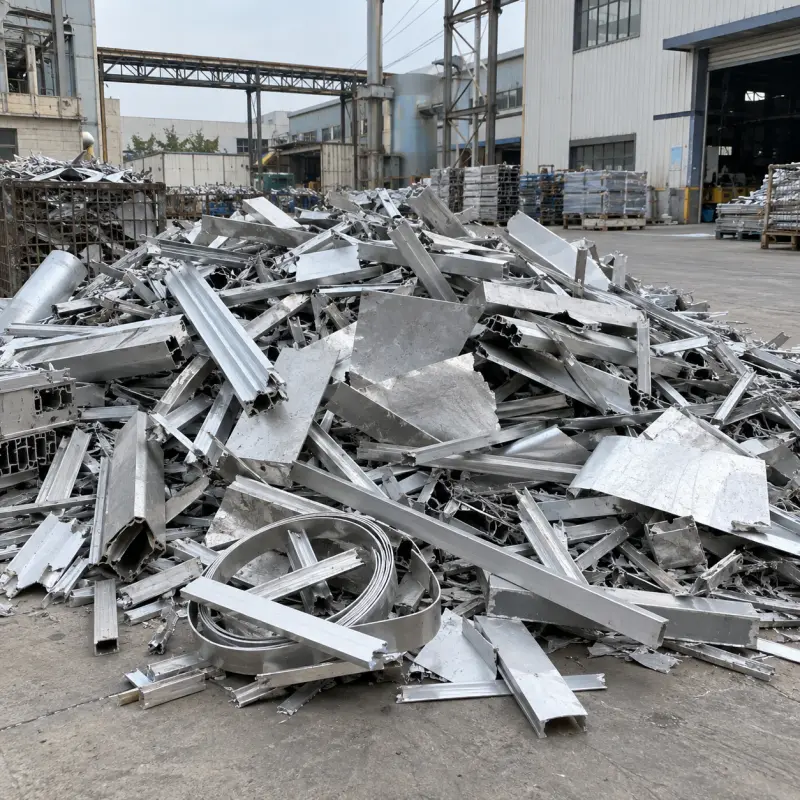
The data below comes from actual TITAN shredding tests using real materials and shows the observed throughput, output size, and energy consumption for different scrap metals on the corresponding machines. Actual results vary with feed condition and machine configuration.

Input Material
Steel drums
Output Briquette
Steel drums
Input Material
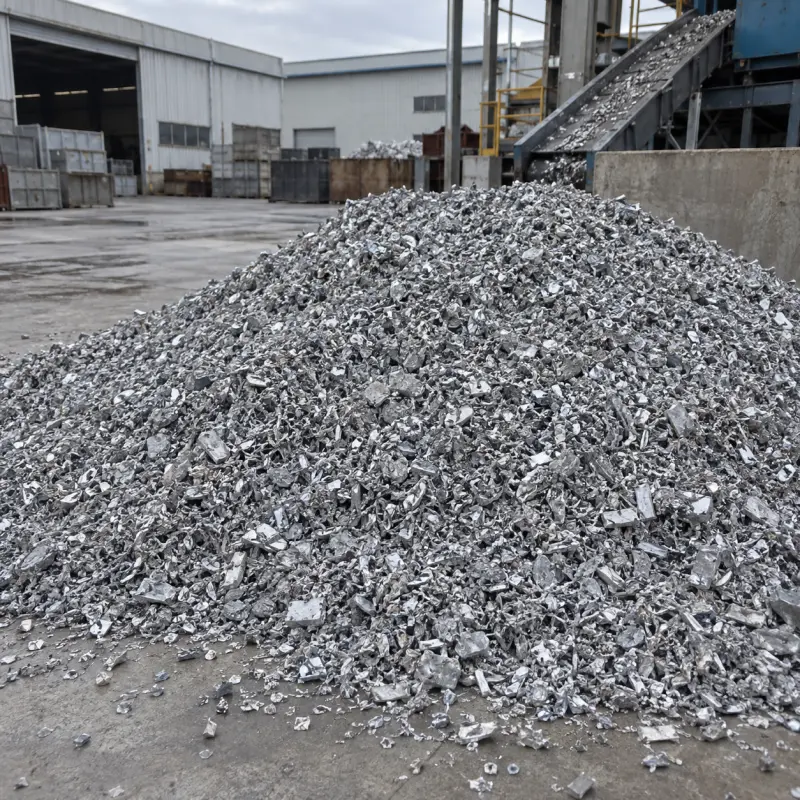
Aluminium alloy scrap
Output Briquette
Aluminium alloy scrap
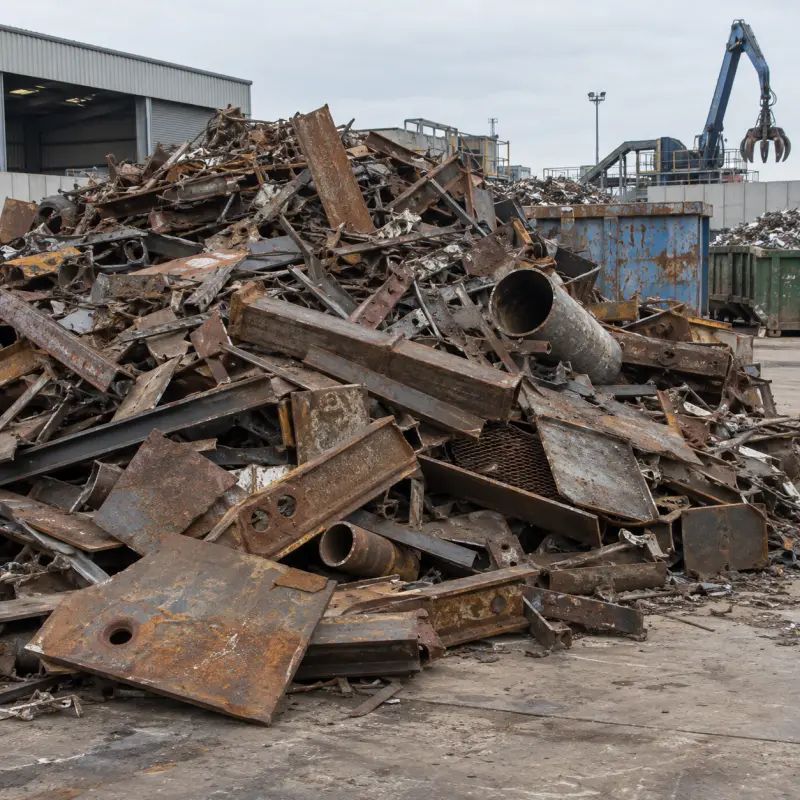
Input Material
Steel scrap
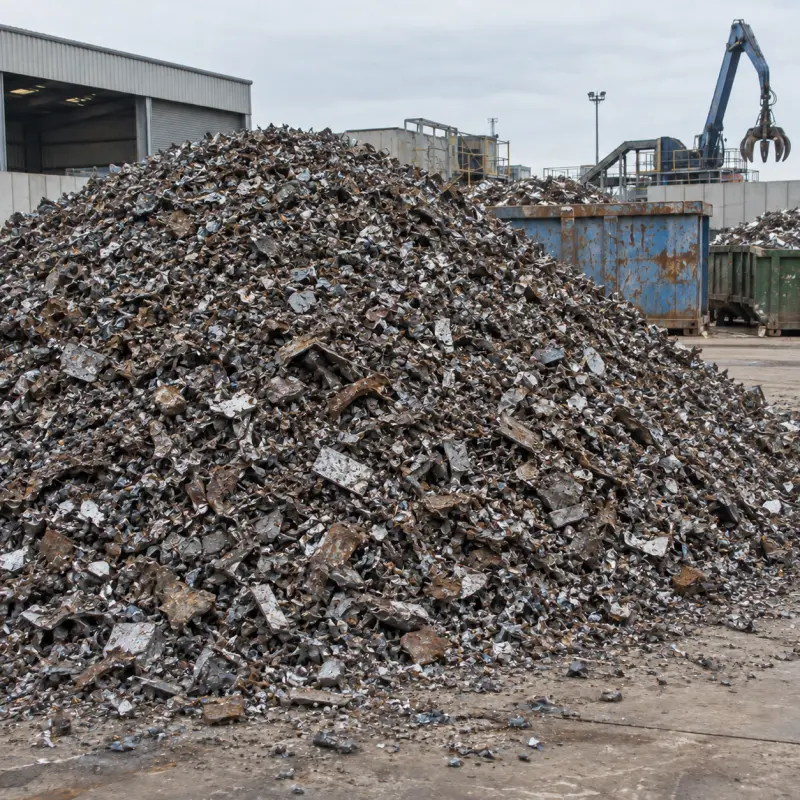
Output Briquette
Steel scrap

These are actual test results obtained with the corresponding materials and machine configurations. They do not represent fixed performance for all materials or operating conditions. Actual throughput, output size, and energy consumption may vary with feed size, structure, material type, and continuous feeding conditions.

Model Selection and System Configuration

TITAN matches the shredder structure and model to the scrap metal type, size and structure, required throughput, target output size, and site conditions. Infeed and discharge arrangements can also be configured to match downstream processing requirements, establishing an appropriate material handling flow.

TDS / TSS Scrap Metal Shredder Models

TITAN metal shredders include the TDS twin-shaft series and the TSS single-shaft series. Different models and configurations have different motor power, knife configurations, machine weights, and reference throughput ranges. Final selection should be based on the actual material and processing requirements.

ModelSeriesShredder TypeConfigurationMotor PowerShredder KnivesMachine WeightReference Throughput
TDS-600TDSTwin-shaft shredderStandard11 + 11 kW20 knives, 30 mm thick2.6 t400–500 kg/h
TDS-800TDSTwin-shaft shredderStandard15 + 15 kW20 knives, 40 mm thick3.5 t700–800 kg/h
TDS-1000TDSTwin-shaft shredderConfiguration A22 + 22 kW20 knives, 50 mm thick5 t800–1,200 kg/h
TDS-1000TDSTwin-shaft shredderConfiguration B30 + 30 kW20 knives, 50 mm thick6 t1,200–1,500 kg/h
TDS-1200TDSTwin-shaft shredderConfiguration A37 + 37 kW24 knives, 50 mm thick9 t1,800–2,000 kg/h
TDS-1200TDSTwin-shaft shredderConfiguration B55 + 55 kW20 knives, 60 mm thick14 t2,500–3,000 kg/h
TSS-600TSSSingle-shaft shredderStandard22 / 30 kW30 knives2.4 t300–500 kg/h
TSS-700TSSSingle-shaft shredderStandard37 kW39 knives3.2 t300–500 kg/h
TSS-800TSSSingle-shaft shredderStandard45 kW40 knives4 t600–900 kg/h
TSS-1000TSSSingle-shaft shredderStandard55 kW52 knives4.8 t700–1,500 kg/h
TSS-1400TSSSingle-shaft shredderStandard75 kW88 knives6.2 t3,000–4,000 kg/h

The throughput values in the table are reference processing ranges for the corresponding models and configurations. Actual throughput varies with material type, size, structure, continuous feeding conditions, and required output. Final performance for a specific project should be confirmed against the actual operating conditions.

How to Determine the Right Shredder Configuration

Shredder selection should not be based only on model, motor power, or whether the machine is single-shaft or twin-shaft. The actual material and downstream processing requirements need to be considered together.

  1. 01

    Material Characteristics

    Confirm the scrap metal type, hardness, thickness, and structural condition. Different materials place different demands on the shredding process and machine configuration.

  2. 02

    Feed Size and Form

    Confirm the maximum individual piece size and whether the material includes bulky pieces, long sections, tangled scrap, or other irregular forms to assess feed compatibility.

  3. 03

    Required Throughput

    Determine the amount of scrap metal that needs to be processed per hour or per day and the production rhythm, then use the model reference throughput to identify the required machine size.

  4. 04

    Target Output

    Define the required shredder output size together with downstream conveying, sorting, recycling, or melting requirements to determine the shredding configuration.

  5. 05

    Site Conditions and Material Flow

    Consider available installation space, infeed method, discharge method, and the required interface with upstream and downstream equipment when determining the overall configuration.

Higher Specifications Do Not Always Mean a Better FitModel specifications help narrow the selection range, but the final configuration still needs to balance material characteristics, feed conditions, required throughput, target output, and site conditions. Even when processing the same metal, scrap with different sizes and structural conditions may require different configurations.

Single-Shaft or Twin-Shaft?

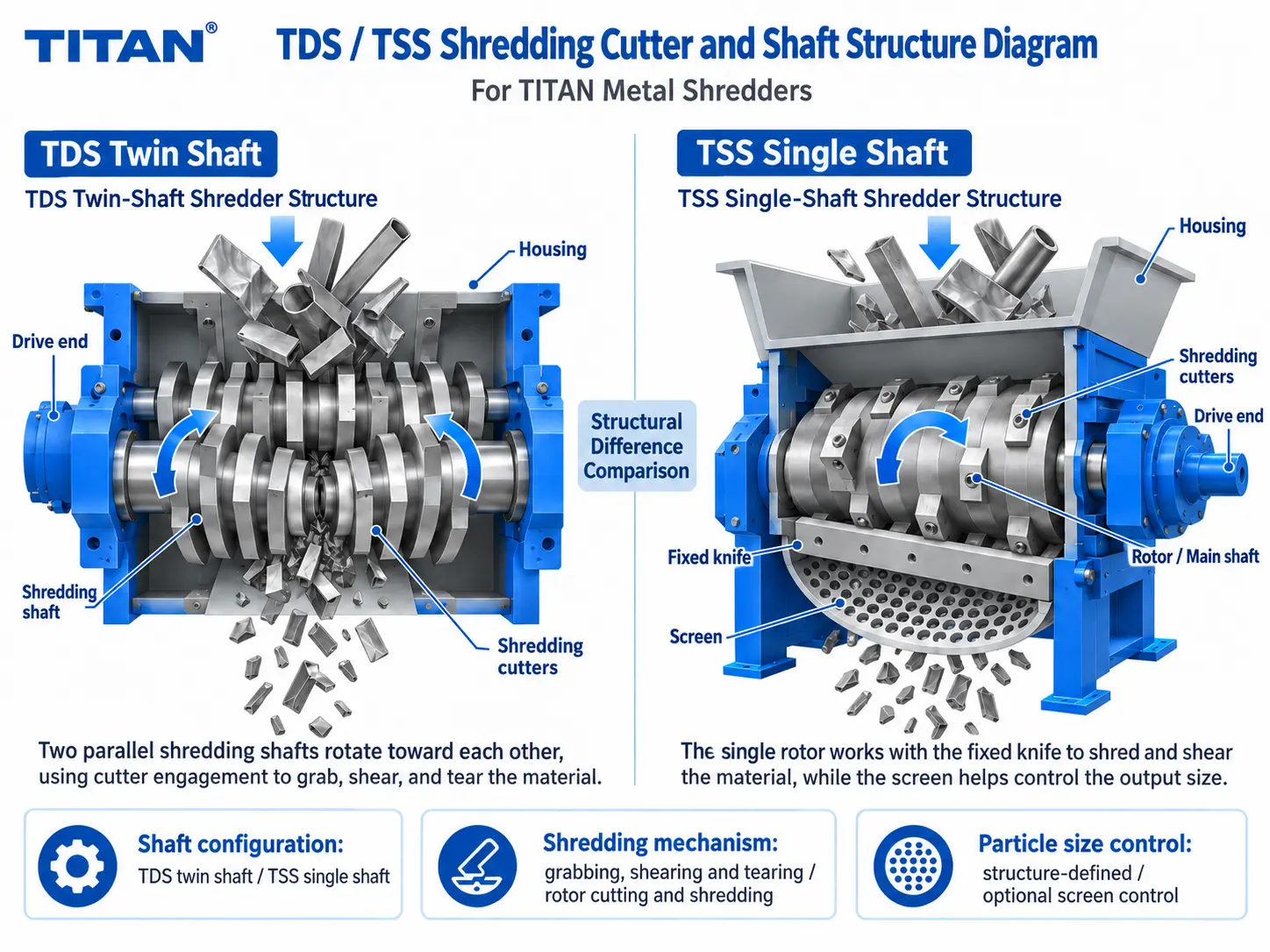
The main difference between single-shaft and twin-shaft metal shredders lies in the shredding mechanism. The number of shafts alone does not determine which machine is more suitable; the actual material, required throughput, and target output must still be considered.

Twin-Shaft Metal Shredder
TDS Series

Twin-Shaft Metal Shredder

  • The TDS series uses two parallel shredder shafts fitted with knives. Through counter-rotating or otherwise coordinated shaft motion, the two shafts grip, shear, and tear the material. Available models include TDS-600, TDS-800, TDS-1000, and TDS-1200.
Single-Shaft Metal Shredder
TSS Series

Single-Shaft Metal Shredder

  • The TSS series uses a single main shaft or rotor fitted with rotating knives. These work together with counter knives and the corresponding feeding and screening structures to tear or cut the material. Available models include TSS-600, TSS-700, TSS-800, TSS-1000, and TSS-1400.

For the same type of scrap metal, the choice between single-shaft and twin-shaft structures should not be made from the material name or one specification alone. Feed size, structural condition, required throughput, and target output are all important selection factors.

Configure the Shredding System Around the Material Flow

A scrap metal shredder can operate as a standalone machine or be integrated with conveying and discharge arrangements according to the site material flow, with connections to downstream sorting, recycling, or other processing stages as required.

  1. 01

    Feed Preparation

    Check the feed size and structural condition, and identify materials or foreign objects that are unsuitable for the target shredder.

  2. 02

    Infeed

    Material enters the scrap metal shredder. Where continuous conveying is required, conveying equipment can be configured according to the project.

  3. 03

    Shredding

    The shredder reduces bulky or irregular scrap metal into smaller metal fragments.

  4. 04

    Discharge and Downstream Processing

    Shredded material leaves through the appropriate discharge arrangement and proceeds to downstream conveying, sorting, recycling, or melting.

Metal Shredding Principles and Core Engineering Design

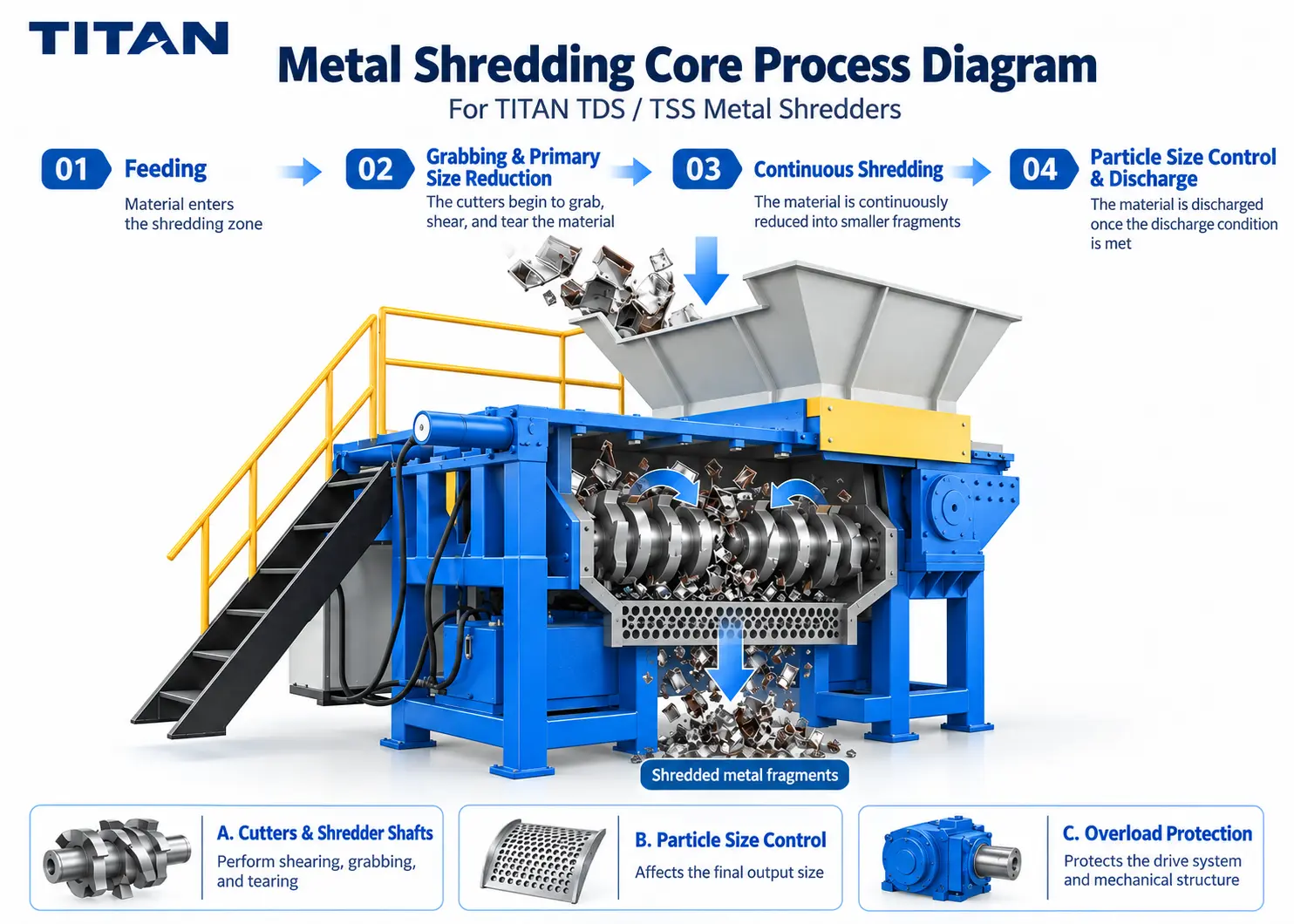
Scrap metal shredding is not simply about breaking material into smaller pieces. A stable shredding process depends on coordinated feeding, knife engagement and shearing, progressive volume reduction, output-size control, and discharge. These stages must work together. At the same time, the shredding mechanism and discharge method need to match the single-shaft or twin-shaft machine structure.

How Scrap Metal Is Reduced to Smaller Fragments

TDS twin-shaft and TSS single-shaft metal shredders use different shredding structures, but their core objective is the same: through the continuous action of the knives together with the shredder shafts or rotor, bulky and irregular scrap metal is progressively reduced to a size suitable for downstream processing.

Core Shredding Process
The core shredding process includes feeding, knife engagement and shearing, progressive volume reduction, output-size control, and discharge.
  1. 01

    Feeding

    Scrap metal enters the shredding zone through the hopper or supporting conveying equipment. Feed size and structural condition should match the feed requirements of the target machine to prevent material that exceeds the machine’s processing limits from entering the shredding chamber directly.

  2. 02

    Engagement and Initial Volume Reduction

    In twin-shaft machines, knives mounted on two parallel shredder shafts operate through counter-rotating or otherwise coordinated shaft motion to grip, shear, and tear the material. In single-shaft machines, rotating knives on the rotor work together with counter knives to tear or cut material entering the shredding zone.

  3. 03

    Continuous Shredding

    As the shredder shafts or rotor continue to rotate, the material is repeatedly sheared, torn, and broken down by the knives. Bulky or irregular scrap metal is progressively transformed into smaller metal fragments that are easier to handle.

  4. 04

    Output Size Control and Discharge

    Material that meets the applicable discharge criteria exits through the discharge area. Depending on the specific design, single-shaft models can be equipped with a screen that keeps oversized material in the shredding zone for further processing. The final shredder output size ultimately depends on material characteristics, knife configuration, and machine structure.

TDS twin-shaft and TSS single-shaft machines differ in knife arrangement, material feeding method, and output-size control structure. The number of shafts alone therefore does not determine the final shredding result. The specific configuration should be selected according to the feed material and required output.

Three Core Engineering Areas for Stable Shredding

Beyond the single-shaft or twin-shaft structure itself, actual shredding performance also depends on knife configuration, output control, and the machine’s ability to respond to abnormal loads.

  • Knife Configuration and Shredding Mechanism

    Shredder knives are mounted on the shredder shafts or rotor and reduce material size through shearing, gripping, or tearing. They are replaceable working components. Different TDS and TSS models use different knife quantities and specifications, and the appropriate configuration should be selected according to feed structure, required throughput, and output requirements.

  • Output Size Control and Screening Structure

    Shredder output size refers to the actual size range of the processed material and is not the same as screen aperture. On models equipped with a screen, the screen helps prevent oversized material from discharging prematurely so that it remains in the shredding zone for further processing. Final output size is still influenced by material condition, knife configuration, and machine structure.

  • Overload Protection and Abnormal Material Management

    Differences in scrap metal size, hardness, and structure can cause sudden loads, blockages, or jamming. TITAN metal shredders are equipped with appropriate overload protection to help protect the drive and mechanical structure under abnormal loads; the specific protection method depends on the machine model and configuration. Overload protection does not replace proper feed management. Non-shreddable materials outside the processing range of the target machine should still be identified and, where practicable, separated before entering the machine.

Real Scrap Metal Shredding Projects

TITAN metal shredders have been used in real projects involving recycled aluminium, scrap metal recycling, and steel scrap processing. Based on differences in feed form, required throughput, and target output, TITAN matches the appropriate single-shaft or twin-shaft equipment and verifies the shredding solution through actual operating data.

More Real Shredding Projects

Pre-Treatment of Bulky Mixed Aluminium Scrap Before Melting
Pakistan · Recycled Aluminium

Pre-Treatment of Bulky Mixed Aluminium Scrap Before Melting

Recycled Aluminium · Aluminium window and door profiles / automotive aluminium castings / aluminium sheet scrap / light aluminium scrap · TDS-1000

The customer is a large recycled-aluminium company processing different types of aluminium alloy scrap. Bulky cast aluminium scrap, window and door profiles, automotive aluminium castings, and other feed materials vary considerably in size and structure. Their irregular forms and large volume require pre-treatment before entering the melting process.

ConfigurationA TDS-1000 twin-shaft metal shredder was configured to shear and tear bulky mixed aluminium scrap, providing initial volume reduction and producing feed better suited to downstream melting.

1.3–1.5 t/hActual processing capacity of the pre-treatment line
Relatively uniform, medium-sized aluminium materialRecorded output condition
Pre-treatment before meltingDownstream application
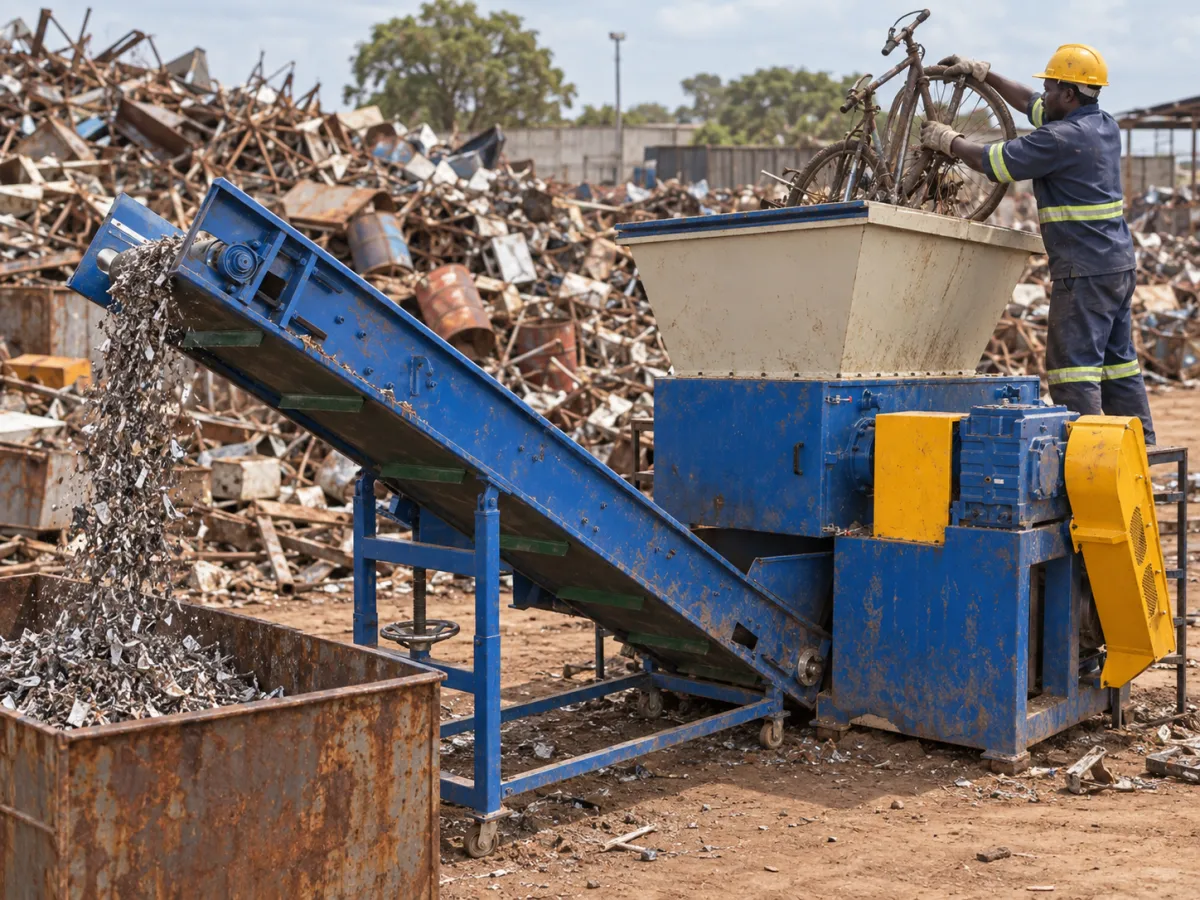
Mechanized Shredding of Bulky Steel Scrap and Scrap Bicycles
South Africa · Scrap Recycling

Mechanized Shredding of Bulky Steel Scrap and Scrap Bicycles

Scrap Recycling · Steel scrap coils / scrap iron pieces / scrap bicycles · 2 × TSS-800

The customer’s scrap yard had accumulated large quantities of bulky steel scrap coils, scrap iron pieces, and scrap bicycles. Processing had previously relied heavily on manual work, which limited throughput and required a relatively large operating team.

ConfigurationThe project uses two TSS-800 single-shaft metal shredders to progressively reduce bulky and irregular steel scrap into smaller metal fragments that are easier to handle and process downstream, replacing part of the previous manual work with mechanized shredding.

600–900 kg/h per machineRecorded processing capacity
Approx. 50 mmRecorded shredder output size
10 → 3 operatorsRecorded reduction in operating personnel
Approx. USD 45,000/yearRecorded annual labor cost savings

The data above are from actual operating records for the corresponding customer projects. Actual throughput, output size, energy consumption, and staffing requirements may vary with feed size and structure, machine configuration, feeding method, and site operating conditions. These results should not be treated as guaranteed performance for other projects.

Customer Feedback

Feedback from a customer using this TITAN machine in a real scrap processing project.

5 / 5

TITAN provided more than just a shredder — it delivered a practical solution to the challenges we faced with mixed metal scrap. The improved material flow made our recycling operation more stable and efficient.

Mubeen Arif JuttRecycling Operations Manager

From Installation and Start-Up to Long-Term Operational Support

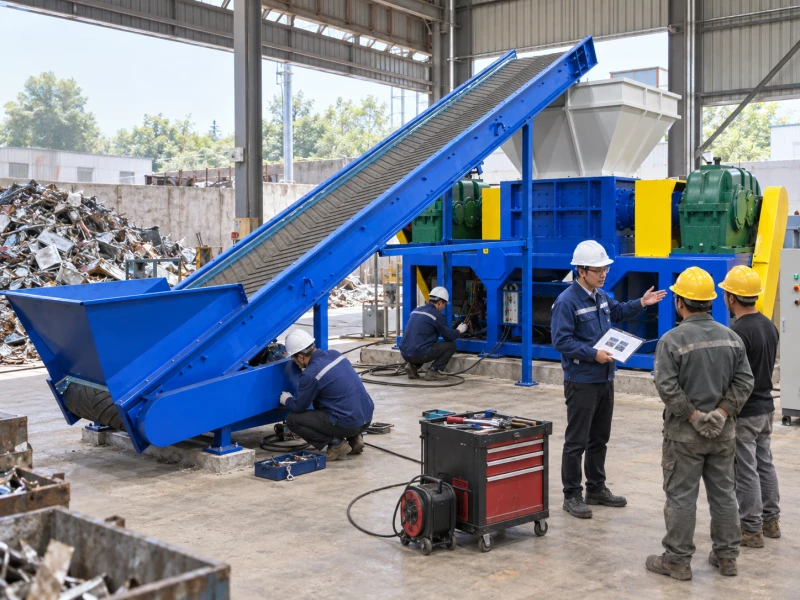
TITAN’s service does not end with equipment delivery. Depending on project requirements, we can provide equipment installation, commissioning, and operator training. After start-up, we can support continued shredder operation through remote diagnostics, field service, and spare parts supply.

On-Site Commissioning and Operator Training
TITAN engineers provide equipment commissioning, operating guidance, and on-site technical support as required by the project.
  1. 01
    Equipment Installation

    Machine Positioning and System Connections

    Based on the machine and project configuration, the shredder is positioned and electrically connected. Infeed, discharge, and related auxiliary equipment are connected as required by the project to prepare for subsequent system commissioning.

    • Machine positioning
    • electrical connections
    • connection of infeed and discharge equipment
  2. 02
    System Commissioning

    No-Load, Load, and Operating Status Verification

    After installation, the drive, electrical, and control systems are checked and commissioned. The direction of rotation of the shredder shafts or rotor and the machine operating status are confirmed, followed by loaded operation verification using actual material.

    • Drive and electrical checks
    • no-load operation verification
    • load test with actual material
  3. 03
    Operator Training

    Operation and Basic Maintenance Training

    Based on actual machine operation, on-site personnel are trained in start-up and shutdown procedures, feed requirements, safe operation, abnormal-condition handling, and basic routine maintenance, helping operators understand the basic operating and inspection procedures for the metal shredder.

    • Start-up, shutdown, and operating procedures
    • feed requirements and abnormal-condition handling
    • basic routine maintenance
  4. 04
    Long-Term Support

    Remote Diagnostics, Field Service, and Spare Parts Supply

    After the equipment is put into operation, TITAN can assist with remote diagnostics based on fault symptoms, alarm information, and operating status. If further action is required, field service and appropriate spare parts support can be provided depending on project conditions.

    • Remote fault diagnostics
    • field service
    • spare parts supply
12 MonthsComplete Machine WarrantyCoverage of wear parts and other items is subject to the warranty terms
Remote DiagnosticsTechnical SupportAssistance in identifying issues with the drive, electrical system, controls, and machine operation
Spare Parts SupplyLong-Term Spare Parts SupportSupport for shredder knives, drive components, electrical components, and other related spare parts

Specific installation arrangements, field service, spare parts supply, and warranty coverage are determined by machine configuration, project location, and contractual terms.

Scrap Metal Shredder FAQs

Can my scrap metal be processed directly in a scrap metal shredder?
Suitability cannot be determined from material names such as “steel scrap” or “aluminium scrap” alone. The maximum feed size, thickness, hardness, structural form, and the presence of unsuitable or abnormal materials also need to be confirmed. Light scrap, steel scrap, aluminium scrap, sheet metal, profiles, and some end-of-life metal products can be matched with appropriate equipment according to the actual operating conditions, but final suitability should be confirmed against the actual condition of the material.
Should I choose a single-shaft or twin-shaft metal shredder?
The choice cannot be based on the material name alone. TDS twin-shaft machines use two parallel shredder shafts fitted with knives to grip, shear, and tear the material. TSS single-shaft machines use a single main shaft or rotor fitted with rotating knives, working together with counter knives and the corresponding feeding and screening structures. Final selection should consider feed size and structure, required throughput, target output, and site material flow rather than assuming that a particular metal always requires a single-shaft or twin-shaft machine.
Can the output size of a metal shredder be controlled?
The machine structure and configuration can be selected according to the target output requirements, but actual shredder output size is not determined by a single parameter. Material characteristics, feed size and structure, knife configuration, and the specific output-size control method all affect the final result. On models equipped with a screen, the screen can prevent oversized material from discharging prematurely, but screen aperture is not the same as final shredder output size.
How do I determine the actual throughput of a metal shredder? Is a shredding test necessary?
The throughput values in the model table are intended for preliminary selection. Actual throughput is also affected by the metal type, feed size and structure, continuous feeding conditions, and target output requirements. For projects involving complex material conditions, clearly defined output requirements, or a need to further confirm the machine configuration, we recommend a shredding test using the customer’s actual material. The final model and configuration can then be confirmed based on actual throughput, shredder output size, and operating status.
What materials should not be fed directly into a metal shredder?
Materials that exceed the processing limits of the target machine, or that cannot be handled safely and effectively because of their size, hardness, structure, hazardous characteristics, or other factors, should not enter the shredder together with normal scrap metal. Before feeding, such non-shreddable and abnormal materials should be identified and separated where practicable. Overload protection helps reduce the risk of abnormal loads damaging the drive and mechanical structure, but it cannot replace proper material checks and feed management.
What is the difference between a scrap metal shredder and a scrap metal baler or shear?
The three equipment types address different scrap metal processing tasks. A scrap metal shredder uses knives, a rotor, or shredder shafts to reduce large and irregular scrap metal into smaller fragments. A scrap metal baler primarily compresses loose, light, or irregular scrap metal into bales. A scrap metal shear primarily cuts long, bulky, or heavy scrap metal into shorter lengths. Equipment selection should therefore be based on the feed form and whether the downstream process requires shredding, compaction, or cutting to shorter lengths, rather than treating the three equipment types as interchangeable.

Information to Prepare for Shredder Selection

The more closely the information reflects your actual operating conditions, the easier it is for us to determine the appropriate machine structure, model, infeed and discharge arrangements, and whether a shredding test with actual material is required.

  • Material Type and Composition

    What scrap metal do you need to process? Please specify the main metal type and whether the feed consists of a single material or a mixture of different scrap materials.

  • Size and Structure

    Please provide the maximum individual piece size, thickness, and general form, such as sheet metal, profiles, metal containers, bulky pieces, or long sections. Also indicate whether the material is significantly tangled, compacted, or has other special structural characteristics.

  • Required Throughput

    How much scrap metal needs to be processed per hour or per day? Where possible, provide the actual amount of material processed under normal continuous production conditions so that the machine’s reference throughput can be matched to the required operating rhythm.

  • Target Output Size and Downstream Process

    What size range should the shredded material reach? Will it subsequently be conveyed, sorted, recovered, or sent to a melting process? The target output and downstream application influence the machine configuration.

  • Site Conditions and Infeed/Discharge Arrangements

    Please provide the available installation space and indicate whether material will be fed manually, with a material handler, by conveying equipment, or by another method. Also indicate whether the shredder needs to interface with existing conveying, sorting, or other production equipment.