Scrap Metal Baler

Scrap Metal Baler

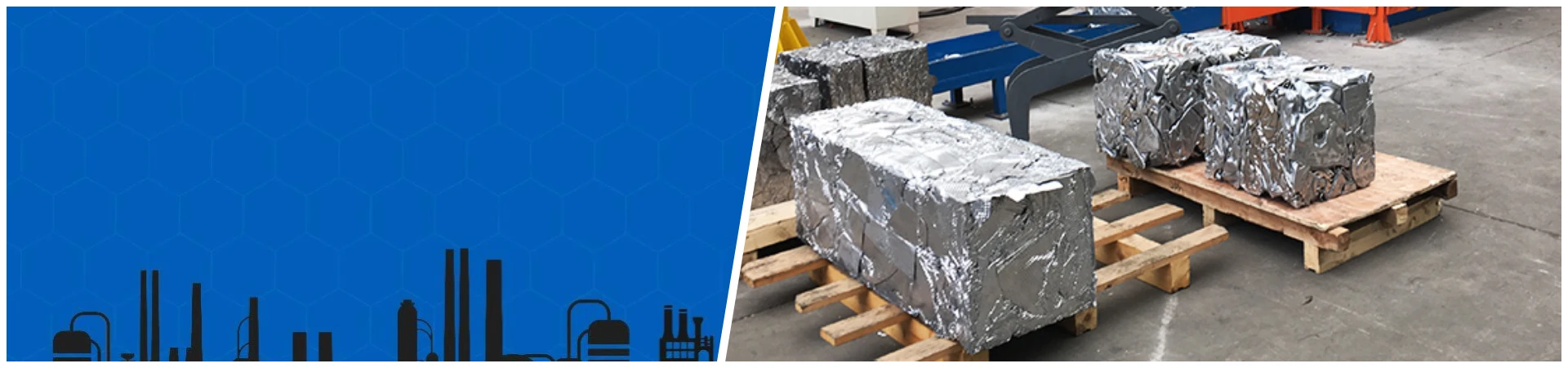
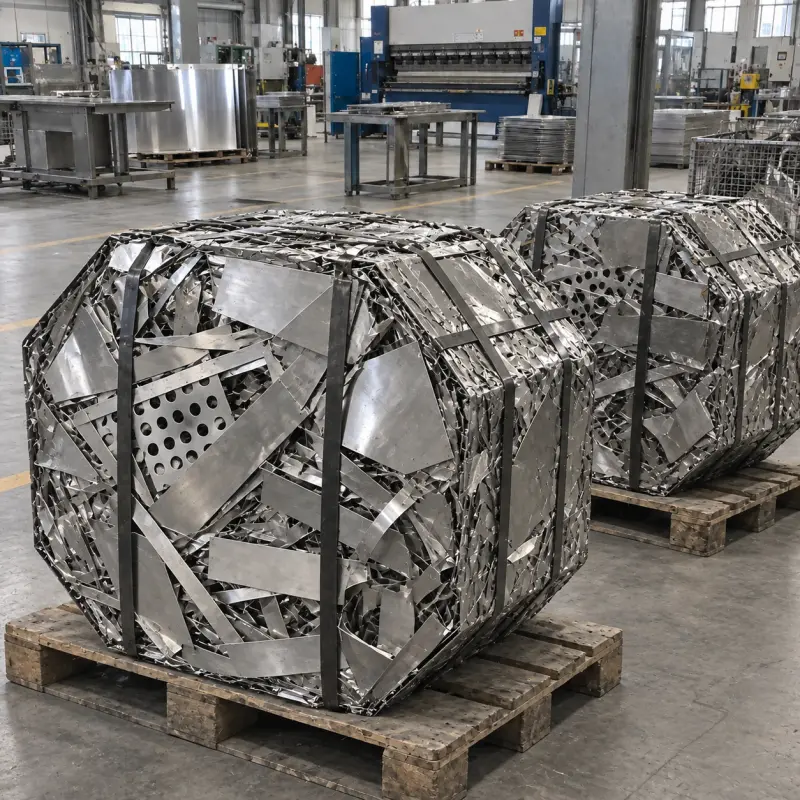
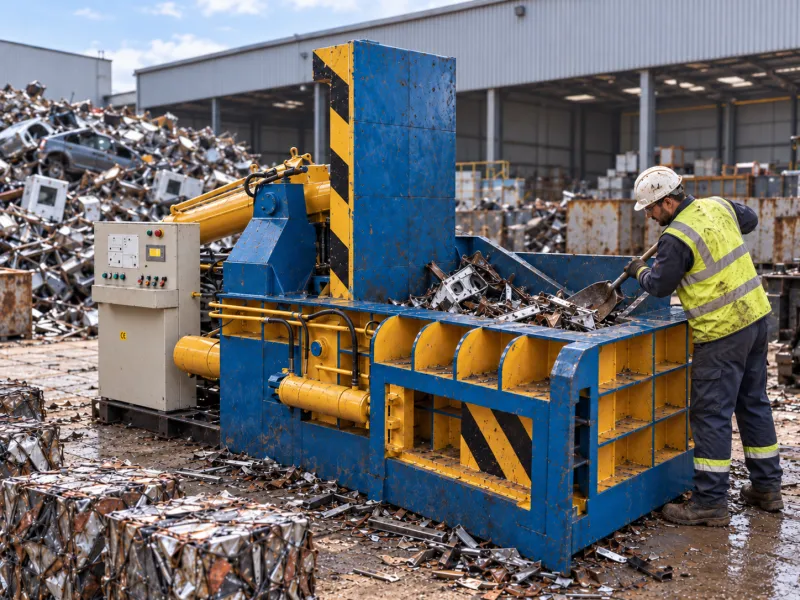
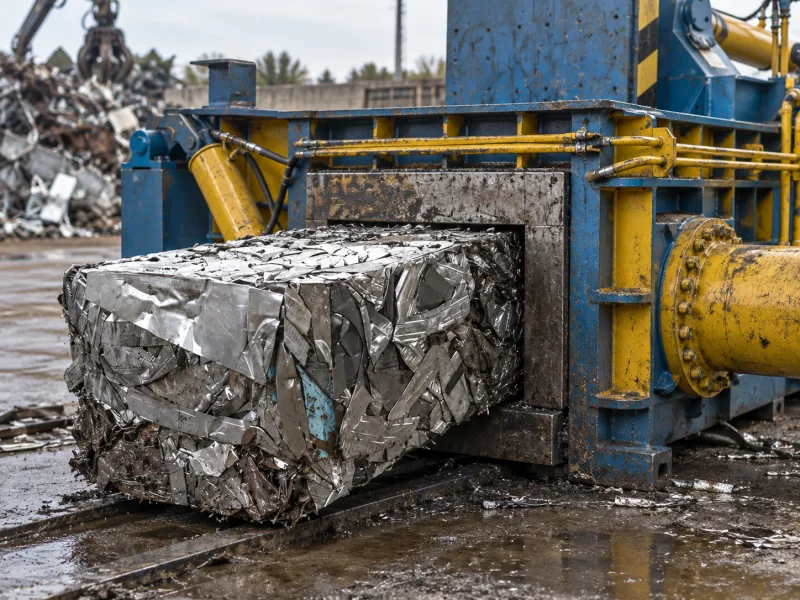
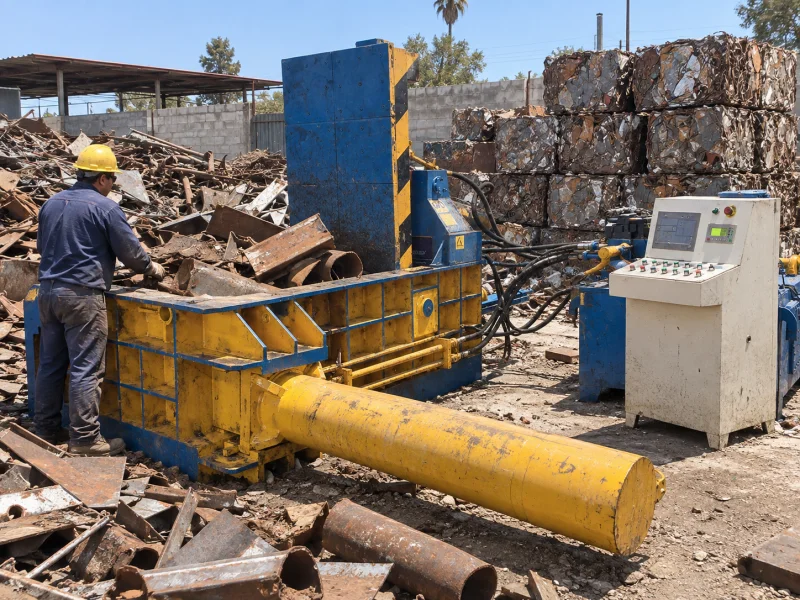
TITAN scrap balers compact loose scrap metal, including offcuts and light scrap, into dense, uniform bales. The resulting bales take up less space and are easier to store, transport, charge into furnaces, and handle in downstream recycling. Scrap size and form, together with throughput requirements, vary widely by application. These factors determine the required baling force, compression chamber dimensions, and bale specifications. TITAN selects the appropriate model based on the material, required throughput, target bale size, and site material-flow conditions. Bale discharge and conveying arrangements are then configured to suit the project.

Scrap Metal Baler

Suitable Scrap Materials and Baling Results

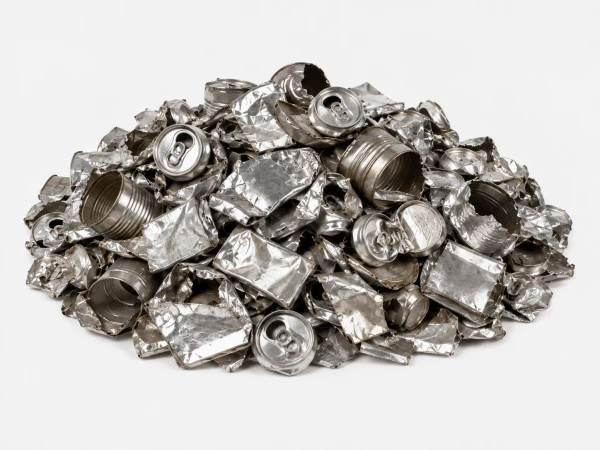
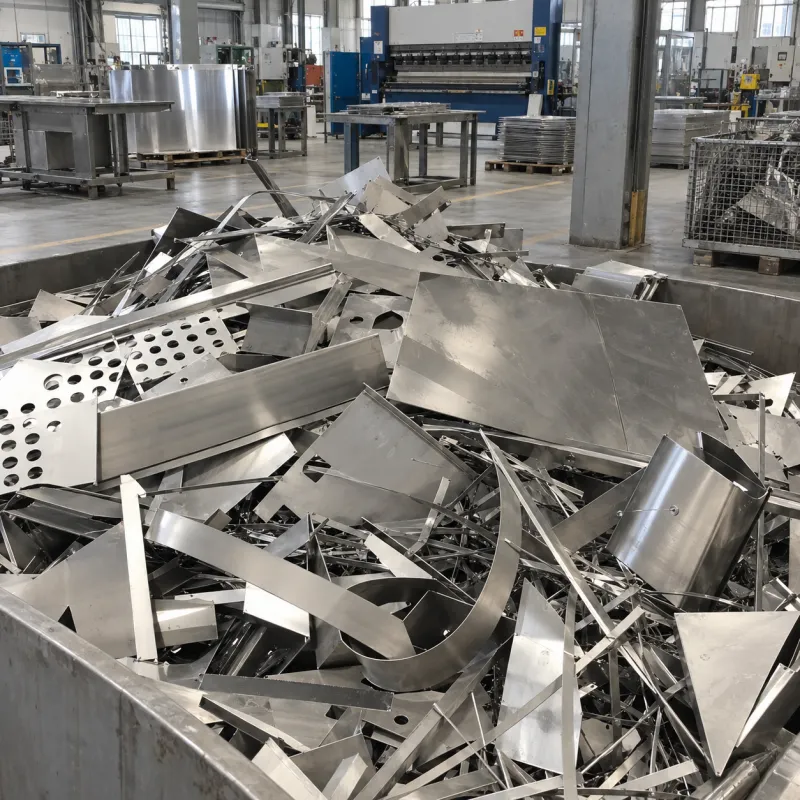
Scrap balers are suited to loose, light, sheet, and irregularly shaped metal scrap, compacting it into dense, stable bales. Actual baling results depend not only on metal type, but also on scrap size, form, material mix, and machine configuration.

Common Scrap Materials

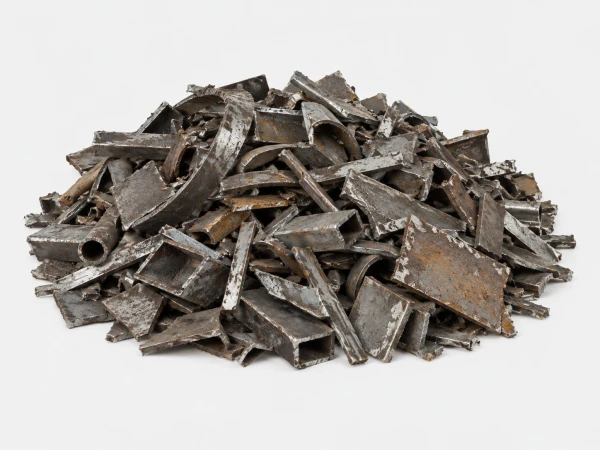
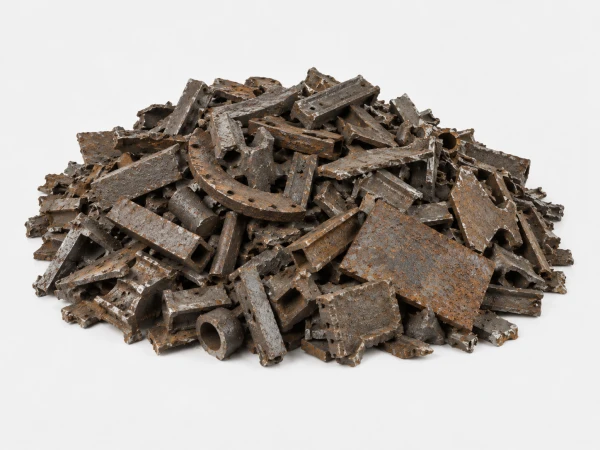
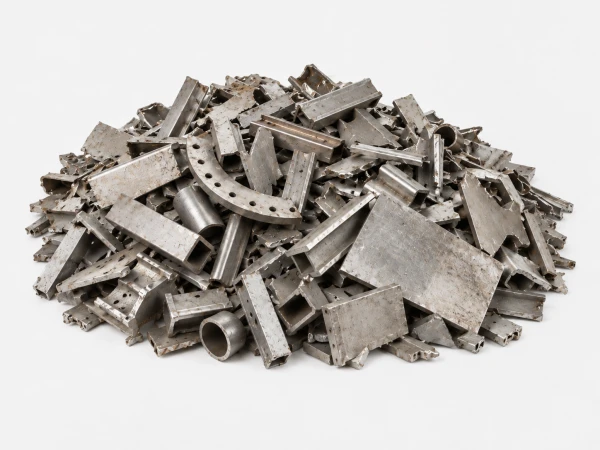
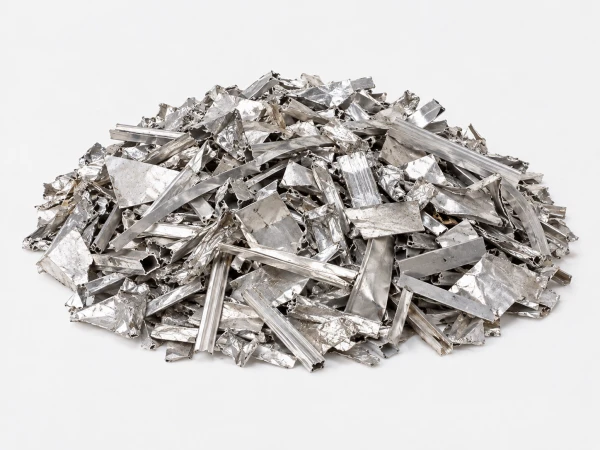
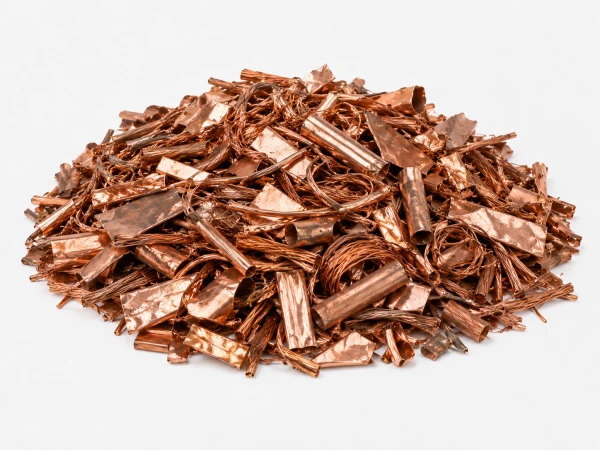
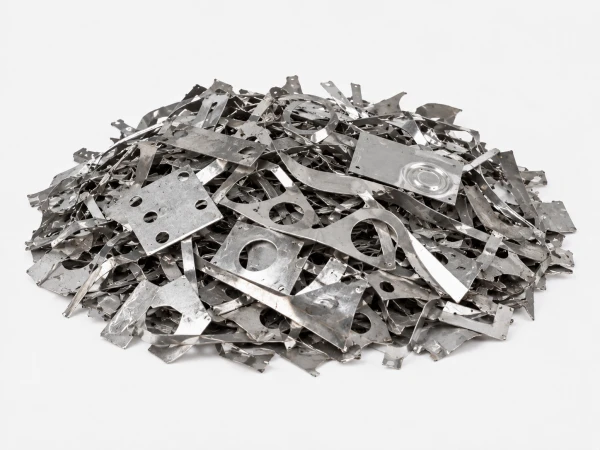
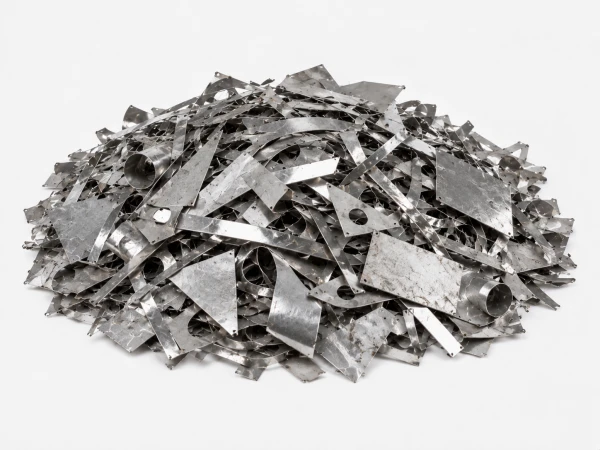
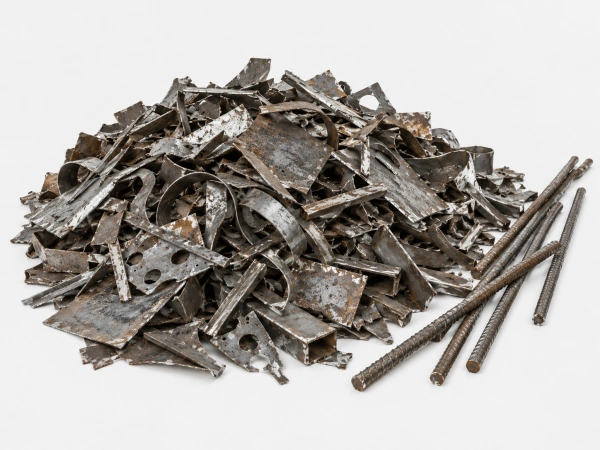
TITAN balers can be configured for different metals and scrap forms. Typical feed materials include:

Material type is only a starting point for selection. Even within the same metal category, differences in scrap size, thickness, form, and bulk density can affect the required machine specification and the resulting bale.

How Scrap Condition Affects Baling

Size and Form

Size and Form

Light scrap, sheet offcuts, stamping scrap, and other irregular loose scrap can usually be baled directly. Long materials such as rebar that exceed the compression chamber dimensions should first be cut to a length suitable for loading and compaction.

When Fine Scrap Is Better Suited to Briquetting

When Fine Scrap Is Better Suited to Briquetting

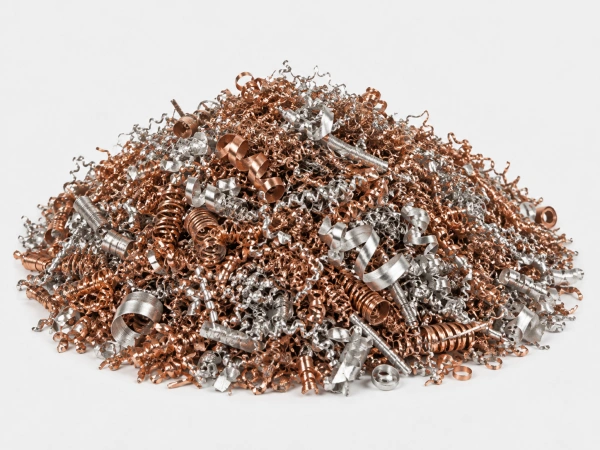
Scrap balers are primarily intended for larger, lighter, or irregular loose scrap. Fine machining scrap such as copper chips and aluminium chips should be evaluated based on scrap form and the required final product. When the goal is to produce high-density briquettes, a metal briquetting machine is usually the more suitable equipment type.

Mixed Scrap and Non-Metallic Contaminants

Mixed Scrap and Non-Metallic Contaminants

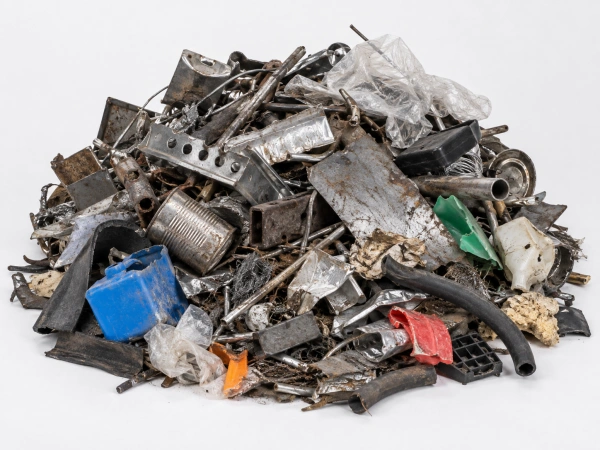
If the scrap contains significant amounts of plastic, rubber, or other non-metallic contaminants, appropriate sorting or pretreatment should be carried out before baling so that the feed condition matches downstream recycling requirements.

Actual Baling Results by Scrap Type

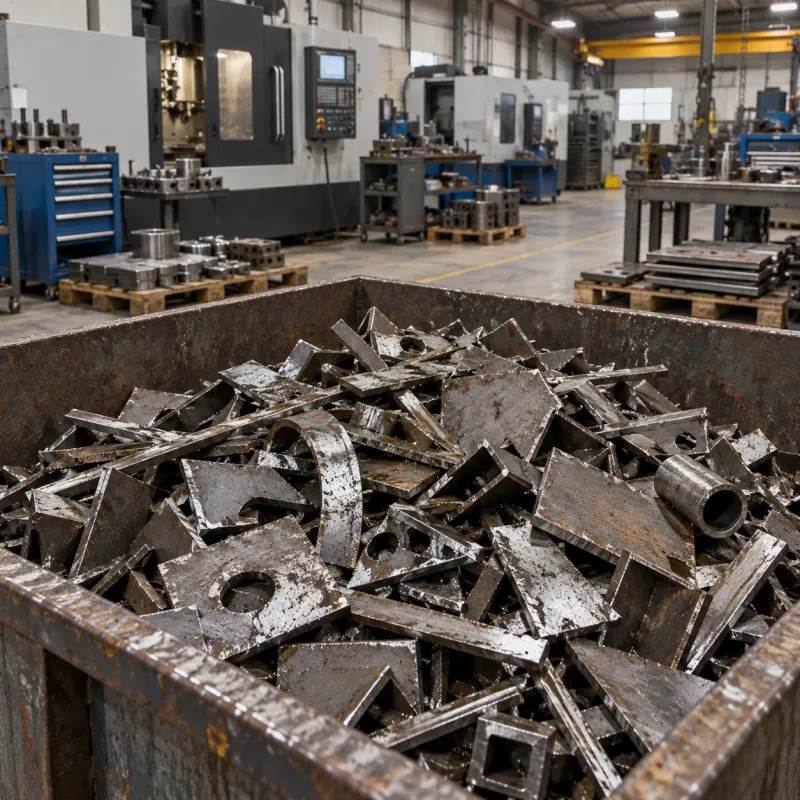
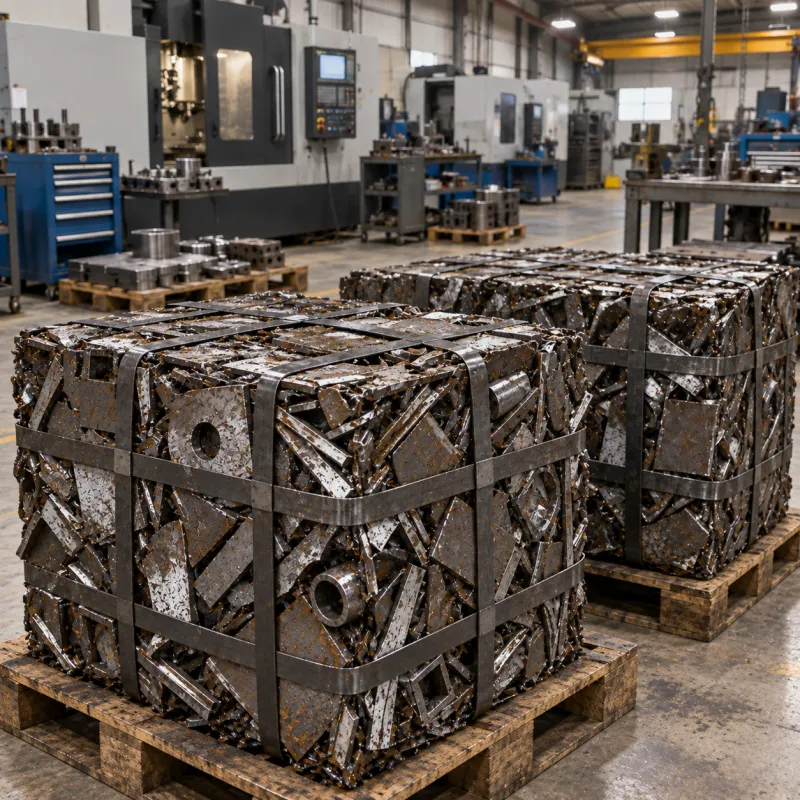
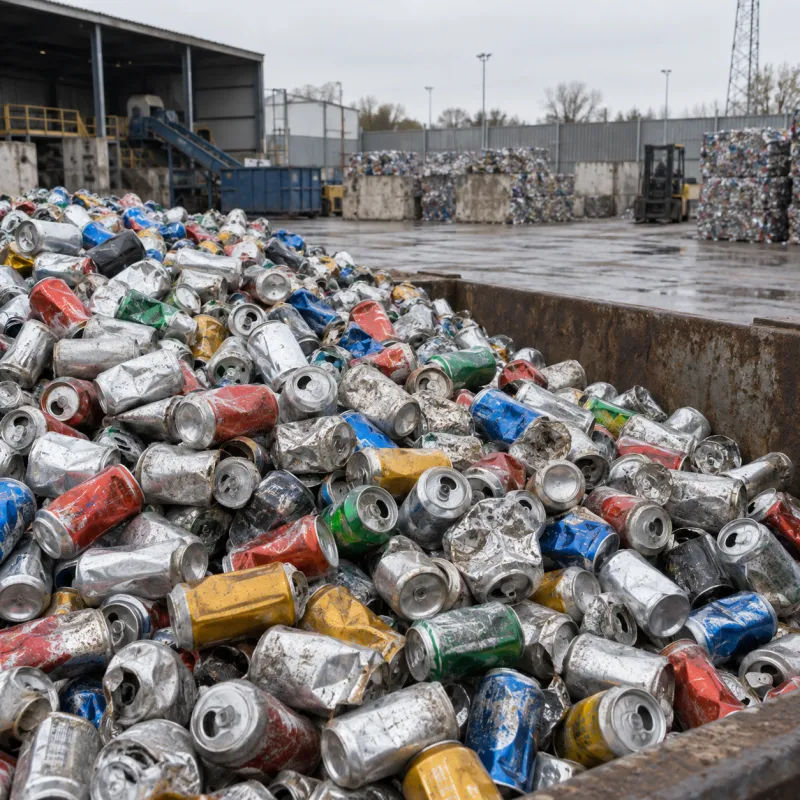
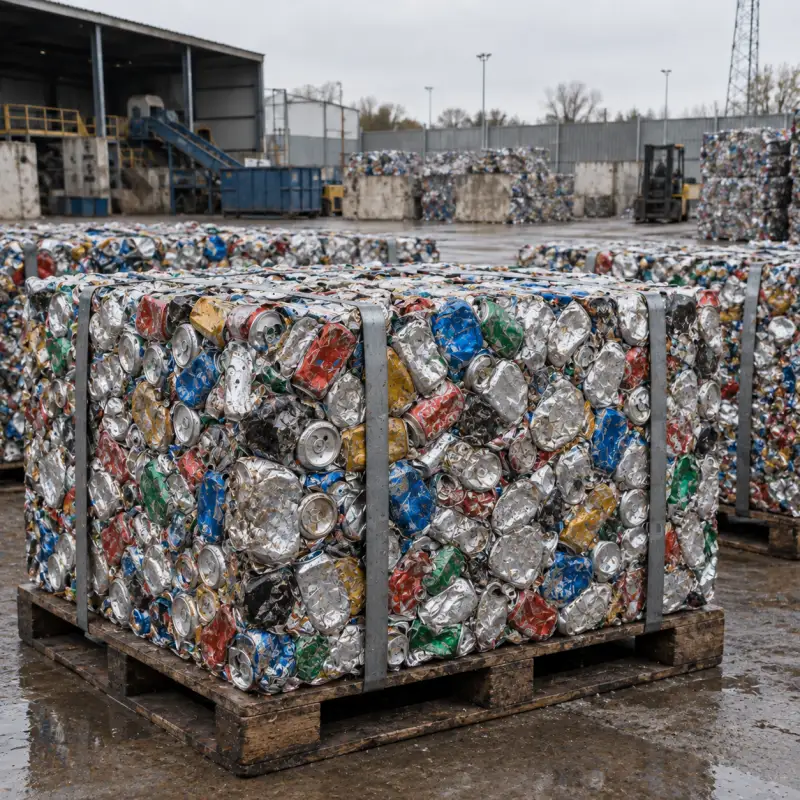
Different scrap types produce bales with different sizes, weights, and forms. The data below are actual baling results from specific TITAN Y81 models, showing the bale outcomes achieved with the corresponding materials and machine configurations.

Input Material
Metal Offcuts
Output Briquette
Metal Offcuts
Input Material
Beverage Cans
Output Briquette
Beverage Cans
Input Material
Stainless Steel Scrap
Output Briquette
Stainless Steel Scrap

Actual bale size, weight, and throughput vary with scrap type, size, form, loading condition, and machine configuration. These figures apply only to the specified materials and models and should not be treated as fixed performance values across all operating conditions.

Model Selection and System Configuration

TITAN selects the appropriate Y81 series model based on the scrap metal type, size and form, required throughput, target bale specifications, and site feeding and bale-discharge conditions. Compression chamber dimensions, machine specifications, and conveying arrangements are then matched to the actual production flow to provide a suitable scrap metal baling solution.

Y81 Series Scrap Metal Balers

The TITAN Y81 series currently includes the Y81-1250, Y81-1600, Y81-2000, Y81-2500, Y81-3150, and Y81-4000. The models differ mainly in baling force, compression chamber dimensions, bale size, and motor power.

ModelConfigurationBaling ForceCompression Chamber DimensionsBale SizeMotor Power
Y81-1250Standard1250 kN1200×700×600 mm300×300 mm15 kW
Y81-1600Standard1600 kN1600×1000×800 mm400×400 mm22 kW
Y81-2000Configuration A2000 kN1800×1400×800 mm400×400 / 450×450 mm30 kW
Y81-2000Configuration B2000 kN2000×1400×800 mm400×400 / 450×450 mm18.5×2 kW
Y81-2500Configuration A2500 kN2000×1750×1000 mm500×500 mm22×2 kW
Y81-2500Configuration B2500 kN2000×1750×1200 mm600×600 mm30×2 kW
Y81-3150Standard3150 kN2500×2000×1200 mm600×600 mm45×2 kW

Y81-2000 and Y81-2500 are available in different standard configuration combinations. Final equipment specifications should be determined according to the actual scrap, required throughput, and target bale requirements. The figures above are standard specifications and do not represent fixed throughput, bale weight, or baling results under actual scrap conditions. Actual results depend on operating conditions and, where necessary, can be further confirmed through a baling test with actual material.

How to Determine the Right Machine Configuration

Selecting a scrap metal baler is not simply a matter of comparing baling force. Machine specifications need to be matched to the actual scrap, target bale, and site processing flow.

  1. 01

    Scrap Material

    Confirm whether the main scrap is steel, iron, stainless steel, aluminium, copper, or another metal. Different materials vary in strength and compaction behaviour, affecting both the required baling force and bale formation.

  2. 02

    Scrap Size and Form

    Confirm whether the material consists of light scrap, sheet offcuts, stamping scrap, metal containers, or other irregular forms, and provide the actual size range. Scrap size and form directly affect compression chamber dimensions, loading method, and machine selection.

  3. 03

    Throughput

    Define how much scrap needs to be processed per hour or per day and the actual production rhythm. This determines the required machine throughput so that the equipment matches the rate at which scrap is generated on site.

  4. 04

    Target Bale

    Confirm the desired bale size and shape, together with downstream storage, handling, transport, or processing requirements. These factors determine the required bale specifications.

  5. 05

    Site and Material Flow

    Consider the installation space, how scrap enters the machine, how bales leave it, and how they will be handled afterward. These factors determine equipment layout, bale discharge method, and any required conveying arrangements.

Higher baling force does not automatically mean a better fit. The key is to ensure that scrap characteristics, throughput, compression chamber dimensions, baling force, target bale, and site material flow are properly matched.

Configure the Baling System Around the Scrap Flow

A scrap metal baler can operate as a standalone machine or, depending on scrap condition and site material flow, be combined with the necessary pretreatment, conveying, and bale-handling stages.

  1. 01

    Pretreatment as Needed

    Based on scrap condition

    • Sorting mixed scrap
    • shearing overlength scrap
    • separating non-metallic contaminants
  2. 02

    Feeding and Conveying

    Configured to site material flow

    • Manual loading
    • conveying equipment
    • integration with the existing scrap-processing flow
  3. 03

    Scrap Metal Baling

    Core volume-reduction and bale-forming stage

    • Match the appropriate Y81 series baler to the material and required throughput
  4. 04

    Bale Discharge and Transfer

    Connects to storage, transport, or downstream processing

    • Configure bale discharge and handling methods to suit the equipment layout and on-site transfer flow

Scrap Metal Baling: Working Principle and Key Engineering Design

Scrap metal baling is not a single pressing action. Inside the compression box, loose scrap passes through four stages: confinement, compression and bale formation, bale ejection, and mechanism reset. The hydraulic system, compression structure, and control system work together to determine how the complete baling cycle operates and the final bale condition.

How Scrap Metal Is Compacted into Bales

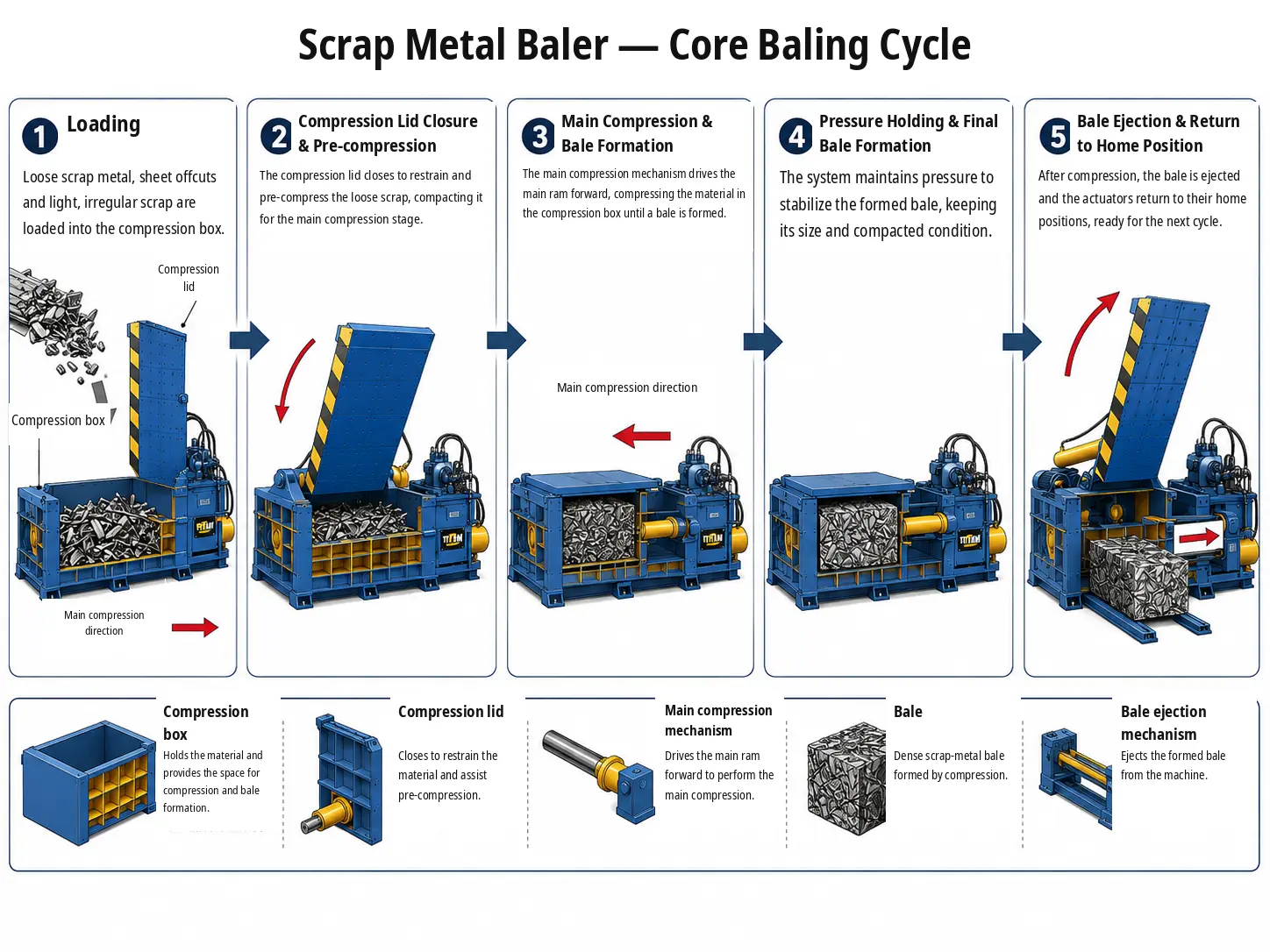
Core Baling Cycle
Core operating cycle from loading loose scrap metal and closing the compression lid through compression and bale formation to bale ejection and reset.
  1. 01

    Loading

    Loose scrap metal is loaded into the compression box. The actual load volume and material condition must be matched to the compression chamber dimensions, scrap form, and machine configuration.

  2. 02

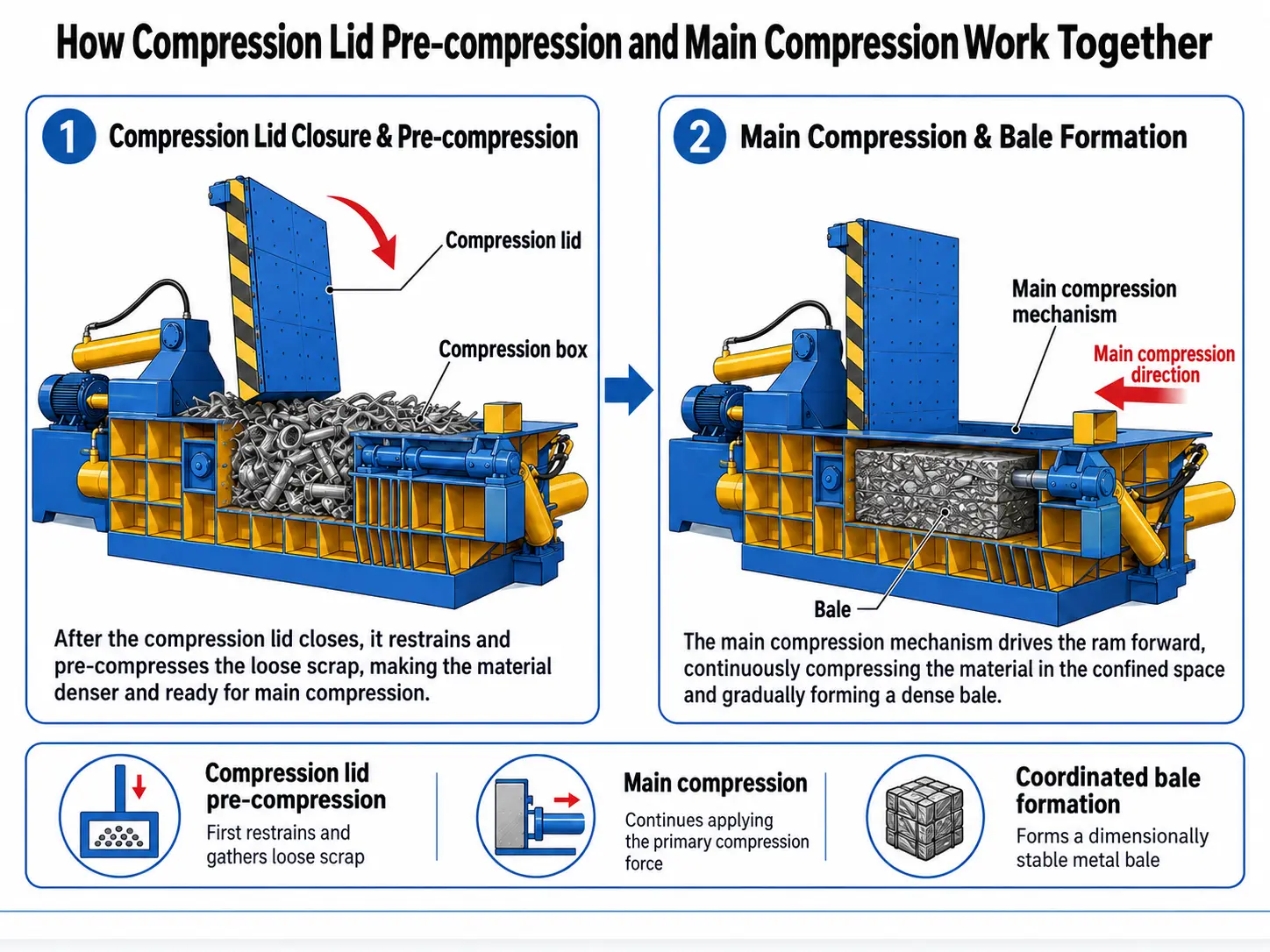
    Compression Lid Closing and Scrap Confinement

    After loading, the compression lid closes the compression space and confines loose or bulky scrap. Depending on the machine design, it may also take part in pre-compression or auxiliary compression, gradually bringing the material into a condition suitable for main compression.

  3. 03

    Main Compression and Bale Formation

    The hydraulic system drives the main compression mechanism, which continues to apply force to the scrap inside the compression box. As the scrap volume decreases, the material is progressively compacted within the confined space until a bale of the specified dimensions is formed.

  4. 04

    Pressure Holding and Final Bale Formation

    Once the specified compression condition is reached, the system completes the pressure-holding or forming stage according to the machine settings, allowing the bale to maintain the required dimensions and compacted condition before discharge.

  5. 05

    Bale Ejection and Reset

    After compression, the bale is ejected from the compression area or removed by the corresponding method, depending on the machine configuration. The actuators then return to their initial positions, ready for the next baling cycle.

Lid movement, compression stroke, and bale discharge method may vary by model and discharge configuration. The core process, however, is the same: loose scrap metal is confined within the compression space and hydraulically compacted into smaller, stable bales.

Three Key Engineering Factors for a Stable Baling Cycle

Stable scrap metal baling depends not only on baling force, but also on the coordination of hydraulic pressure and stroke, effective compression space, and the complete baling cycle.

  • Hydraulic Pressure and Stroke Control

    Baling requires sufficient compression force, along with hydraulic pressure and actuator stroke properly matched to the scrap condition and target bale specifications. Different materials, scrap forms, and bale specifications place different demands on the compression process, so machine selection should not be based on baling force alone.

  • Matching Compression Space to Machine Specifications

    The compression box defines the effective working space available to the scrap after loading. The loading area, compression space, and target bale specifications must be matched to one another; if the available space does not match the scrap condition, it changes the loading condition, compression process, and final bale formation.

  • Coordinated Baling Cycle Control

    Compression-lid operation, main compression, pressure holding or forming, bale ejection, and reset are not independent actions. The control system must coordinate the actuators according to the machine’s defined process sequence so that each baling cycle transitions smoothly into the next.

Real Scrap Metal Baling Projects

From scrap yards to large steel scrap recycling facilities, each operation handles different scrap types, processing volumes, and material-flow conditions. The projects below show how TITAN Y81 series balers are configured around actual scrap conditions and processing requirements to convert loose scrap metal into bales that are easier to store, transport, and handle in downstream recycling.

Volume Reduction and Transport Optimization for Diverse Loose Scrap Metal
Morocco · Scrap Yard

Volume Reduction and Transport Optimization for Diverse Loose Scrap Metal

Scrap Yard · Aluminium sheet scrap, steel scrap, TV housings, refrigerator housings, and other scrap · Y81-1600 Scrap Metal Baler

The customer handles a wide range of scrap materials. Large quantities of light-gauge and bulky metal scrap occupied valuable yard space and resulted in poor truck load utilization. TITAN configured a Y81-1600 baler to compact the loose metal scrap into dense bales, improving on-site storage and transport organization.

5:1Volume Reduction Ratio
≈60%Reduction in On-Site Scrap Accumulation
40%Reduction in Transport Frequency
Yard Space Optimization for Scrap Iron Plates and Pipes
Mexico · Scrap Yard

Yard Space Optimization for Scrap Iron Plates and Pipes

Scrap Yard · Scrap iron plates and pipes · Y81-1250 Scrap Metal Baler

The customer regularly handles bulky scrap iron plates and pipes, and loose storage was already occupying a substantial part of the yard. Instead of expanding the storage area, the customer introduced a Y81-1250 baler to compact the scrap into consistently shaped bales for centralized handling and stacking, improving the use of the existing yard space.

65%Reduction in Yard Space Occupied
3 → 1 trips/weekTransport Frequency
≈US$22,000/yearLogistics Cost Savings
10–15%Increase in Selling Price

The results above are actual records from the corresponding customer projects and are specific to the scrap materials, equipment configurations, site-management practices, and local recycling conditions involved. Results such as scrap volume reduction, bale density, throughput, logistics costs, and selling prices should not be interpreted as fixed performance guarantees for other projects.

Customer Feedback

Feedback from a customer using this TITAN machine in a real scrap processing project.

5 / 5

The TITAN Y81-1250 baling system was built to handle the demands of processing our stainless steel scrap. Its performance and durability improved our handling efficiency and increased the value of our recycled materials.

Roberto MercadoPlant Manager

Support from Installation and Start-Up to Long-Term Operation

TITAN support extends beyond equipment delivery. Depending on project requirements, we can provide equipment installation and commissioning, operator training, and, once the equipment is in operation, technical support through remote diagnostics, field service, and spare parts supply to support continued operation.

On-Site Commissioning and Training
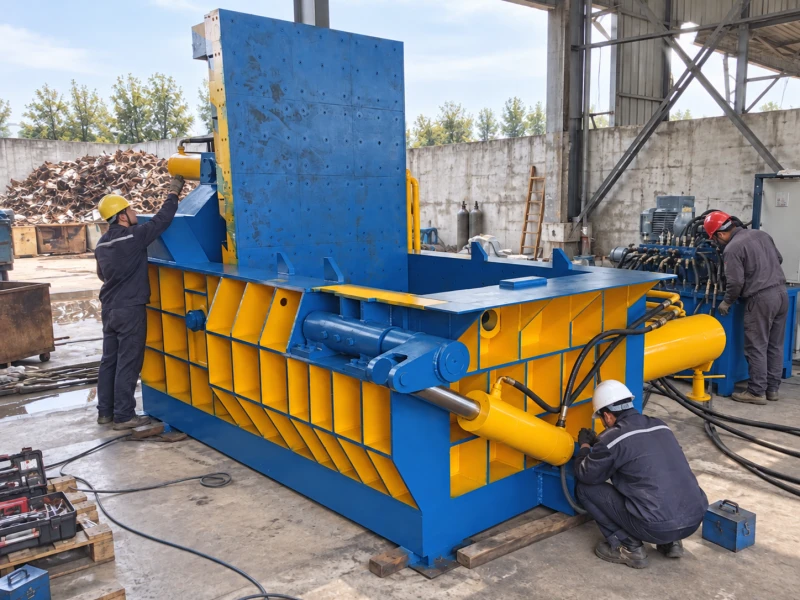
TITAN engineers can provide equipment commissioning, operating guidance, and on-site technical support according to project requirements.
  1. 01
    Equipment Installation

    Installation and System Connections

    Based on the equipment and project configuration, the main machine is positioned and the required piping and electrical connections are completed, preparing the equipment for integrated commissioning.

    • Machine positioning
    • Piping connections
    • Electrical connections
  2. 02
    System Commissioning

    Integrated Commissioning and Operating Verification

    The hydraulic, electrical, and control systems are commissioned together, while the sequence of operations and operating status are checked to verify that the actuators complete a full baling cycle according to the configured control logic.

    • Hydraulic system checks
    • Control logic and sequence verification
    • Baling cycle testing
  3. 03
    Operator Training

    Operation and Basic Maintenance Training

    Training covers start-up and shutdown, parameter settings, handling of abnormal conditions, safe operation, and routine maintenance, helping operators understand the machine’s fundamental operating procedures and response steps.

    • Start-up, shutdown, and parameter settings
    • Handling of abnormal conditions
    • Routine maintenance
  4. 04
    Long-Term Support

    Remote Diagnostics, Field Service, and Spare Parts Supply

    Once the equipment is in operation, TITAN can assist with remote diagnostics based on fault symptoms, alarm information, and operating status. Where further intervention is required, field service and the corresponding spare parts can be provided.

    • Remote fault diagnostics
    • Field service
    • OEM spare parts supply
12 MonthsComplete Machine WarrantyThe 12-month warranty applies to the complete machine. Coverage for wear parts and other items is subject to the warranty terms.
Remote DiagnosticsTechnical SupportAssistance with troubleshooting faults in the hydraulic, electrical, and control systems.
OEM Spare PartsLong-Term Spare Parts SupportSpare parts support is available for hydraulic, electrical, sealing, and related components.

Specific installation arrangements, field-service scope, and warranty coverage are determined by the project configuration, delivery region, and contractual terms.

Scrap Metal Baler FAQs

Can a scrap metal baler process mixed metal scrap?
Yes. A scrap metal baler can process various types of steel, iron, stainless steel, aluminium, and copper scrap, as well as metal offcuts and light-gauge scrap. However, whether different materials should be baled together depends on the scrap composition and downstream recycling requirements. If different metals need to be recovered or graded separately, sorting is recommended before baling. If the scrap contains significant amounts of plastic, rubber, or other non-metal contaminants, the necessary separation or pretreatment should also be carried out first.
Can oversized steel scrap, rebar, or pipes be baled directly?
It depends on whether the scrap dimensions are compatible with the compression chamber and the machine’s effective loading dimensions. Sheet offcuts, light-gauge scrap, and appropriately sized irregular scrap metal can usually enter the baling process directly. Long rebar, pipes, or other elongated scrap that exceed the machine’s effective loading dimensions should first be sheared to a suitable length for loading and compression before being fed into the scrap metal baler.
How should I choose a Y81 scrap metal baler model?
Model selection should not be based on rated baling force alone. TITAN typically evaluates the metal type, scrap size and form, required hourly or daily throughput, target bale dimensions, available installation space, and the planned feeding, bale discharge, and downstream handling methods. Together, these conditions determine the required baling force, compression chamber size, bale specifications, and overall machine configuration. A larger model is not necessarily a better fit for the actual operating conditions.
Can bale dimensions and the bale discharge method be configured for the project?
Yes. The appropriate configuration can be matched to the actual material and project requirements. Different standard Y81 models provide different compression chamber sizes and bale specifications. Depending on the project, the target bale dimensions, feeding conditions, and the way finished bales are transferred after leaving the machine can also be considered. TITAN scrap metal balers can be configured with turn-out bale discharge, side push-out bale discharge, front push-out bale discharge, or other suitable discharge arrangements, with conveying equipment considered according to the site logistics.
When should I choose a scrap metal baler instead of a metal briquetting machine?
The main factors are the scrap form and the required final product. A scrap metal baler is generally better suited to larger, lighter, sheet-form, or irregular loose scrap metal, such as offcuts, stamping scrap, steel scrap, aluminium sheet scrap, and metal containers, producing relatively large metal bales. A metal briquetting machine is designed mainly for turnings, chips, and other fine machining scrap and is usually more suitable when high-density briquettes are required. If the material falls between these two categories, the decision should be based on the actual scrap size, form, and downstream processing requirements rather than on the metal type alone.