Pakistan | Aluminium Scrap Shredding Pretreatment

Project Overview

Pakistan Aluminium Scrap Shredding Pretreatment Project

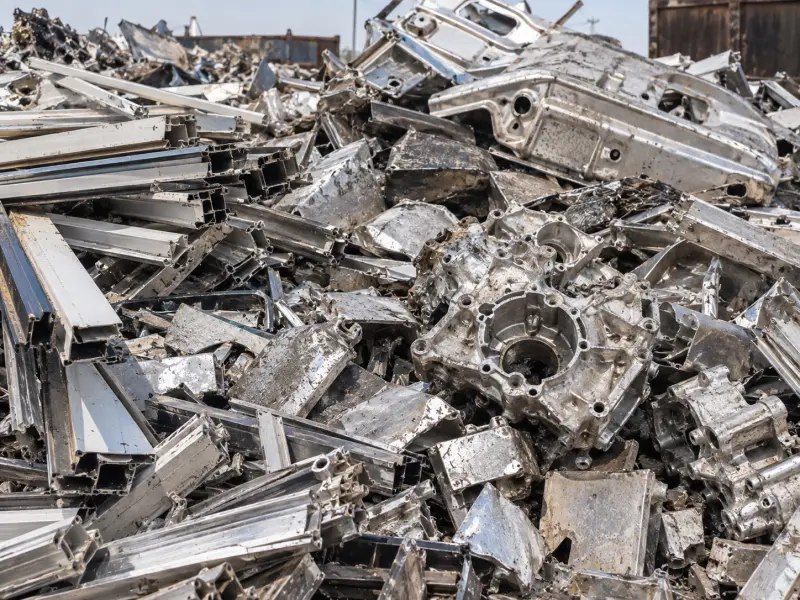
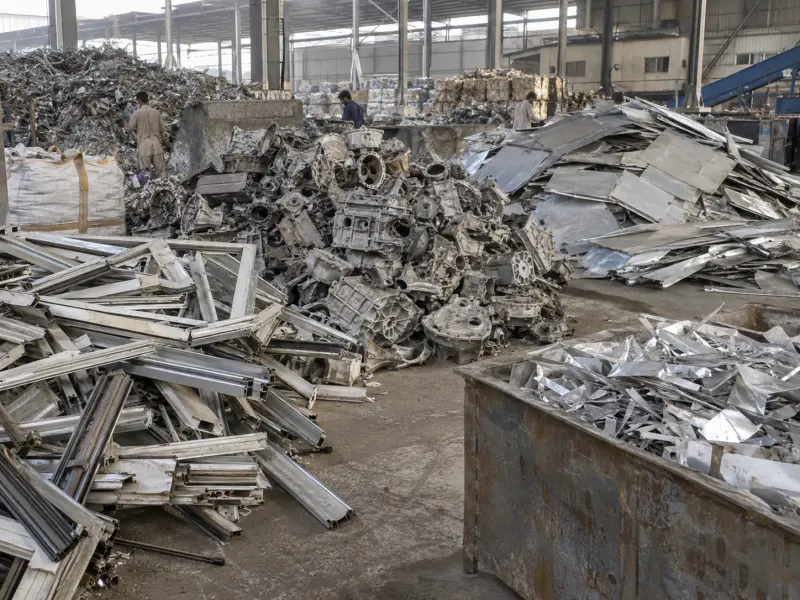
The customer is a large secondary aluminium producer that continuously processes aluminium alloy scrap from various sources, including aluminium window and door profiles, automotive aluminium castings, aluminium sheet scrap, and light-gauge aluminium scrap.

These materials arrive at the plant in significantly different forms. Some are large or irregularly shaped and cannot be fed reliably into the downstream melting process in their original condition. They therefore require size reduction and material conditioning before melting.

The main objective of the project was to establish reliable aluminium scrap pretreatment capacity, converting bulky scrap in different forms into more consistent, medium-sized material better suited for continuous downstream melting.

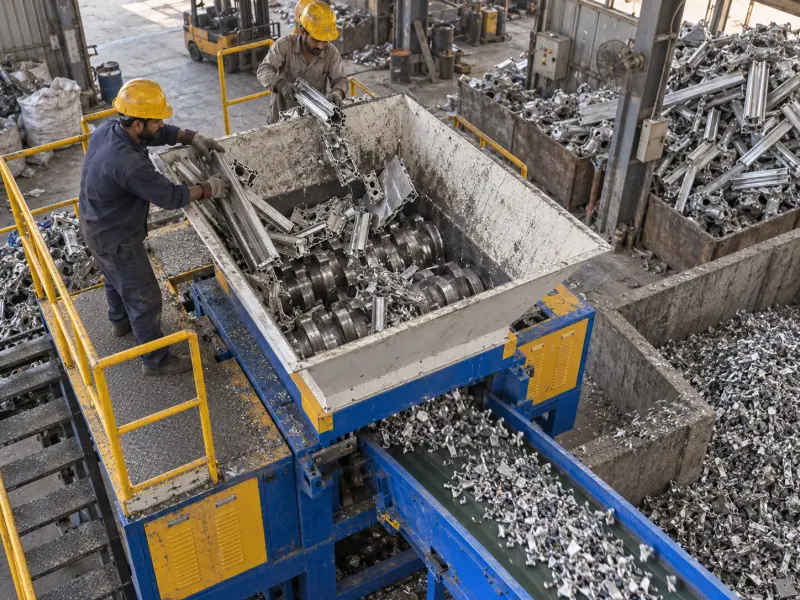
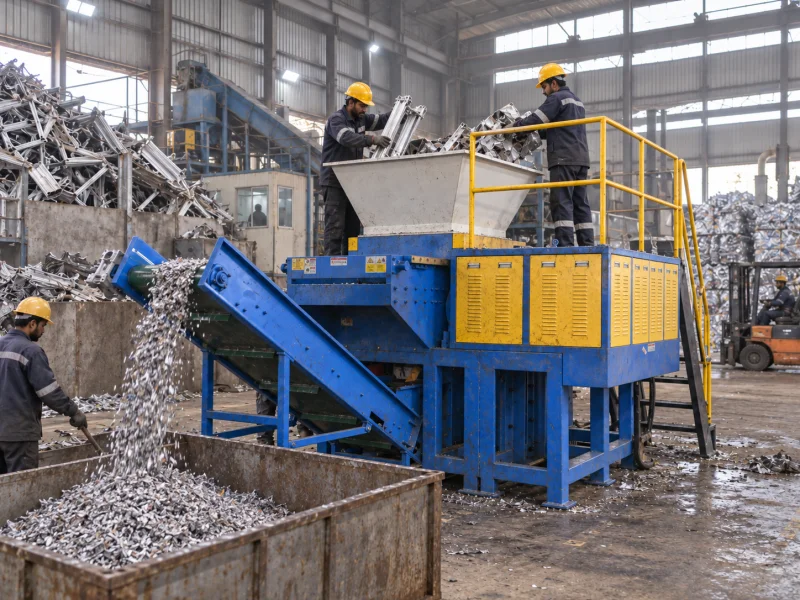
The customer therefore installed a TDS-1000 Twin-Shaft Metal Shredder as the front-end pretreatment machine. It tears and shears bulky, irregular aluminium scrap to provide primary size and volume reduction.

Pakistan Aluminium Scrap Shredding Pretreatment Project
Country / Region
Pakistan
Customer Industry
Secondary aluminium
Material
Aluminium alloy scrap
Typical Feed Materials
Aluminium window and door profiles, automotive aluminium castings, aluminium sheet scrap, light-gauge aluminium scrap
Equipment
TDS-1000 Twin-Shaft Metal Shredder
Project Objective
Reduce the size of bulky aluminium scrap, improve material condition before furnace charging, and provide stable pretreatment for continuous melting
Actual Processing Capacity
Approx. 1.3–1.5 t/h
Key Result
Pretreatment capacity supports continuous plant operation at full production capacity
Different Forms of Aluminium Scrap Could Not Be Fed Directly into Continuous Melting
Processing Challenge

Different Forms of Aluminium Scrap Could Not Be Fed Directly into Continuous Melting

The aluminium alloy scrap collected by the customer came from different sources and in different forms, ranging from long window and door profiles and aluminium sheet scrap to larger automotive castings and light-gauge scrap.

Without appropriate pretreatment, these differences could affect downstream material feeding, furnace charging, and continuous production.

01

Feed Size and Form Varied Significantly

Window and door profiles, automotive castings, aluminium sheet, and light-gauge scrap differed considerably in size, thickness, and shape. Some bulky or irregular pieces could not be fed reliably into the melting process in their original condition.
02

Manual or Basic Mechanical Processing Had Limited Capacity

With different forms of aluminium scrap continuously entering the plant, relying mainly on manual work or basic mechanical methods for size reduction could not provide the processing efficiency required for continuous production.

03

More Consistent Material Was Needed Before Furnace Charging

Large variations in the original scrap size made stable downstream feeding and melting more difficult. The project therefore needed to produce aluminium scrap with more consistent dimensions and a form better suited to subsequent processing.

The first issue to solve was the size-reduction pretreatment of bulky and irregular aluminium scrap before furnace charging.

Processing Approach

Twin-Shaft Shredding for Primary Size and Volume Reduction Before Melting

For the different forms of bulky aluminium scrap handled at the customer’s plant, twin-shaft shredding was installed upstream of melting as the initial pretreatment stage.

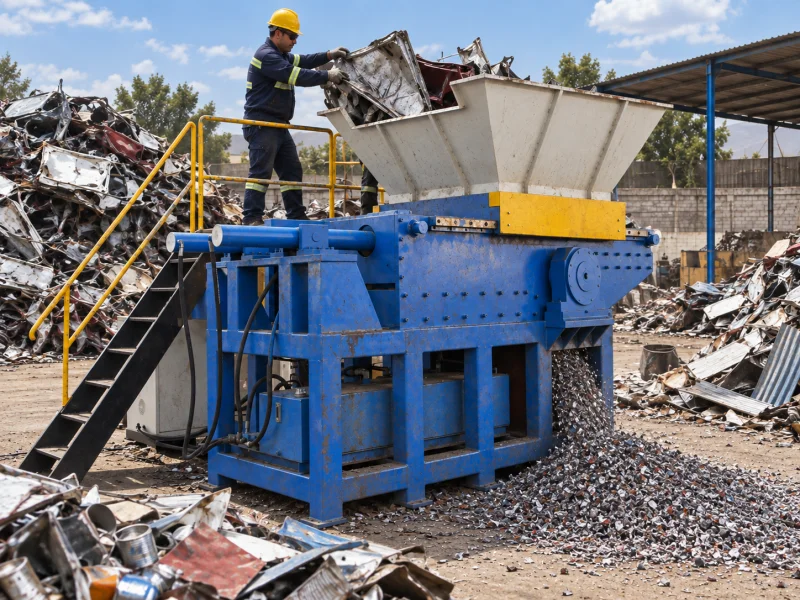
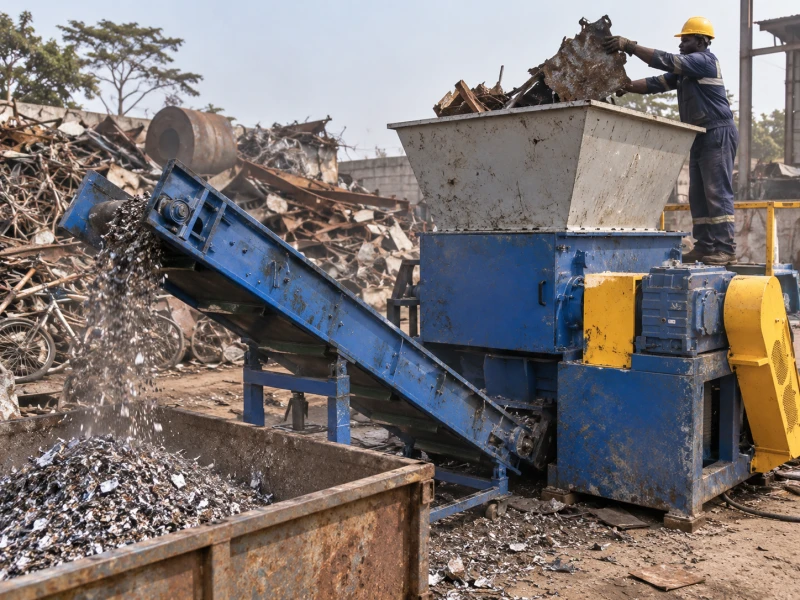
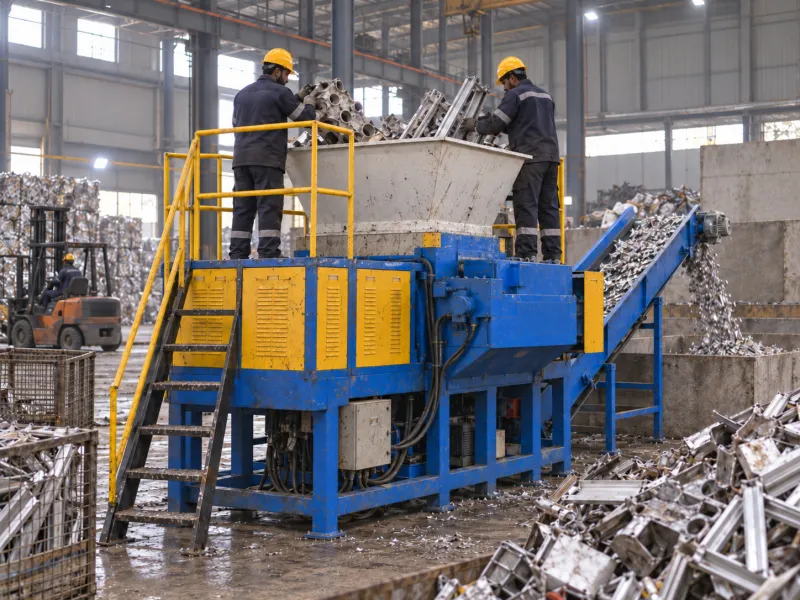
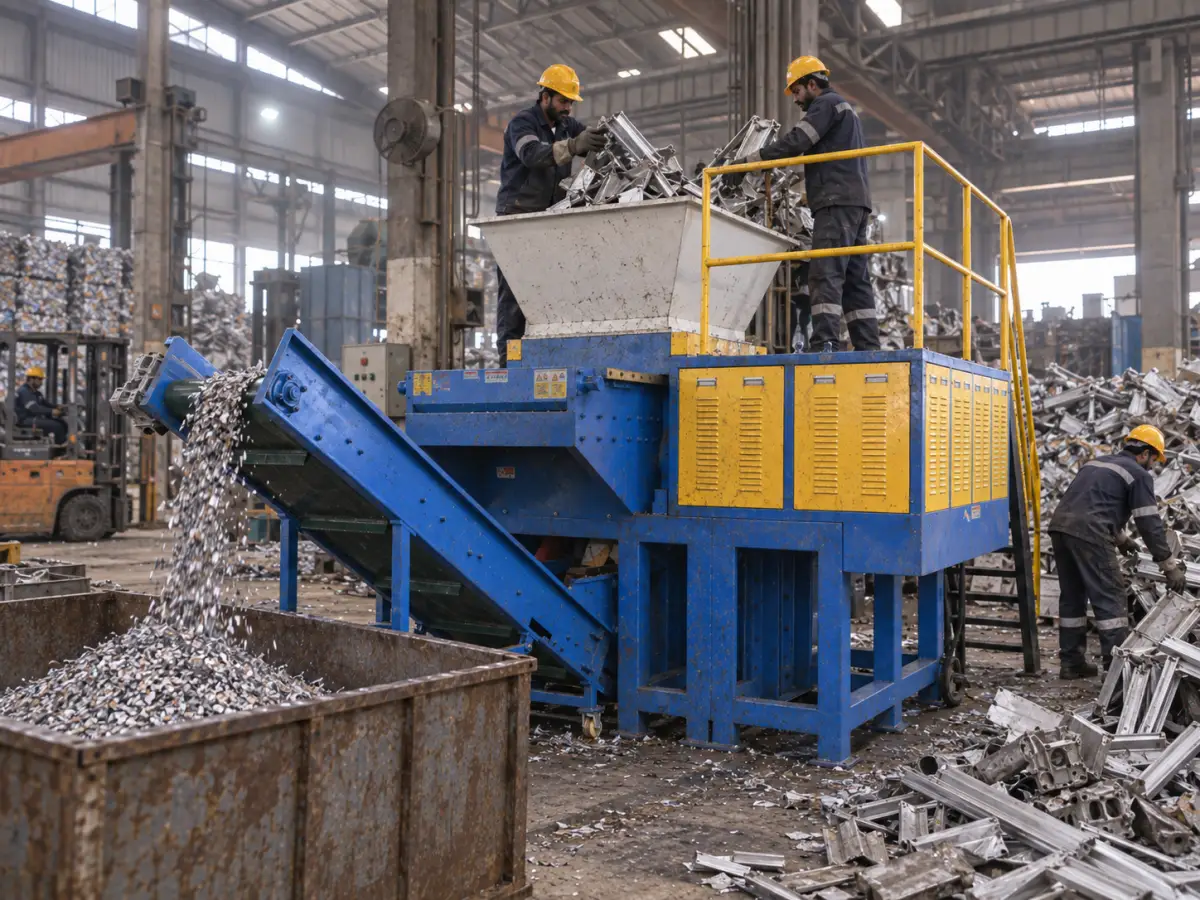
After entering the TDS-1000, the scrap is torn and sheared by the twin-shaft cutting system. Larger window and door profiles, aluminium castings, sheet material, and other irregular pieces are progressively reduced into medium-sized material with more consistent dimensions.

The objective at this stage is not to process the aluminium scrap into very fine particles. Instead, shredding provides primary size and volume reduction so that the material is better suited to subsequent conveying and melting.

01Aluminium Window and Door Profiles / Automotive Aluminium Castings / Aluminium Sheet Scrap / Light-Gauge Aluminium Scrap
02Centralized Feeding
03TDS-1000 Twin-Shaft Shredding
04Tearing and Shearing
05Primary Size and Volume Reduction
06More Consistent, Medium-Sized Aluminium Scrap
07Downstream Melting
Equipment & Project Configuration

TDS-1000 Twin-Shaft Metal Shredder

The project uses a TDS-1000 to process aluminium alloy scrap in different forms, including aluminium window and door profiles, automotive aluminium castings, aluminium sheet scrap, and light-gauge aluminium scrap.

Its twin-shaft cutting system tears and shears material entering the shredding chamber, providing primary size reduction for scrap that was originally bulky or irregularly shaped.

In this project, the TDS-1000 provides reliable front-end pretreatment capacity and prepares the aluminium scrap in a more consistent, easier-to-handle condition before downstream melting.

Equipment Type
Twin-Shaft Metal Shredder
Model
TDS-1000
Material
Aluminium alloy scrap
Typical Feed Materials
Aluminium window and door profiles, automotive aluminium castings, aluminium sheet scrap, light-gauge aluminium scrap
Main Processing Objectives
Size reduction before furnace charging and primary volume reduction
Actual Processing Capacity
Approx. 1.3–1.5 t/h
Output Material
Medium-sized aluminium scrap with more consistent dimensions
View Equipment
TDS-1000 Twin-Shaft Metal Shredder
Project Results

Actual Pretreatment Capacity Reached Approx. 1.3–1.5 t/h

After commissioning, the TDS-1000 began handling pretreatment of bulky and irregular aluminium scrap before melting.

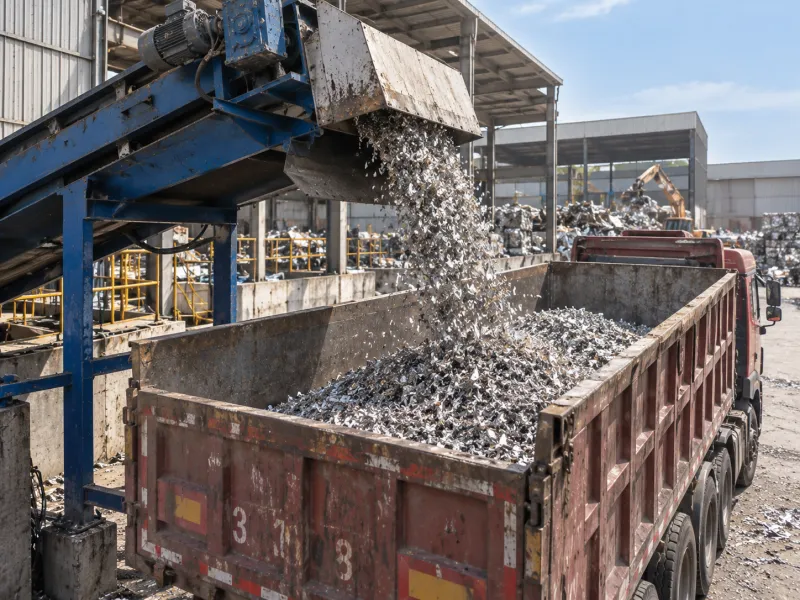
According to project operating records, the pretreatment line achieved an actual processing capacity of approximately 1.3–1.5 t/h, supporting continuous plant operation at full production capacity.

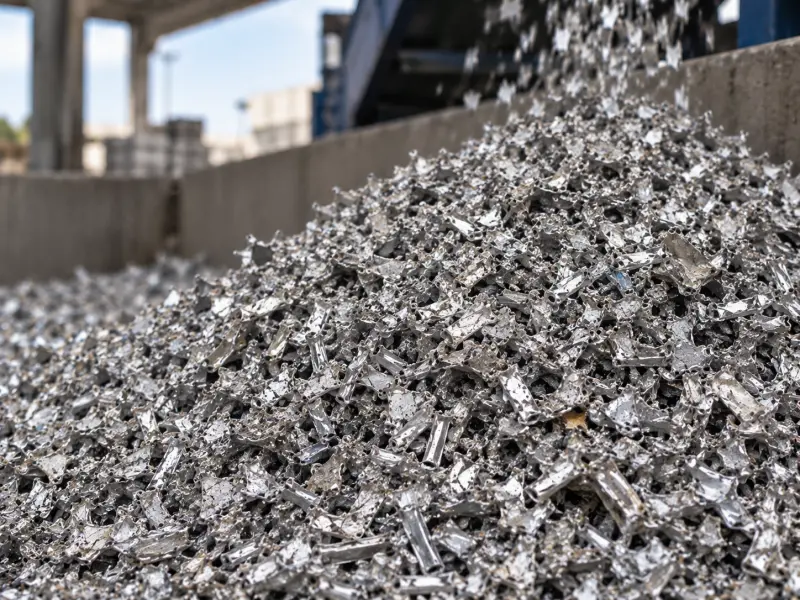
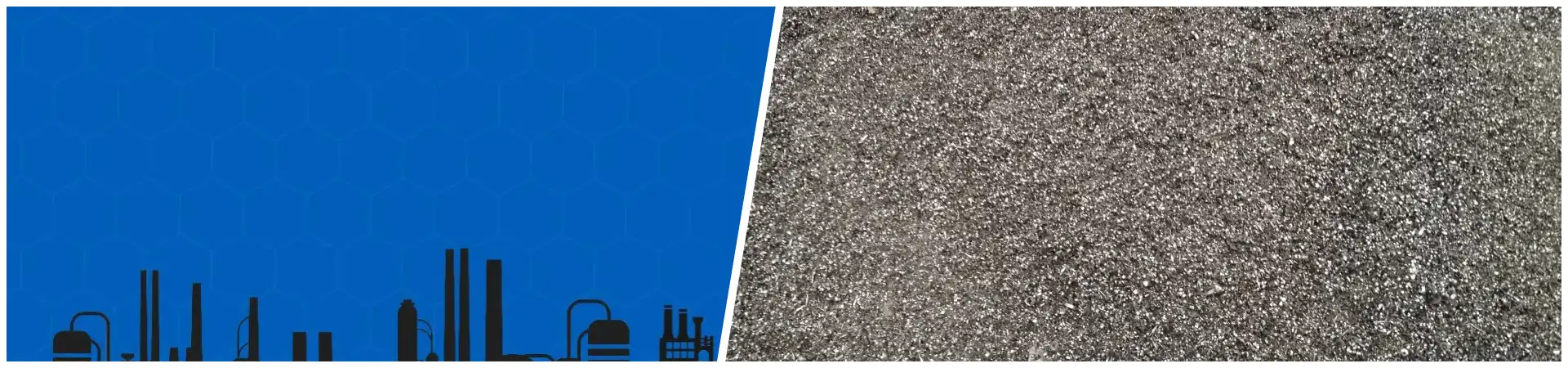
After shredding, scrap that originally varied significantly in size and shape was converted into medium-sized material with a more consistent size distribution.

Project records also show that the processed aluminium scrap had a more uniform size and was relatively clean, providing a more stable feed condition for downstream melting.

1.3–1.5 t/h

Actual Processing Capacity

The pretreatment line achieved an actual processing capacity of approximately 1.3–1.5 tonnes per hour.

Continuous Production at Full Capacity

Supports Full-Capacity Operation

The pretreatment capacity supports continuous plant operation at full production capacity.

More Uniform Material Size

Material After Processing

Bulky aluminium scrap in different forms is shredded into medium-sized material with more consistent dimensions.

More Stable Furnace Feed

Preparation for Downstream Melting

After pretreatment, the aluminium scrap is in a condition better suited to furnace charging and subsequent melting.

On-Site Evidence

Customer Site and Actual Processing Results

Related Projects

More Scrap Metal Processing Projects

Related Equipment & Solution

Explore the Equipment and Processing Routes Behind This Project