
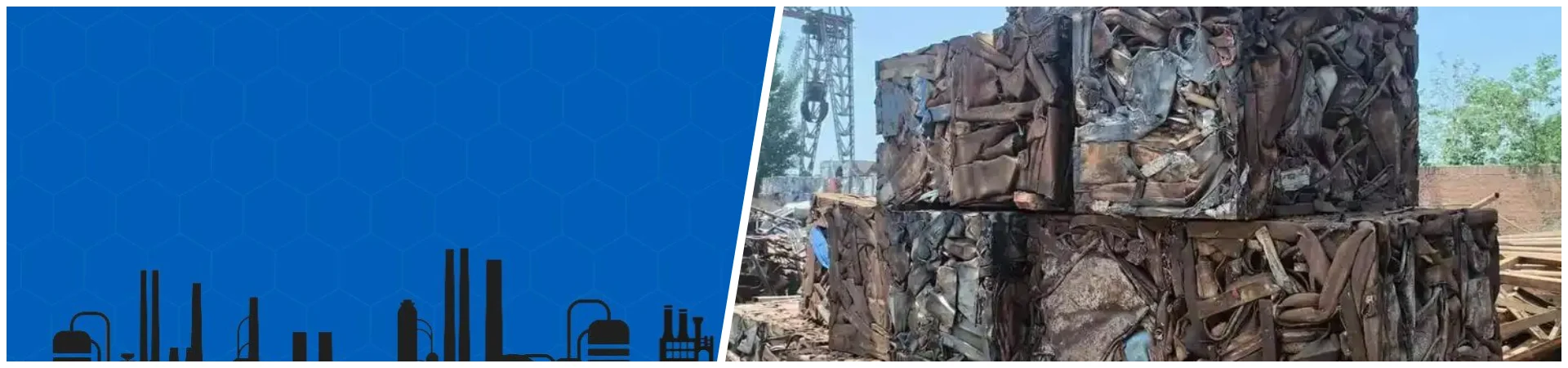
Too Much Yard Space Was Required
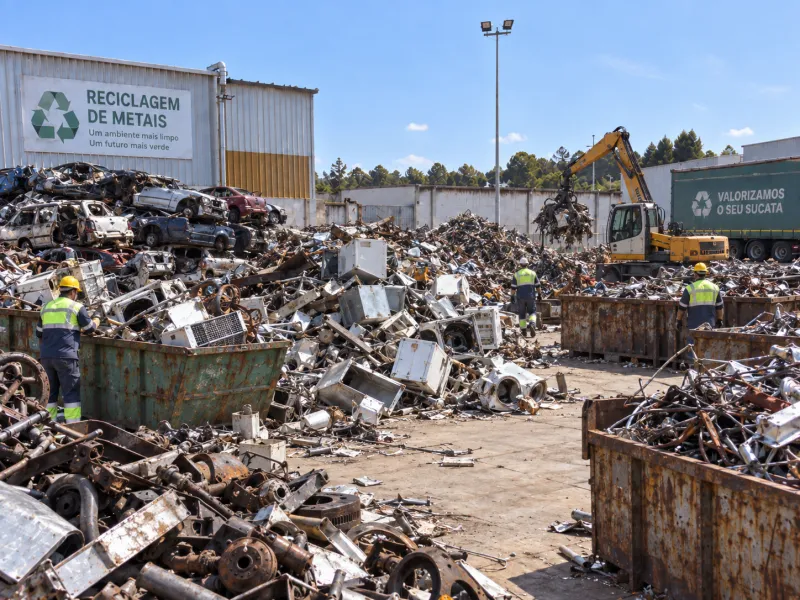
Car bodies, appliance casings, and large industrial offcuts contain substantial empty space when stored loose. As a result, the same weight of steel scrap occupies considerably more storage space.
The customer is a large steel scrap recycling company that continuously receives scrap car bodies, domestic appliance casings, industrial offcuts, and other types of steel scrap.
These materials generally arrive in a bulky, loose condition. As incoming scrap volumes increased, the loose steel scrap occupied substantial yard space and added pressure to on-site handling, temporary storage, and subsequent transport.
The main objective of the project was not to process the scrap into smaller pieces, but to reduce the volume occupied by bulky loose steel scrap so that it could be stored, handled, and transported more efficiently.
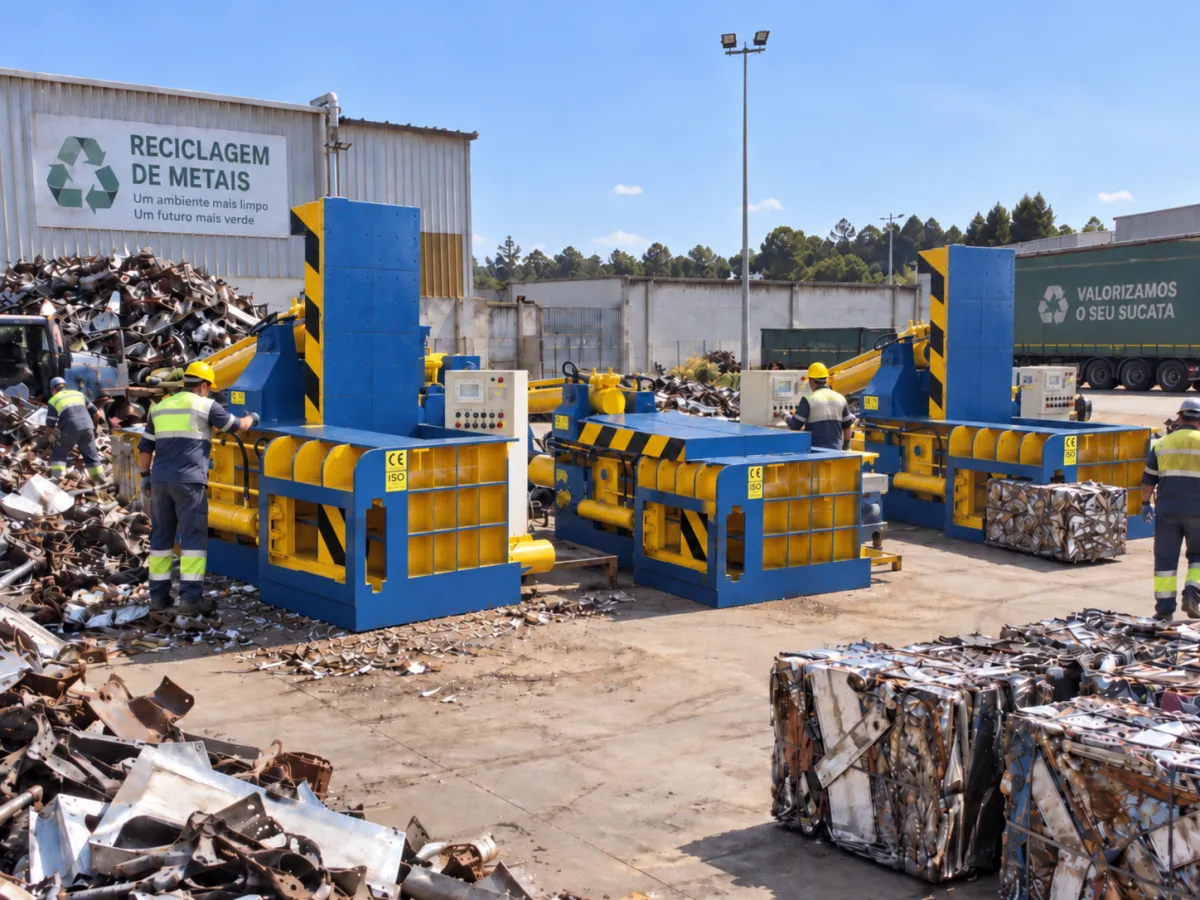
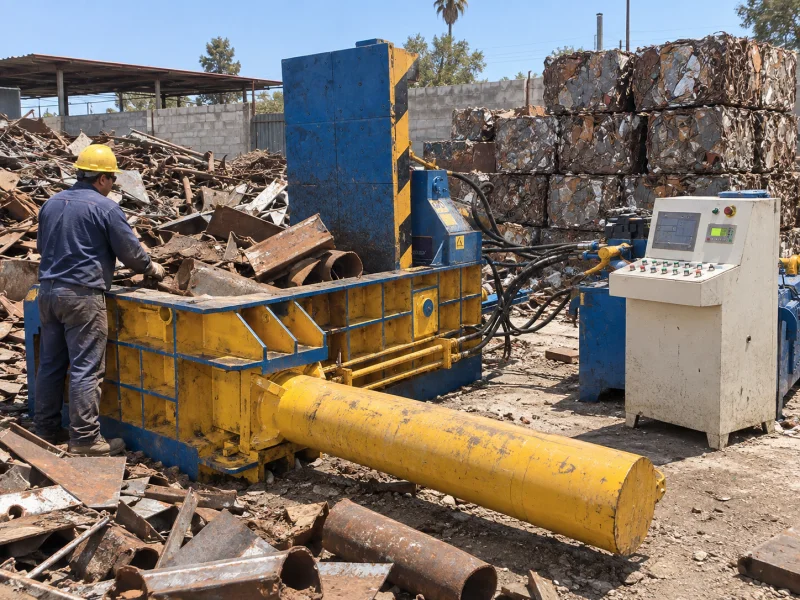
The customer therefore installed multiple Y81-2000 Hydraulic Metal Balers. Different types of steel scrap are sorted and then centrally compressed into more compact metal bales with relatively consistent dimensions.
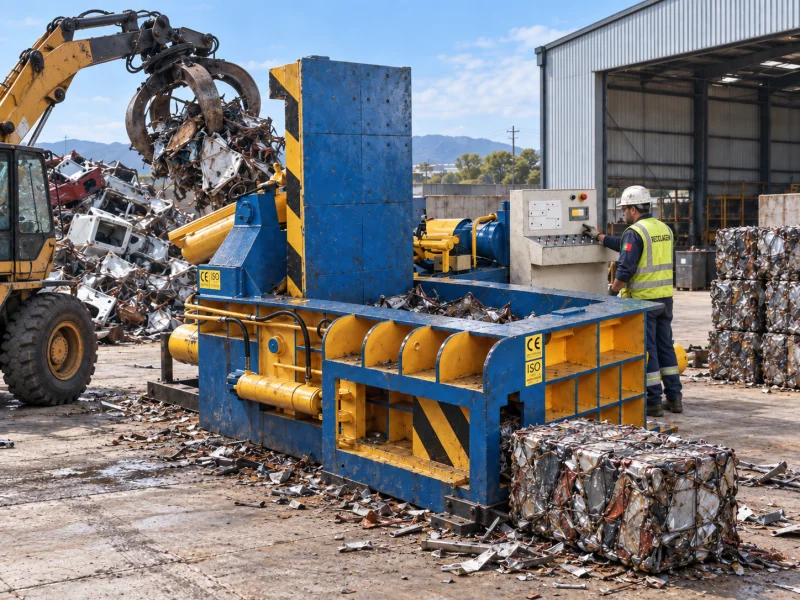
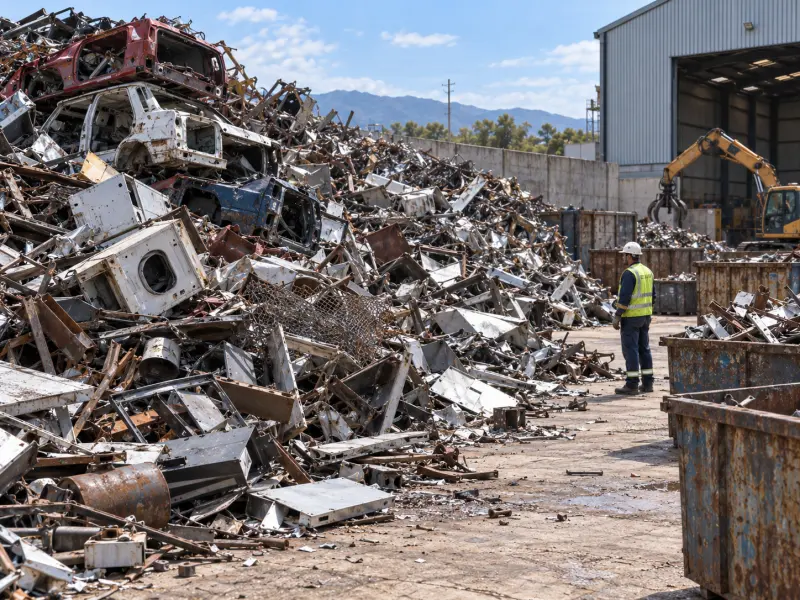
The steel scrap handled at the site came from different sources, including end-of-life vehicle dismantling, discarded appliance recycling, and offcuts generated during industrial production.
Although all of these materials are recyclable metals, before compression they generally have large overall dimensions and relatively low bulk density. As scrap continued to enter the recycling site, the main processing pressure was concentrated in three areas.
Car bodies, appliance casings, and large industrial offcuts contain substantial empty space when stored loose. As a result, the same weight of steel scrap occupies considerably more storage space.
Bulky, irregular scrap is difficult to stack neatly and increases the amount of work required for grabbing, transferring, and reorganizing the material.
As the volume of steel scrap entering the site continued to grow, the existing processing capacity was no longer sufficient. Multiple machines were therefore required to work together to handle the larger material flow.
The first issue this project needed to solve was volume, not size.
Before selecting the equipment, the first step was to determine the main problem with the incoming scrap and the required condition of the material after processing.
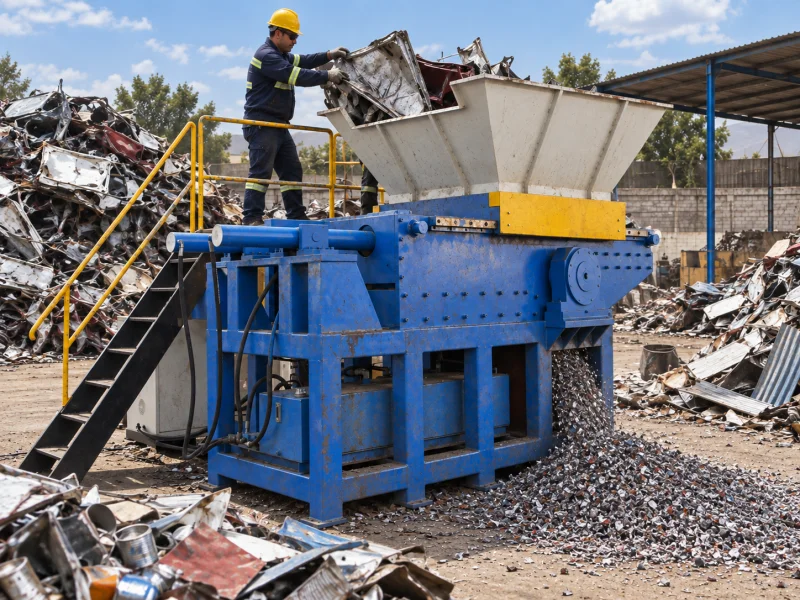
In this project, the bulky steel scrap occupied substantial space, but there was no requirement to produce smaller, more uniformly sized fragments. Nor did the project require shredding for material liberation.
There was therefore no need to add a shredding stage.
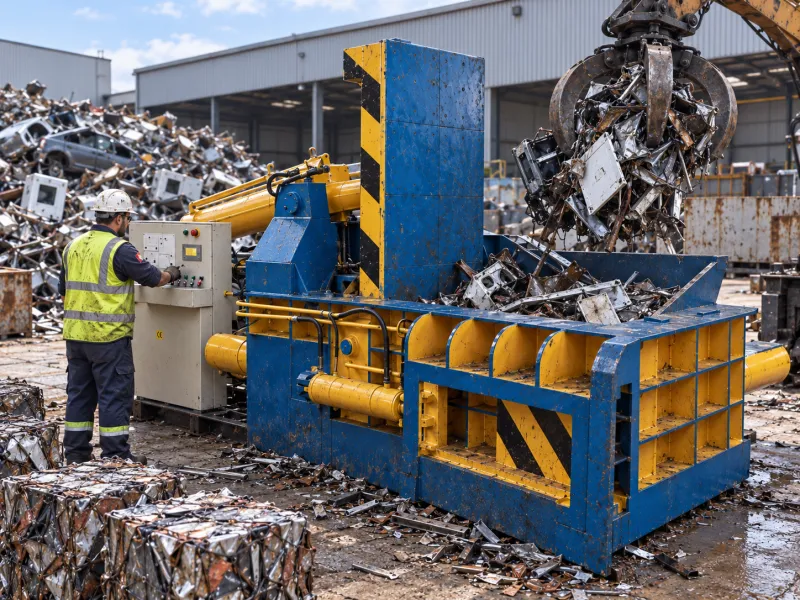
The customer first sorts the different types of steel scrap and then uses hydraulic baling for centralized compression. The loose, space-consuming material is formed into more compact metal bales with relatively consistent dimensions, improving subsequent storage, transfer, and handling conditions.
To handle the large volume of steel scrap entering the site, the customer installed multiple Y81-2000 Hydraulic Metal Balers for continuous processing of bulky loose steel scrap.
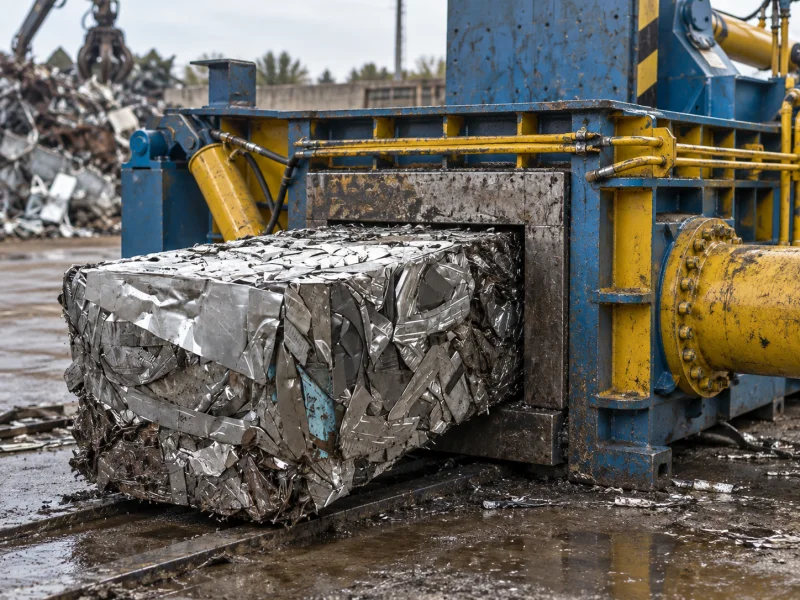
After sorting, the different scrap types enter the baling stage for centralized processing. Hydraulic compression converts the loose, bulky material into more compact metal bales.
In this project, the main role of the balers is to reduce scrap volume, increase storage density, reduce the need for manual organization and handling, and provide a more compact form for subsequent transfer and processing.
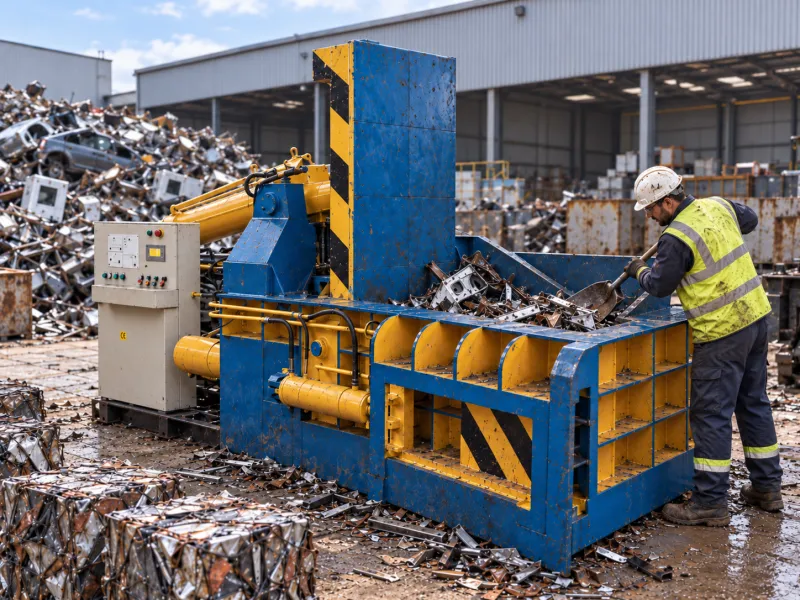
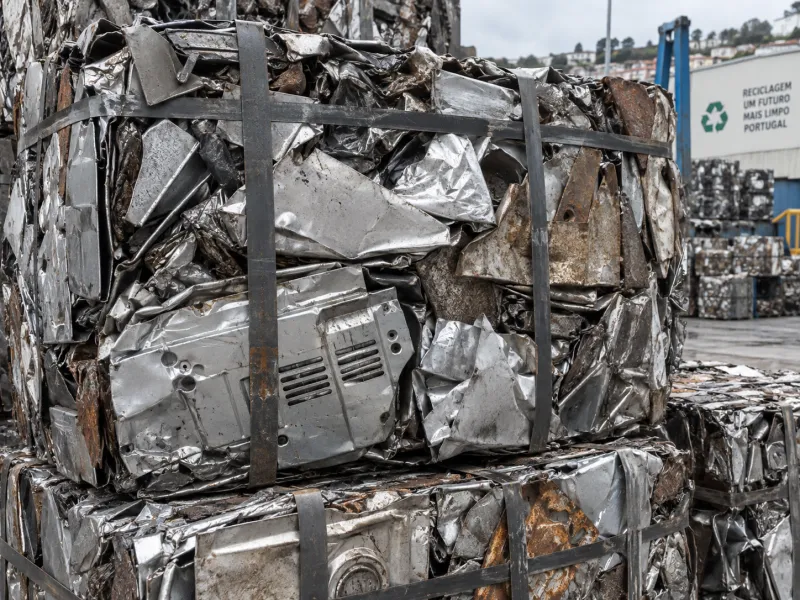
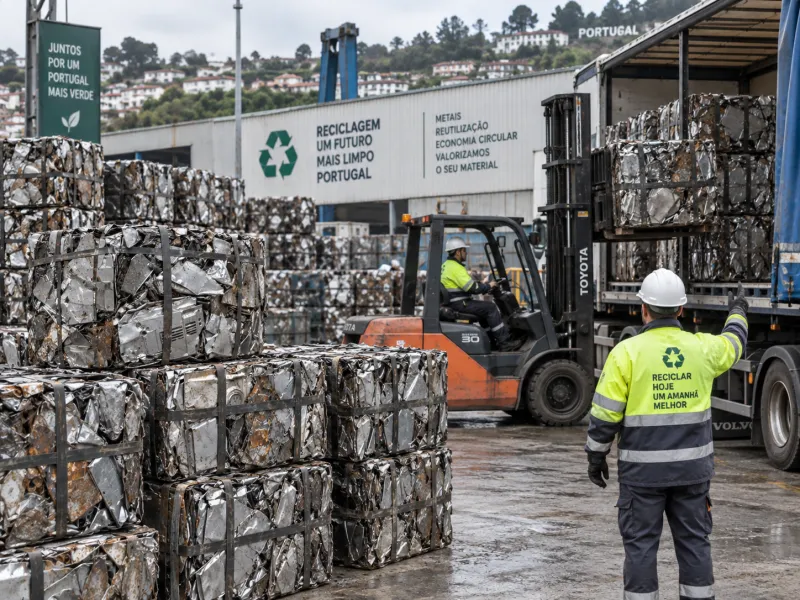
After the project went into operation, bulky loose steel scrap was sorted and centrally baled into more compact metal bales.
According to actual operating records, the original volume occupied by the scrap was reduced by approximately 70% after baling, while bale density reached 1.8 t/m³ or higher.
The material changed from a loose, irregular condition into a more concentrated and stable bale form, improving conditions for on-site storage, transfer, and subsequent processing.
At the same time, labor requirements for scrap organization and handling decreased by approximately 40%. Of the bales produced during project operation, approximately 98% met the required specifications.
With multiple units operating together, the site achieved an average processing capacity of approximately 120 t/day, supporting the customer’s growing bulky steel scrap volumes.
Baling significantly reduces the space occupied by loose steel scrap.
Compressed steel scrap forms denser, more compact bales.
The need for manual scrap organization, handling, and processing was reduced.
Approximately 98% of the bales produced during project operation met the required specifications.
Multiple balers work together to process the continuous flow of bulky steel scrap entering the site.
Compacts loose steel, iron, aluminium, copper and light-gauge scrap into dense bales for easier storage, transport and downstream recycling.
View Equipment →Determine whether the main issue is excessive bulk volume or unsuitable piece size, then choose baling, shredding, or the required sorting route.
View Solution →