Mexico | Light Scrap Twin-Shaft Shredding Project

Project Overview

Mexico Light Scrap Twin-Shaft Shredding Project

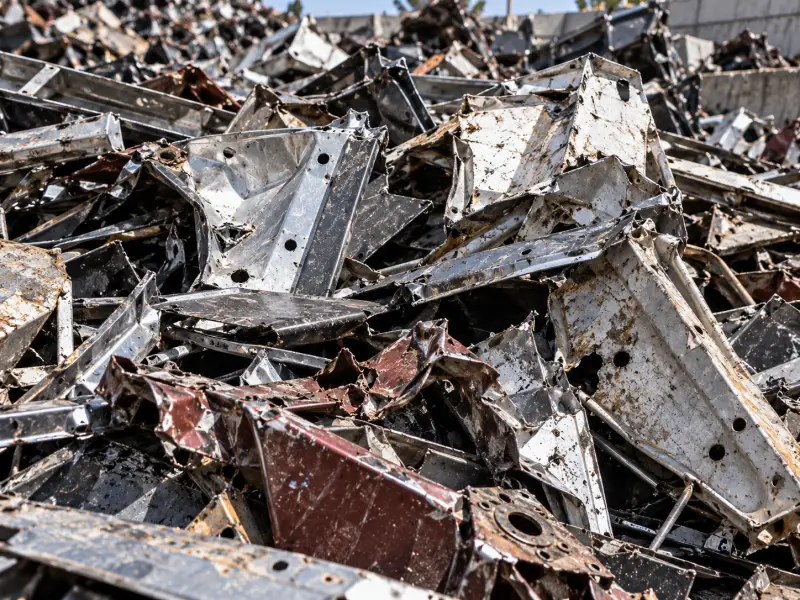
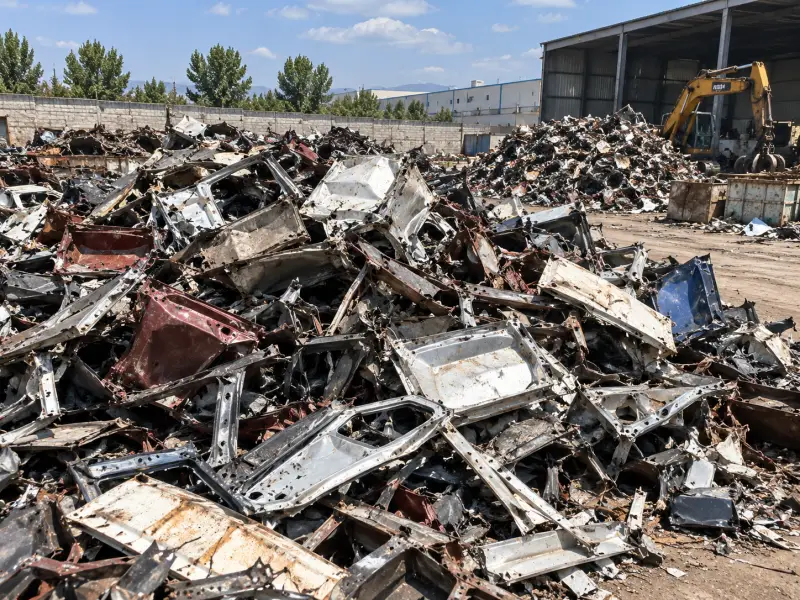
The customer is a large scrap metal recycling and processing company handling a continuous flow of light scrap, scrap car bodies, used beverage cans, pre-painted corrugated steel roofing sheets, scrap sheet metal, and other forms of metal scrap.

These materials vary significantly in size, thickness, and physical form. Some are bulky and loosely structured, and the customer’s existing shearing and baling methods were becoming insufficient for the growing processing demand. The existing methods also produced inconsistent output size.

The main requirement was therefore not simply to reduce the space occupied by the scrap, but to establish a more stable continuous size-reduction process. The customer needed different forms of scrap to be reduced into more uniformly sized shredded material for subsequent collection, transfer, and recycling.

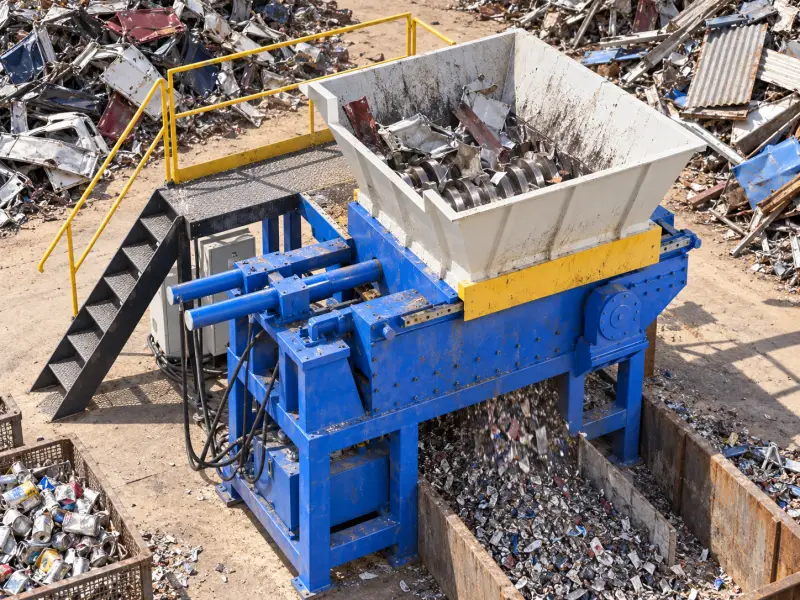
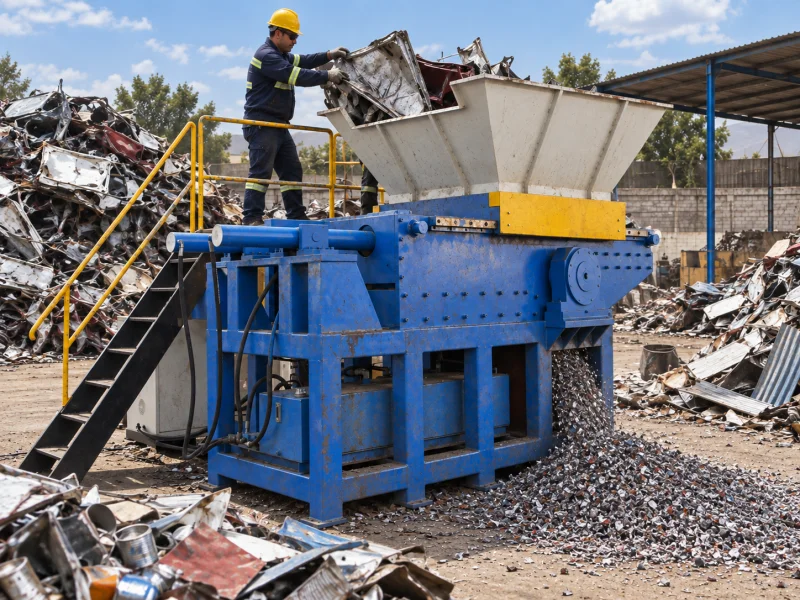
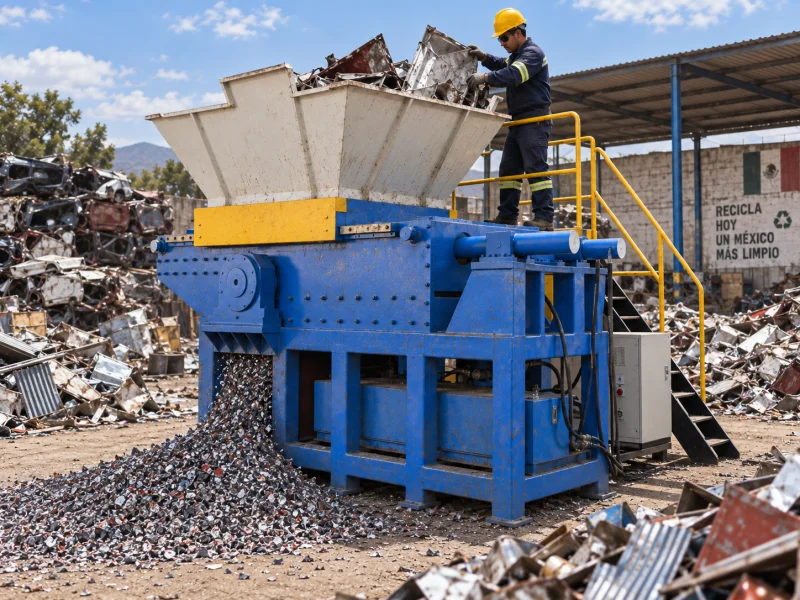
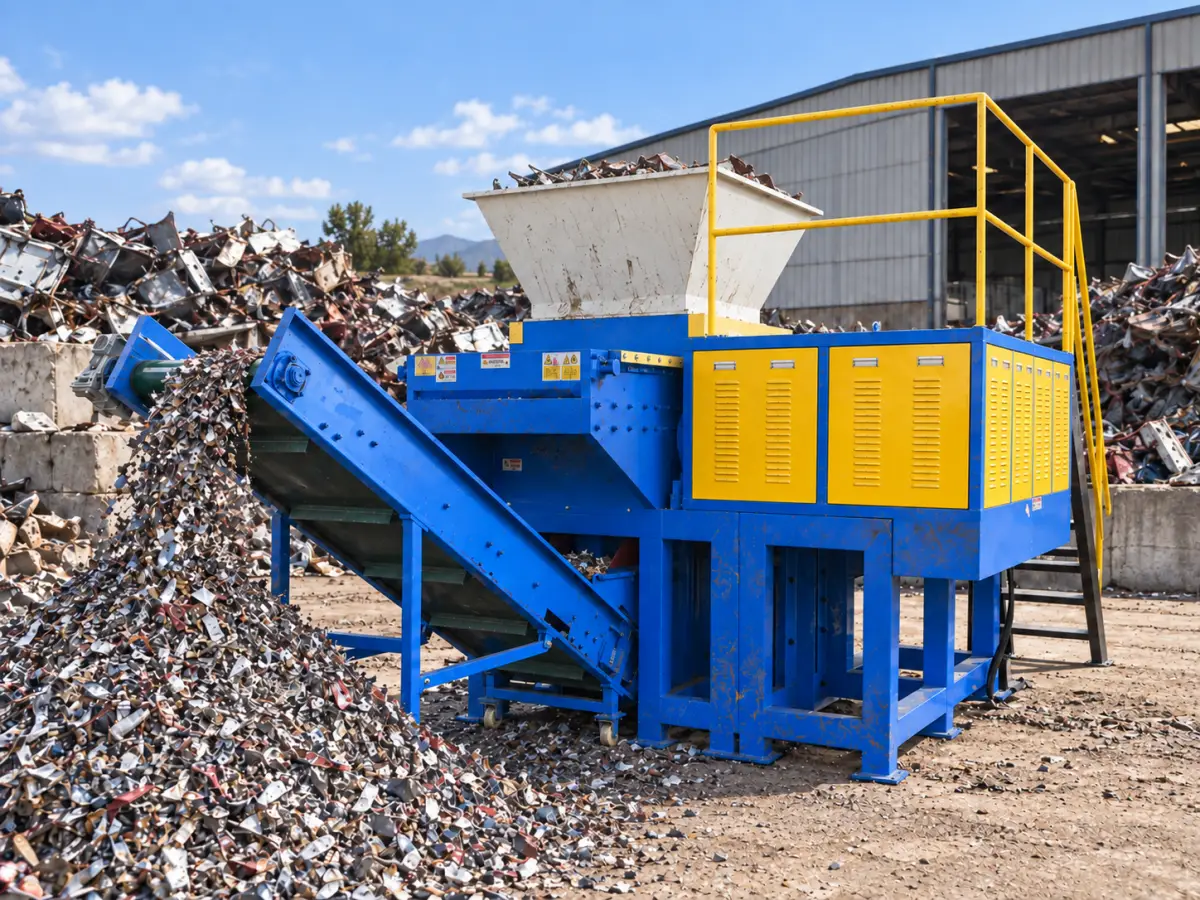
TITAN supplied two TDS-1200 Twin-Shaft Metal Shredders for continuous processing of light scrap and other bulky metal waste.

Mexico Light Scrap Twin-Shaft Shredding Project
Country / Region
Mexico
Customer Type
Large scrap metal recycling and processing company
Material
Light scrap and other bulky metal scrap
Typical Feed Materials
Light scrap, scrap car bodies, used beverage cans, pre-painted corrugated steel roofing sheets, scrap sheet metal
Equipment
2 × TDS-1200 Twin-Shaft Metal Shredders
Project Objective
Increase continuous processing capacity and reduce different forms of scrap into more uniformly sized shredded material
Monthly Processing Volume
Approx. 3,000 tonnes
Output Size
Approx. 50–120 mm
Key Result
Approx. 3,000 tonnes of scrap metal processed per month
Why Light and Bulky Scrap Needed More Consistent Continuous Size Reduction
Processing Challenge

Why Light and Bulky Scrap Needed More Consistent Continuous Size Reduction

The customer was not processing one standardized type of steel scrap. Feed materials included light scrap, scrap car bodies, used beverage cans, pre-painted corrugated steel roofing sheets, and scrap sheet metal.

Their thickness, original dimensions, and physical structures varied considerably, while the existing processing methods were becoming less able to keep up with the growing workload.

01

Feed Materials Varied Widely in Form

Light scrap, scrap car bodies, used beverage cans, pre-painted corrugated steel roofing sheets, and scrap sheet metal all entered the process in different sizes and structures. The project therefore required size-reduction equipment capable of handling multiple feed conditions.
02

Existing Processing Efficiency Was No Longer Sufficient

According to the project records, the customer’s previous shearing and baling methods could no longer keep pace with the required processing volume. A higher level of continuous throughput was needed.

03

Output Size Was Not Consistent Enough

The different feed materials produced inconsistent results under the previous processing methods, making it harder to maintain a stable downstream material flow.

The project therefore required more than volume reduction. It needed continuous, stable size reduction with a more consistent shredded output.

Processing Approach

Twin-Shaft Shredding for Continuous Size Reduction

For the mix of light scrap, scrap car bodies, used beverage cans, pre-painted corrugated steel roofing sheets, and scrap sheet metal, the project uses twin-shaft shredding as the main processing route.

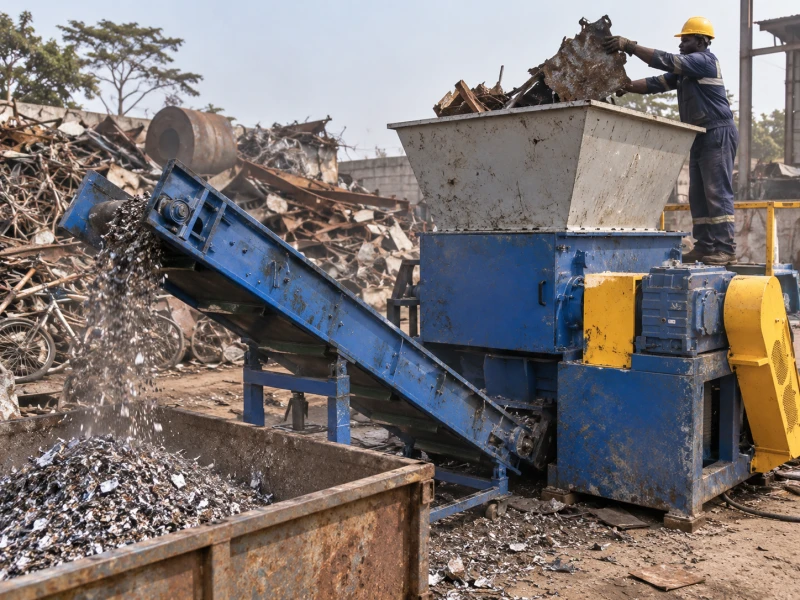
After entering the TDS-1200, the scrap is continuously subjected to tearing and shearing by the twin-shaft knife system, progressively reducing larger or loosely structured material into smaller pieces.

Unlike baling, which primarily reduces occupied volume, this project focuses on changing the physical size and output condition of the scrap. Compared with individual shearing operations, twin-shaft shredding provides a more continuous size-reduction process.

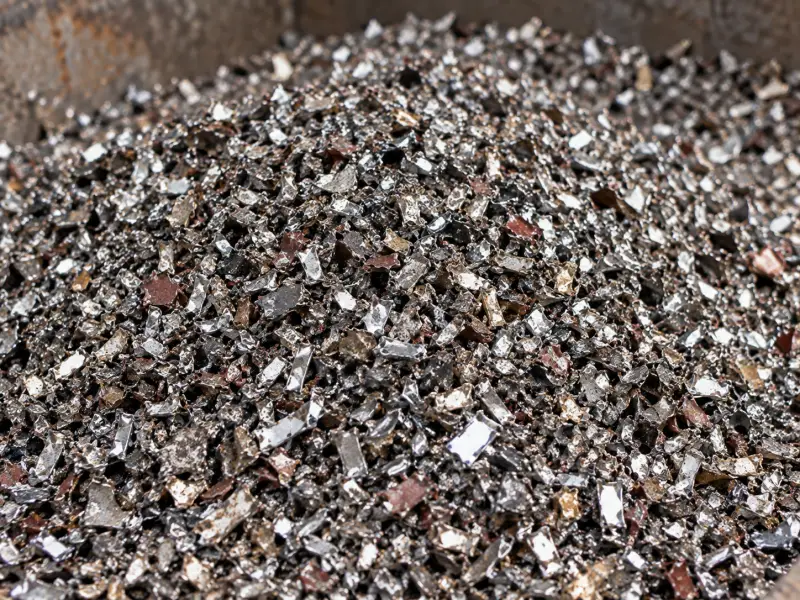
The recorded output size was approximately 50–120 mm.

01Light Scrap / Scrap Car Bodies / Used Beverage Cans / Pre-Painted Corrugated Steel Roofing Sheets / Scrap Sheet Metal
02Centralized Feeding
03TDS-1200 Twin-Shaft Shredding
04Continuous Tearing and Shearing
05Size Reduction
0650–120 mm Shredded Metal Scrap
07Downstream Collection, Transfer, and Recycling
Equipment & Project Configuration

Two TDS-1200 Twin-Shaft Metal Shredders

The customer installed two TDS-1200 Twin-Shaft Metal Shredders for continuous processing of different forms of scrap metal.

The twin-shaft knife system applies tearing and shearing forces inside the shredding chamber, progressively reducing light, loose, or bulky scrap into smaller pieces.

In this project, the two TDS-1200 units were primarily used to increase continuous processing capacity while maintaining an output size of approximately 50–120 mm.

Equipment Type
Twin-Shaft Metal Shredder
Model
TDS-1200
Quantity
2 units
Feed Materials
Light scrap, scrap car bodies, used beverage cans, pre-painted corrugated steel roofing sheets, scrap sheet metal
Main Processing Objectives
Continuous size reduction and more consistent output size
Output Size
Approx. 50–120 mm
Monthly Processing Volume
Approx. 3,000 tonnes
View Equipment
Two TDS-1200 Twin-Shaft Metal Shredders
Project Results

Approx. 3,000 t/month with an Output Size of 50–120 mm

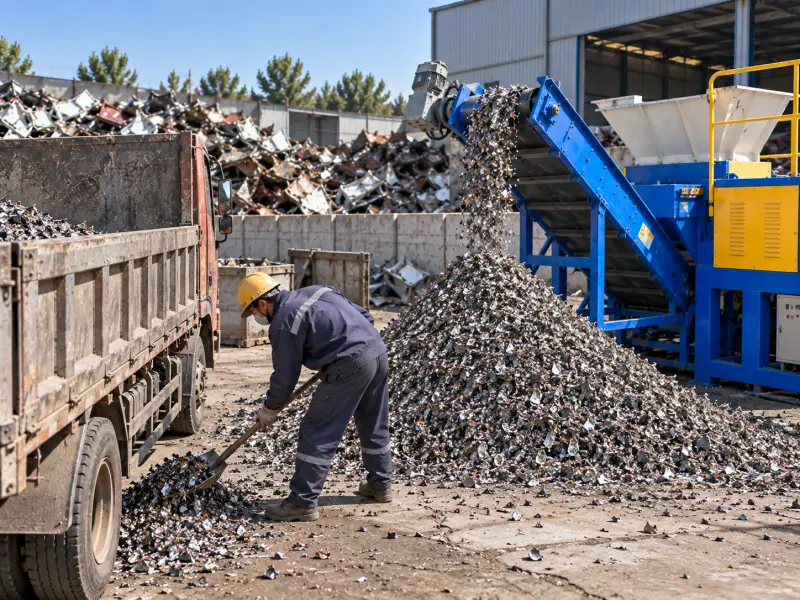
After commissioning, the two TDS-1200 Twin-Shaft Metal Shredders took over continuous size reduction of light scrap, scrap car bodies, used beverage cans, pre-painted corrugated steel roofing sheets, scrap sheet metal, and other feed materials at the customer’s facility.

According to project records, the complete project processes approximately 3,000 tonnes of scrap metal per month.

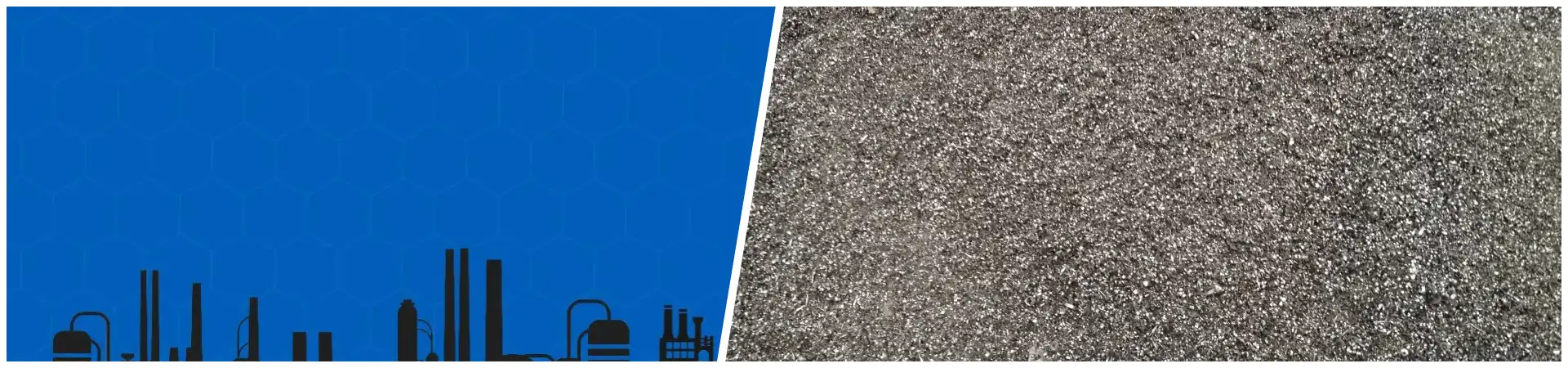
After twin-shaft shredding, the output size is approximately 50–120 mm. Scrap that originally varied widely in size and physical form is converted into more consistent shredded material.

Under the project’s recorded operating conditions, energy consumption was about 10% lower than that of the customer’s conventional hydraulic shearing equipment.

≈3,000 t/month

Monthly Processing Volume

With both TDS-1200 units in operation, the project processes approximately 3,000 tonnes of scrap metal per month.

50–120 mm

Output Size

Different forms of metal scrap are shredded to approximately 50–120 mm.

≈10% Lower

Recorded Energy Consumption Comparison

Under the recorded operating conditions, energy consumption was about 10% lower than that of the customer’s conventional hydraulic shearing equipment.

More Consistent Shredded Material

Processed Output

Light scrap and other feed materials with different original forms are converted into more consistently sized shredded metal scrap.

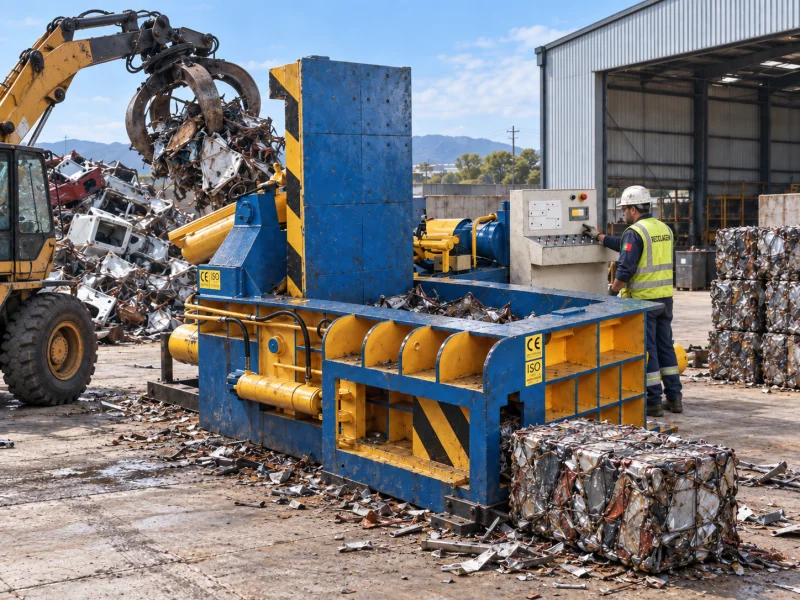
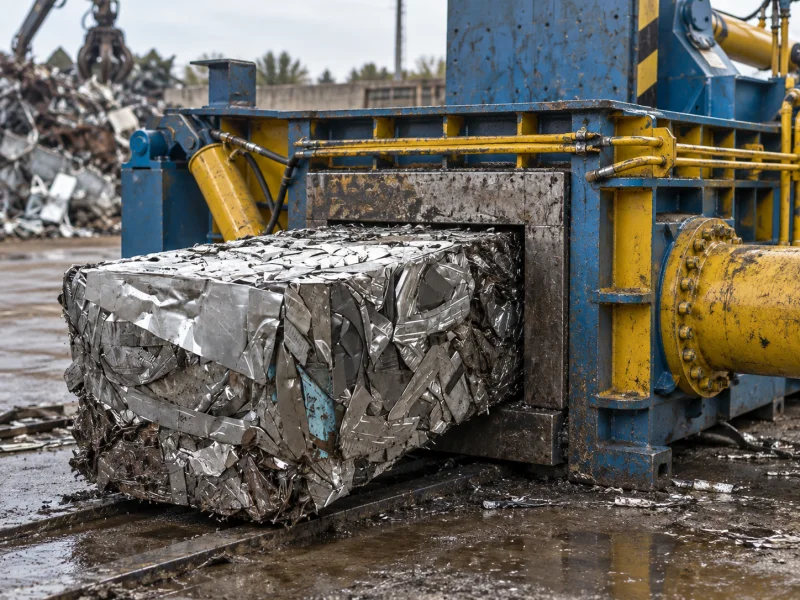
On-Site Evidence

Customer Site and Processing Results

Related Projects

More Scrap Metal Processing Projects

Related Equipment & Solution

Explore the Equipment and Processing Routes Behind This Project