
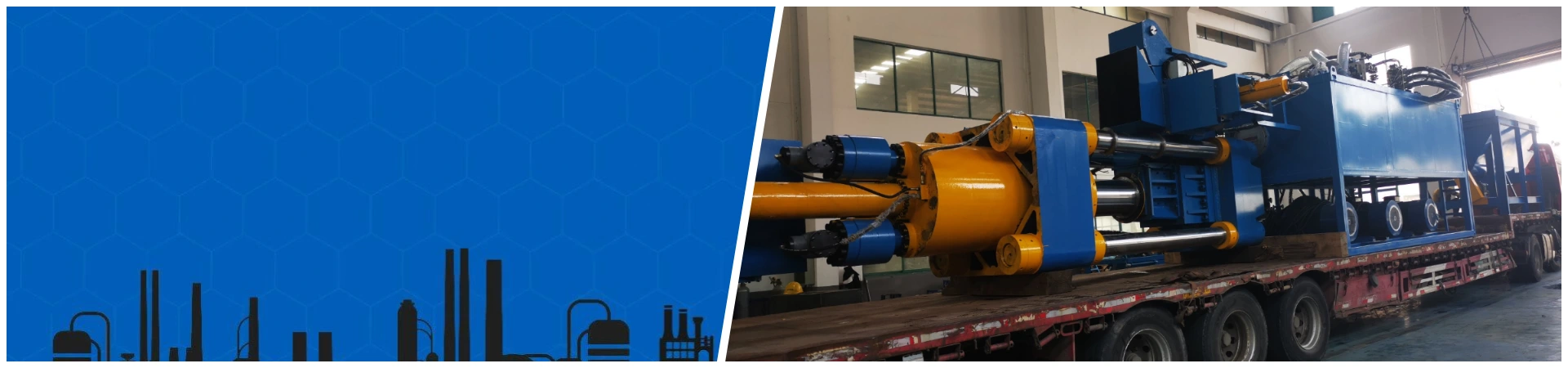
Loose Chips Were Difficult to Handle Centrally
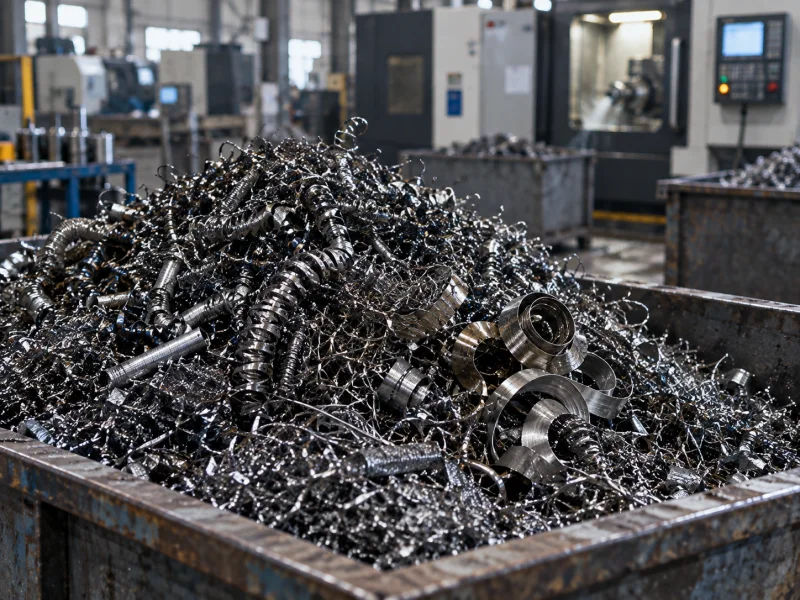
Cast iron chips are continuously generated in a loose state, occupying collection space and increasing the pressure on workshop storage and transfer.
The customer is a metalworking company whose machining workshop continuously produces grey cast iron chips and ductile iron chips. These chips retain oil from the machining process. When collected in a loose state, they can contaminate the work area and are also less suitable for downstream recycling.
The customer wanted to compress the oily cast iron chips into more compact metal briquettes while separating and collecting oil during briquetting. Another key objective was to reduce the residual oil content in the briquettes so that the processed material could meet the steel mill’s furnace-charging requirements.
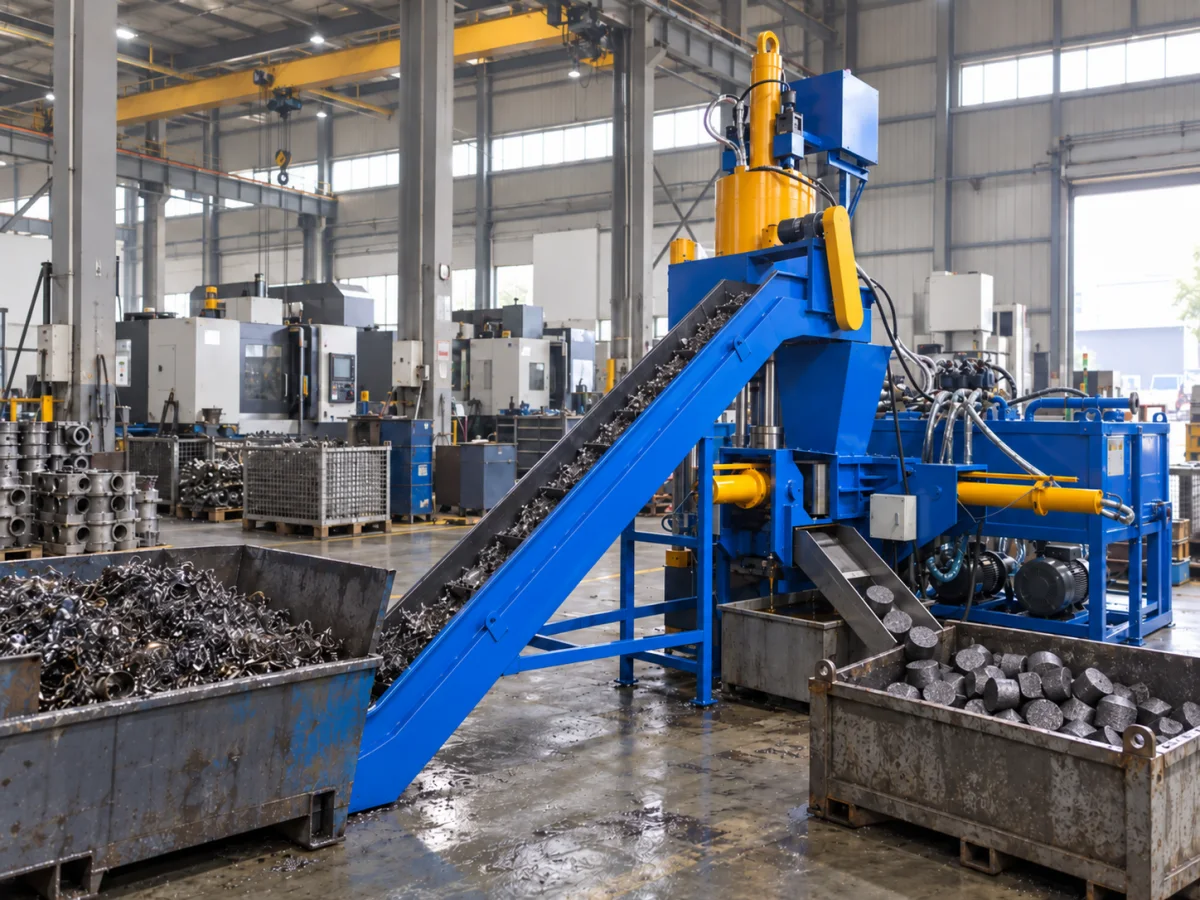
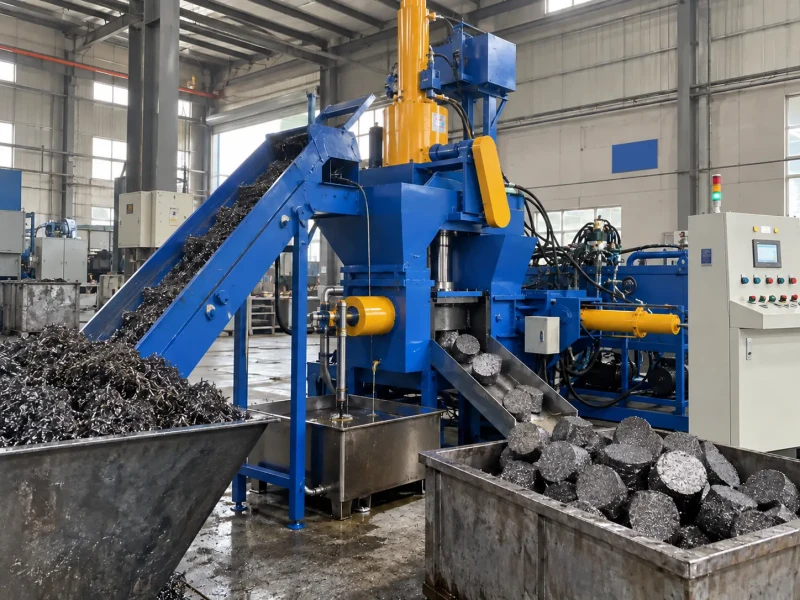
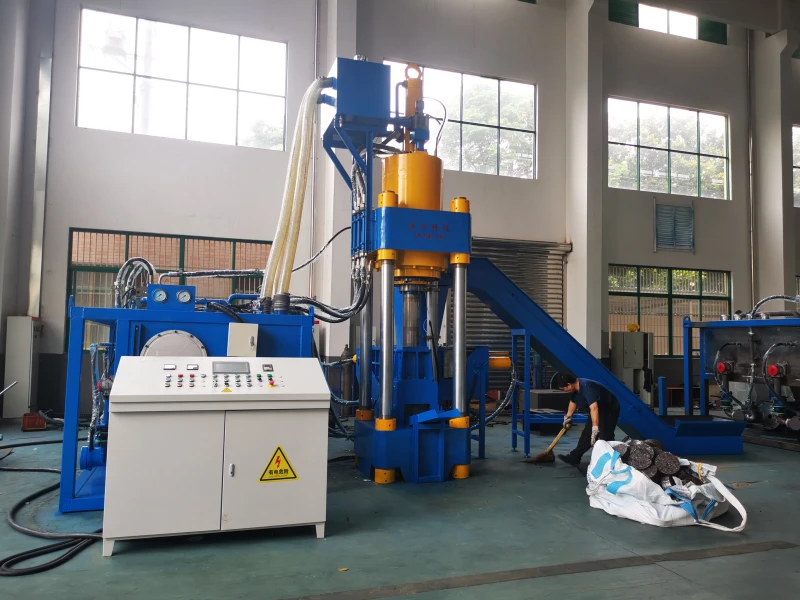
Given the relatively high hardness of the cast iron chips and their oily condition, the project uses a Y83L-630 Metal Briquetting Machine together with a fluid recovery tank.
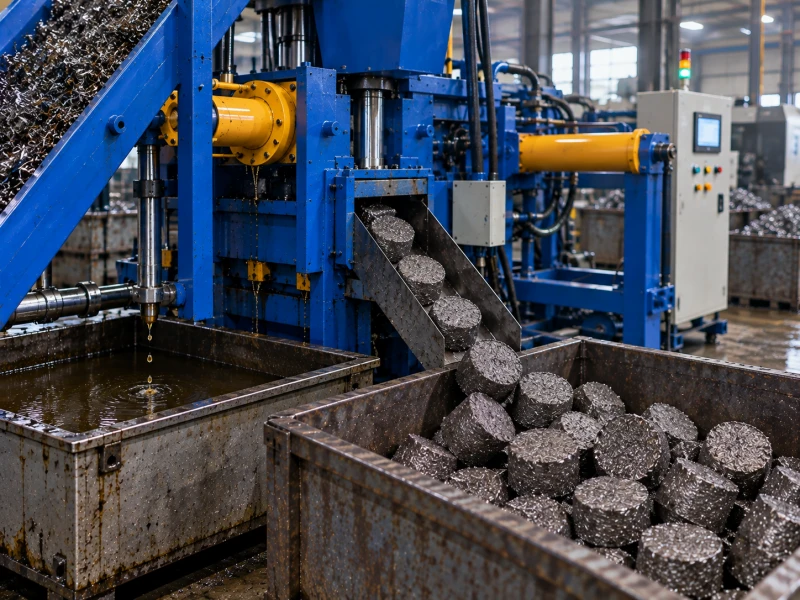
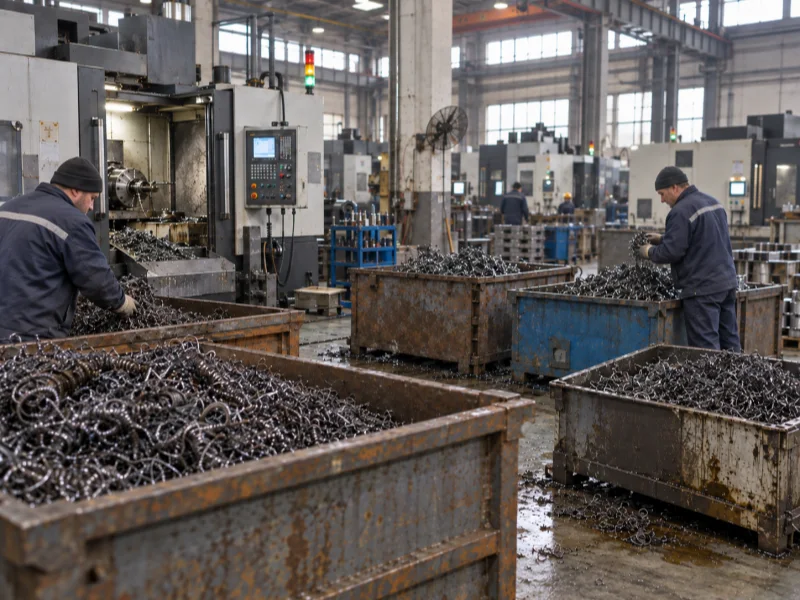
The customer’s machining workshop continuously produces grey iron chips and ductile iron chips. Unlike typical loose metal scrap, these chips are fine, relatively hard, and contain oil.
Cast iron chips are continuously generated in a loose state, occupying collection space and increasing the pressure on workshop storage and transfer.
Oil retained in the chips could enter the surrounding work area during collection, storage, and handling, making housekeeping and material management more difficult.
When oily, loose cast iron chips were sent directly to the steel mill without treatment, they did not meet the steel mill’s furnace-charging requirements.
The project needed not only to compact loose chips into briquettes, but also to provide sufficient pressing capacity for both grey iron chips and ductile iron chips.
The project therefore needed to solve two issues at the same time: compaction of loose chips and control of residual oil.
For the material condition in this project, the objective was not to shred the metal chips further. Instead, the fine, oily cast iron chips were compacted under high pressure into denser metal briquettes.
During briquetting, high pressure compresses the chips, reduces their volume, and gradually forms briquettes. At the same time, part of the oil is squeezed out of the material and collected through the fluid-recovery arrangement.
This processing route improves the physical form of the chips while reducing residual oil, providing material in a more suitable condition for furnace charging and downstream melting at the steel mill.
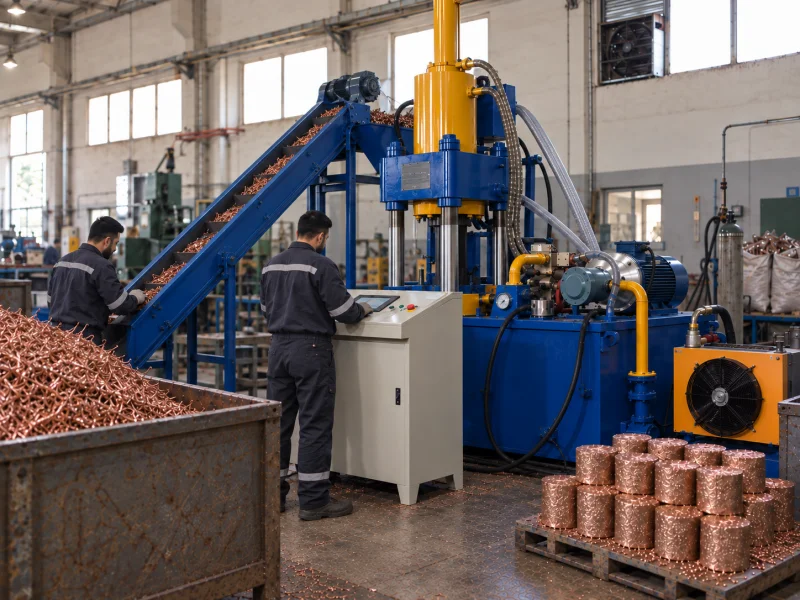
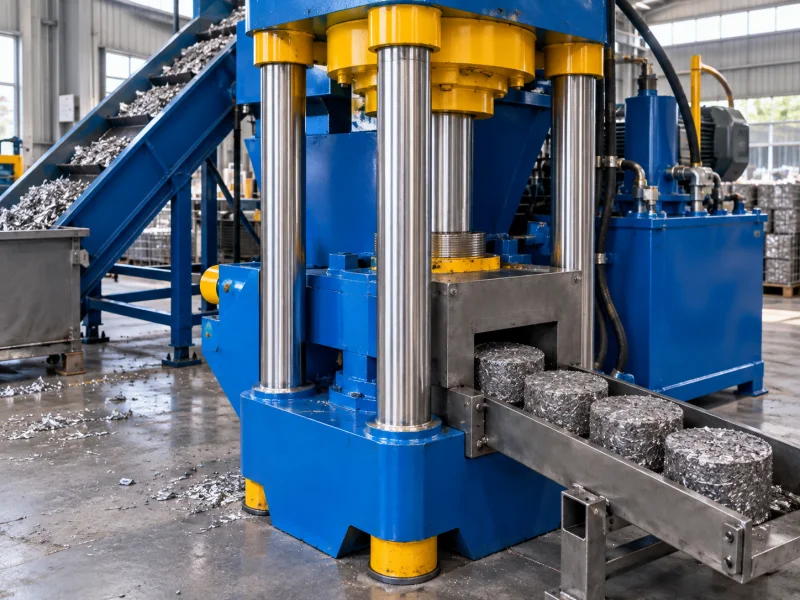
The project uses a Y83L-630 Metal Briquetting Machine together with a fluid recovery tank.
Because both grey iron chips and ductile iron chips are relatively hard, the project uses sufficient pressing capacity to ensure that the loose cast iron chips can be formed reliably into metal briquettes under high pressure.
During briquetting, the machine compresses the chips while directing the separated oil into the recovery tank for collection.
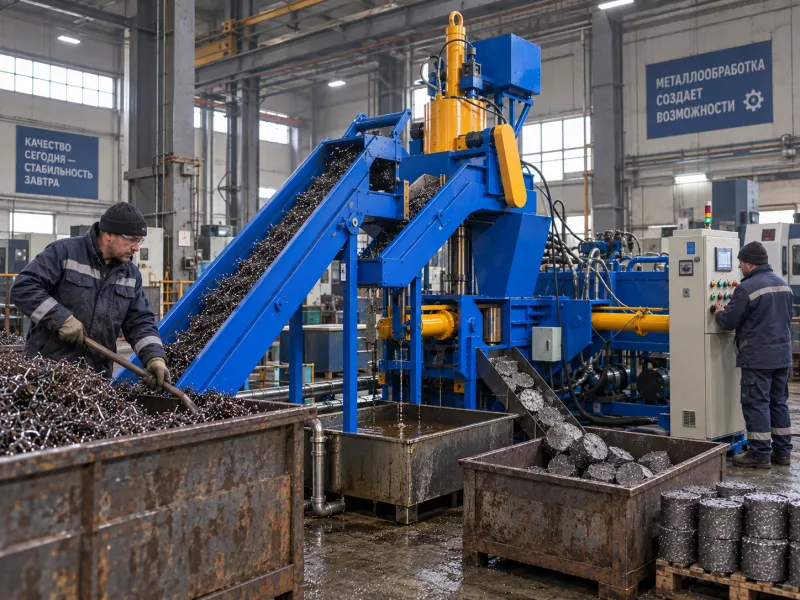
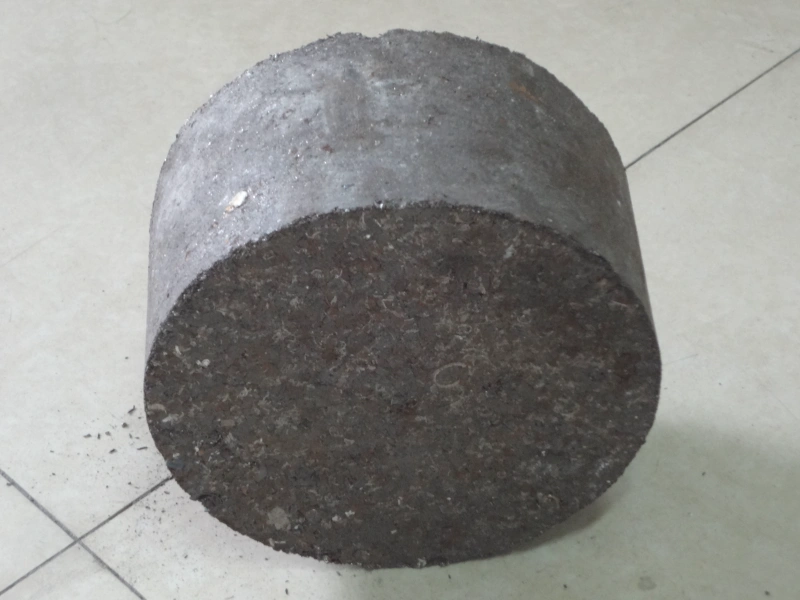
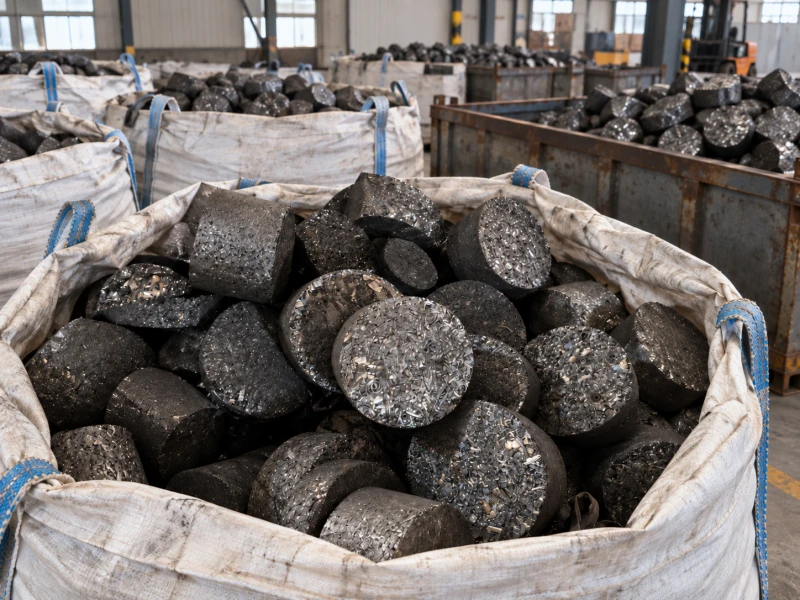
After the project went into operation, the oily cast iron chips were compacted under high pressure into denser metal briquettes.
According to actual operating records, the residual oil content in the briquettes was reduced to below 2% after briquetting.
The processed briquettes passed the furnace-charging inspection at the steel mill and met the requirements for the melting stage of this project.
At the same time, oil separated during briquetting was collected in the recovery tank, and the originally loose, oily cast iron chips were converted into a more compact briquette form better suited to handling and downstream processing.
Residual oil content in the processed metal briquettes was below 2%.
The processed briquettes passed the furnace-charging inspection at the steel mill.
Loose cast iron chips are compacted under high pressure into denser metal briquettes.
Oil separated during briquetting is directed into the recovery tank for collection.
Compacts loose metal chips into dense briquettes for easier handling, storage, transport, fluid recovery, and recycling.
View Equipment →Evaluate metal type, chip form, liquid content, contamination, and safety before selecting direct briquetting or the necessary pretreatment route.
View Solution →