
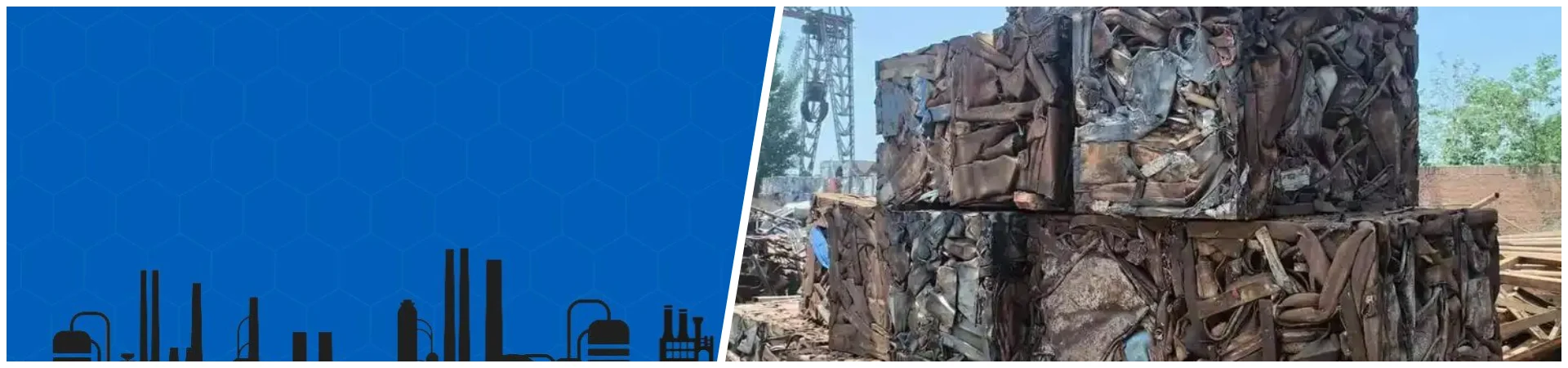
Available Yard Space Was Becoming Insufficient
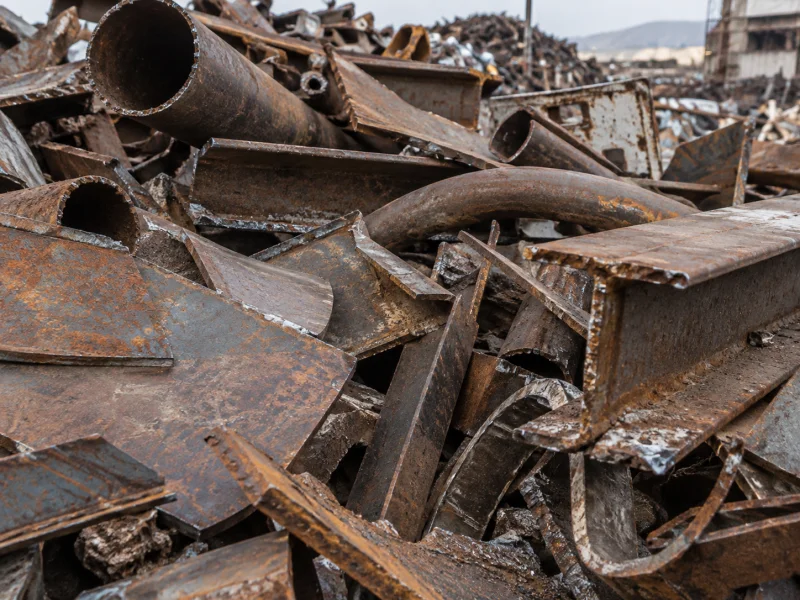
Bulky scrap plates, pipes, and tubes occupied a large area when stored loose. As inventory continued to grow, the existing yard could no longer accommodate additional material efficiently.
The customer operates a scrap yard that continuously collects bulky scrap steel plates, pipes, and tubes.
As the volume of incoming scrap increased, loose material occupied more and more yard space. The existing site was gradually becoming insufficient for the growing inventory, while expanding the yard or purchasing additional land would require substantially higher fixed investment.
The main objective of the project was therefore to improve storage efficiency within the existing site while reducing transport frequency and logistics costs.
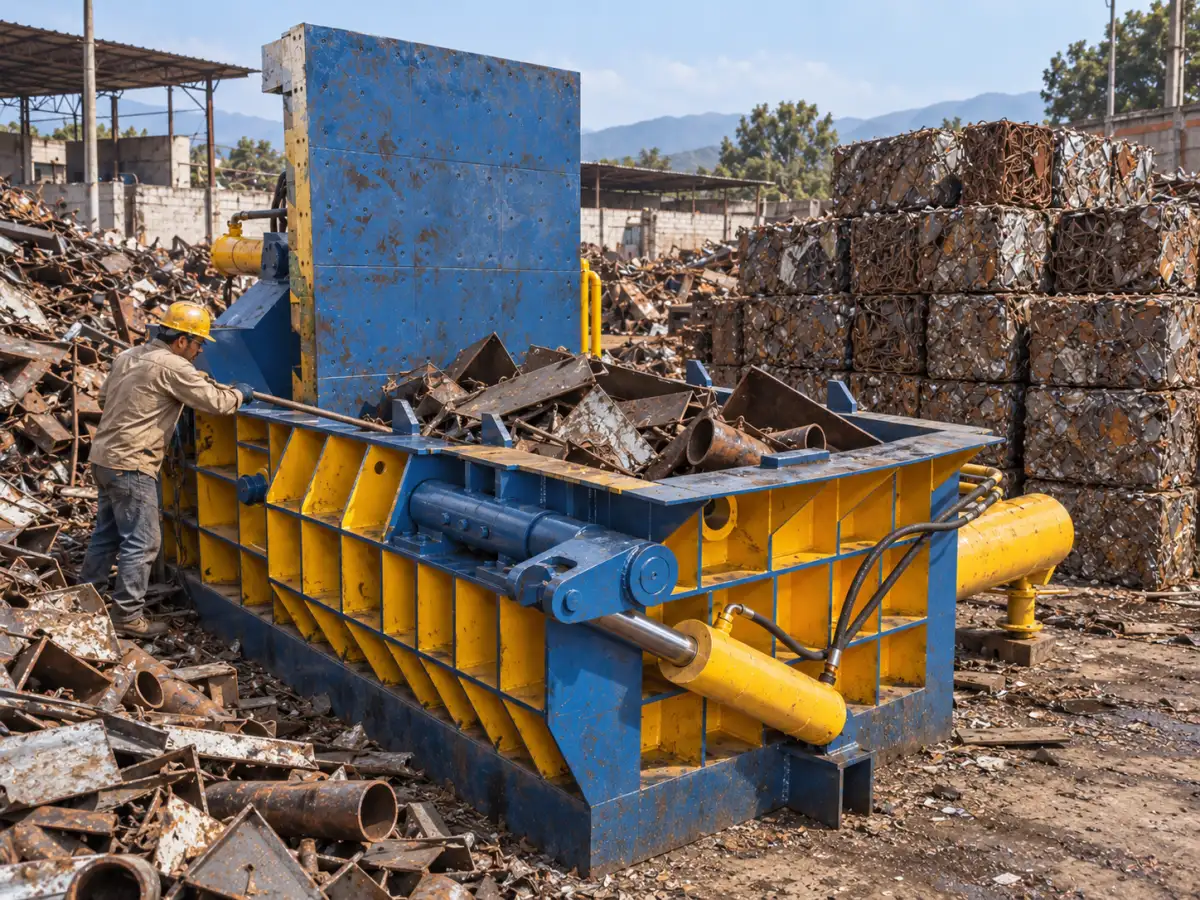
The customer installed a Y81-1250 Hydraulic Metal Baler to compress the loose scrap steel plates and scrap pipes and tubes into fixed-shape metal bales, which could then be moved to a designated area for more organized storage.
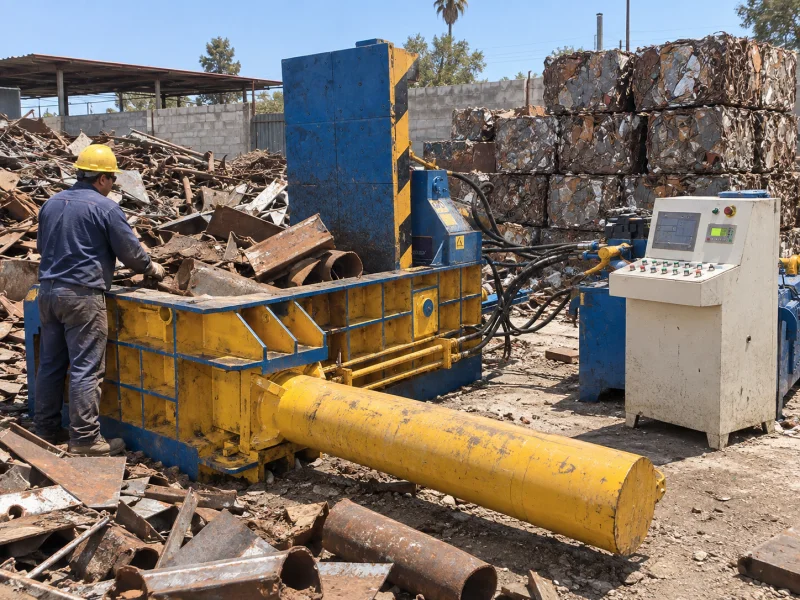
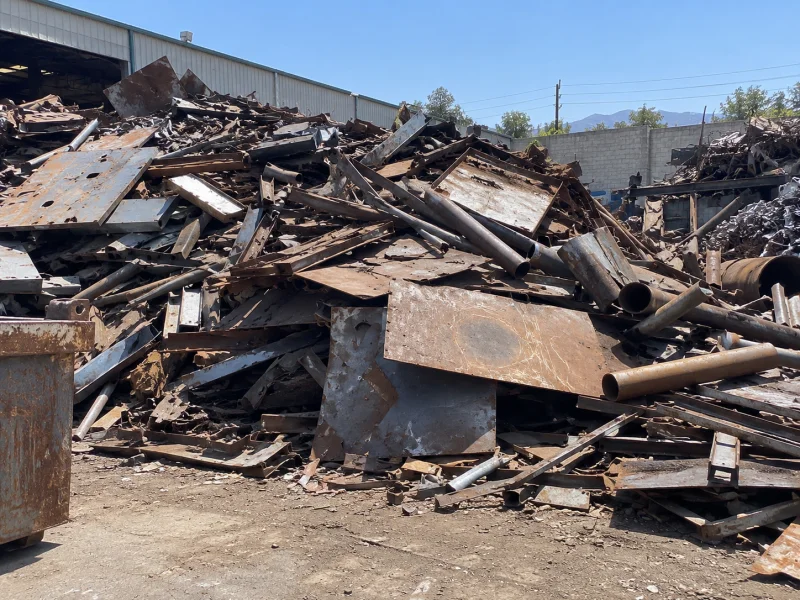
The customer continuously collects scrap steel plates, pipes, and tubes. Although these materials retain recycling value, they occupy substantial space when stored loose and uncompressed.
As more scrap entered the yard, storage capacity and logistics gradually became the main operational constraints.
Bulky scrap plates, pipes, and tubes occupied a large area when stored loose. As inventory continued to grow, the existing yard could no longer accommodate additional material efficiently.
Simply adding or purchasing more yard space would increase the customer’s fixed costs. The first priority was therefore to improve utilization of the existing site.
Uncompressed scrap made inefficient use of available vehicle space. The customer previously needed to arrange approximately three shipments per week, resulting in relatively high logistics costs.
The main challenge was therefore to store more scrap within the existing yard while reducing the logistics burden caused by transporting loose material.
The main challenge in this project was not reducing the scrap into smaller pieces.
Instead, the bulky scrap steel plates, pipes, and tubes occupied excessive space when stored loose.
Hydraulic baling was therefore selected as the primary volume-reduction route.
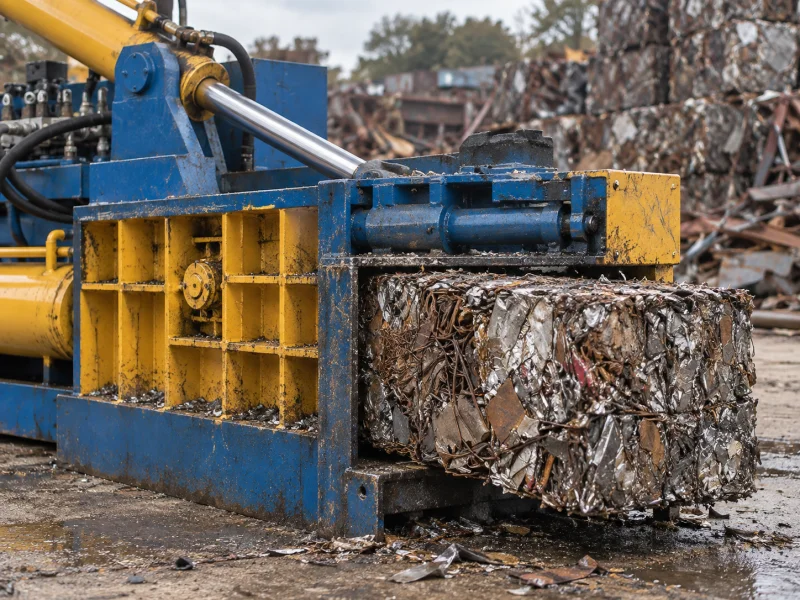
After entering the Y81-1250, the loose scrap is compressed hydraulically into compact bales with a fixed shape. Once formed, the bales can be moved together to a designated storage area, allowing the existing yard to hold more material while also improving loading conditions for outbound transport.
The customer installed a Y81-1250 Hydraulic Metal Baler to process the bulky scrap steel plates, pipes, and tubes continuously collected at the site.
Hydraulic compression forms the loose, irregular scrap into fixed-shape metal bales. After baling, the material is easier to handle, stack, and load for transport.
In this project, the primary role of the Y81-1250 is to improve utilization of the existing yard and reduce transport frequency by changing the physical form of the scrap.
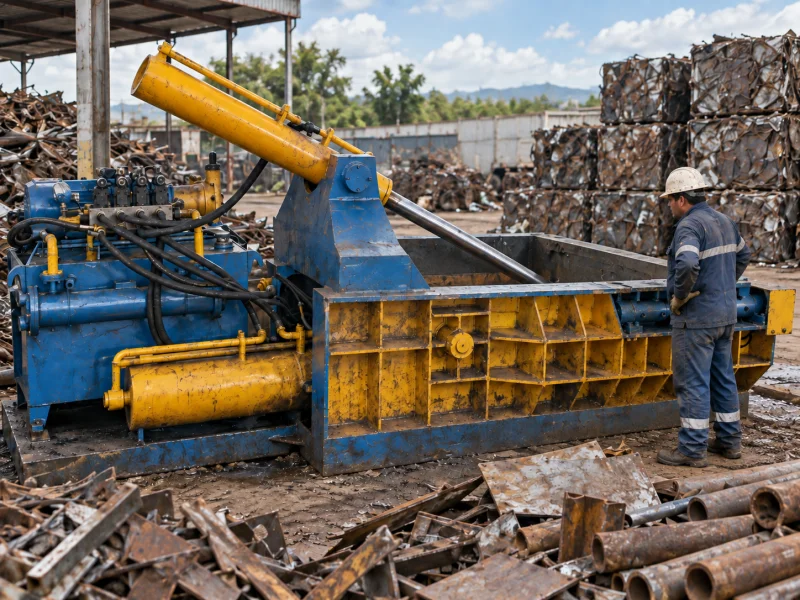
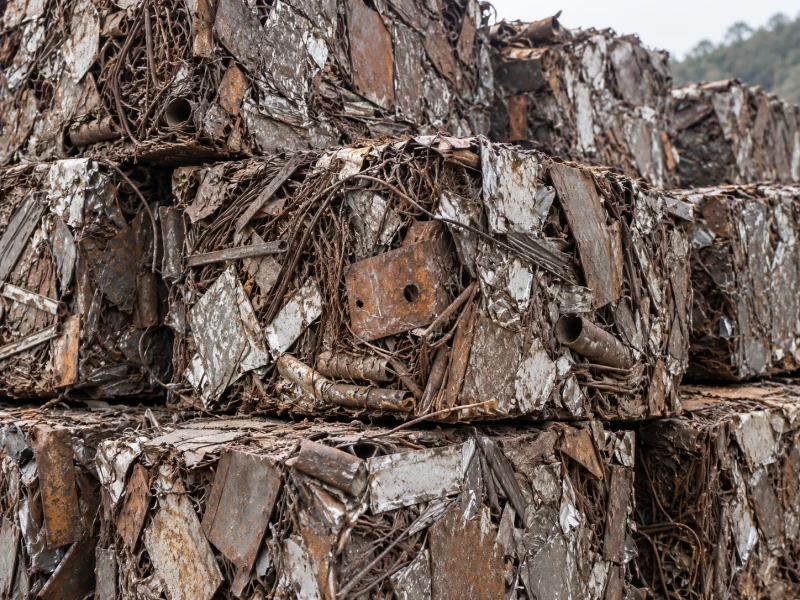
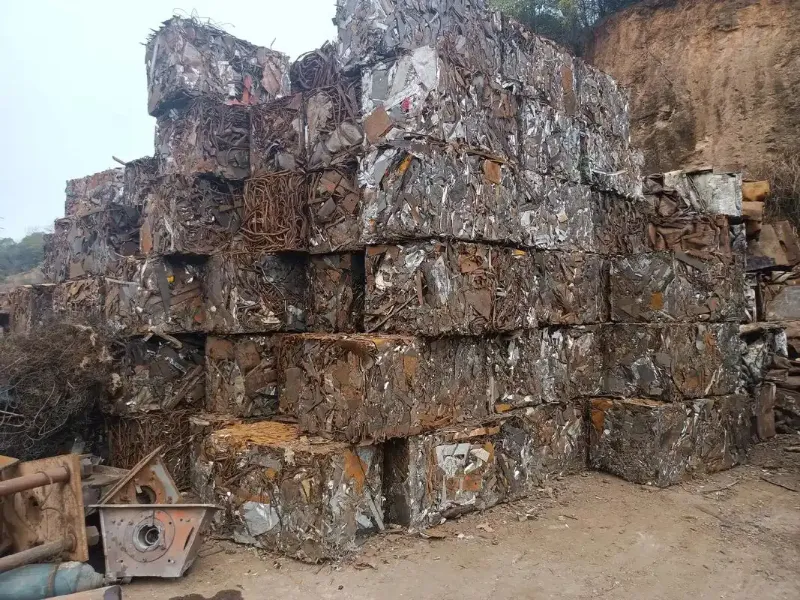
After the system went into operation, the bulky scrap steel plates, pipes, and tubes were no longer stored loose for extended periods. Instead, the Y81-1250 compressed them into fixed-shape metal bales.
According to project operating records, the yard area occupied by the scrap was reduced by approximately 65%, significantly improving utilization of the customer’s existing site.
As the material became more compact, transport frequency decreased from approximately three trips per week to one, reducing annual logistics costs by approximately USD 22,000.
Project records also show that the compressed bales were more readily accepted by downstream recyclers, while the selling price increased by approximately 10%–15% compared with the original loose scrap.
After baling, the yard area occupied by the scrap was reduced by approximately 65%.
Transport frequency decreased from approximately three trips per week to one.
According to project records, annual logistics costs were reduced by approximately USD 22,000.
Project records show that the selling price of the compressed scrap bales increased by approximately 10%–15% compared with the original loose scrap.
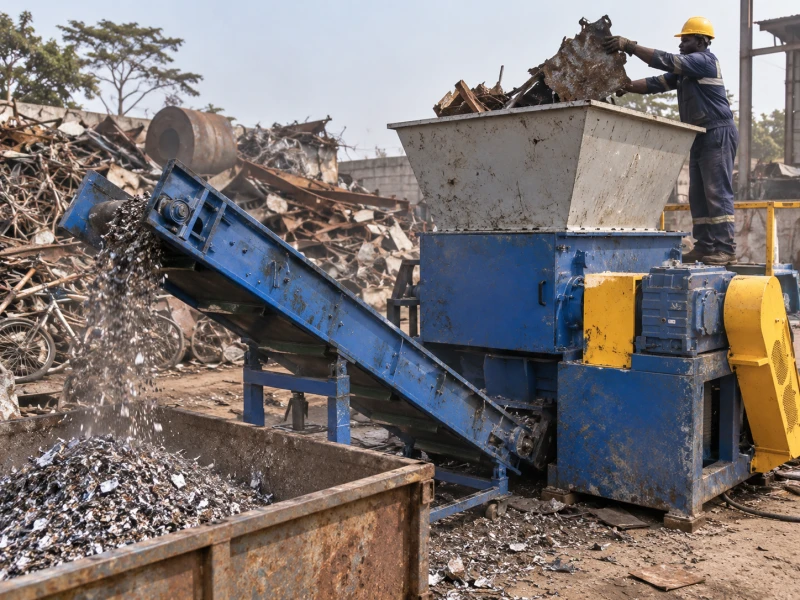
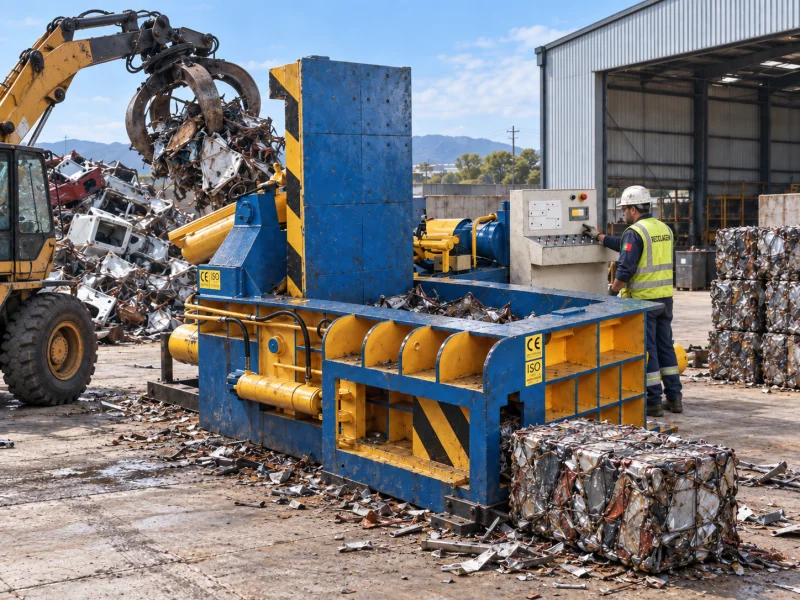
Compacts loose steel, iron, aluminium, copper and light-gauge scrap into dense bales for easier storage, transport and downstream recycling.
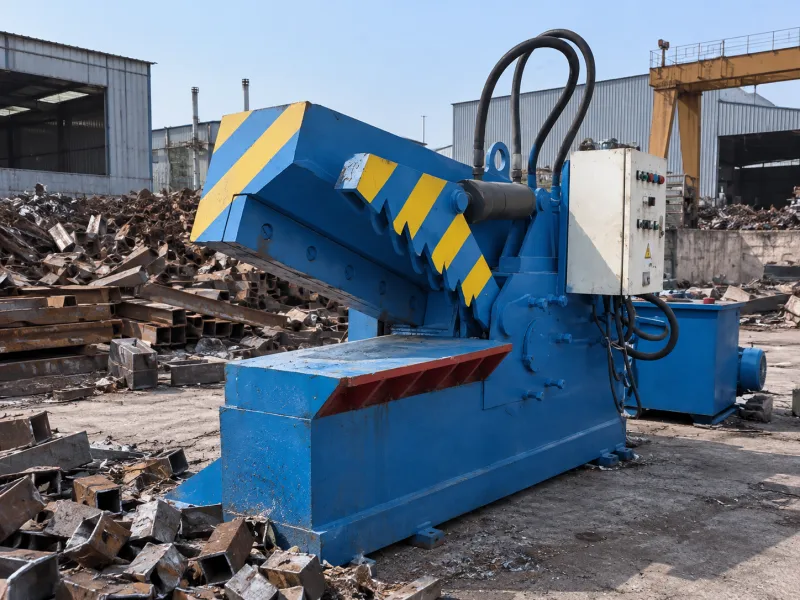
View Equipment →Evaluate length, cross-section, overall form, and downstream target size to determine whether heavy scrap needs direct shearing, pretreatment, or no further size reduction.
View Solution →