
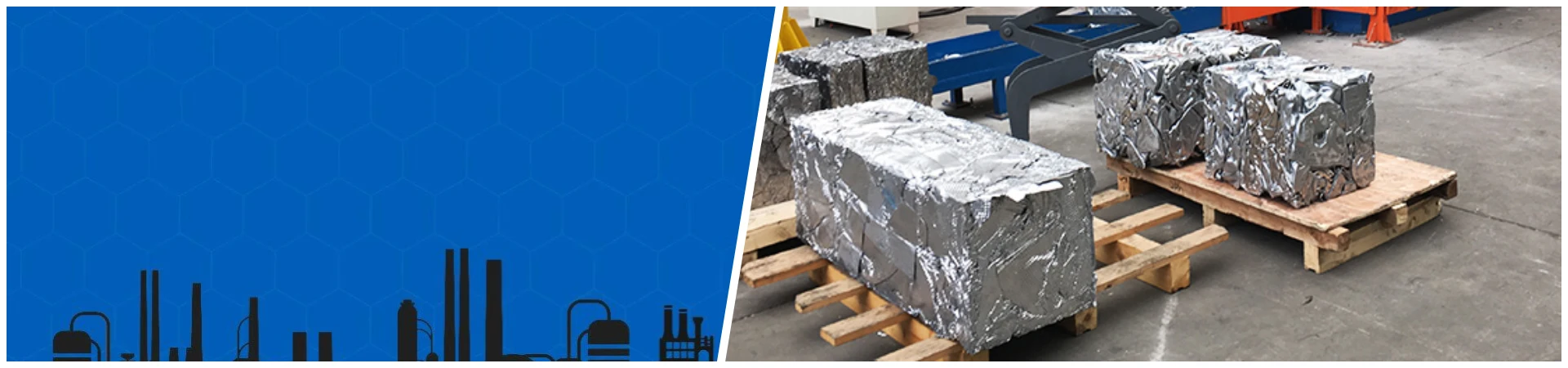
Multiple Scrap Types Made Yard Organization Difficult
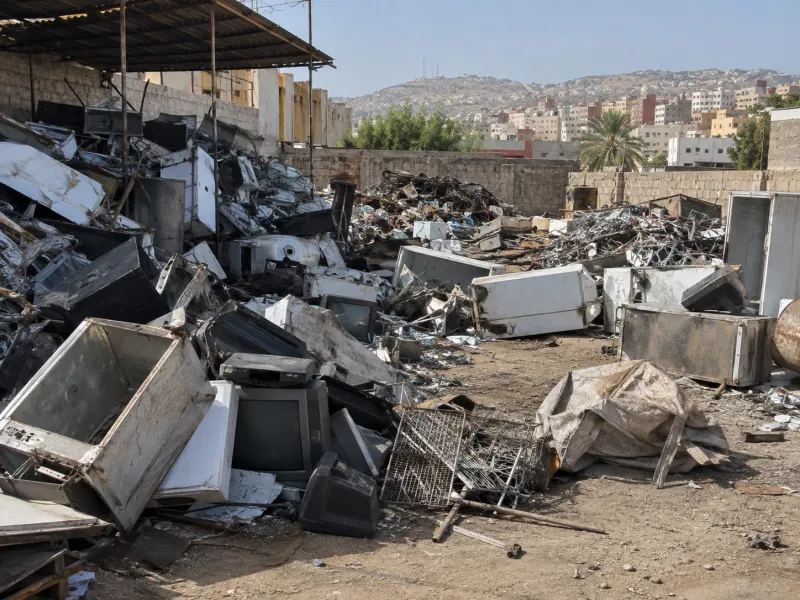
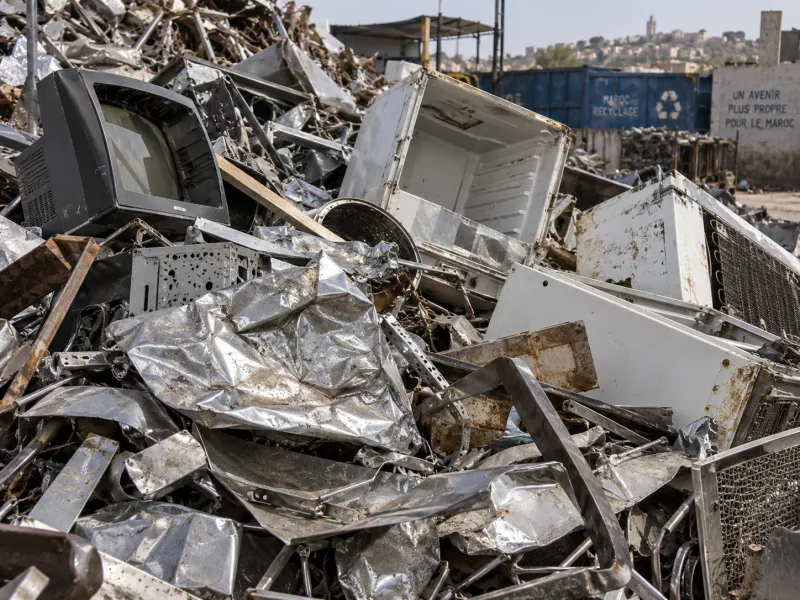
Aluminium sheet scrap, steel scrap, and domestic appliance casings entered the scrap yard together in irregular forms. This made manual organization and centralized storage more difficult.
The customer operates a scrap yard that regularly receives mixed metal scrap from different sources, including aluminium sheet scrap, steel scrap, TV casings, and refrigerator casings.
These materials arrive in irregular forms and occupy substantial space when stored loose. As incoming scrap volumes increased, loose material gradually filled the available yard area. Manual organization and handling were also inefficient, while loose loading made poor use of the available transport space.
The main objective of the project was to improve storage and transport conditions through volume reduction without changing the scrap’s primary material characteristics for recycling.
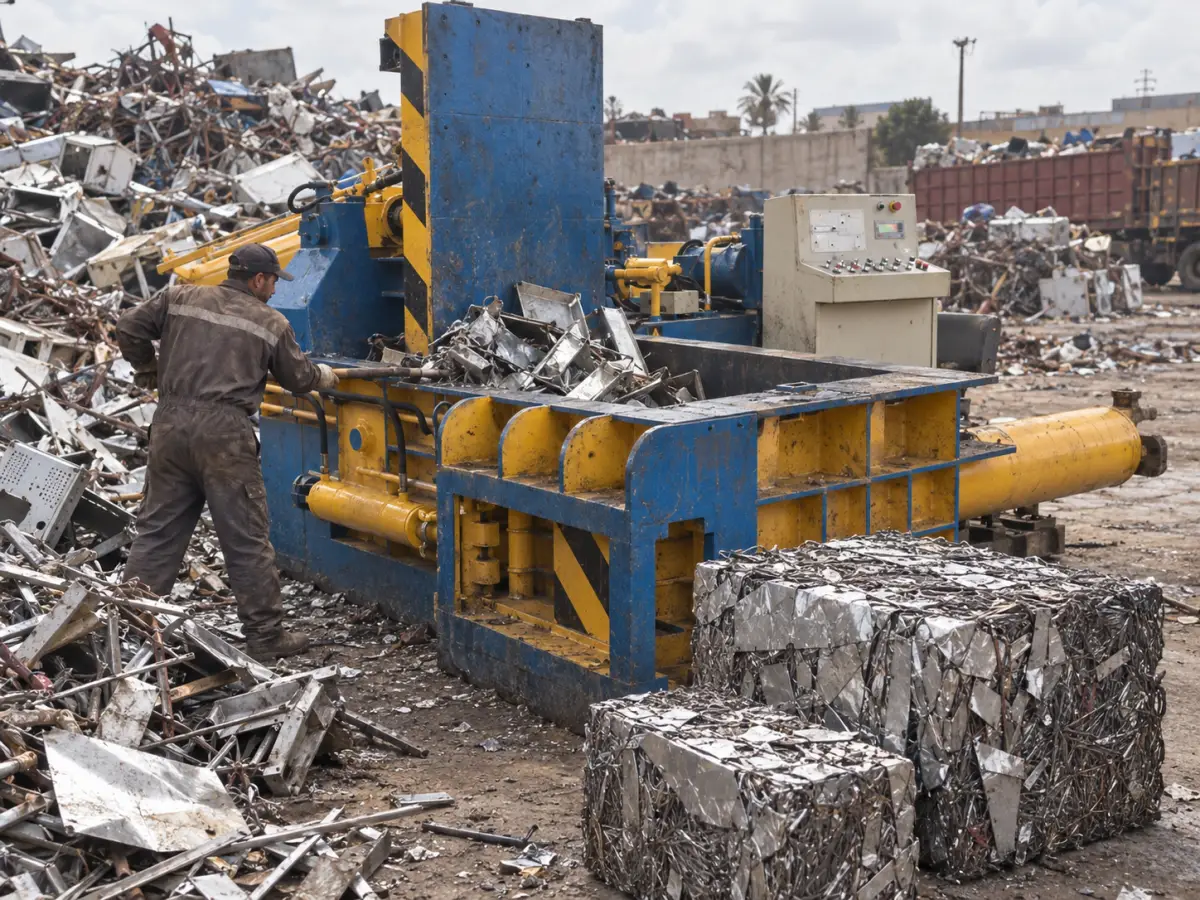
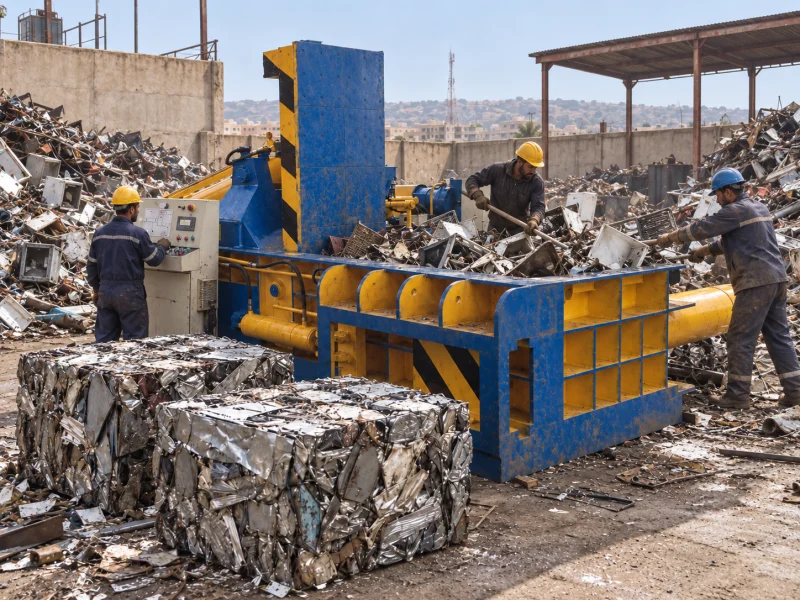
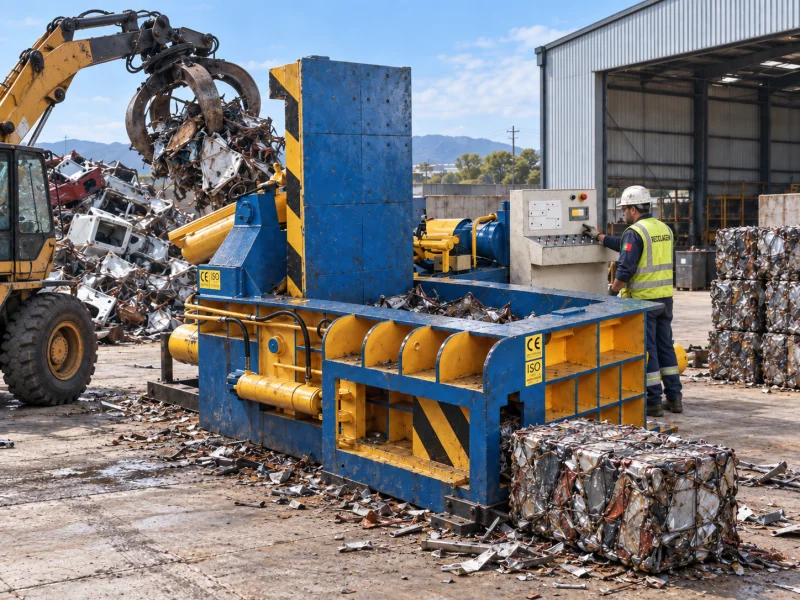
The customer therefore installed a Y81-1600 Scrap Metal Baler. The machine uses hydraulic compression to compress the loose mixed metal scrap into more compact metal bales.
The customer continuously receives different types of metal scrap from multiple sources.
Although the materials vary in size, form, and composition, they share one common characteristic: when left untreated, they occupy substantial volume and accumulate loosely.
Aluminium sheet scrap, steel scrap, and domestic appliance casings entered the scrap yard together in irregular forms. This made manual organization and centralized storage more difficult.
As scrap continued to enter the site, uncompressed material quickly filled the available storage area.
Organizing and moving large volumes of loose scrap manually required continuous labor input without fundamentally solving the volume problem.
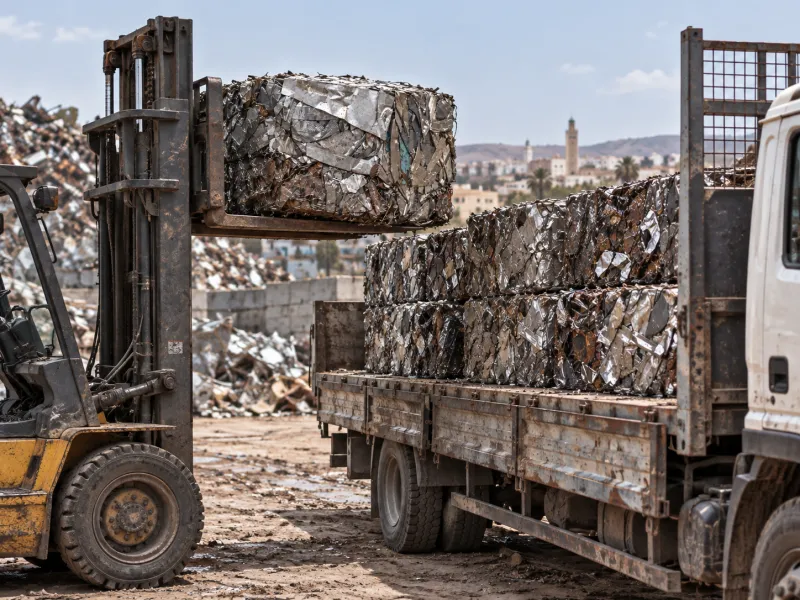
Loose scrap occupied substantial vehicle space after loading, while the actual quantity of metal carried per trip remained limited. This increased transport frequency and logistics costs.
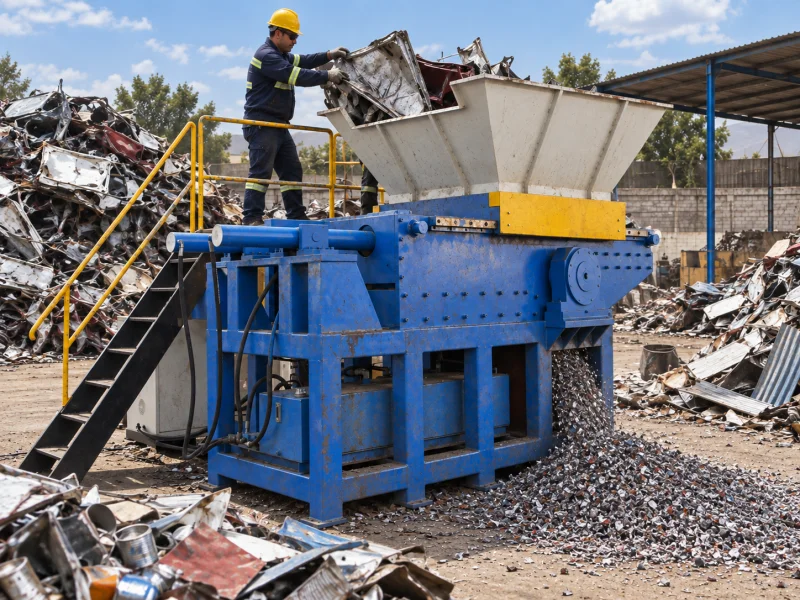
The first priority in this project was to reduce the volume of the mixed scrap, rather than shredding all of the material into smaller sizes.
For the aluminium sheet scrap, steel scrap, and domestic appliance casings handled at the customer’s site, hydraulic baling was selected as the primary volume-reduction route.
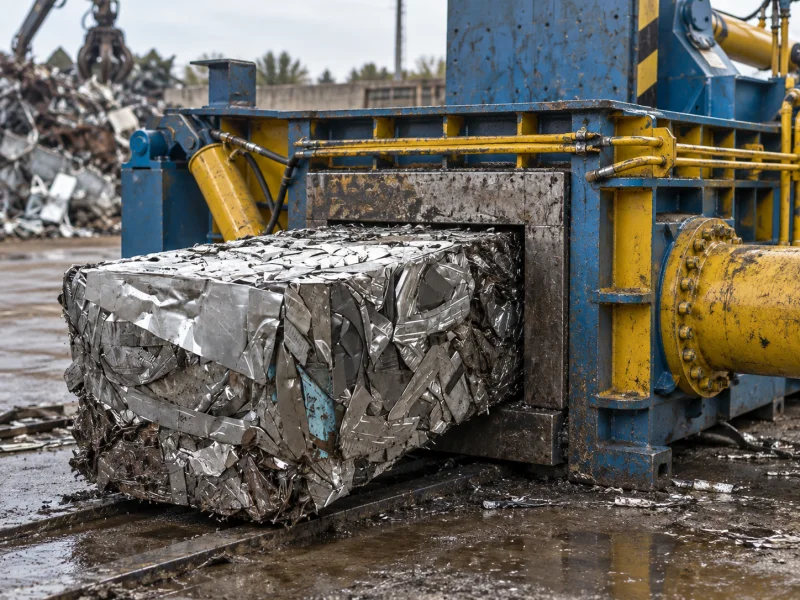
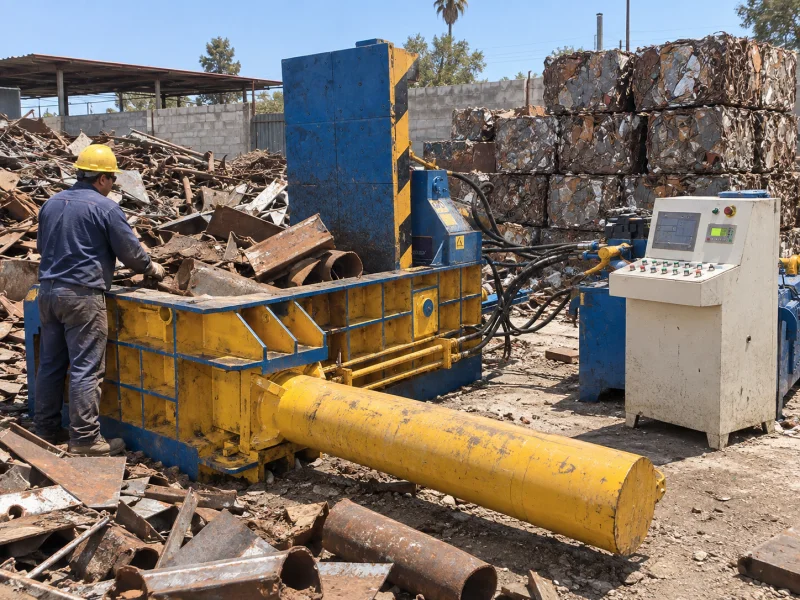
After entering the Y81-1600, the loose scrap is hydraulically compressed under high pressure into more compact metal bales.
Project records show a volume reduction ratio of approximately 5:1. After compression, the scrap that originally occupied substantial space can be stored and loaded for transport in a much more compact form.
The customer installed a Y81-1600 hydraulic metal baler to process mixed metal scrap including aluminium sheet scrap, steel scrap, TV casings, and refrigerator casings.
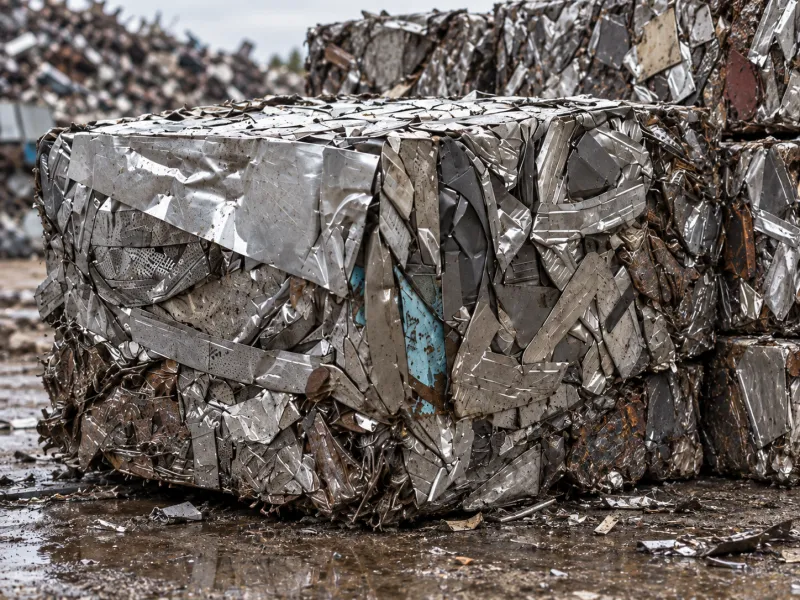
Hydraulic compression transforms the loose, irregular material into more compact metal bales.
In this project, the primary role of the Y81-1600 is to reduce the accumulated volume of mixed metal scrap, improve utilization of the existing yard, and improve conditions for subsequent truck loading and transport.
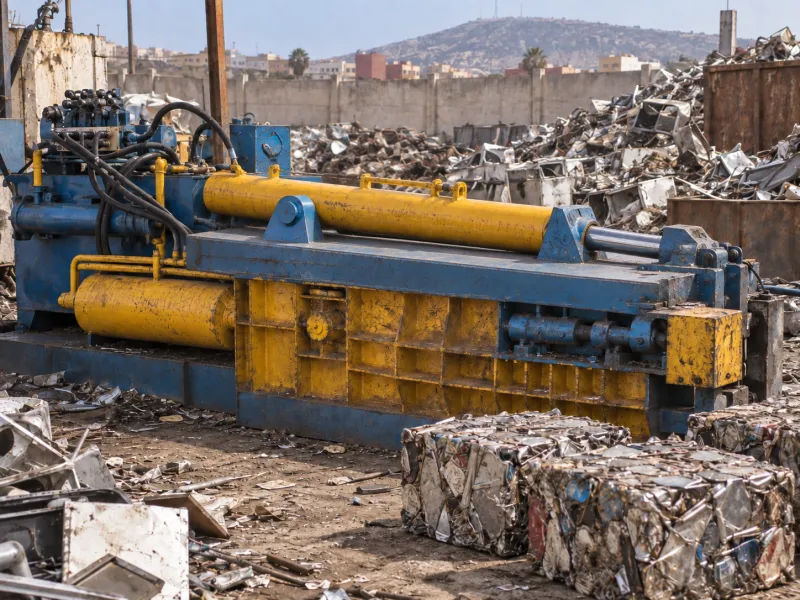
After the system went into operation, the customer began centralized baling of aluminium sheet scrap, steel scrap, and domestic appliance casings that had previously been stored loose across the site.
According to project operating records, the volume reduction ratio was approximately 5:1.
As the loose material was converted into more compact metal bales, scrap accumulation at the site decreased by approximately 60%, significantly relieving the pressure on the available storage area.
At the same time, transport frequency decreased by approximately 40%, reducing the need for frequent shipments of loose scrap.
After hydraulic baling, the recorded volume reduction ratio for the loose mixed metal scrap was approximately 5:1.
After the equipment went into operation, on-site scrap accumulation decreased by approximately 60%.
Project records show that transport frequency decreased by approximately 40%.
Different types of loose metal scrap are compressed into metal bales that are more suitable for centralized storage and truck transport.
Compacts loose steel, iron, aluminium, copper and light-gauge scrap into dense bales for easier storage, transport and downstream recycling.
View Equipment →Determine whether the main issue is excessive bulk volume or unsuitable piece size, then choose baling, shredding, or the required sorting route.
View Solution →