
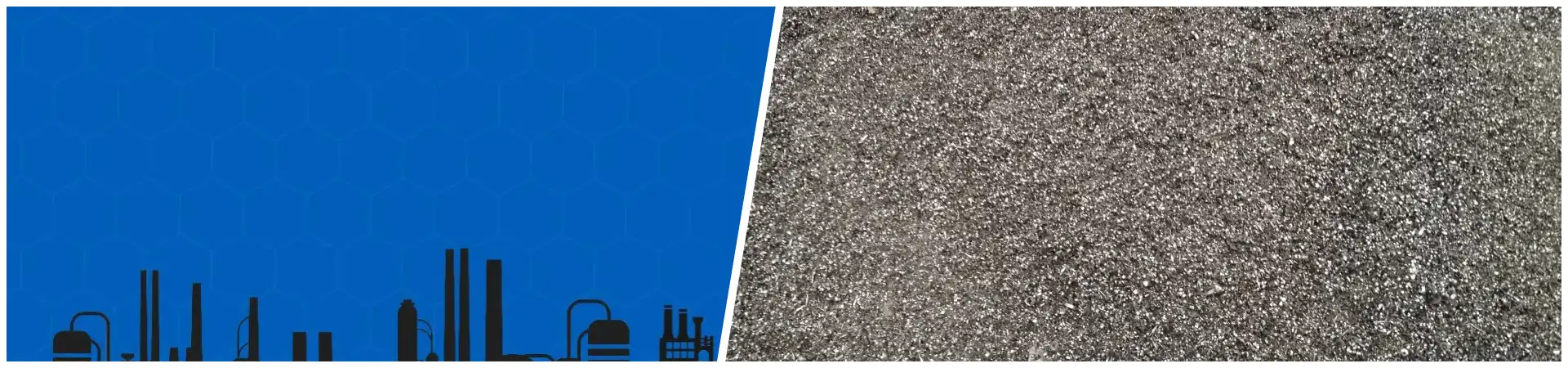
Wide Variations in Size and Form
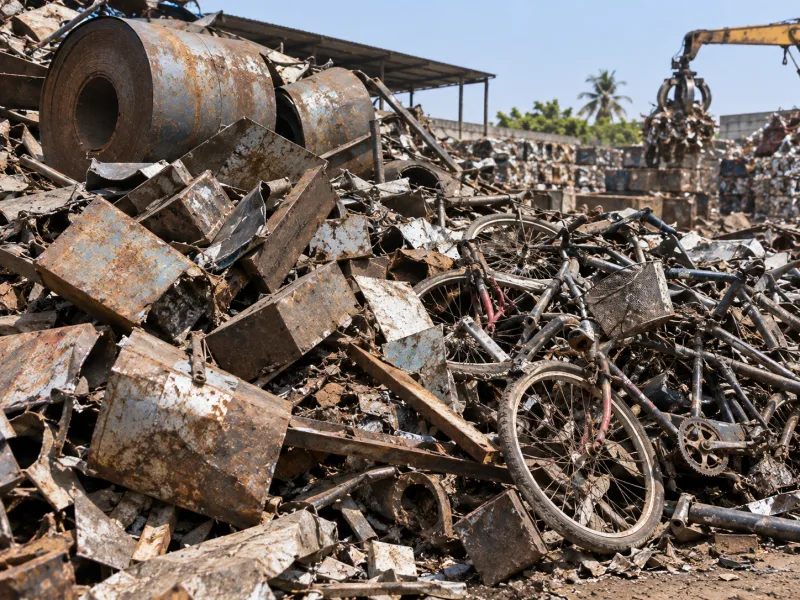
The incoming steel scrap varied significantly in size, shape, and structure. Large and irregular pieces required size reduction before they could move into downstream recycling operations.
The customer operates a scrap yard where large steel scrap coils, scrap iron blocks, discarded bicycles, and other forms of steel scrap had accumulated over time.
Before the equipment was installed, this material was processed mainly by manual labour. The customer needed approximately 10 workers to carry out the work, resulting in relatively low processing efficiency and high labour costs.
The main objective of the project was to break down large, irregular steel scrap into smaller material while significantly improving on-site processing efficiency and reducing dependence on manual operations.
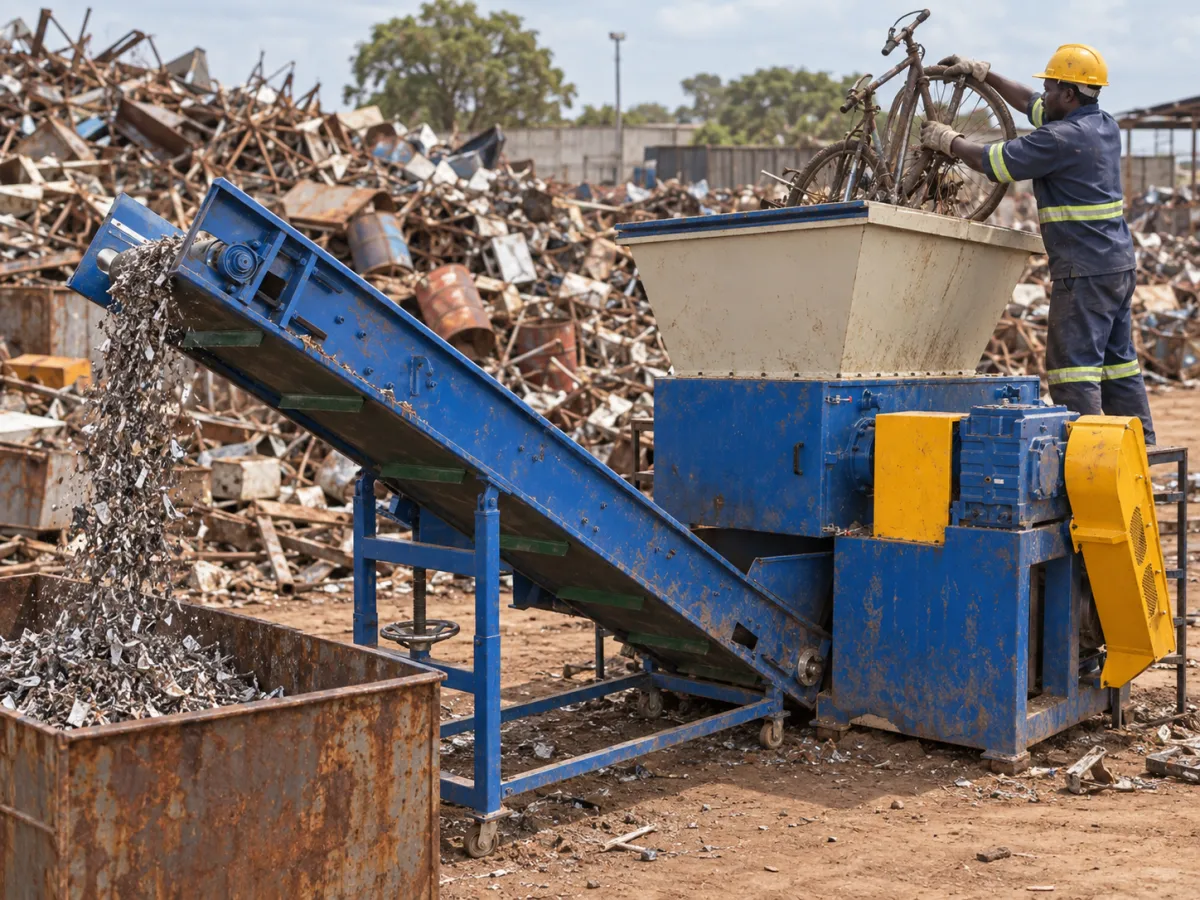
The customer therefore installed two TSS-800 Single-Shaft Metal Shredders for continuous shredding of large and irregular steel scrap.
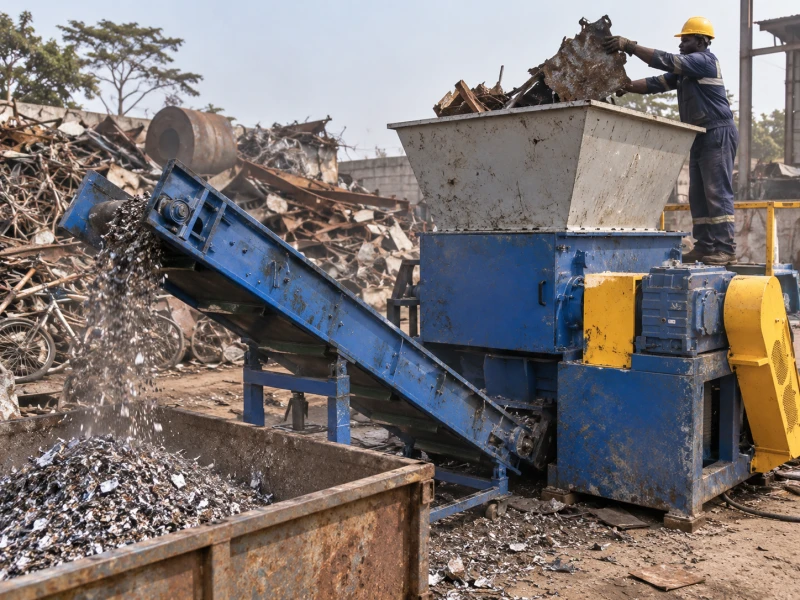
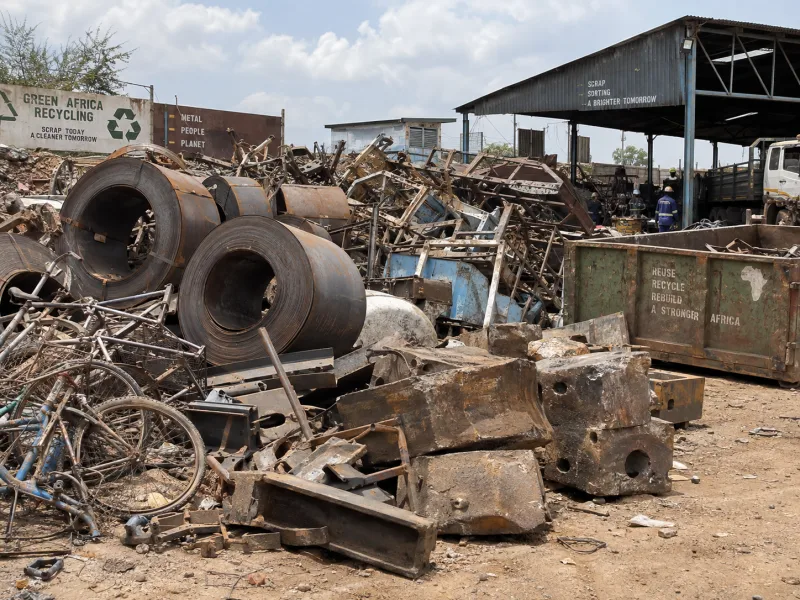
The steel scrap received at the customer’s site varied considerably in form, including large steel scrap coils, scrap iron blocks, and discarded bicycles.
Because these materials were large and irregular in shape, relying mainly on manual processing required substantial labour and made it difficult to keep up with the growing amount of steel scrap requiring treatment.
The incoming steel scrap varied significantly in size, shape, and structure. Large and irregular pieces required size reduction before they could move into downstream recycling operations.
Before the project was implemented, approximately 10 workers were required to process the steel scrap. The overall processing rate was not sufficient for the site’s continuous workload.
Heavy reliance on manual work not only limited the site’s processing capacity but also continued to increase labour costs.
The main challenge was to reliably reduce large, irregular steel scrap to smaller material while increasing the amount that could be handled within a given time.
In this project, the customer did not simply need to reduce the space occupied by loose scrap.
The requirement was to process large and irregular steel scrap directly into smaller material.
Shredding was therefore selected as the main processing route.
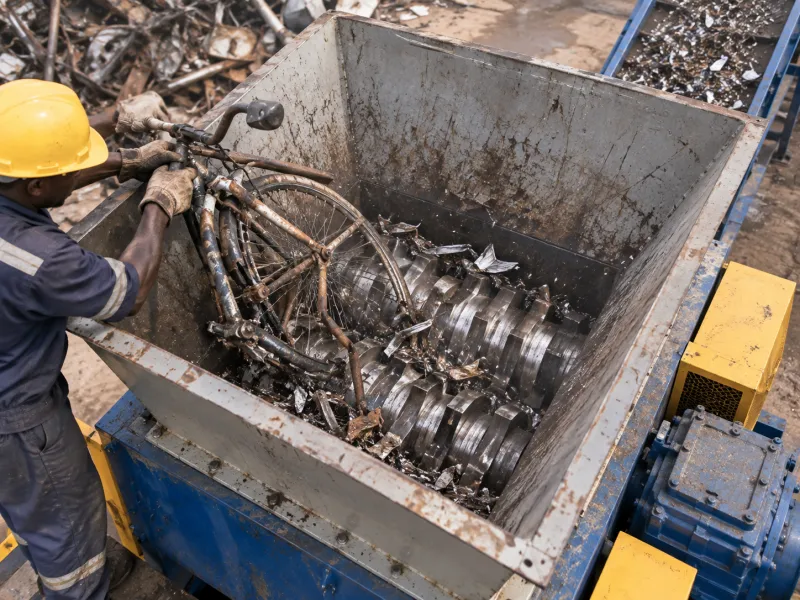
The TSS-800 Single-Shaft Metal Shredder uses its cutting system to cut, tear, and shear the incoming steel scrap, progressively reducing the size of the original material and producing smaller metal fragments.
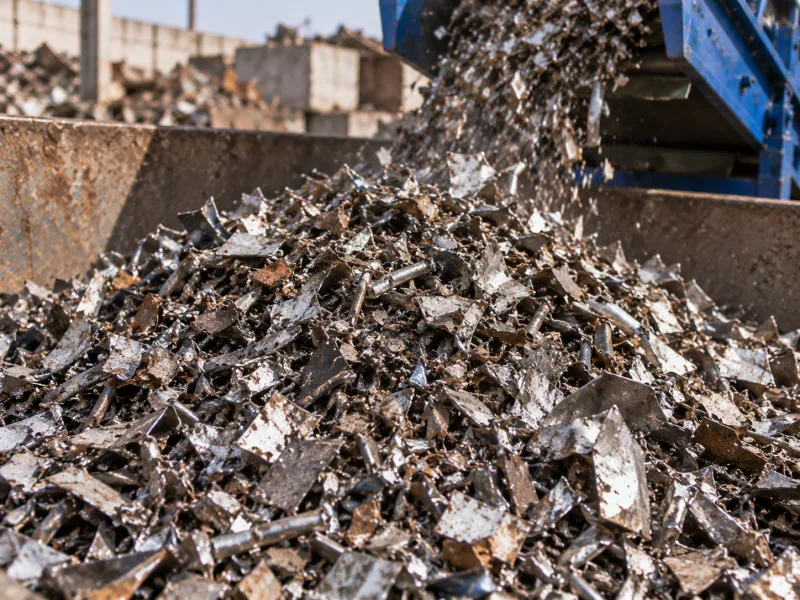
After the project went into operation, the output size was approximately 5 cm, making the material more suitable for subsequent collection, transfer, and recycling.
The customer installed two TSS-800 Single-Shaft Metal Shredders to process different forms of steel scrap, including large steel scrap coils, scrap iron blocks, and discarded bicycles.
The single-shaft cutting system applies cutting, tearing, and shearing forces to the steel scrap entering the shredding chamber, progressively reducing the size of the original material.
In this project, the main role of the two machines is to improve steel scrap size-reduction efficiency, replace a substantial amount of manual processing with continuous mechanical operation, and produce material within the smaller size range required by the project.
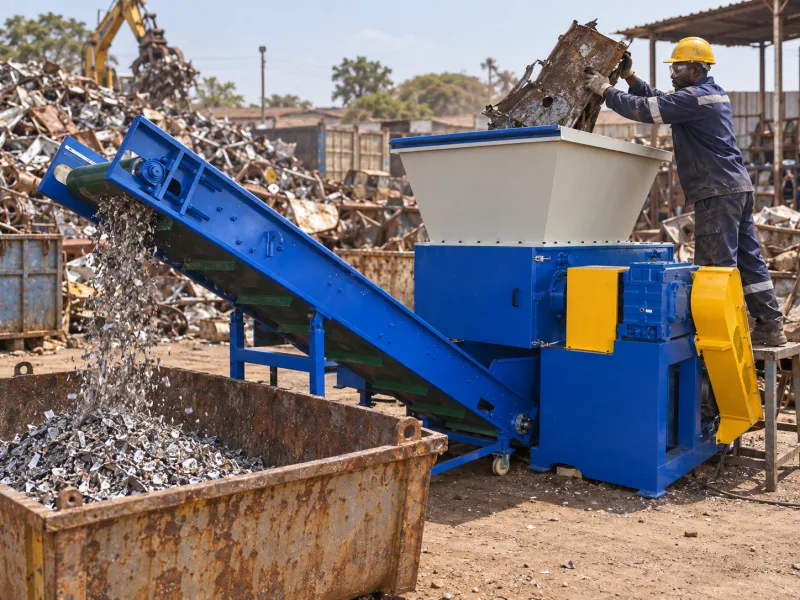
After the project went into operation, the two TSS-800 shredders took over much of the steel scrap processing work that had previously been carried out manually.
According to operating records, each machine processes approximately 600–900 kg of steel scrap per hour.
With both machines in operation, the amount processed on site in one day was equivalent to approximately one week of the previous manual workload.
At the same time, the number of operators required for the project decreased from approximately 10 to 3.
The shredded steel scrap had an output size of approximately 5 cm, converting the original large and irregular material into smaller fragments.
According to the customer’s project records, the equipment reduced annual labour costs by approximately USD 45,000.
Each TSS-800 processes approximately 600–900 kg/h of steel scrap in this project.
With both machines operating, one day of processing was equivalent to approximately one week of the previous manual workload.
Mechanical processing significantly reduced the site’s dependence on manual labour.
Large, irregular steel scrap is shredded into smaller material with an output size of approximately 5 cm.
According to the project records, annual labour cost savings after equipment installation were approximately USD 45,000.
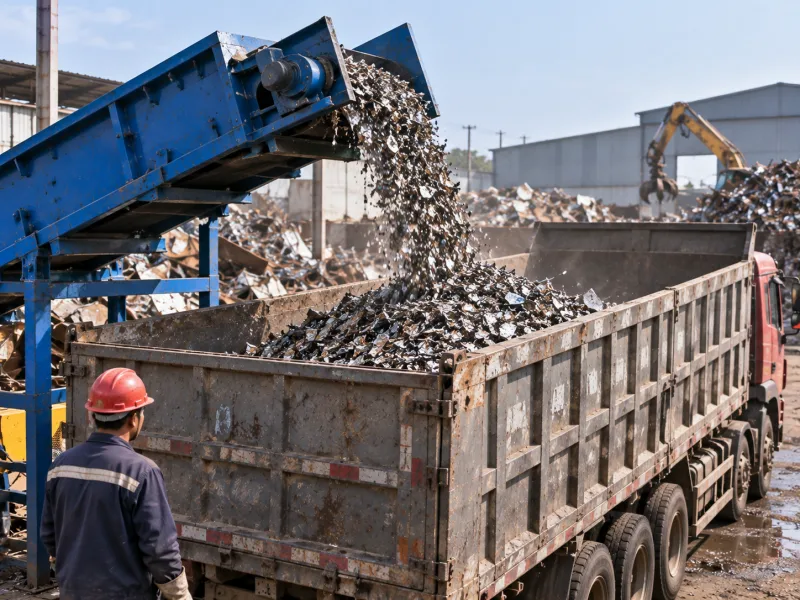
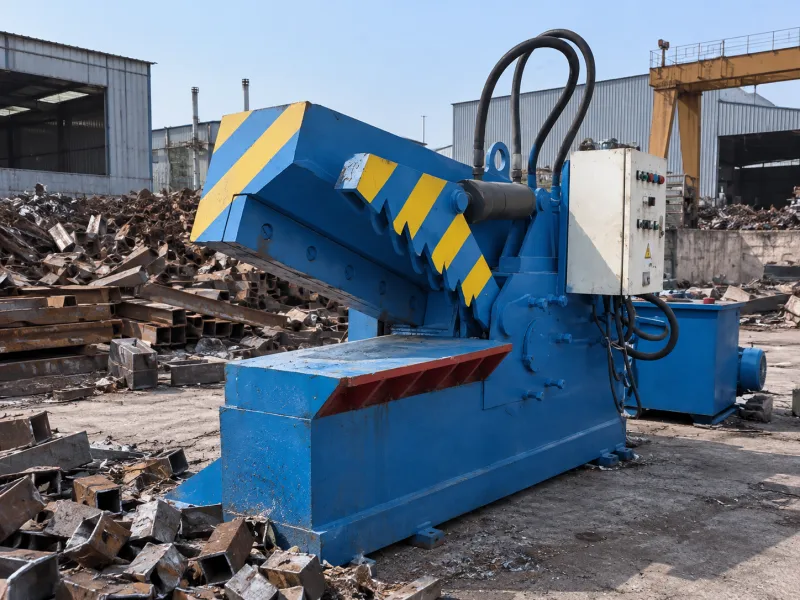
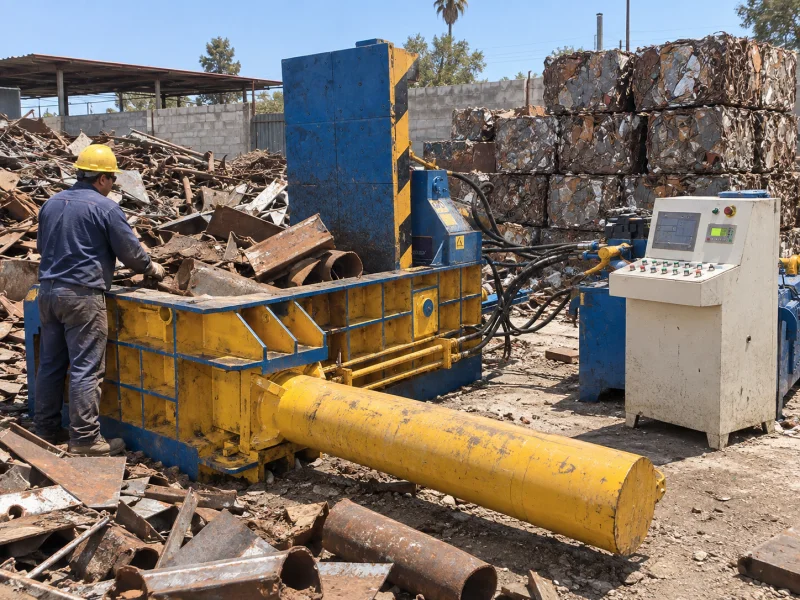
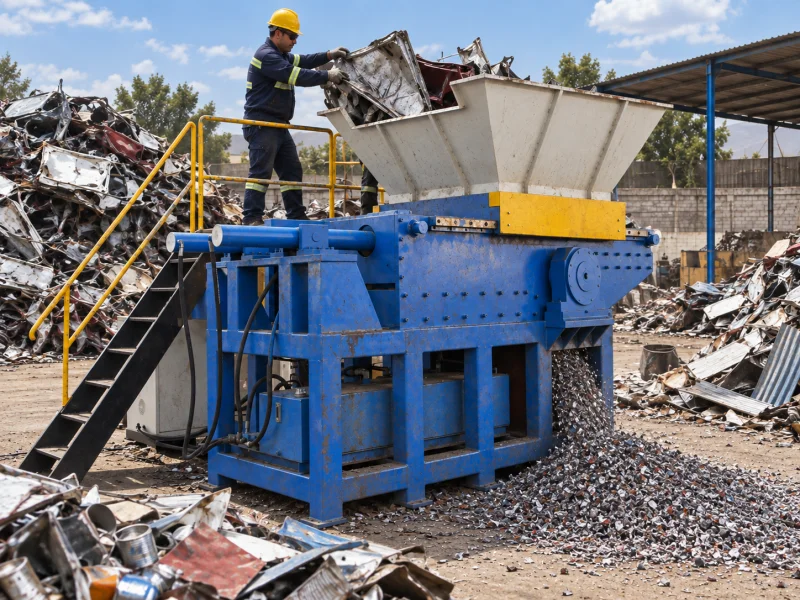
Reduces bulky and irregular metal scrap into smaller, more uniform pieces. Available in TDS twin-shaft and TSS single-shaft series.
View Equipment →Evaluate length, cross-section, overall form, and downstream target size to determine whether heavy scrap needs direct shearing, pretreatment, or no further size reduction.
View Solution →