Which Metal Chips Are Suitable for Briquetting?
Whether a batch of metal chips is suitable for briquetting cannot be judged simply by whether the material is iron, aluminium, or copper.
Material type is only the first condition.
Before metal chips enter the briquetting process, their physical form, liquid content, and contamination also need to be assessed.
This is because a Metal Briquetting Machine has to accomplish two basic tasks:
First, the material must be able to enter the compression area reliably;
Second, once inside the die cavity, the material must be able to form a relatively stable briquette under pressure.
For this reason, “can this metal be briquetted?” and “can this batch of metal chips be fed directly into the briquetting machine in its current condition?” are not exactly the same question.
A more practical assessment looks at four factors together:
From a Material Perspective, Many Common Metal Chips Can Be Briquetted
Metal chip briquetting is not limited to one type of metal.
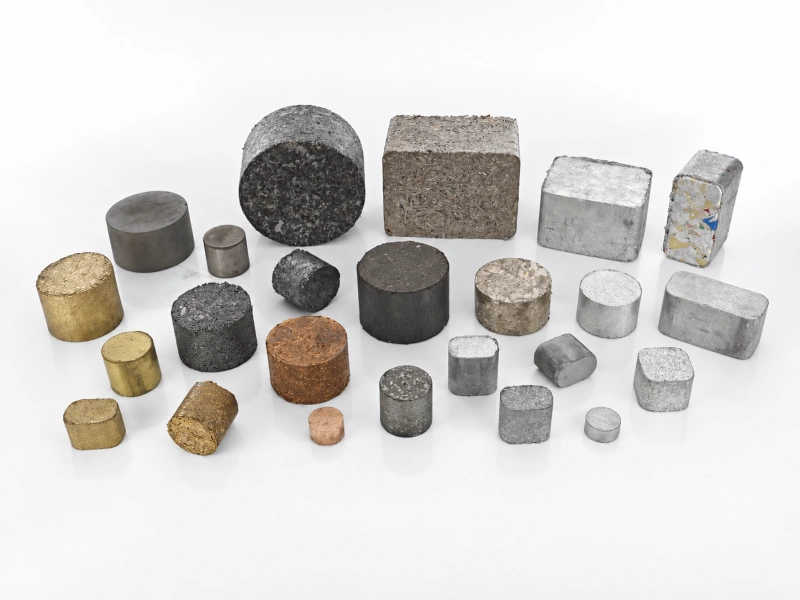
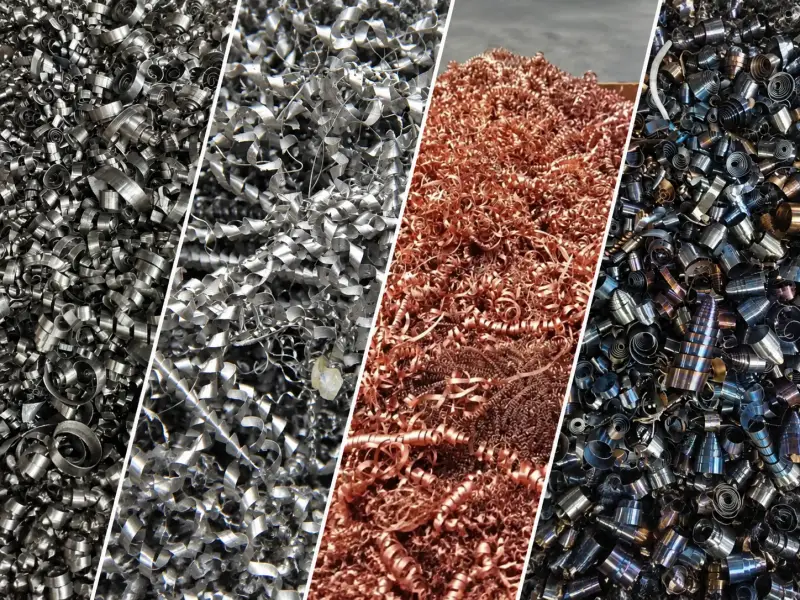
Common machining wastes such as iron chips, steel chips, cast iron chips, aluminium chips, copper chips, and stainless steel chips can all fall within appropriate briquetting applications.
Briquetting applications also exist for titanium chips, magnesium chips, and certain mixed metal chips.
Different metals have different hardness, ductility, particle characteristics, and compression behaviour. As a result, the machine conditions required during pressing and the final forming condition of the briquette can also differ.
However, when determining whether a material falls within the general processing scope of a briquetting machine, the name of the metal itself is usually not the most difficult part of the assessment.
What more often creates problems is the physical form in which the same metal is present.
Even with steel chips, short broken chips and continuous, curled steel turnings can behave very differently during feeding and compression.
So once you know what metal it is, the next question is what form is it in now?
Physical Form Often Determines Whether the Material Can Go Directly into Briquetting
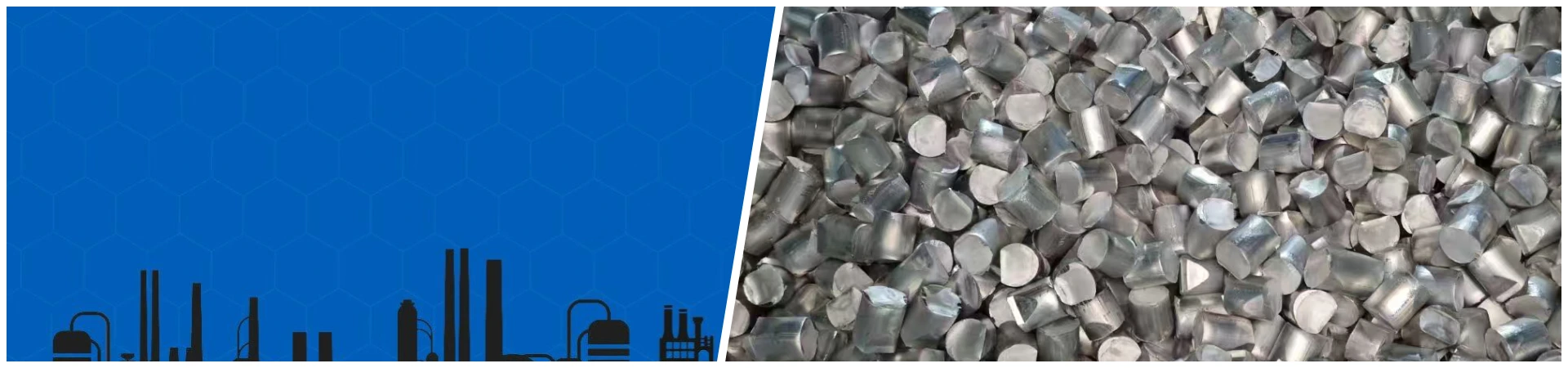
Relatively short, small, fragmented, or granular metal chips that can enter the feeding area reliably are generally easier to process through direct briquetting.
Examples include short broken chips, fine machining chips, granular chip material, and certain fine particulate or powder-like metal waste that is suitable for compaction and forming.
Although these materials are loose, their individual particle or chip size is relatively small. Once they enter the compression area, they can more readily rearrange, fill voids, and compact further.
The forms that require closer assessment are long stringy turnings, string-like chips, and heavily tangled chip nests.
Long continuous turnings produced during turning operations can become entangled with one another, form bridges in the hopper or feeding area, and—because of their bulky, loose condition—be difficult to feed reliably into the compression chamber.
This does not mean that all long turnings are unsuitable for briquetting.
Different machine structures have different feeding and pre-compression capabilities. Some horizontal configurations can use a pre-compression mechanism to condition and push bulkier chip material. However, if the material has already formed large, severely tangled chip nests, it may still need to be shortened, crushed, or otherwise pretreated first.
Metal Chips Containing Cutting Fluid Can Be Briquetted, but Excess Liquid May Require Pretreatment
Metal chips generated during machining often carry cutting fluids, coolants, or lubricating oils.
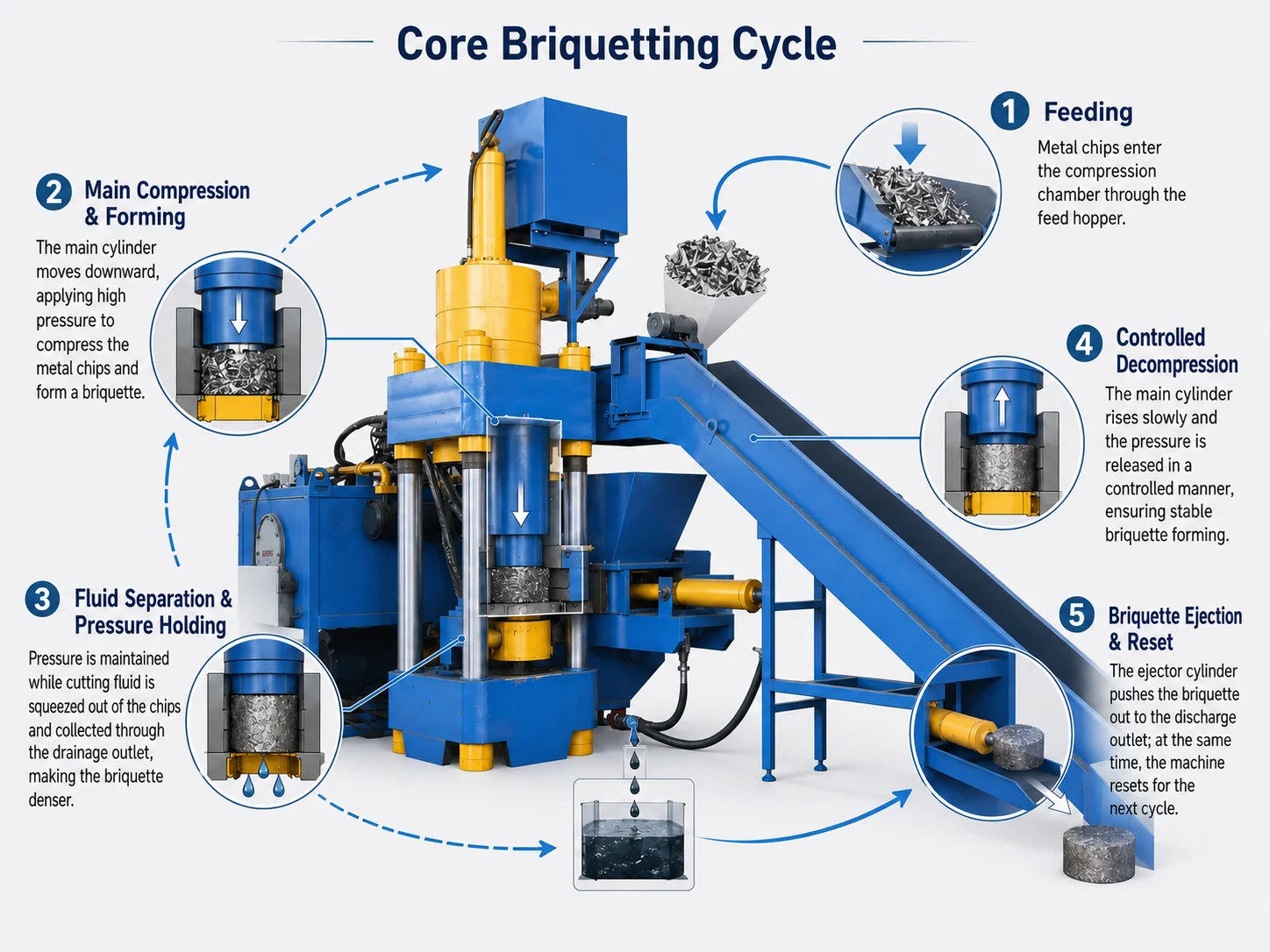
During high-pressure pressing, a metal chip briquetter can squeeze out part of the liquid attached to the chips and collect it through the drainage and liquid-collection structures.
The presence of some liquid therefore does not automatically make metal chips unsuitable for briquetting.
However, the primary function of the briquetting machine is to compact metal chips while achieving part of the solid-liquid separation during compression. It is not a replacement for all upstream liquid-removal treatment.
If the chips contain a large amount of free liquid, the material condition can become unstable and may affect both feeding and the final forming condition.
Excessive Non-Metallic Contamination Can Change an Otherwise Suitable Briquetting Material
In addition to material type, physical form, and liquid content, contamination is another important factor in determining whether metal chips are ready for direct briquetting.
If the material still consists mainly of the target metal and contains only small amounts of residue normally associated with machining, it can usually still be treated primarily as metal chips for compaction.
The situation changes when large quantities of plastics, rubber, wood debris, textiles, sand, soil, or other non-metallic contaminants are mixed into the material.
These contaminants do not participate in the normal metal-compaction process in the same way as the chips. In excessive quantities, they can affect briquette stability and reduce the purity and value of the recovered material.
A briquetting machine is therefore not intended to force every type of mixed waste into a single block.
When non-metallic contamination has become a significant part of the material, a more appropriate approach is to sort or clean the material first and then reassess whether the remaining metal chips are suitable for briquetting.
“Suitable for Briquetting” and “Ready for Direct Briquetting” Should Be Assessed Separately
Based on the conditions above, actual metal chip material can be broadly divided into three states:
| Material Condition | Assessment |
|---|---|
| Fine or short material with reliable feeding; normal liquid content; relatively little non-metallic contamination | Generally easier to feed directly into the briquetting process |
| Long, stringy, bulky, or tangled material; higher liquid content; complex contamination | Requires assessment based on the actual condition and may require pretreatment |
| Material that is actually thin sheet, metal containers, large offcuts, or other larger scrap metal | The equipment type should be reassessed rather than treating it as metal-chip briquetting simply because it is metal scrap |
If the actual material is no longer in a typical metal-chip form, but consists of larger thin scrap, offcuts, or other loose scrap metal, see “What Is the Difference Between a Metal Briquetting Machine and a Scrap Metal Baler?”
The most important part of determining whether a batch of metal chips is suitable for briquetting is therefore not finding a fixed “approved material list,” but confirming:
Whether the material can be fed reliably;
Whether its current physical form is suitable for compaction inside the die cavity;
Whether the liquid content is within a range the equipment can handle;
Whether non-metallic contaminants will interfere with normal forming and downstream recycling.
Once these basic conditions are satisfied, the next question is how to produce briquettes that are more stable and denser.
Even when two batches of metal chips are both suitable for briquetting, their final briquette density and forming quality can differ. For the factors that further affect the final pressing result, see “What Factors Affect Metal Chip Briquette Density?”
Continue Learning About Metal Chip Briquetting