What Is a Metal Briquetting Machine?
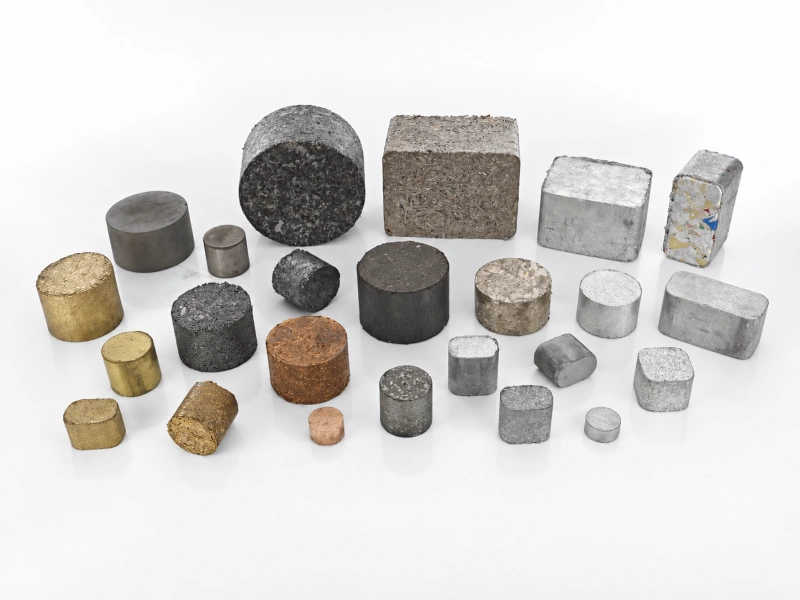
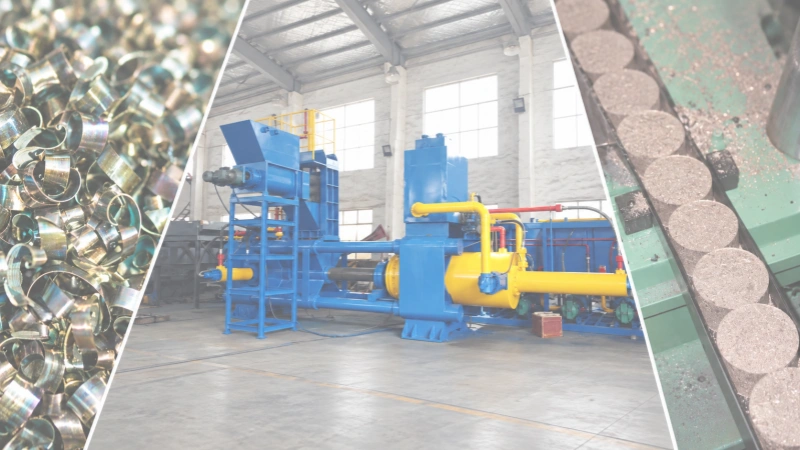
A Metal Briquetting Machine uses high pressure to compact loose metal chips, turnings, cutting chips, and other fine metal scrap suitable for briquetting into high-density briquettes.
Its applications are not limited to a single industry. Machining, casting, metal fabrication, scrap recycling, and other metal-processing operations can all generate metal chips suitable for briquetting.
What matters first when determining whether a type of scrap is suitable for a metal chip briquetting machine is the form and condition of the material itself, not the industry it comes from.
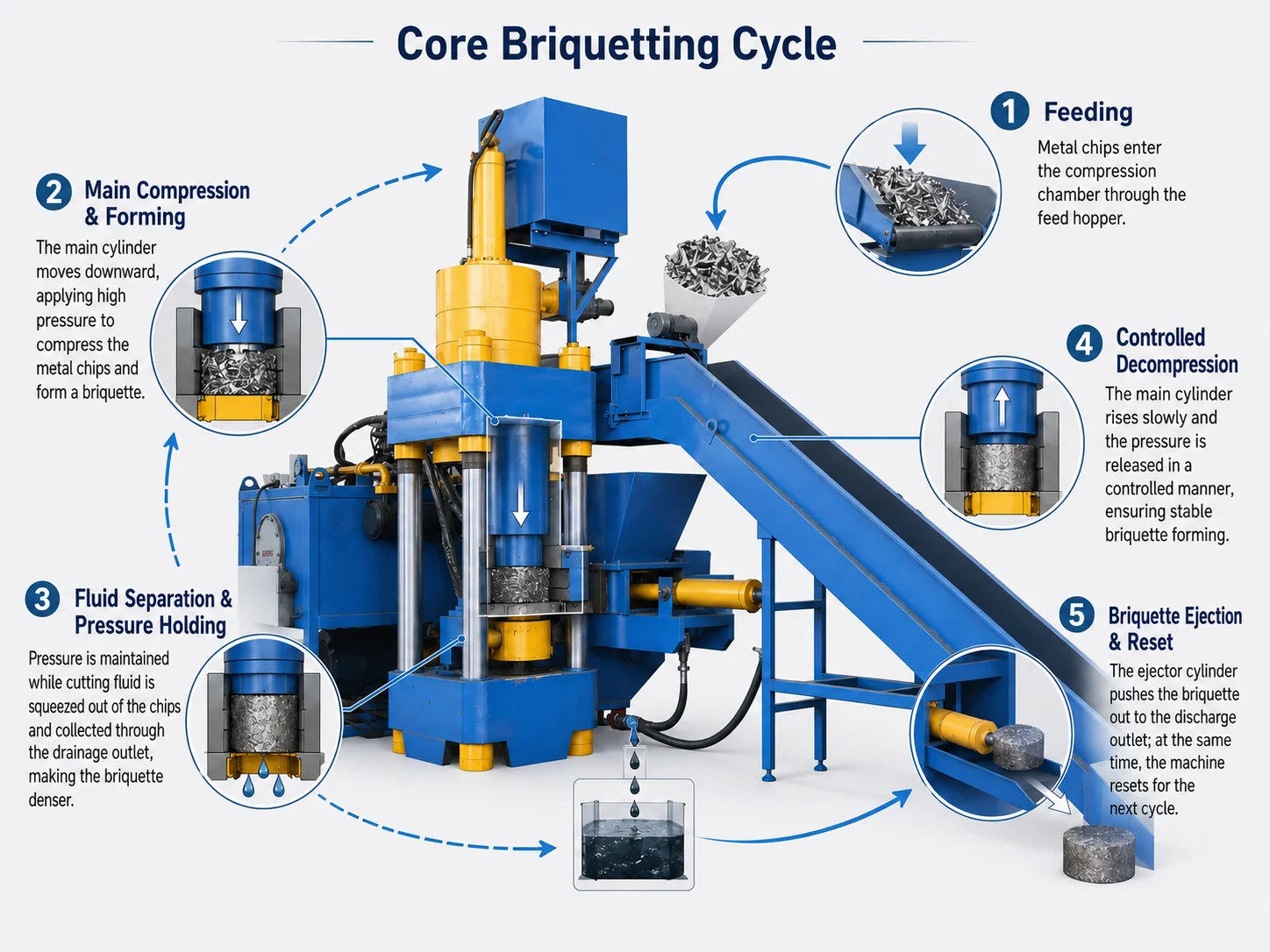
Before briquetting, metal chips are typically loose, fragmented, or irregular. High-pressure compaction reduces the voids between the chips, while the die forms the material into metal briquettes with a relatively consistent size and shape.
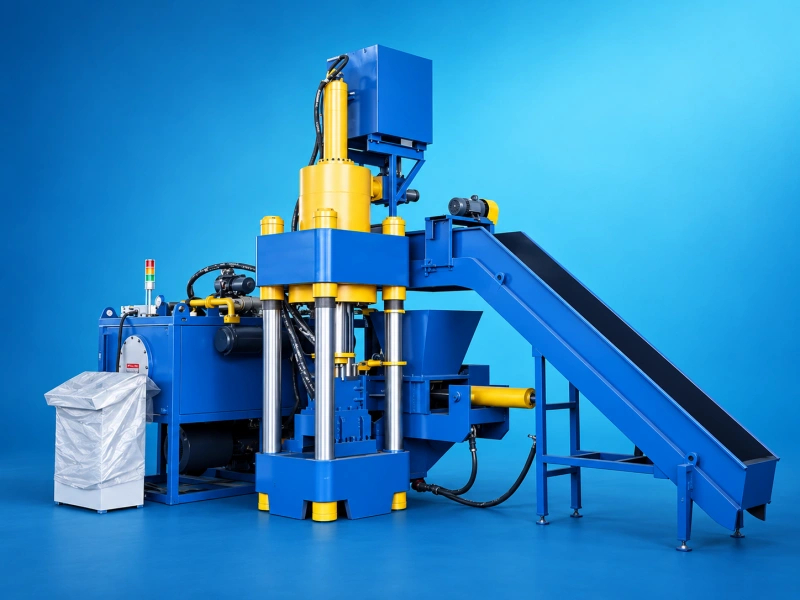
Briquetting does not turn the metal into a different material. Its purpose is to convert loose metal scrap into a more consolidated and regular form that is easier to store, handle, and process in subsequent recycling.
For a closer look at how the machine carries out this process, see “How Does a Metal Briquetting Machine Work?”
Why Briquette Loose Metal Chips?
Metal chips have value as recyclable material, but when they are generated, their loose form is often difficult to manage.
Loose turnings, cutting chips, and fine metal particles contain large amounts of empty space, so they take up more space per unit weight. Fine chips can scatter during collection and transfer, while curled or bulky loose chips are difficult to consolidate, stack, and handle.
Some machining chips also carry cutting or lubricating fluid, which makes storage and downstream recycling management more complex.
Briquetting first addresses a basic problem: the metal itself is recyclable, but its loose condition makes storage, handling, and subsequent processing more difficult.
After compaction, the loose chips are consolidated into regular briquettes. This reduces the space they occupy, makes stacking, handling, and transport easier, and helps reduce the scattering of fine material during transfer.
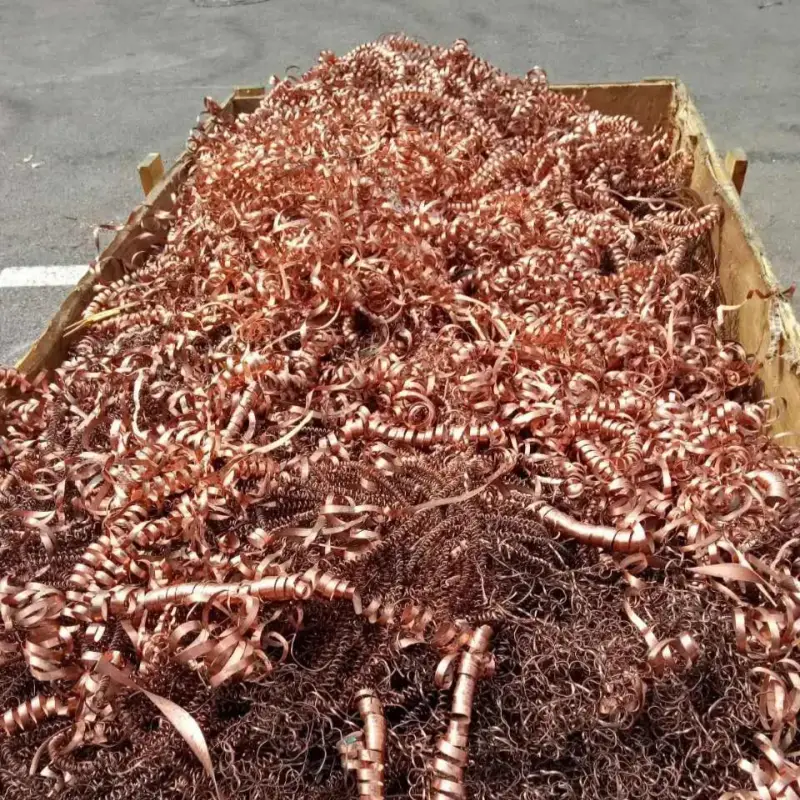
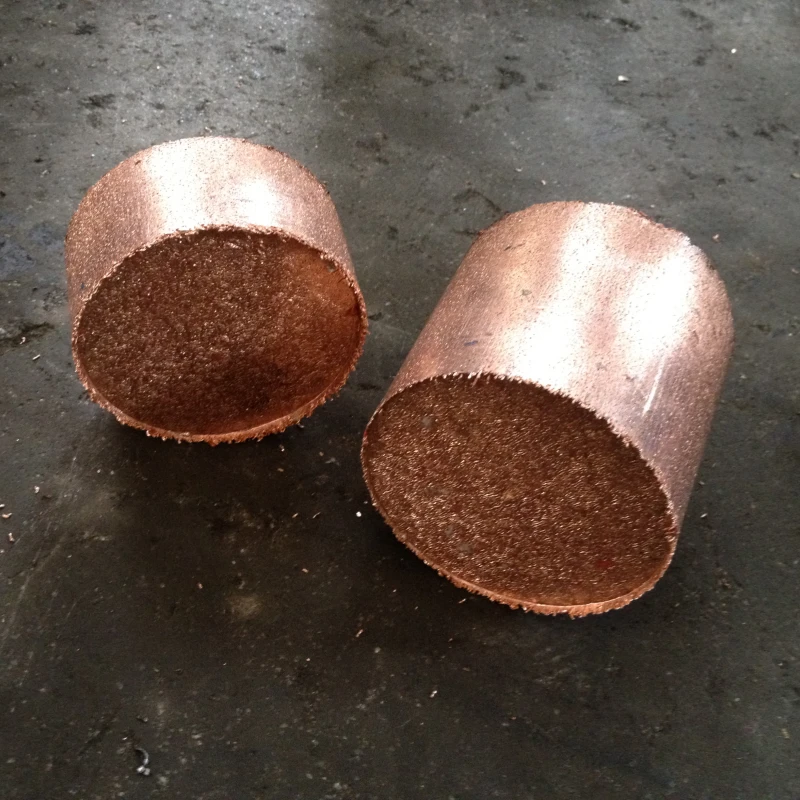
For metal chips containing a certain amount of cutting or lubricating fluid, the high-pressure pressing stage can also squeeze out part of the liquid, which can then be collected through a liquid-collection structure.
The value of metal chip briquetting, therefore, is not simply to make the scrap “smaller.”
More precisely, while preserving the metal’s recyclability, briquetting converts loose, difficult-to-manage scrap into a denser and more regular material form that is better suited to downstream recycling.
Copper Chip Processing Project in Algeria
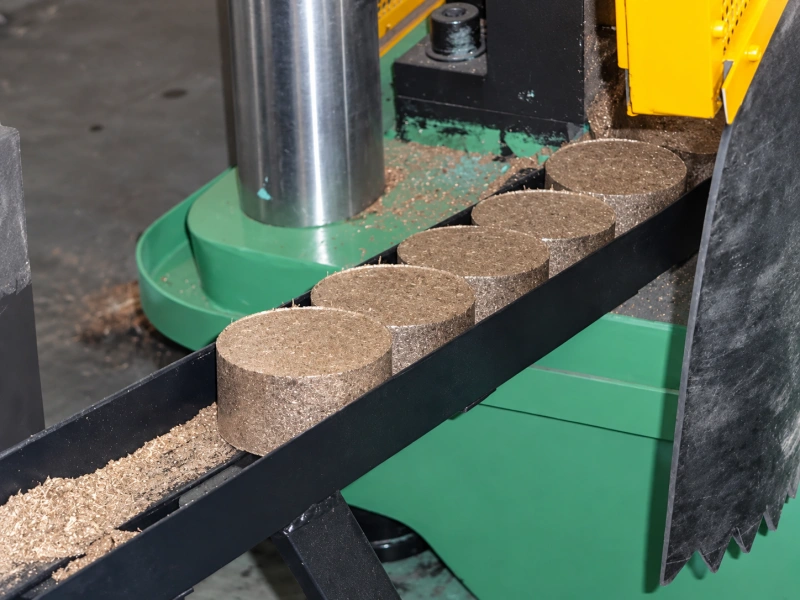
The raw material at the customer’s site included string-like and clumped copper chips. In this project, the clumped and long, strip-like copper chips were first crushed, followed by de-oiling of the material. The Y83L-250 was then used to cold-press the copper chips into cylindrical briquettes.
The project recorded a Volume Reduction Ratio of 10:1. This also shows that the actual briquetting result depends not only on the machine: the form of the incoming material and any necessary pretreatment also affect the final processing result.
- Material Processed
- Copper chips
- Equipment
- Y83L-250
- Volume Reduction Ratio
- 10:1
What Types of Scrap Does a Metal Briquetting Machine Mainly Process?
The main feedstock for a metal chip briquetter is fine metal scrap in chip-like, granular, or other forms suitable for compaction and forming.
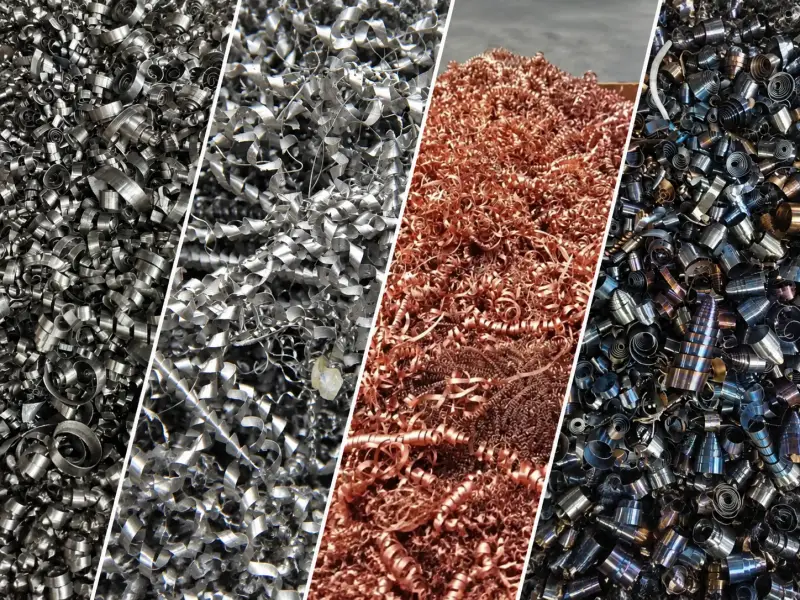
Typical materials include iron chips, steel chips, aluminium chips, copper chips, cast iron chips, and stainless steel chips. They also include turnings, cutting chips, and some fine metal scrap and certain metal fines suitable for briquetting.
This distinction is key to understanding where a metal briquetter is appropriate.
It is not a universal compaction machine into which any type of “scrap metal” can simply be fed. Different types of metal scrap vary significantly in size, form, and material condition, so the appropriate equipment and processing method can also differ.
For example, sheet-metal offcuts, metal containers, and other larger loose metal scrap usually belong to a different compaction application. A Scrap Metal Baler also uses pressure to achieve volume reduction, but the primary forms of material it processes and the final compressed product are different from those of a metal chip briquetting machine.
For a detailed comparison, see “What Is the Difference Between a Metal Briquetting Machine and a Scrap Metal Baler?”
At the same time, even when a material is classified as metal chips, this does not mean that every material can be fed directly into a briquetting machine.
The actual processing route still needs to be assessed according to the material type, chip form, liquid content, and impurities present.
For more on this question, see “Which Metal Chips Are Suitable for Briquetting?”
The most important point in understanding a metal briquetter is the problem it is designed to solve:
Converting loose metal chips that are suitable for briquetting into denser, more regular feedstock for recycling.
How the machine carries out this process, and which technical factors determine whether briquetting can remain stable, are separate questions that require further explanation.
When the Material Name Alone Is Not Enough, Test the Actual Material
When the material condition is complex, the liquid content is unclear, or the expected briquetting result cannot be determined from the material name alone, a briquetting test can be carried out using the customer’s actual material. The subsequent processing approach can then be assessed from the test results.
- 01Actual Material
Use the customer’s actual metal chips rather than judging suitability from the material name alone.
- 02Briquetting Test
Observe whether feeding is stable and whether the material can be compacted and formed properly.
- 03Record the Results
As required for the project, record results such as density, residual liquid, volume reduction, and briquette integrity.
- 04Engineering Assessment
Based on the material, its form, and the test performance, assess whether it is suitable for direct briquetting or requires pretreatment.
Actual-Material Briquetting Test
Continue Learning About Metal Chip Briquetting